Just a couple of weeks back, South Africa’s XC racing snake Alan Hatherly took his second consecutive Elite World XCO title. However, it was actually his fourth MTB world title, with the first being the U23 XC championships in 2018, and the second coming in the inaugural eMTB XC title race the following year.
- The Charlie Aldridge interview – UK’s newest Olympic hope
- What’s behind Isla Short’s best season yet? The Scottish XC star talks ADHD, “racing against people on six-figure salaries”, and refining her approach to training and racing
- Rising to the Top – Puck Pieterse’s amazing rainbow adventure
From BMX, to motocross, to downhill, and then on to cross-country racing, Alan has now turned his hand to WorldTour road racing with the Jayco Alula team. Naturally, though, the rough stuff still runs deep through his veins.
Taking a brief hiatus from his debut road season, he recently returned to the World Cup circuit in a quest to retain his world title. Somehow, against the odds of re-conversion, he did just that, with a masterful display on the slippery slopes of Crans Montana. As if that wasn’t enough, he also took victory in the Lenzerheide XCO World Cup the following week, before returning to curvy bars to ride out his season on the road.
Between races, we spoke with him about his amazing 2024 season, where he won the XCO World title and the World Cup outright, as well as nailing a tidy chunk of Olympic bronze bling in the Paris XCO race. While we were at it, we thought we’d also dig into just how he readapted to MTB, and how he pulled off such an amazing championship double.
ORCC: 2024 was a huge year for you. What did getting an Olympic medal mean to you, and how does that compare to the world titles you won?
Alan Hatherly: I just came into form at the crucial moment of the season; I won the World Cup in Les Gets two weeks before, by quite some margin, and that gave me a confidence boost.
The Olympics were the big goal, and two years back, we were trying to get on the road to really lift the level, but we weren’t able to do so. The focus was on the Olympics for two years before this, which is not common nowadays. Achieving that Olympic medal will always stay with me as one of my most memorable achievements.

On the other hand, I think the World Championships are on the same level as the Olympic Championships, and for me, maybe even more so. There’s everyone on the start line for a World Championship, as opposed to just 40 at the Olympics, and so you know you’re competing against the world’s best. That’s the thing that stands out to me the most, and I guess, once you’ve won the World Championship, those rainbow bands stay with you forever, and if you don’t renew it (win), they move from your chest to your sleeves. That’s really special and stays with you for your whole career.
ORCC: Did it take a lot for you, technically, to re-adapt to MTB this year after so long on the road?
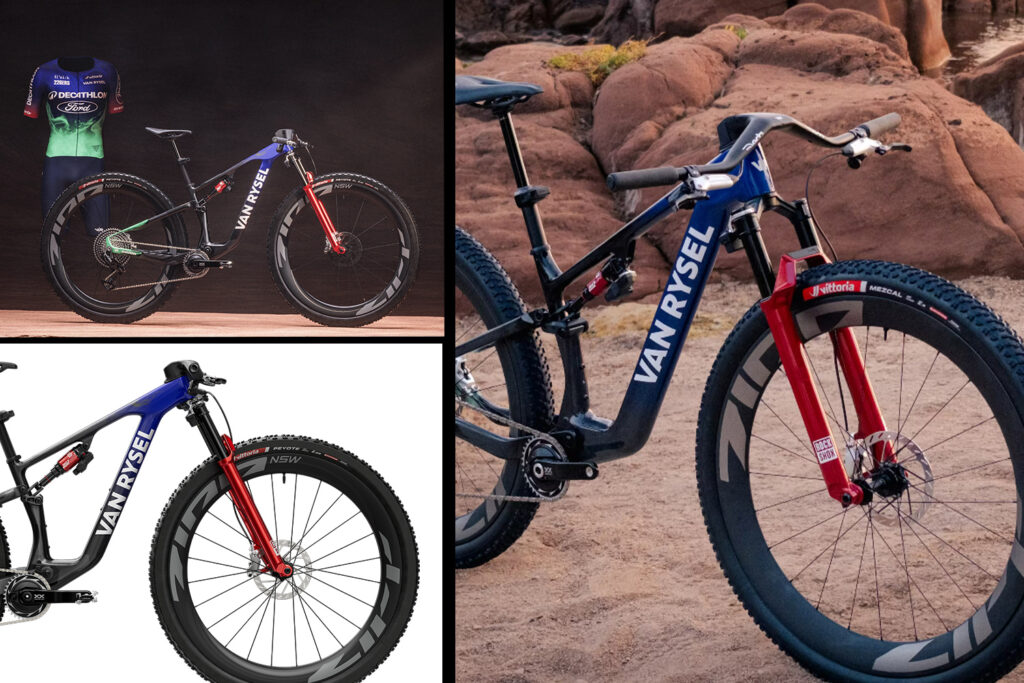
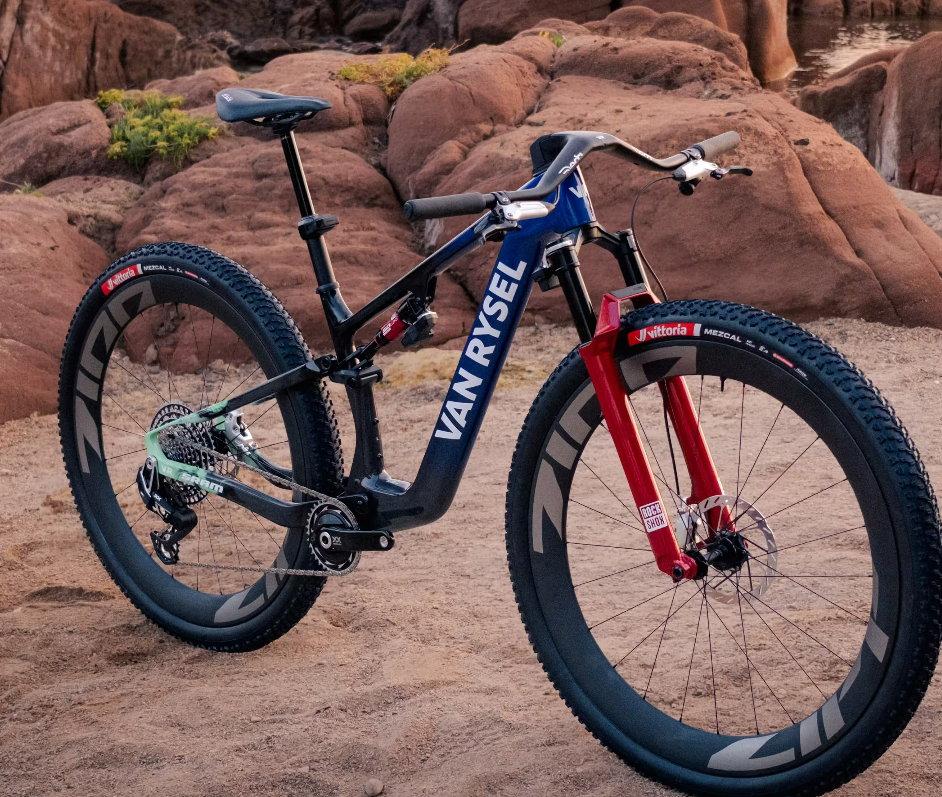
AH: The biggest adjustment was just the weather. In Andorra, I’ve been the fastest technically in training than I have been over the last four years. The speed has been there all season, and I’ve done a lot of testing with the new Giant Anthem and equipment to put it through its paces and get the ultimate setup. By doing that, I’ve covered a lot of ground technically.
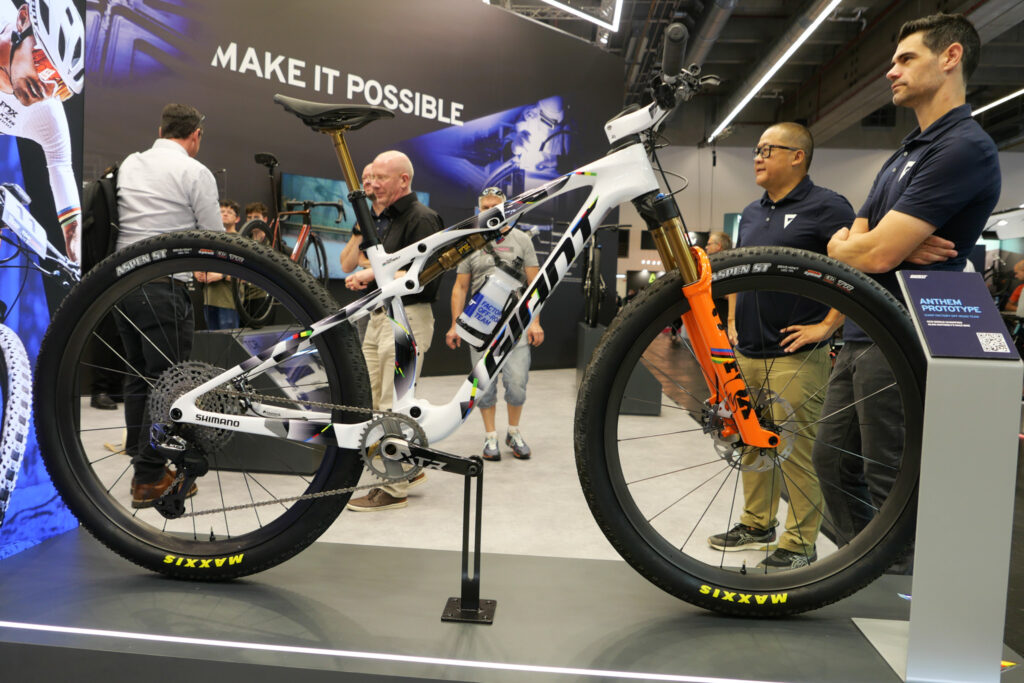
The biggest adjustment I’ve had is going from dry training to muddy races. That’s always been a weakness of mine, and it’s not something I’ve been able to prepare for in training. We’ve also changed tyre manufacturers, and getting used to the setup has also been a huge adjustment.
Les Gets was a bit of a learning, but Leogang was the biggest of the lot. We hadn’t had the best of weather until this last block, where we had some dry races, and then I was able to show what I was capable of.
ORCC: Going into the 2025 World Championships, and knowing how the weather had been during the week, what was the game plan and expectation?
AH: Having raced there in the past, and ridden the first World Cup there last year (which was in terrible conditions), I could see that the changes they’d made for this year made it more suited to a time trial effort.

Racing in a group was not going to be easy because there are a lot of start-stop efforts through the technical sections, and if one rider stops in front of you, it’s difficult to get around and keep momentum. I figured that for me, the best approach was to try and time time-trial it. Whether I had riders with me or not, the plan was to keep a constant steady pace on the front and then deliver the race with a move at some point.
When there were some technical mistakes on lap two, I didn’t expect to get away so quickly. I pushed a little bit, but didn’t do what I considered anything crazy. The race just unfolded after that, and I extended the gap every lap.
ORCC: That killer move, with you taking the low line while the others fumbled over the high line, it was almost cartoon-like and with perfect timing. Were you always going to take that line, or was it impromptu?
AH: For me, during the whole week, that low line was the best. We had some rain during the week and some heavy mist overnight. We did some training in the damp, and really – that high line wasn’t possible if it was at all slippery.
I knew, dry or wet, that this line was the quickest, and I was really surprised that they went for that high line. I just stuck to my guns and the line I’d worked on all week. It also helped that our technical coach from the team also went across and looked at the track to give an insight into conditions, so as to make a final decision on bike setup.
ORCC: Line choices, etc, how secretive are they?
AH: It’s changed a bit. Everyone is pretty much an open book with lines, and how they’re going to ride the course now. Where the racing is at now, it’s become tactical, but it’s more a case of let the legs do the talking. In my opinion, this year, there hasn’t been much focus on secret lines or secret bike setups.
ORCC: The recent World Championship win was very impressive. From the outside, it looked very calm, precise, and calculated. What goes through your mind, and how much sideline info do you get during the race?
AH: My strength has always been to get away and just time-trial. I think that with every major win, I’ve been able to do that, and had a significant gap at some point in the race. I think there were six feedback points on the course, between the feed and support zones, so I was really well informed on what the gap was, and I was able to figure out where I needed to push and extend it the most.
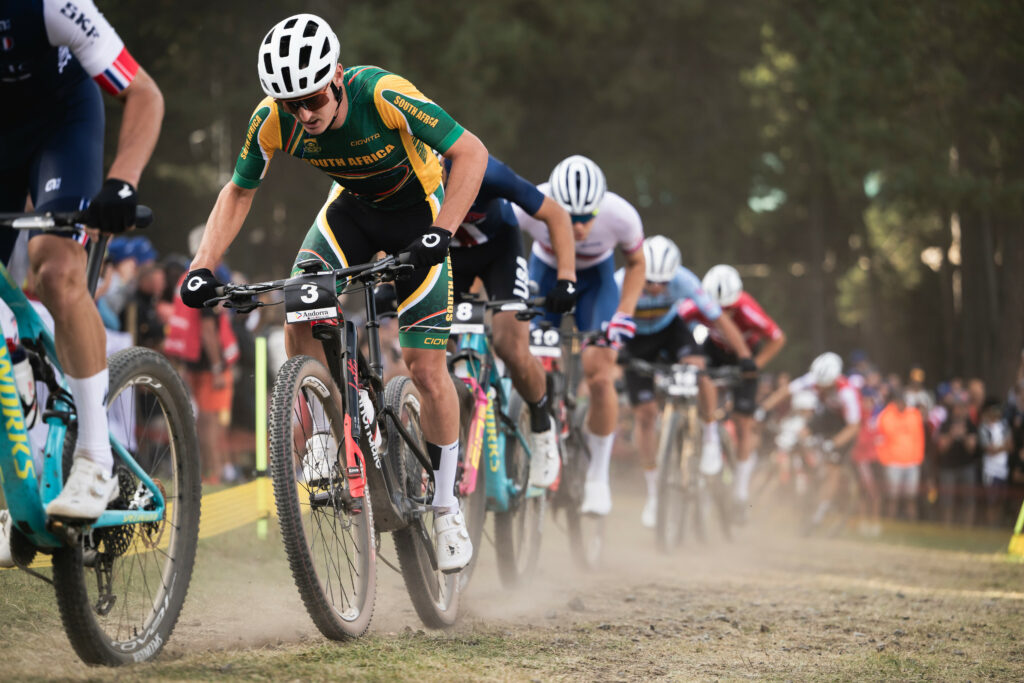
I guess it gave me the confidence that race was going in my direction. When I got that one-minute gap, it was just really about keeping that bike upright and getting past the finish line.
ORCC: Did doubling up with World Championships titles surprise you?
AH: No, not really; Les Gets was my first World Cup back after a road block, and I knew I had really good shape, it just wasn’t transferring exactly to MTB. I only made the shift to focus on MTB the week before Les Gets and on up until the worlds. That made a massive difference in being able to adapt to the MTB position and effort, and to be able to get my road powers out to the mountain bike.
In the weeks leading up to that World Championships, I could see it was going in my direction. I knew I was on for a good fight, at least a good title defence.
You might also like:
- “The decision to not offer me a rerun wasn’t what I was expecting”: Harriet Harnden on switching from Enduro to DH, THAT incident in Poland, and aiming for a first World Cup win
- “That’s when it really hit us, the track wasn’t just about biking or sport. It became a safety net”: Claudio Calouri talks Pump for Peace
- “YouTube alone is getting harder to make a career of”: The reality of being a cycling YouTuber