


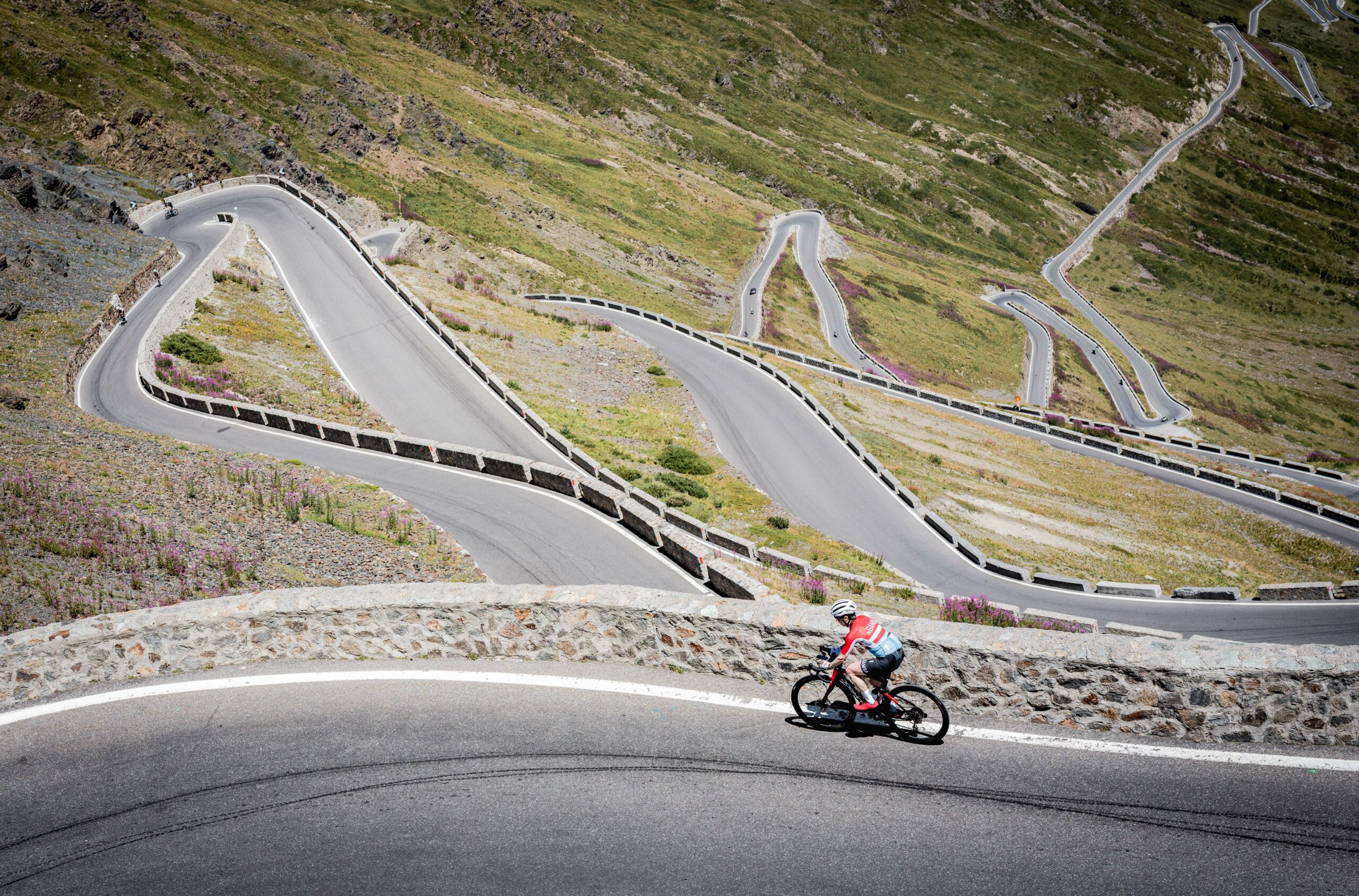
I looked up, grinding that low cadence I had finally perfected, and saw it. ‘1° Tornanti’. The final turn. The last, agonising bend of the Passo dello Stelvio, that brutal, beautiful Alpine monster. And then the floodgates opened. Tears started streaming down my cheeks, continuing all the way to the summit.
That surge of emotion surprised me at first. But as I reflected on everything I had just experienced, filtering through over a decade’s worth of life, work, and cycling, it dawned on me.
Much of my 30s had been spent navigating professional and personal challenges, the kind we all face. But here on the Stelvio, for the first time in years, I had succeeded in a challenge that I set for myself, purely because I wanted to, not because I had to.
Sat beside my bike, 2,757m high, sobbing at the top of the Stelvio (the second time I had conquered it that day, mind you), I finally realised what cycling, and cycling high in the Italian Alps, had given me. Catharsis.
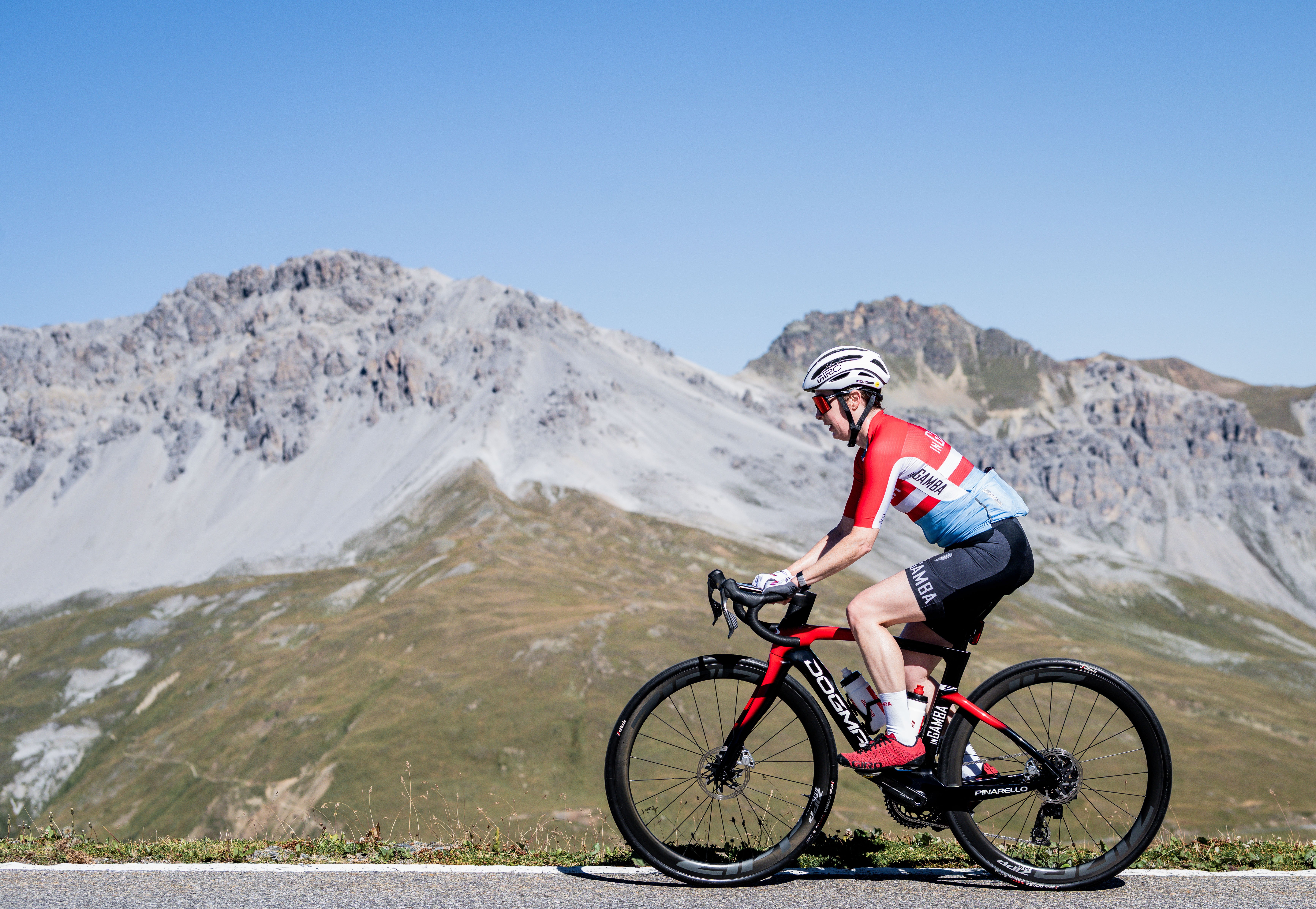
My journey to catharsis started on my 30th birthday, when some friends and I decided we should go on a cycling tour in Italy for at least one of our 40th birthdays. Talk about long-term planning. But interstate moves, kids, divorces, injuries, and other life vagaries, however, got in the way of that grand scheme.
And so I found myself at 39 with a kid old enough to hang out with my parents for a week, a career that would allow me to take 10 days off as a rare treat, a chunk of money that I had set aside to do something purely for me, and a desire to reset multiple aspects of my life.
Given that the last decade had seen my relationship with my bikes careen from ‘pack fodder road racer’ to ‘habitual summertime dilettante’ and the realisation that many of the most fulfilling times in my life correlated with more time spent cycling, what better way to usher in my 40s than going on that long-imagined bike trip?
After falling into a few Reddit wormholes, I settled on inGamba as the tour company, swayed by the ‘pro’ treatment on offer, their large team of talented and dedicated staff, amazing boutique hotels, fine dining, and a stress-minimising set-up where I needed to bring only my cycling glasses and shoes.
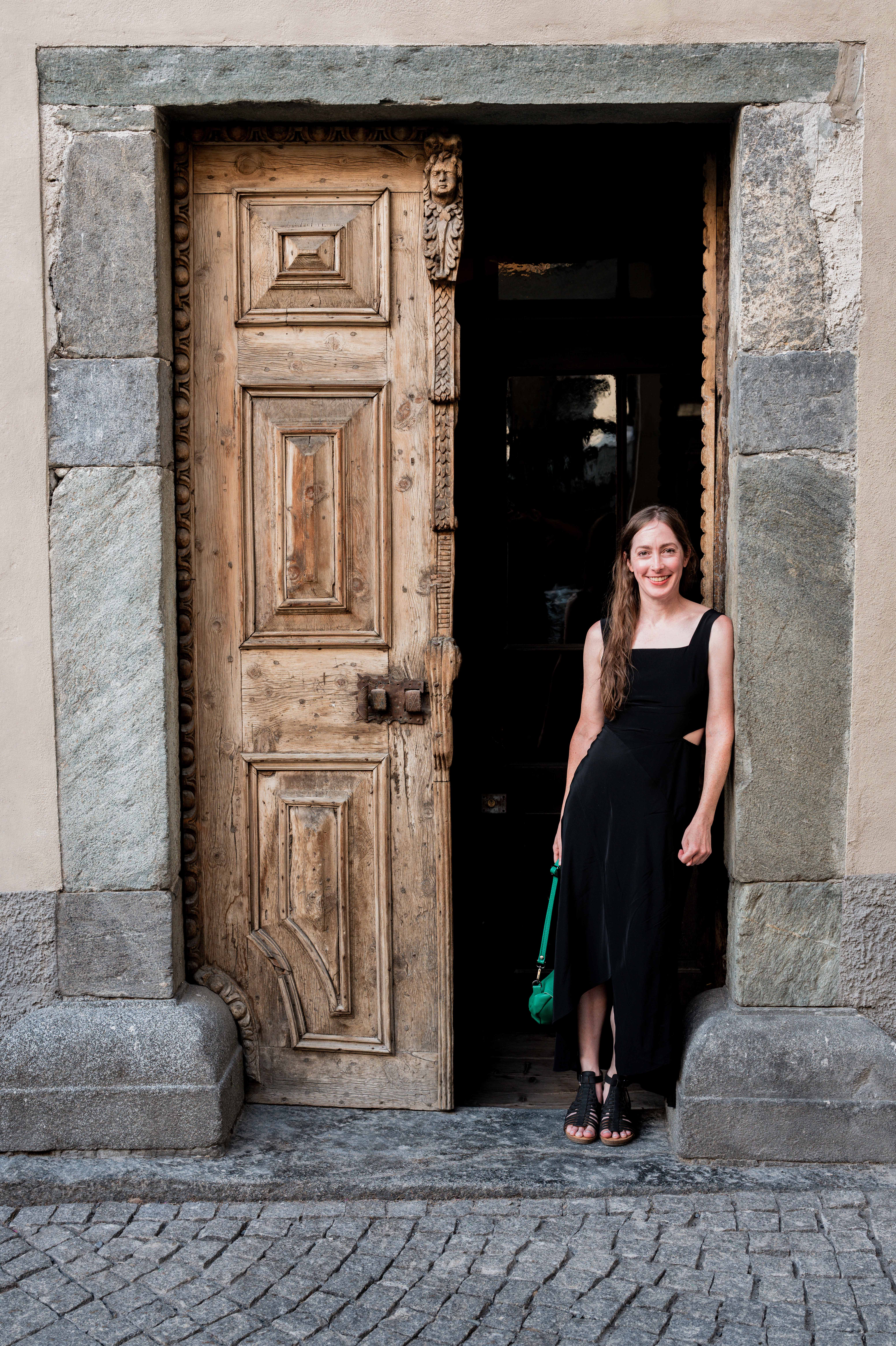
Thanks to a few encouraging chats with one of their amazing staff members, I ascertained that I would likely not be the slowest person on the trip, and that I would likely not be the only solo woman on the trip.
And while I might be demographically on the lower tail across multiple dimensions, I was likely to meet a bunch of bike nerds who really appreciate nice things. In other words, my people.
I settled on the company’s Italian Lakes and Great Climbs trip, which, unsurprisingly, does exactly what it says on the tin. It was everything I wanted in a bike trip, save for the car-sized boulders that fell on the Stelvio the night before I was to climb that iconic ascent the first time. Several of us, in fact, were committed to attempting the ‘Doppio Stelvio’, which entails climbing the Stelvio from both sides on the same day. But the falling boulders put a swift and safety-conscious end to that.
As a result, I didn’t learn whether the mountain or I would break first (prior to my trip to Italy, my hardest day on a bike had amounted to 100 miles and 7,200 feet of elevation, waaaay back in 2012). Nevertheless, reminiscing on the experience with the group at the final dinner, I declared I would be back, but not until my next special birthday, maybe when I was 45 or 50.
Less than six months later, I was proved a liar.
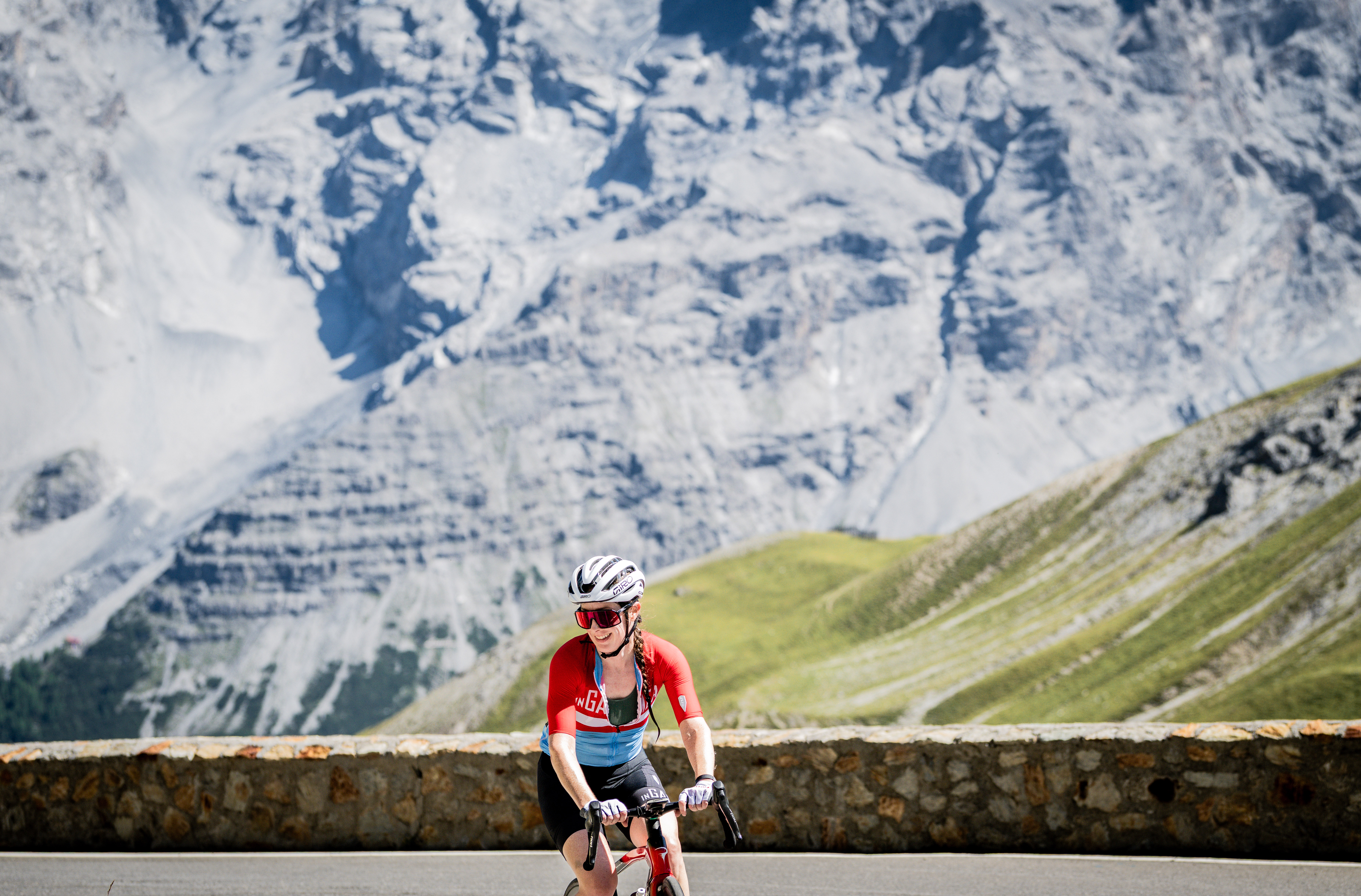
It turns out that without a drop of the shame I expected to feel upon showing up to another expensive cycling trip without the adequate fitness levels, it was all too easy for me to fall back into dabbler status. Especially as life had once again gotten complicated.
This time, I carried out a full Multi-Criteria Decision Analysis to select ‘The Dolomites and Stelvio Experience’ trip (scores on the doors – Ambience 30pts, Convenience 20pts, Legs Ripped Off 50pts, winning score: 86). Some additional points were also accrued by the chance to return to an unforgettable Bagni Vecchi hotel (home of Roman, Imperial, and modern natural thermal baths), the iconic Passo Gavia, and Lago di Cancano, not to mention having my rain check with the Stelvio. I would also increase my trip elevation by 7,300 ft, with no day looking particularly easy.
With the trip booked, I started preparing whilst dodging the disruptions afforded by a construction project, home sale, and a hasty move. The Stelvio besting me on an honest effort would be acceptable, but the spectre of being shamed by poor condition motivated a fair few turbo trainer sessions, preventing me from slipping back into my dilettante habits.
In any case, I boarded my flight with what seemed to be a healthy mix of anticipation and trepidation.
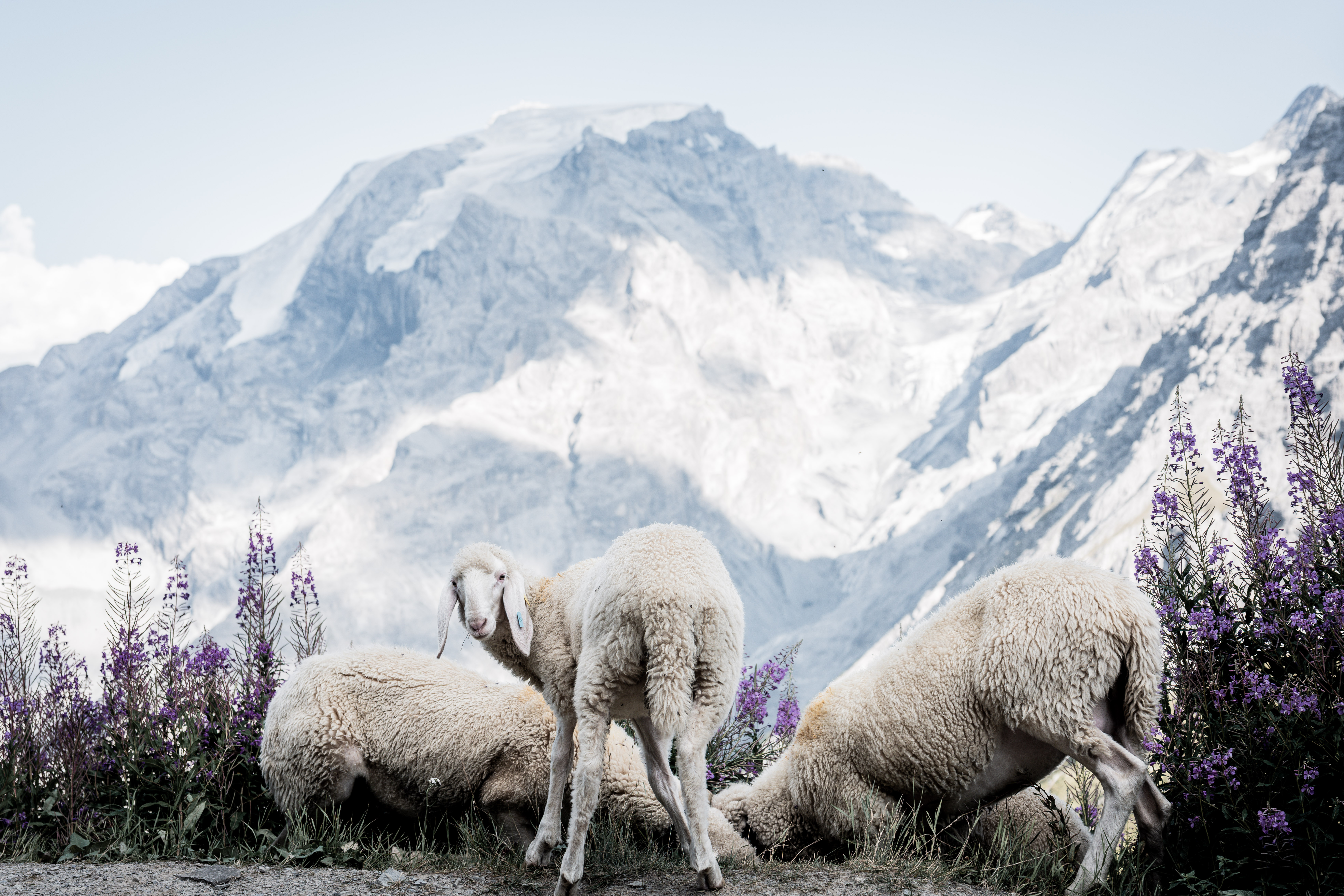
Day one’s gentle introduction – a back road, a crystal-clear stream, and the occasional need to dodge some charming cowbell-wearing sheep – was followed by a classic sufferfest on day two.
Miles of high-speed bike path descents were interspersed with long and very hot and steep gravel climbing. I soon developed a profound appreciation for the existence of at least one deep fountain in every Dolomiti town centre.
Back at the hotel, I sat with my legs up, sipping the recovery drink provided by the soigneurs for a solid 15 minutes before wobbling my way back to my room for a shower, followed by lunch and a much needed and rather uncomfortable massage. The pros are not like you and me.
Thankfully, by the time I was flowing down a perfectly paved, banked descent the following morning, the previous day’s pain had evaporated. Not that it was easy, mind you. Every few turns our local guide and hotel proprietor would check over his shoulder, see that I was still grinning on his wheel, and then ramp up the pace.
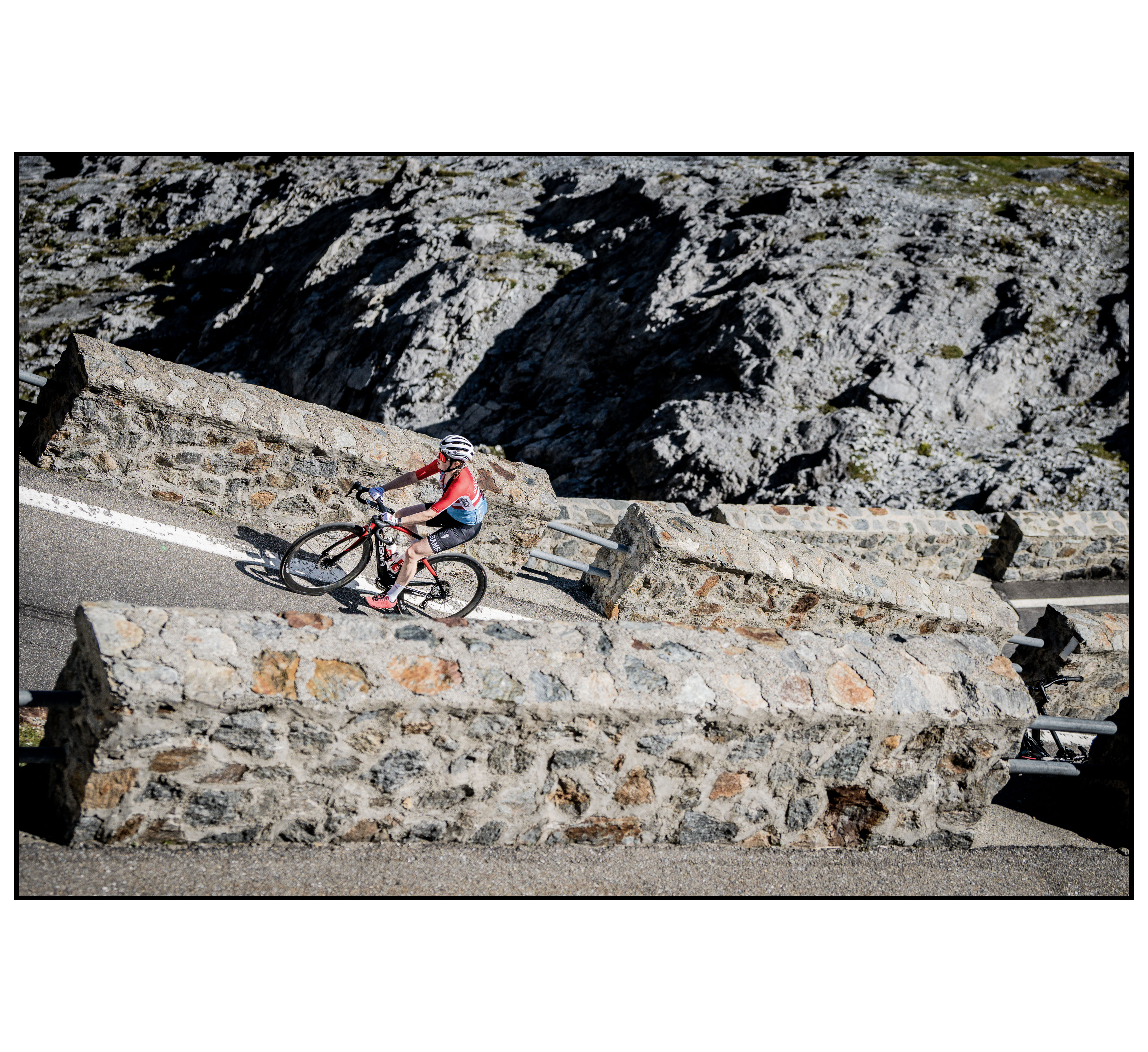
We then whizzed through apple orchards and along the valley floor before settling into our tempo back up the opening climb. It was here that I learned that I am not, in fact, better off by keeping an eye on my computer’s climb map to chart progress, because a long climb in the Dolomites is much, much longer than the three-to-five-mile testers I’m used to at home. Scenery helps.
Day four saw my rematch with the Passio Gavia (lacking the snow of ’88 Giro fame). Last time, I was pedalling squares up the 20km-odd monster, reciting a mantra of ‘you are not stopping’ for the last 3km. This time, however, my new ‘low-cadence grind’ technique paid off.
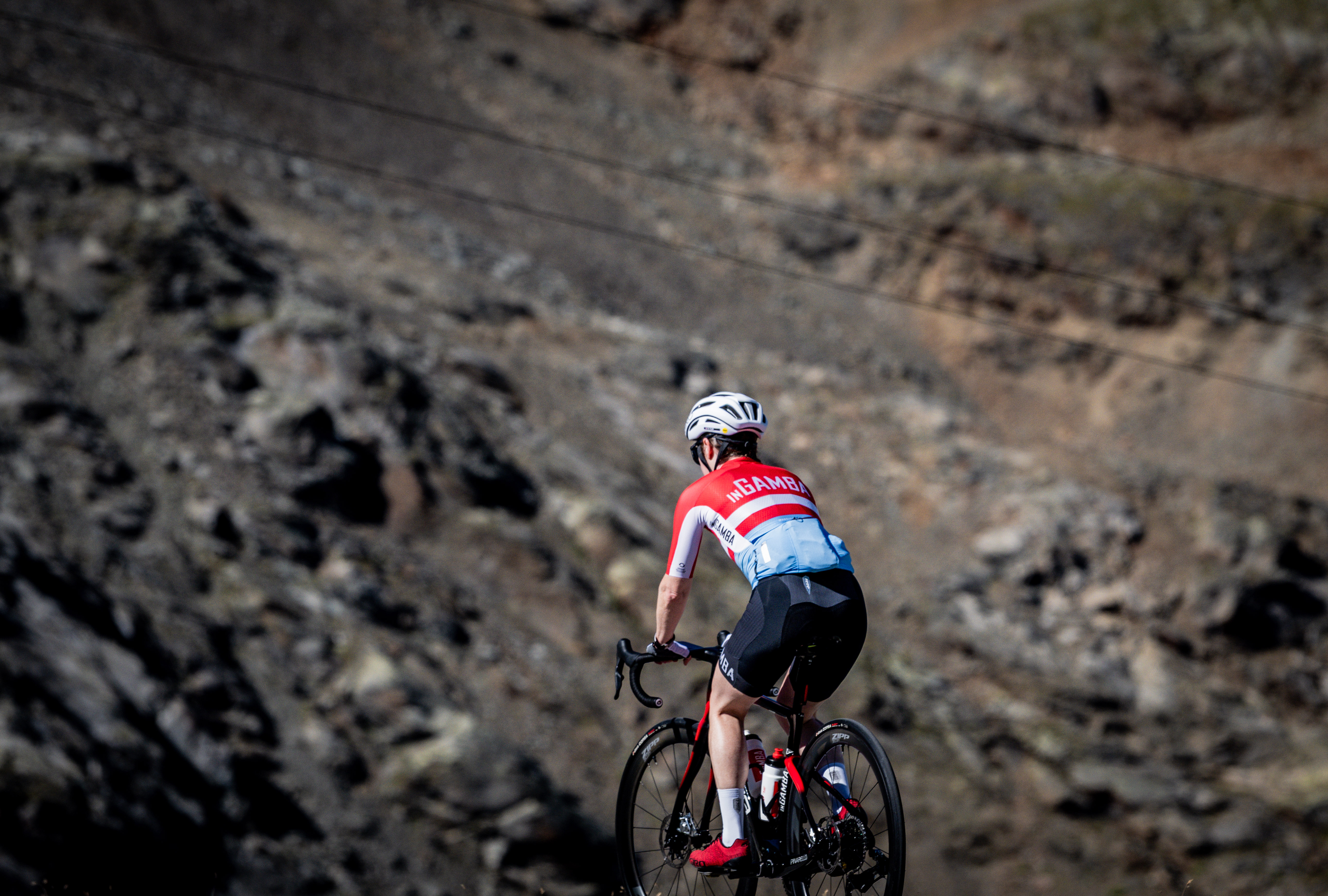
Little matter that my ascent was actually slower than the previous year, I still had the energy to walk up to the peak to take in the views and statues, which I reckoned served as a good omen for the Stelvio.
Even better, I PR’ed the Gavia descent thanks to some masterful line selection by inGamba guide Giorgio, who had intuitively determined what I was capable of a long, Italian downhill (which turned out to be very close to what Cedrine Kerbaol is capable of, go me!). 10/10, would highly recommend to those of you with brains capable of regularly reducing future and past and higher-order consciousness to a collection of vectors and contact patches and ‘wheeeeee’.
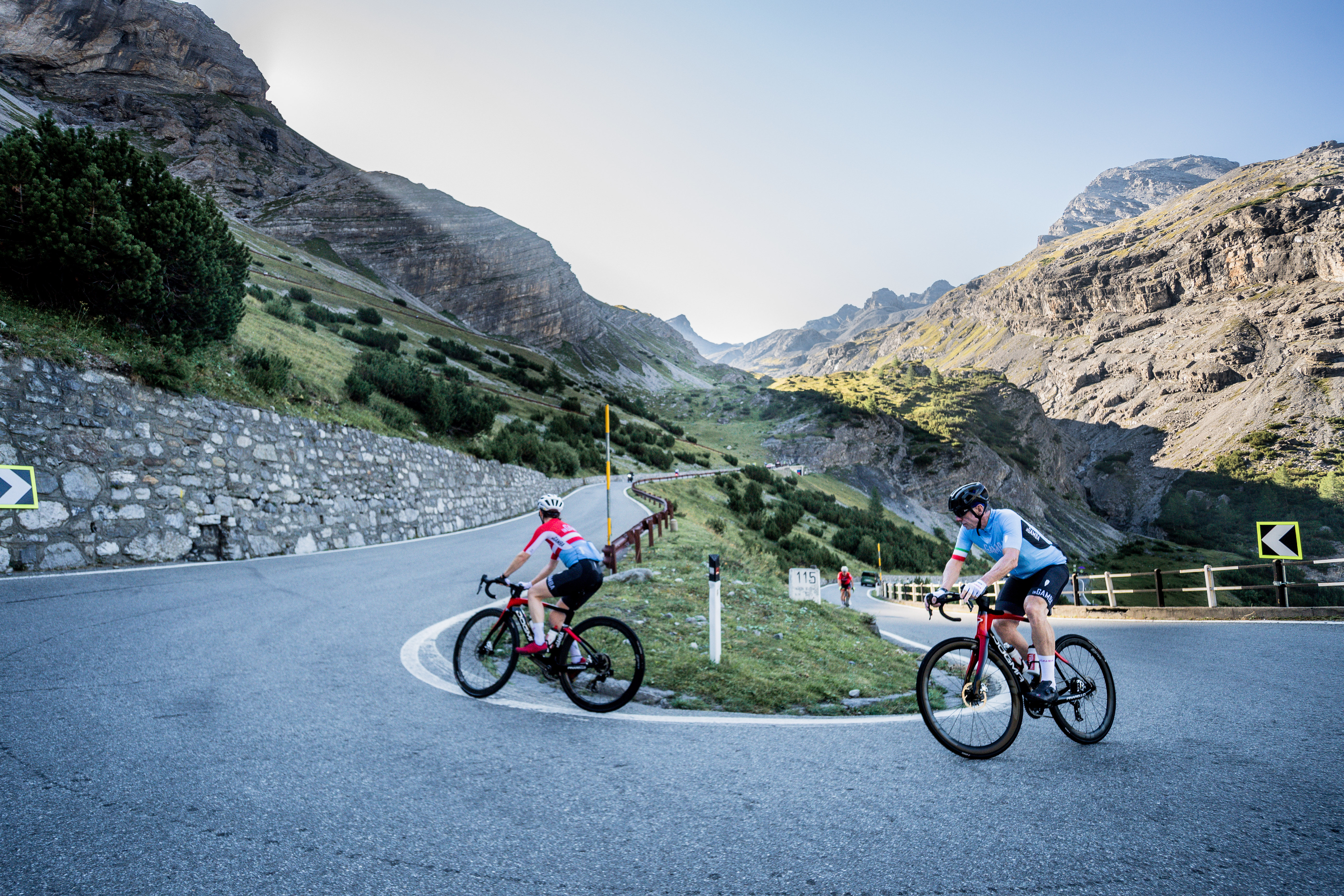
On day five, it was back to Lago di Cancano, where I eschewed the glory ride I’d embarked upon last time (have to drop those fast guys sometime), with a more relaxed undertaking of the 17 switchbacks of the Torri di Fraele, this time soaking in the multi-lingual encouragement delivered by other cyclists and drivers.
My Strava time was ballooning, but it allowed me to fully enjoy the pristine beauty of Lago di Cancano, whose deep turquoise is almost electric. And my increased lucidity made bombing down the switchbacks much more fun as I experimented with guide Sancho’s very stylish knee-out posture.
After all, the next day was what it was all about, the true test of my willingness to keep pedalling despite the constant availability of a cushy, air-conditioned, and well-provisioned inGamba van. The Stelvio, from both sides.
A fellow guest and I set out at a high endurance pace and chatted our way up the Bormio-side ascent of one of cycling’s most famous tests. A good start. Replenished at the top by a strudel and a mini Coke, I set off with the whole group to descend the first turns towards Prato – those dizzying set of hairpins beloved by photographers – before our small ‘Doppio Stelvio’ party continued on.
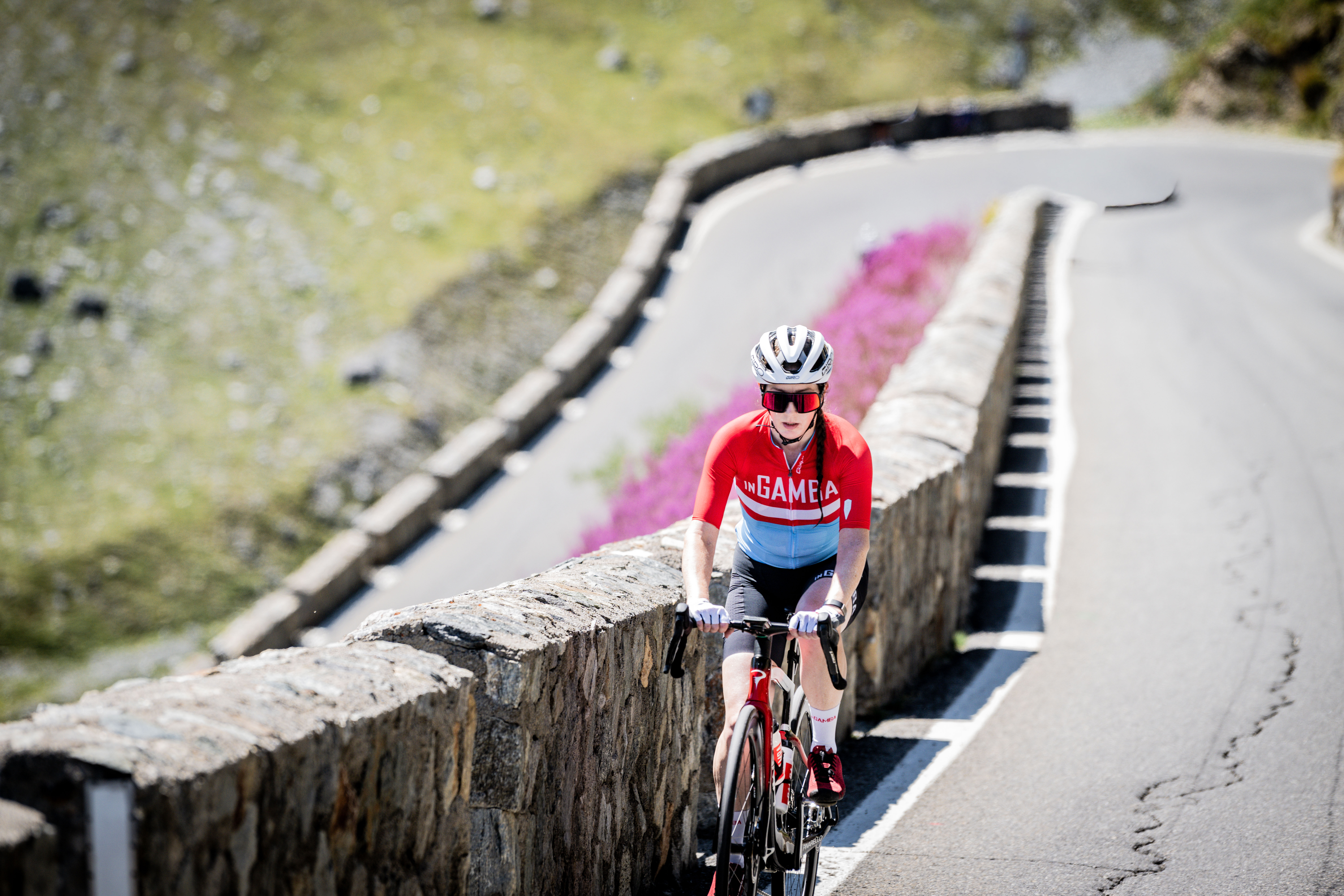
The sinuous descent was enjoyable despite the constant traffic, with Sancho once again leading the way. It probably would have been wiser to not burn my matches to stay on his wheel, but I can’t really regret anything that leads to a QOM.
Thankfully the soigneurs and mechanics were ever-present to provide cold water, mini panini, rice cakes, pasta bars, gel blocks, sunscreen, chamois cream, saddle adjustments, my gear bag, and a wide variety of verbal and gestural encouragement. Three times I passed one poor cyclist laden with four bottles, overstuffed pockets, and a creaky bottom bracket, something that only made me appreciate the full-service support model of inGamba even more.
Just as the Gavia descent saw me enter a flow state, the second Stelvio ascent ushered me into a ‘pain-euphoria-determination fugue’ state, in which the only thing that mattered was the number on the Tornanti signs which signalled the number of the 48 switchbacks remaining.
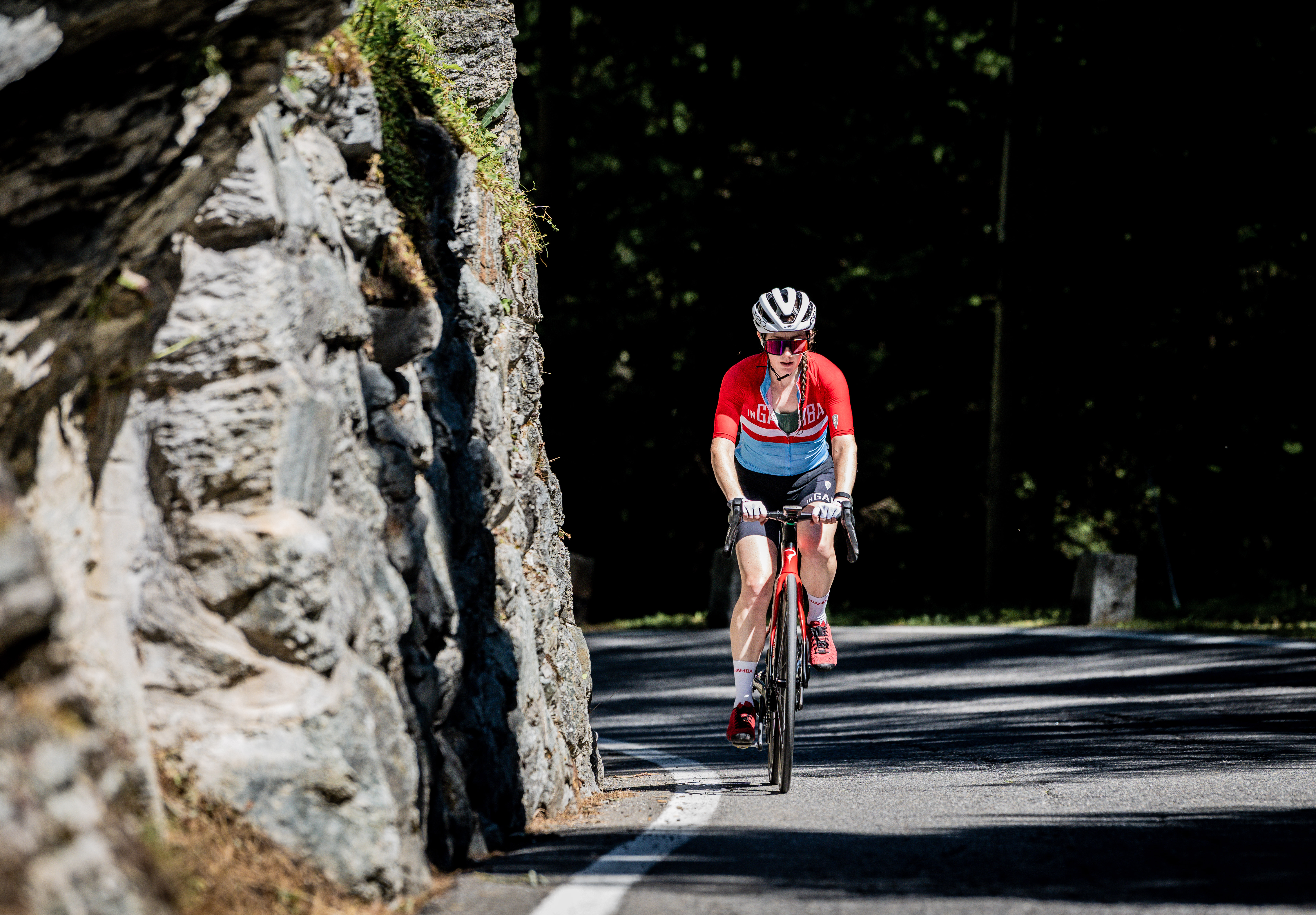
It was only when I saw 10 to go that I realised that, while ‘Doppio Stelvio’ was indeed going to rip my legs off, I was not going to end up getting in the van. A few minutes later, the tears started flowing. I’d done it.
It turns out, I realised as the tears finally began to dry, that I find these kinds of leg-burning, lung-bursting, high-altitude challenges deeply satisfying. I’ll continue to structure my life around seeking out these opportunities and experiencing them fully. Heck, maybe next time, I’ll even succeed in failing.
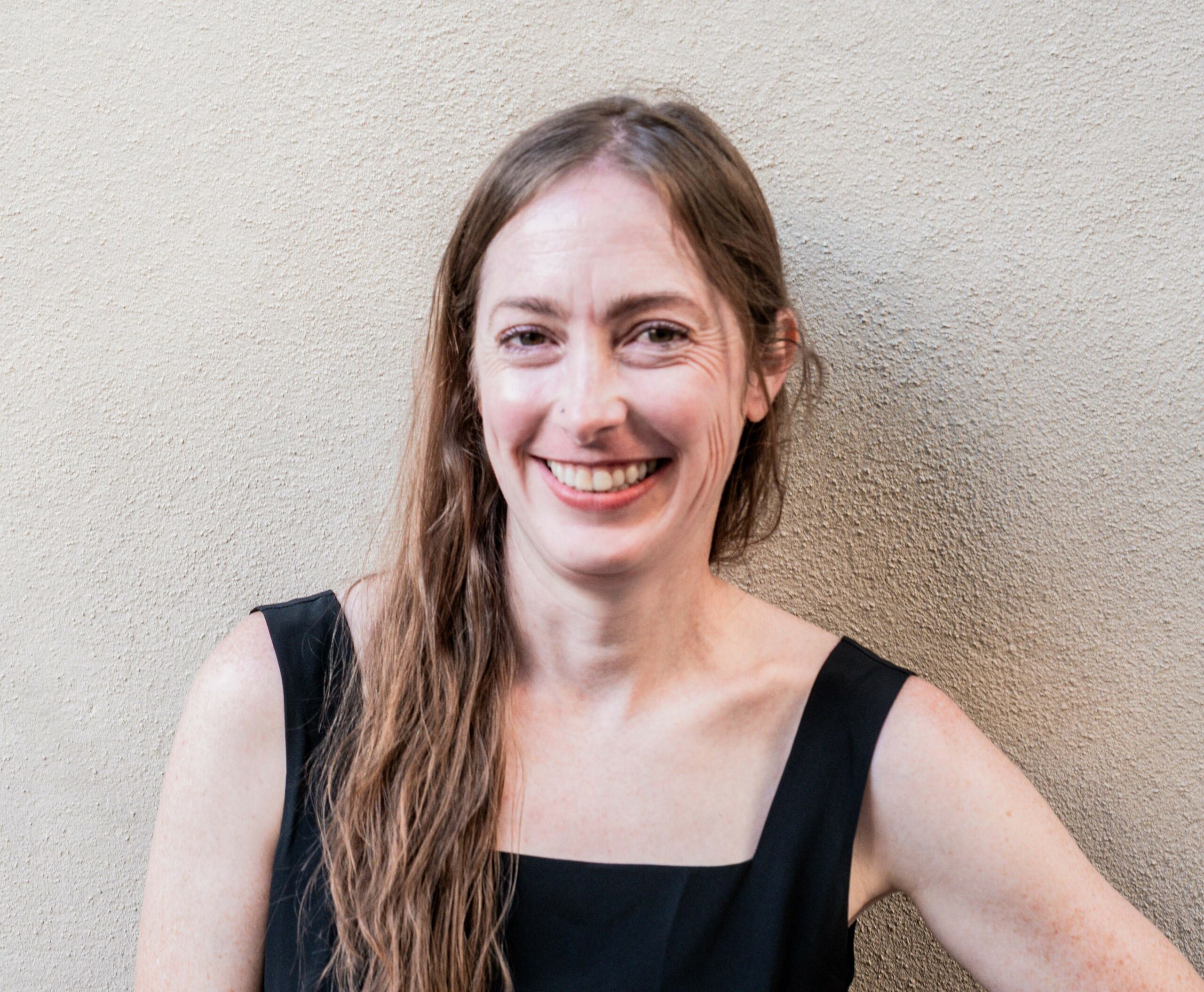
Madeleine Flint is a former academic/road racer turned all-surface puncheur/data scientist. If you spot her on her home roads in the San Francisco Bay Area you should ask her whether she has finally signed up for the Cats Hill Criterium or the inGamba trip to Mont Ventoux.