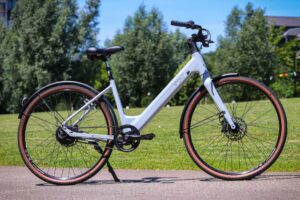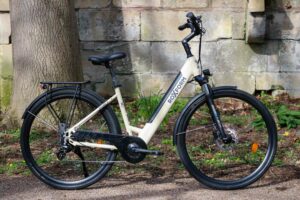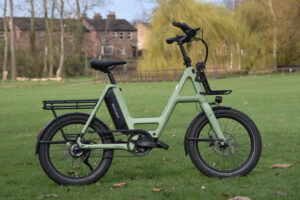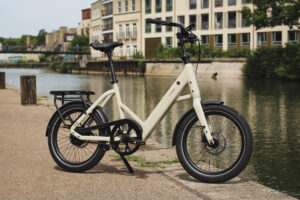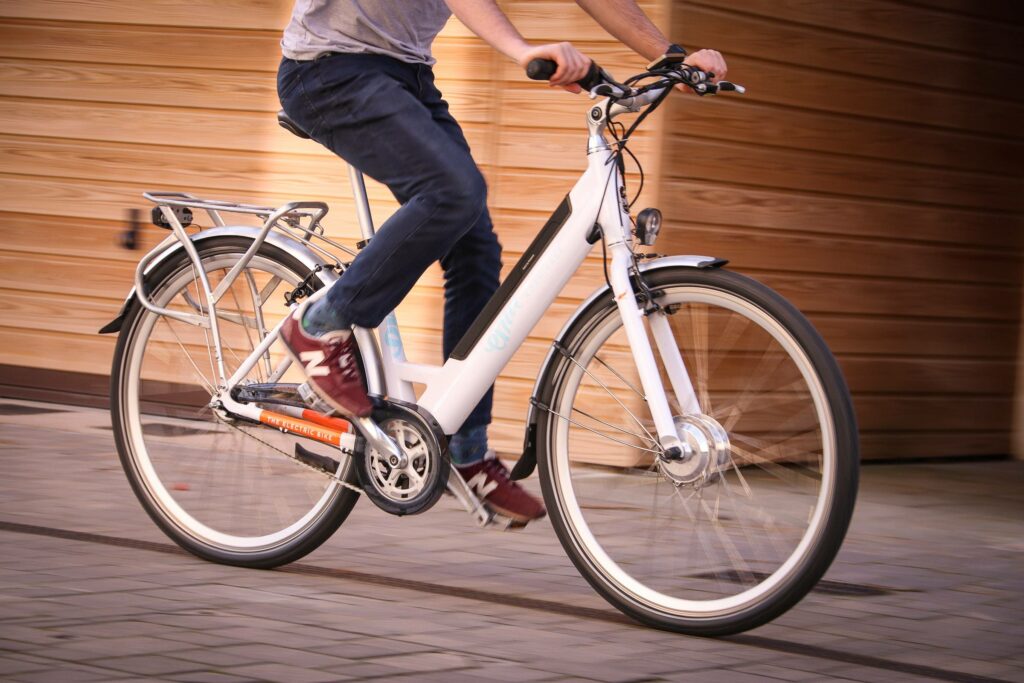
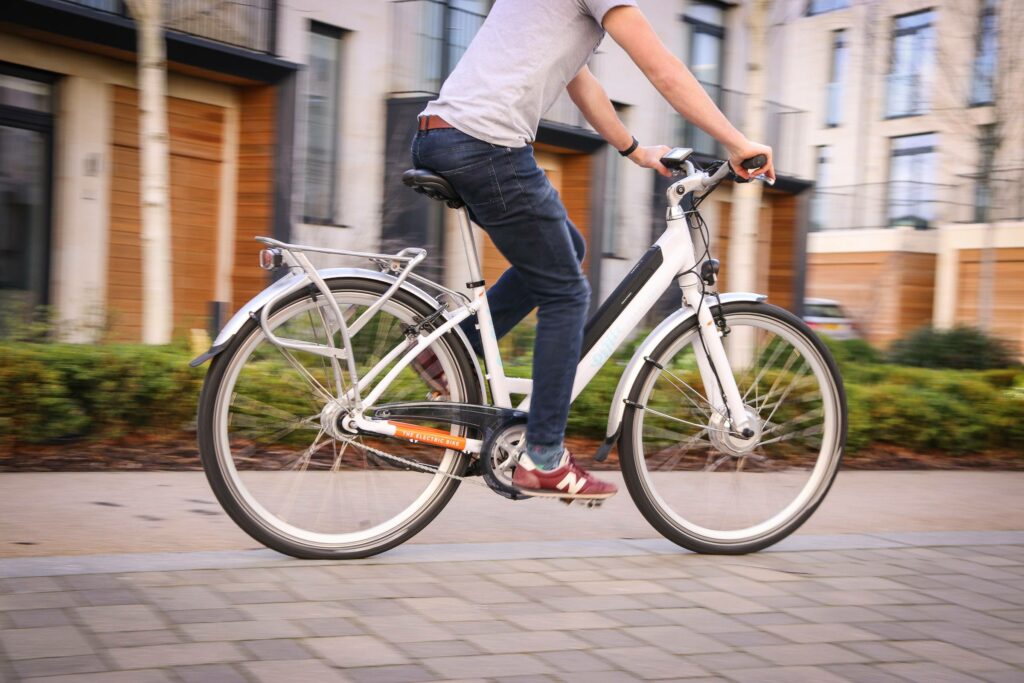
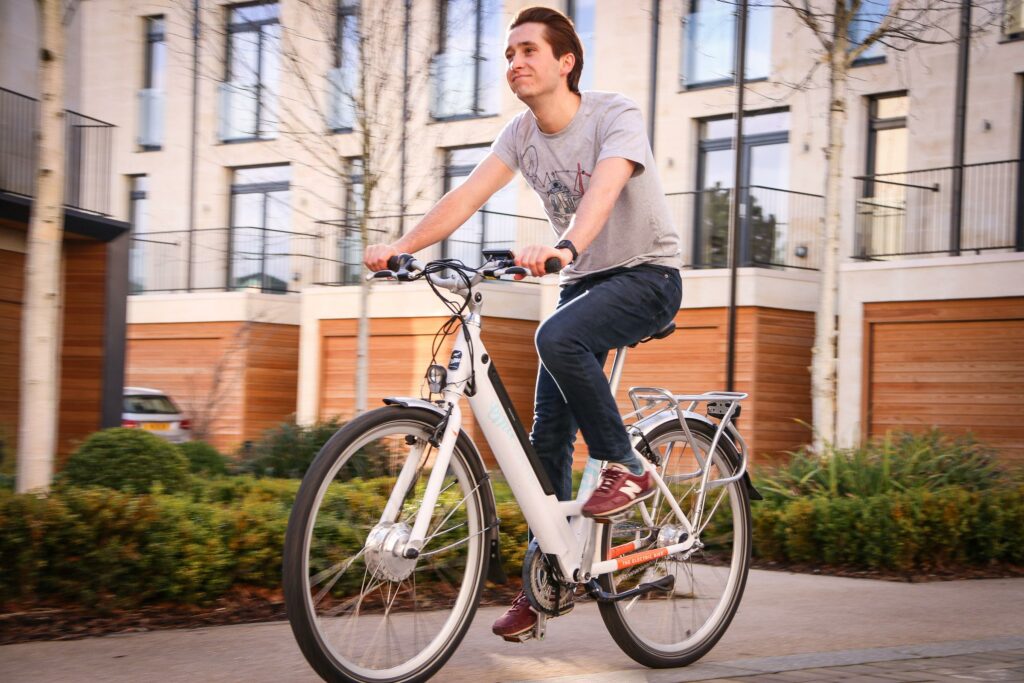

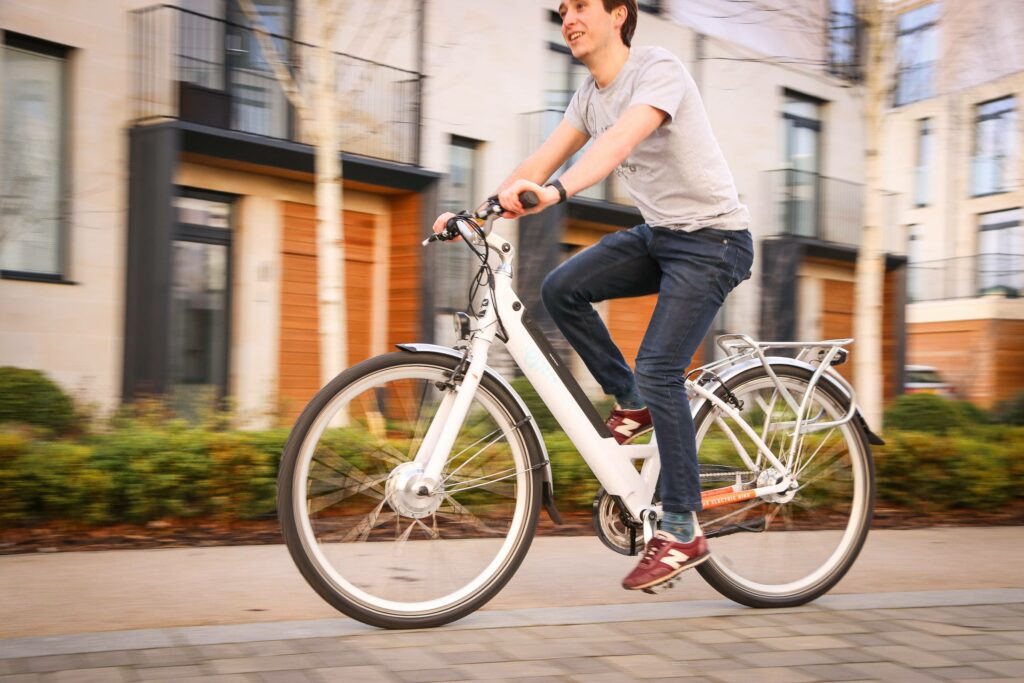
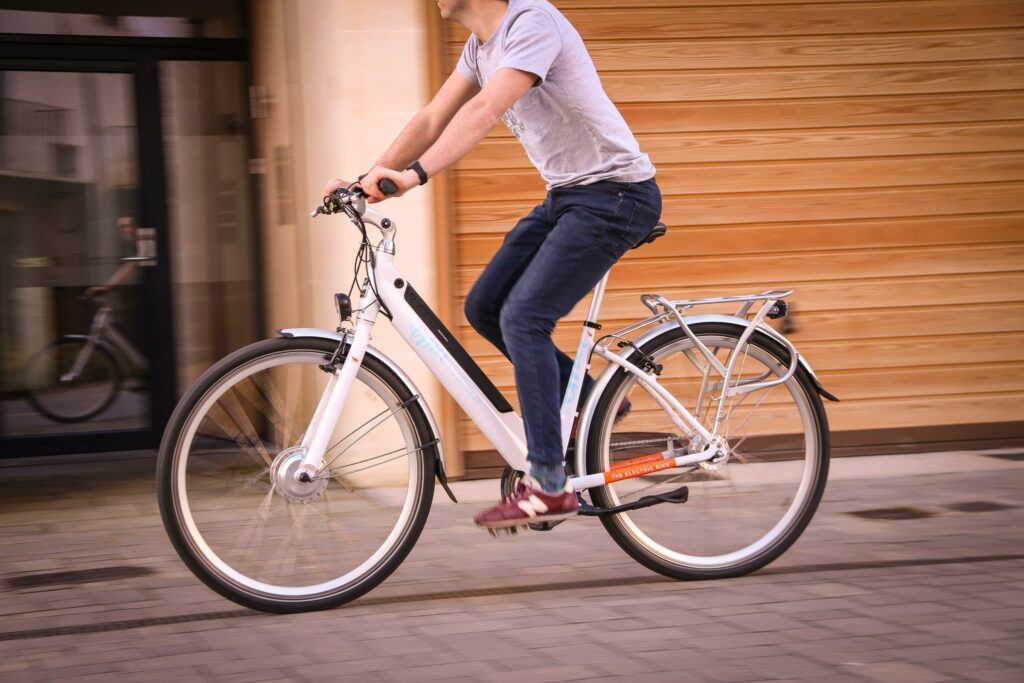
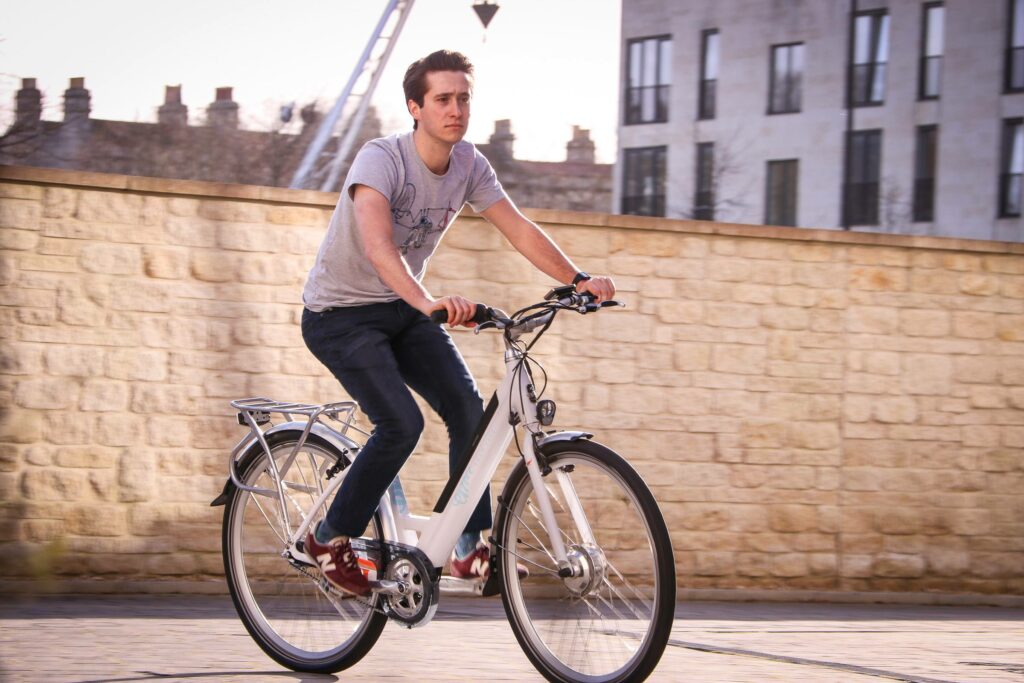
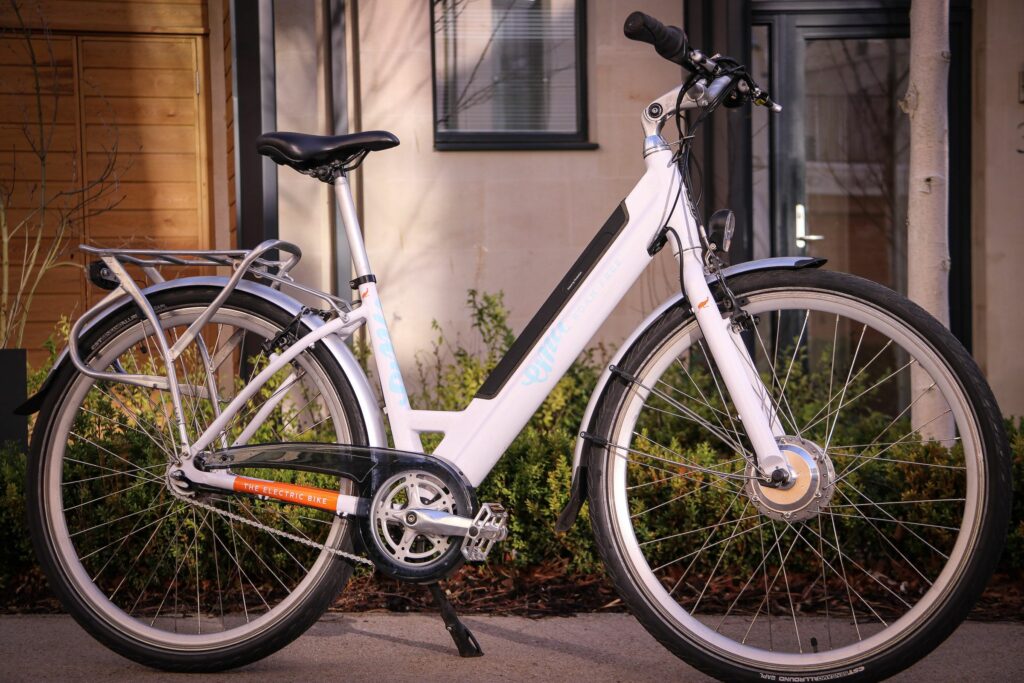
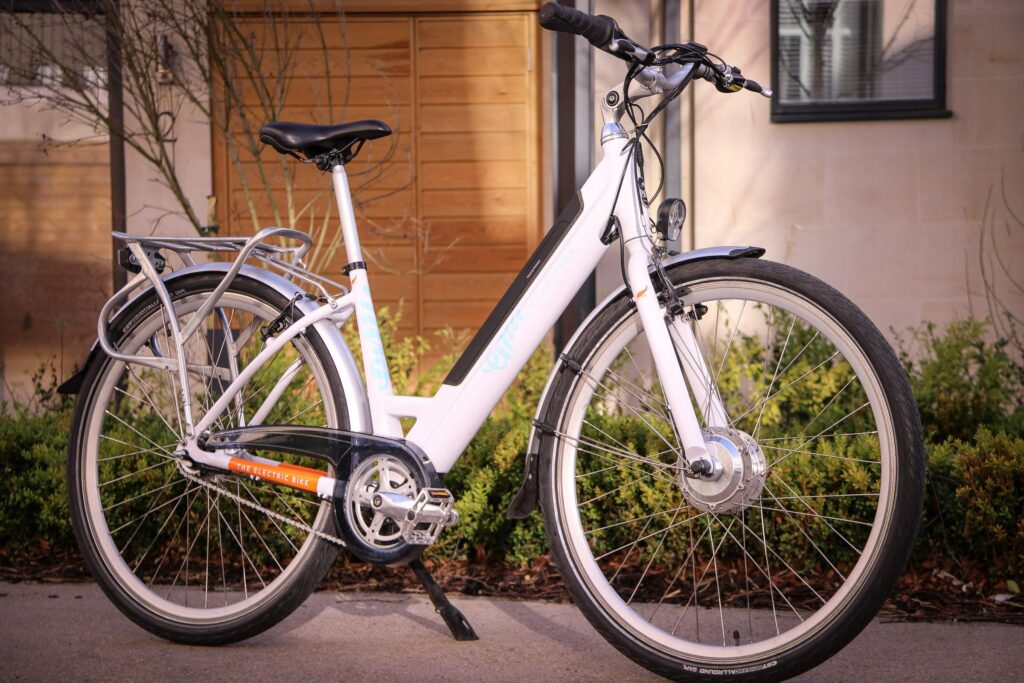

We’ve had the chance to test not one but two Emu bikes, both the step through version and the crossbar version with the new LCD display. They put in a pretty good performance all round: if you’re looking for something to take the effort out of your daily riding and you live somewhere that’s reasonably flat then it’s a good bike to cruise around on; the motor’s not really powerful enough to be comfortable on the steep stuff and the bike’s overgeared for climbing. The new battery management system and LCD display is a huge improvement over the old one, and the option of fitting larger-capacity batteries is welcome.
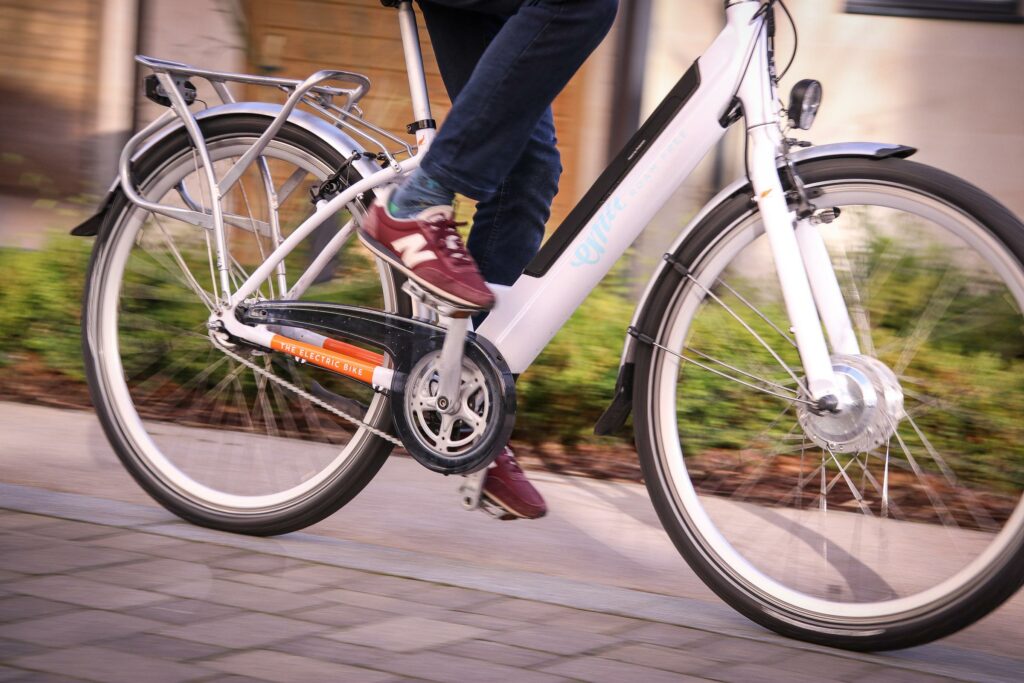
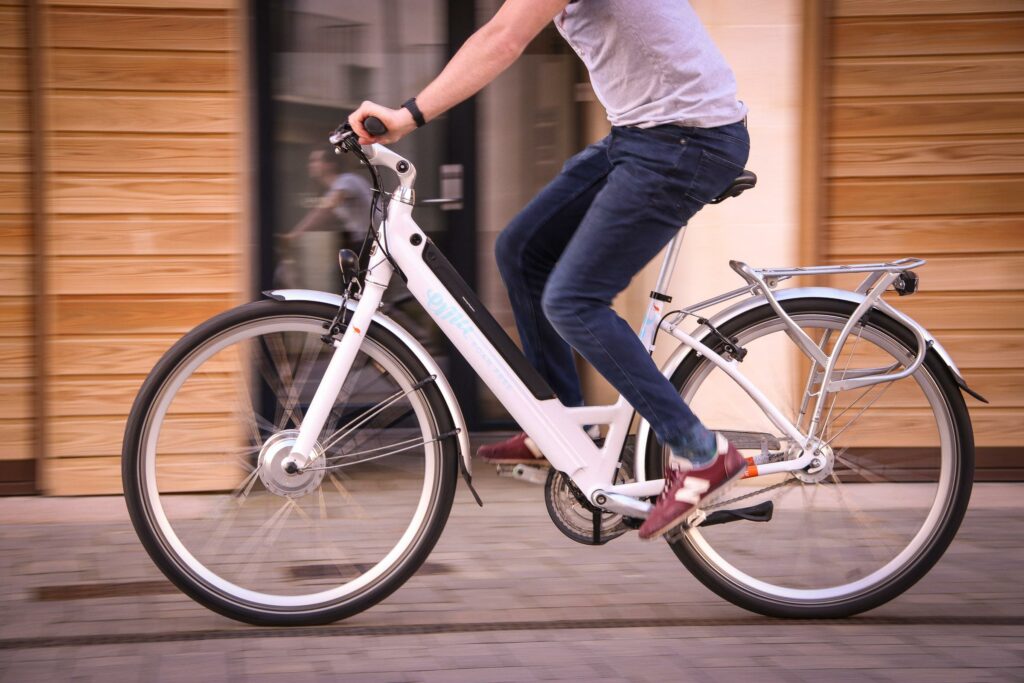
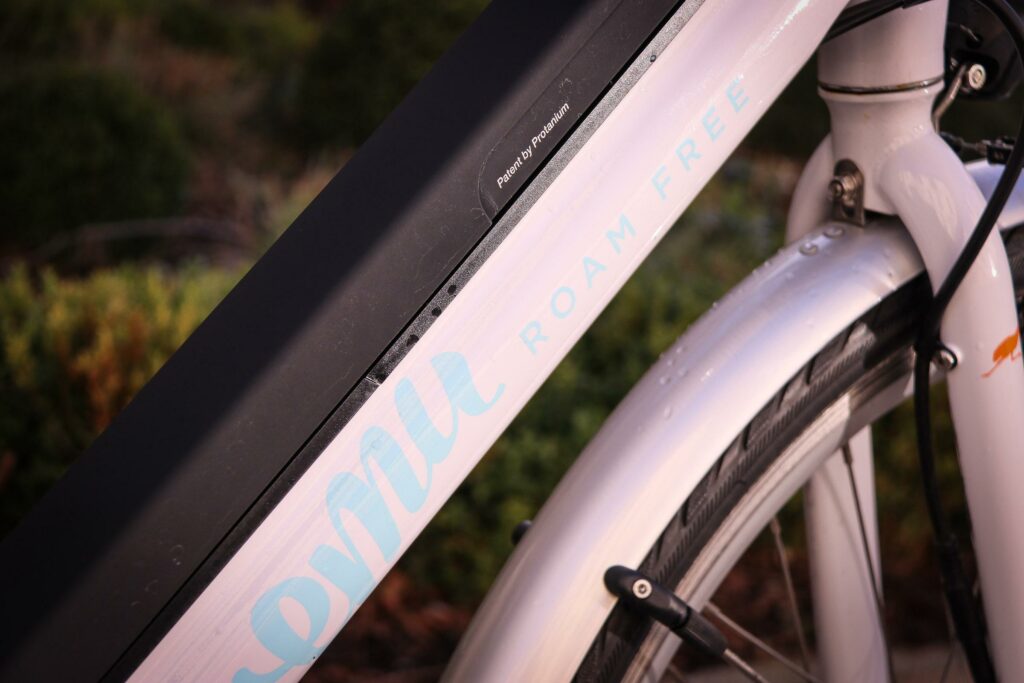
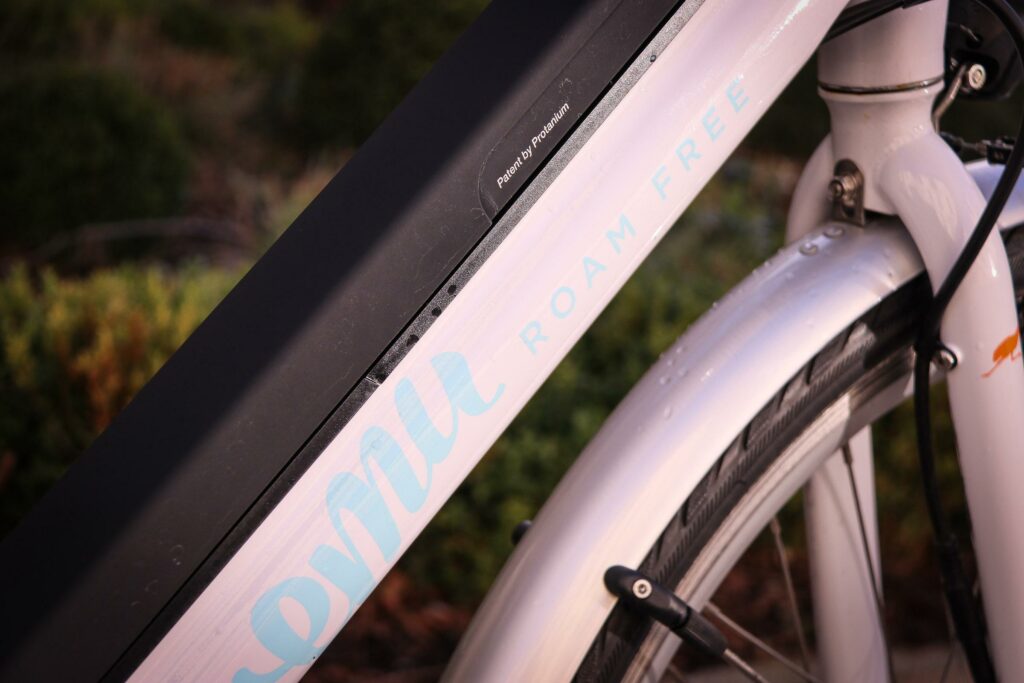
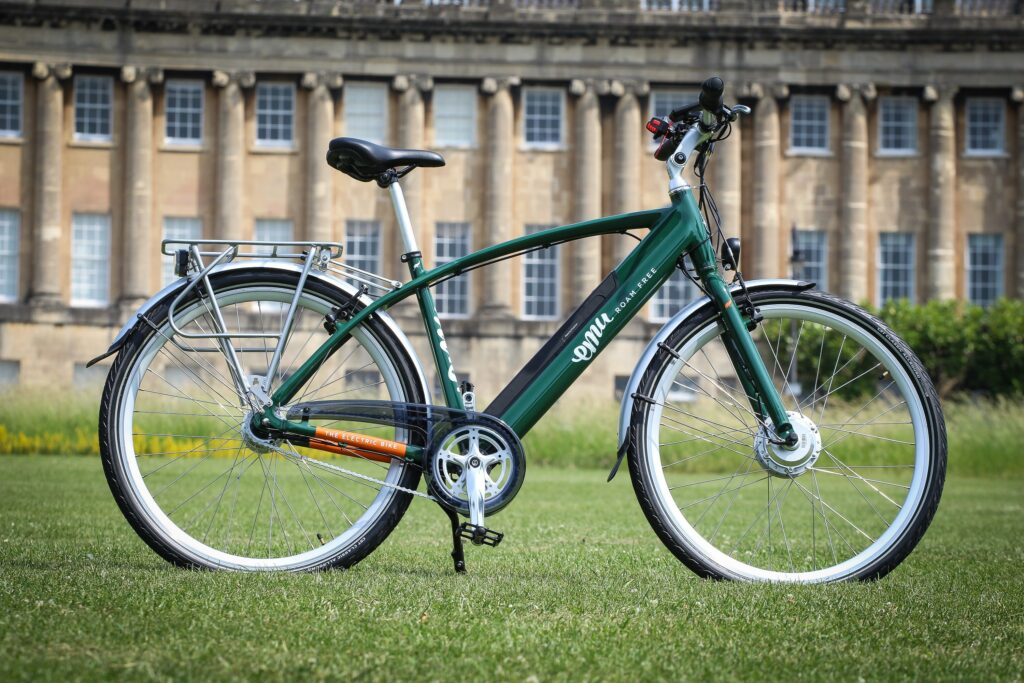
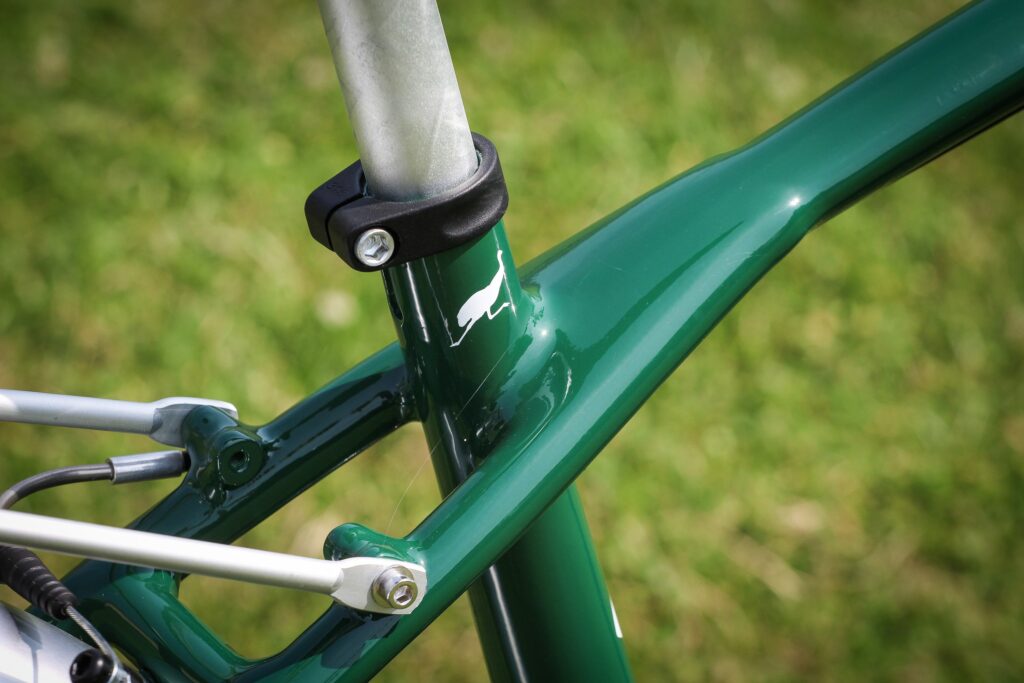
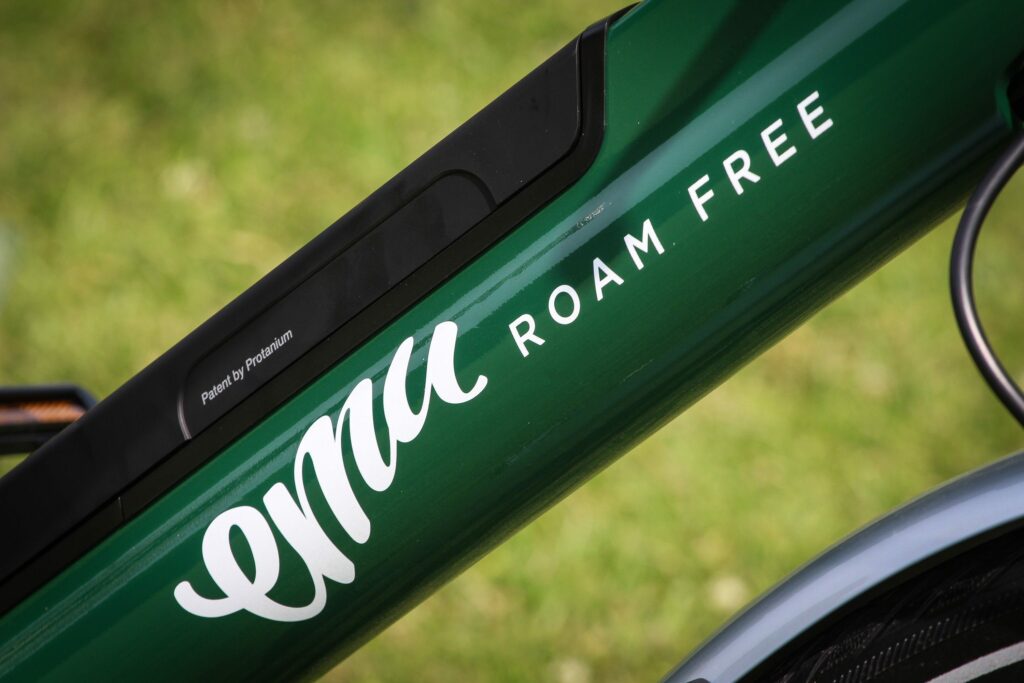
Emu basically make two models, a diamond-frame (the Crossbar), and a step-through with a single large down tube and a low-step design for ease of getting on and off. That big down tube is designed to hold the battery. Our first test bike came with a 374Wh battery, and that unit is still available, but there are two bigger options now. You can spec a 418Wh battery, and there’s a 490Wh battery available which Emu claim will extend the range to over 100km. Prices go up as capacity does: it’s £999 for the smallest battery, £1,099 for the middle one and £1,199 for the biggest one. It’s only biggest in terms of capacity; all the batteries are the same physical size.
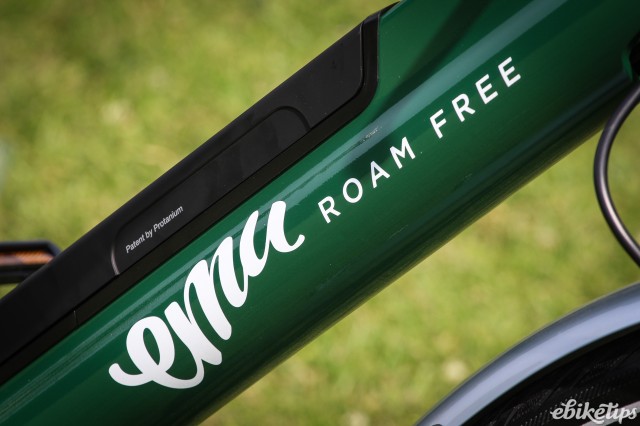
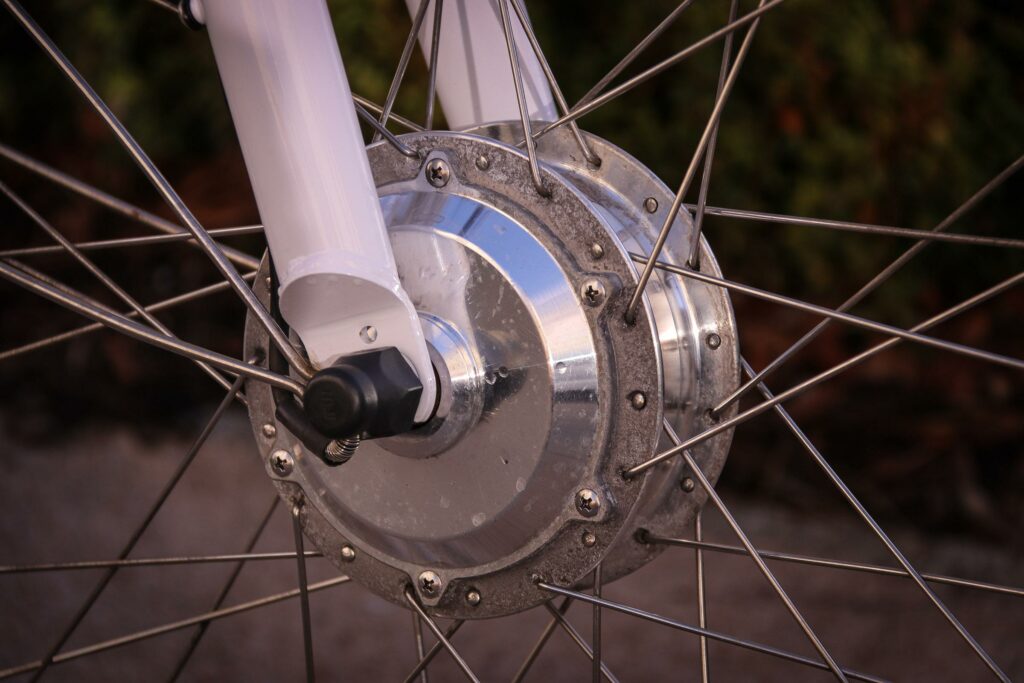
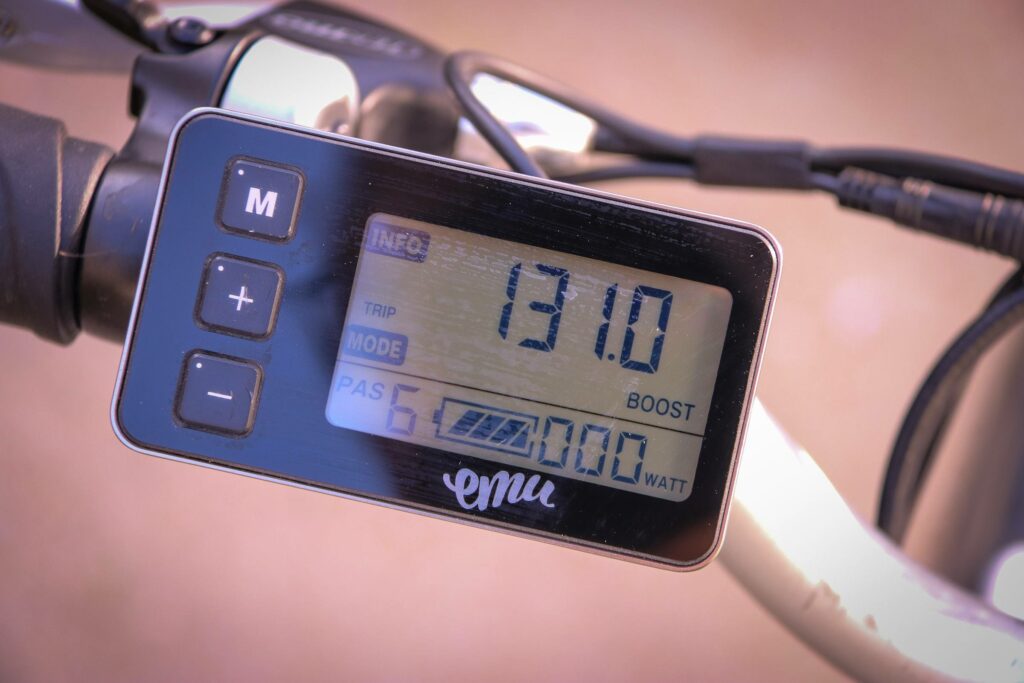
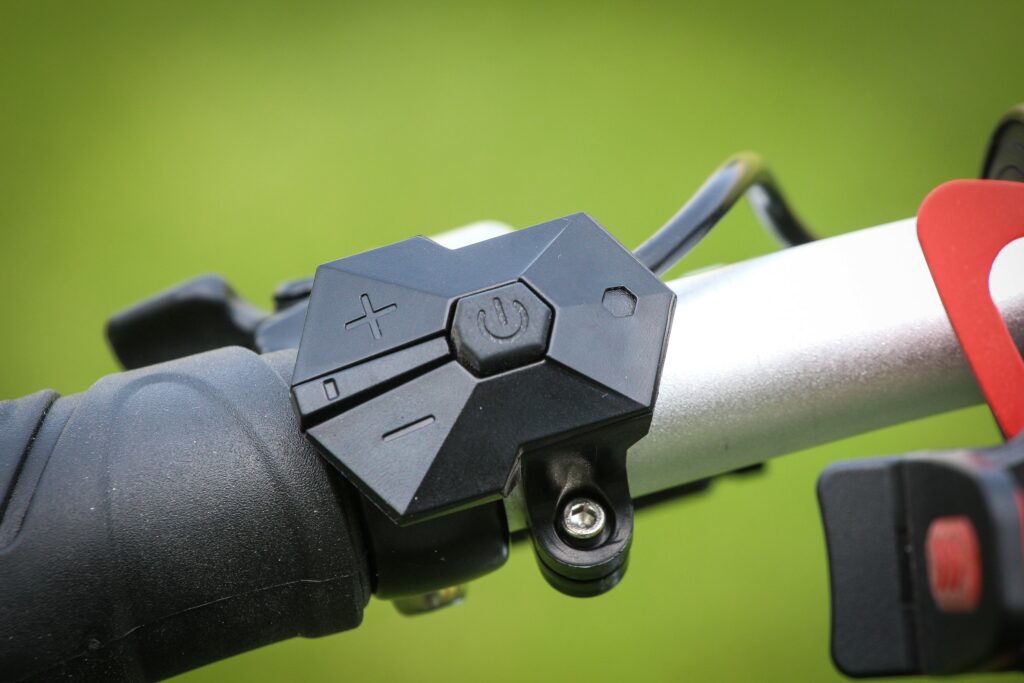
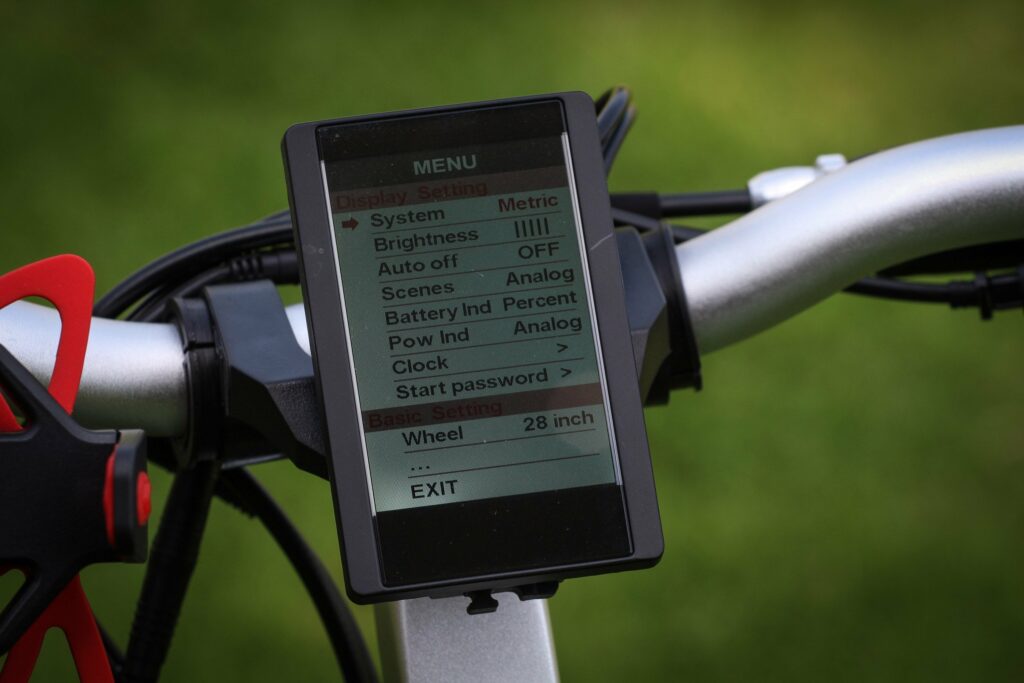
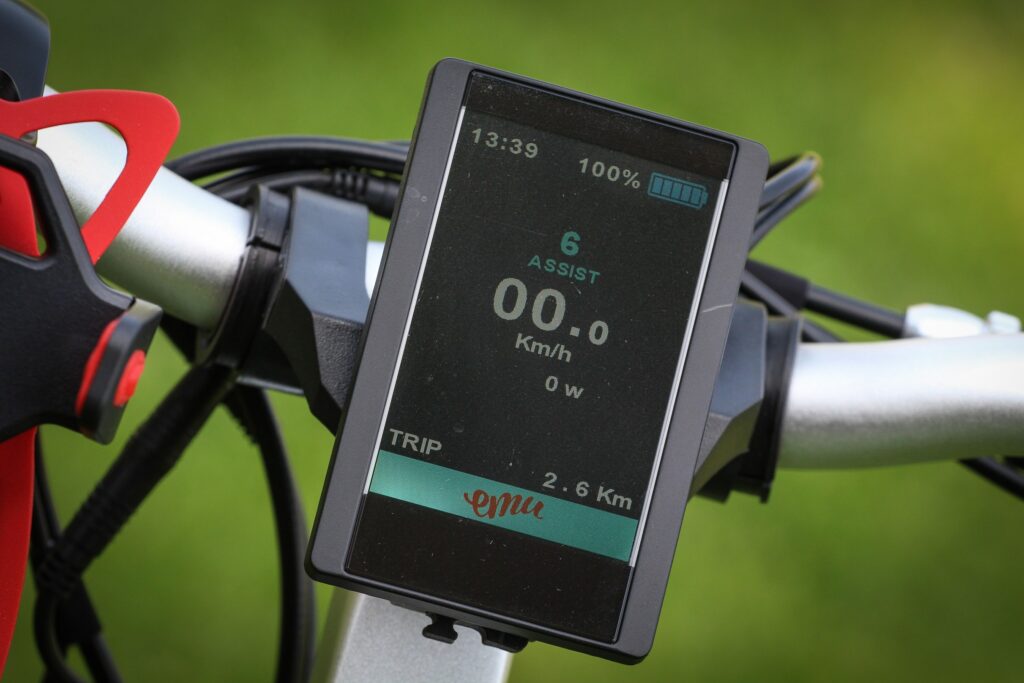
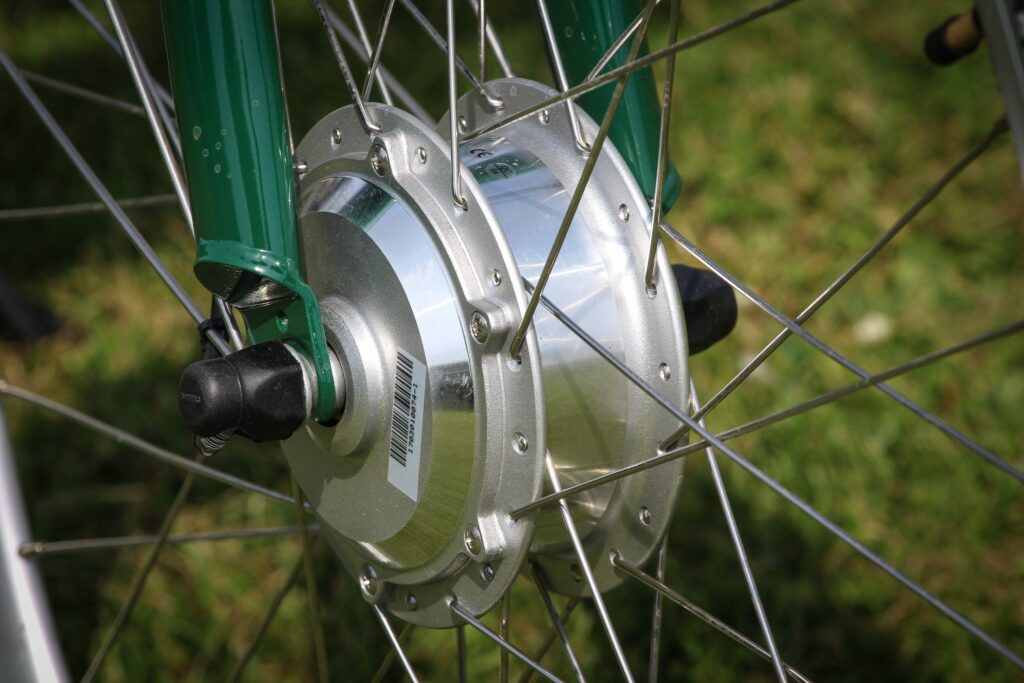
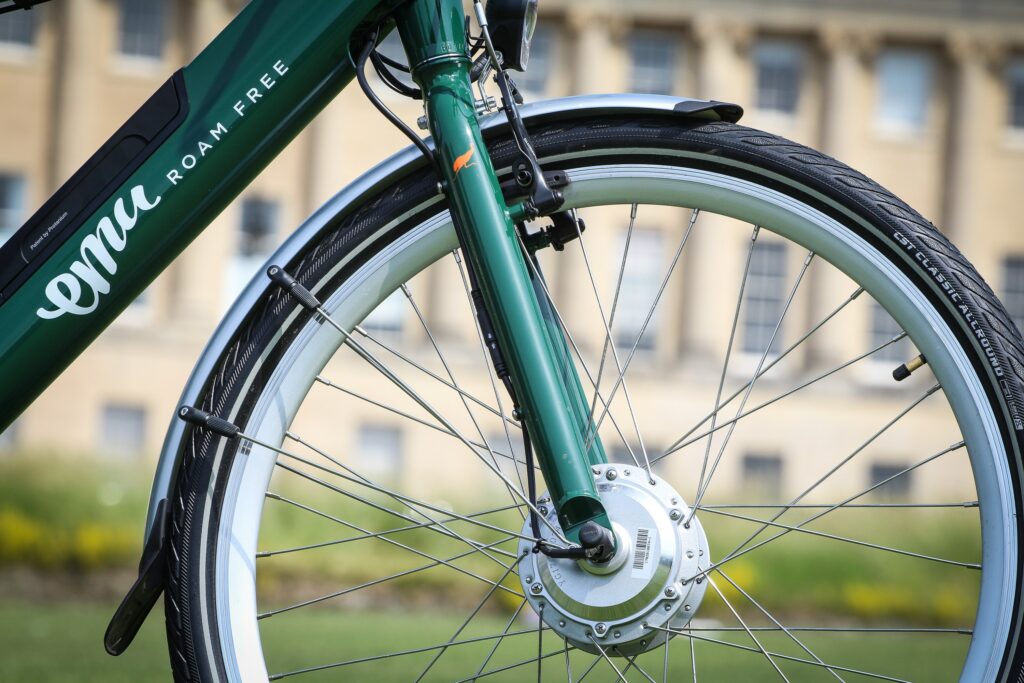
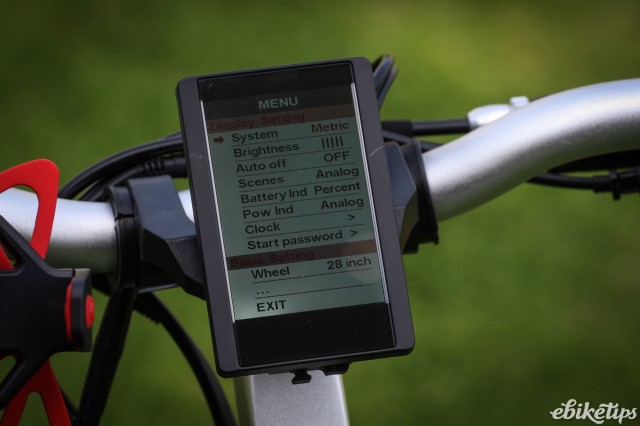
It’s a pretty neat integration and the battery is easy to pull in and out for charging, or you can charge it in situ if you prefer. The battery powers a fairly standard 250W front hub motor and you get a bar-mounted LCD display to tell you what’s going on. That’s been updated too: now all Emu bikes come with a colour LCD console and a remote switch which gives you access to the six levels of assistance, as well as giving you normal computer functions such as speed, distance and so on.
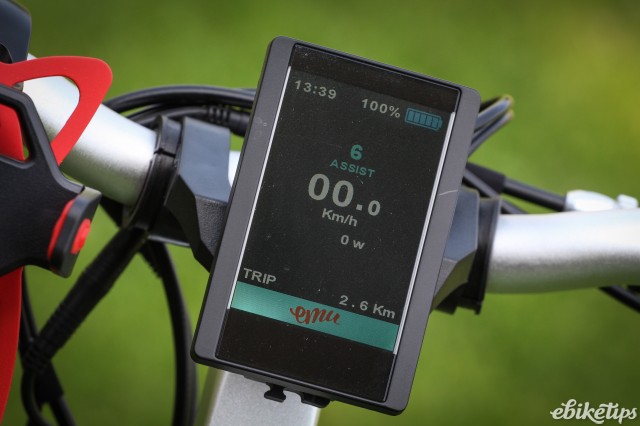
The LCD shows you your speed on a big dial and also the amount of work the motor is doing. You can also turn the lights on and off from the console, and there’s a backlight for riding in the dark. It also gets a USB port for charging your phone on your way in to work, if you forgot to plug it in overnight. If you lock your bike up outside you can choose to password protect it so the motor won’t work unless you unlock the display, which is a nice feature. There’s a walk assist function to help you move the 23kg bike around when you’re not riding it.
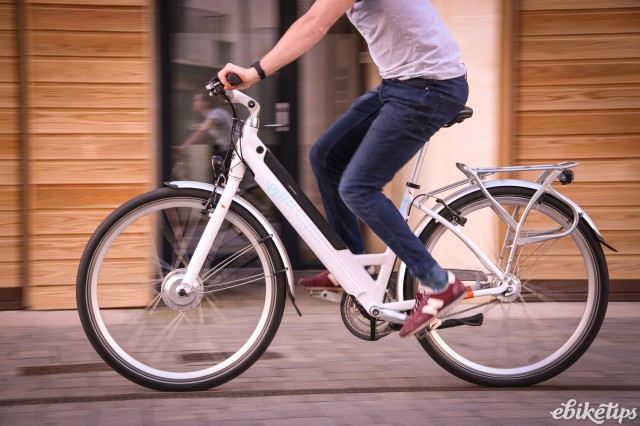
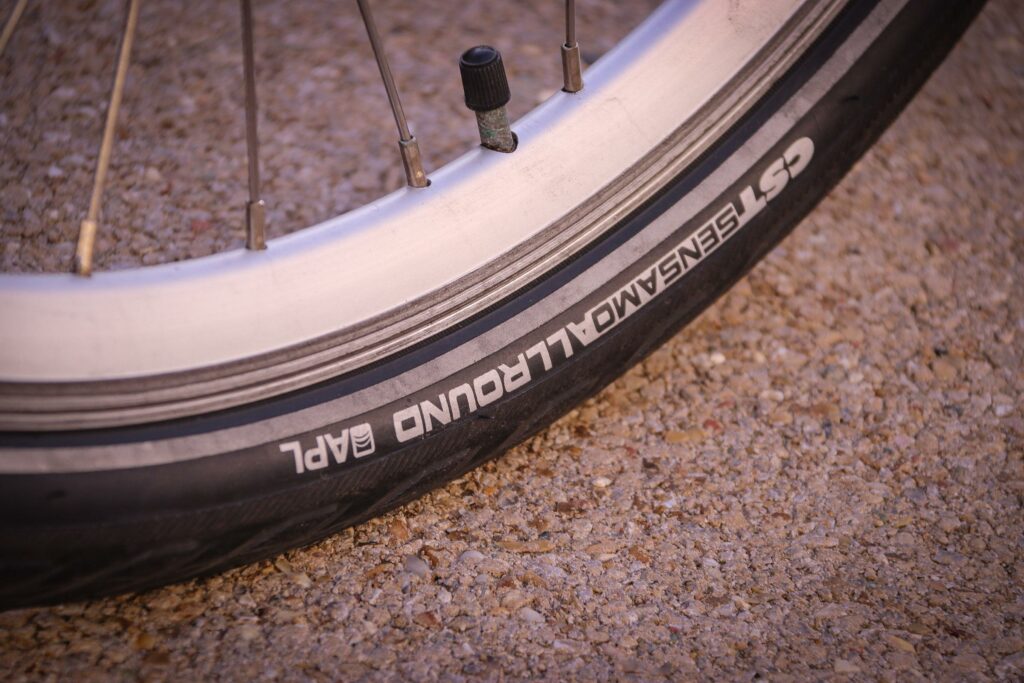
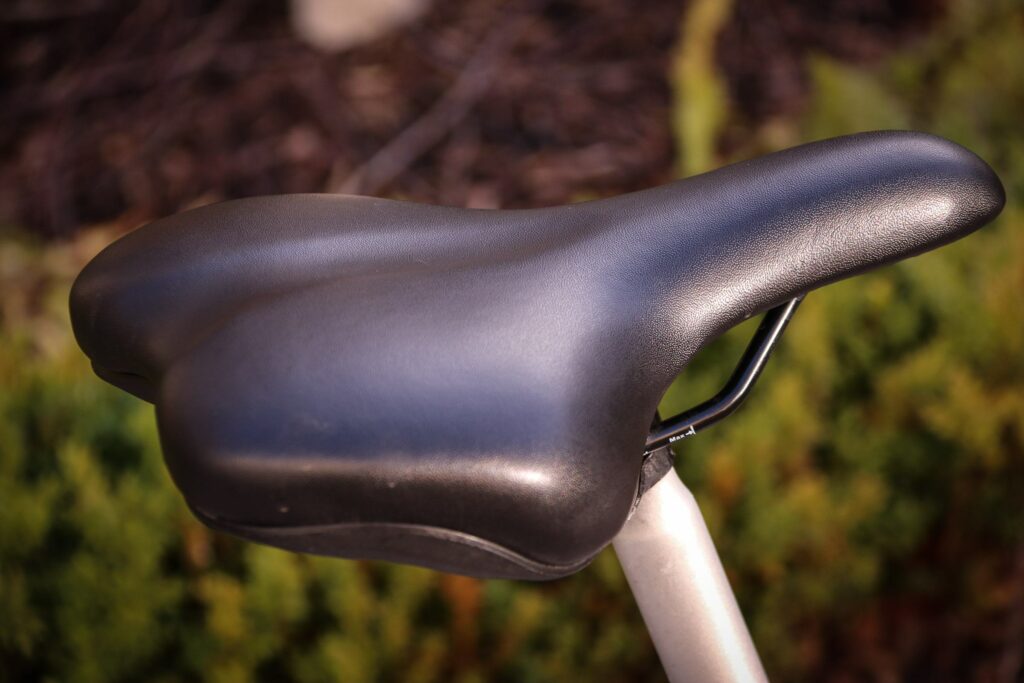
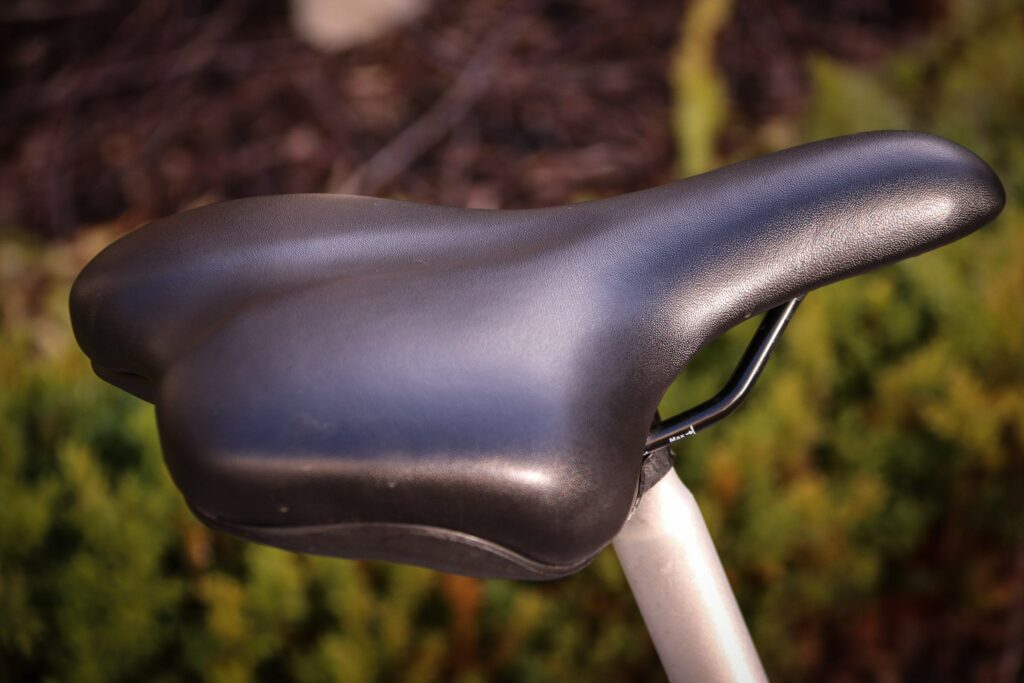
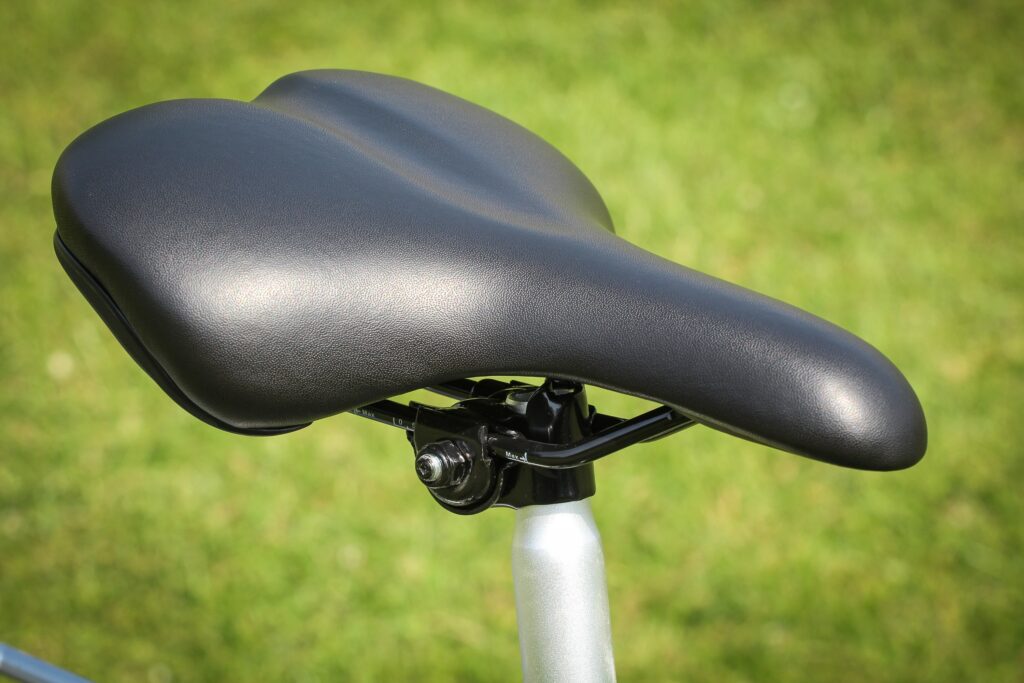
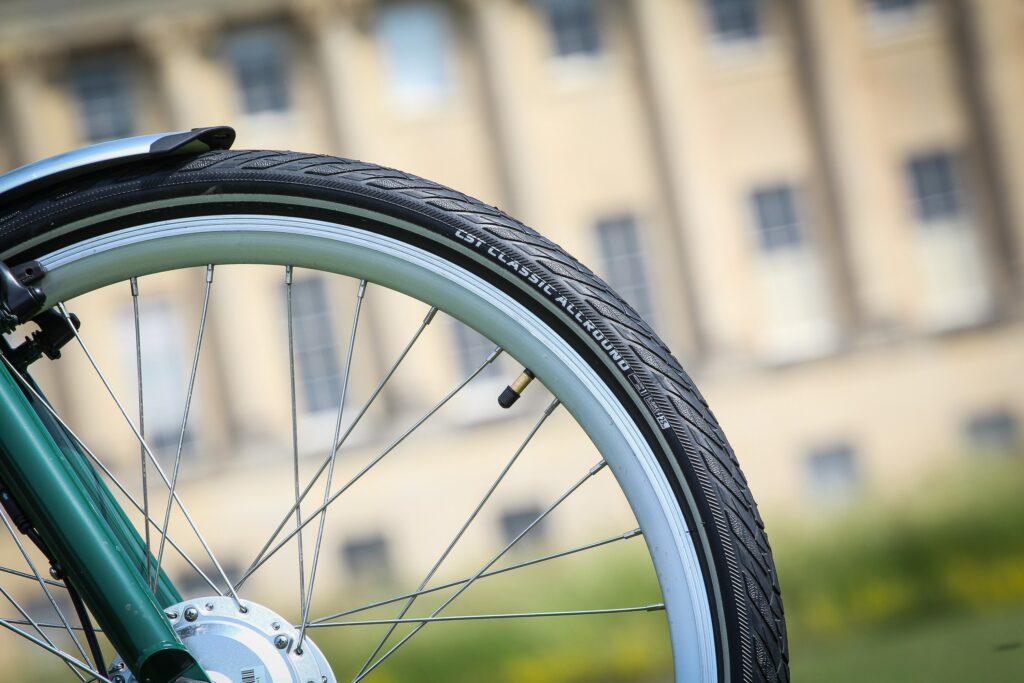
The riding position of the Emu is pretty upright: it’s a short-hop kind of a bike, and the wide saddle takes most of your bodyweight. Emu haven’t specced a suspension fork, which is good as you don’t really need one and they tend to be pretty flexy with a front hub motor. The 45mm CST tyres are on hand to soak up the lumps and bumps.
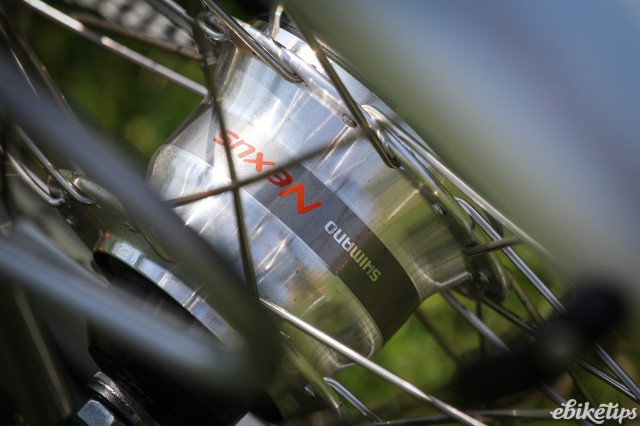
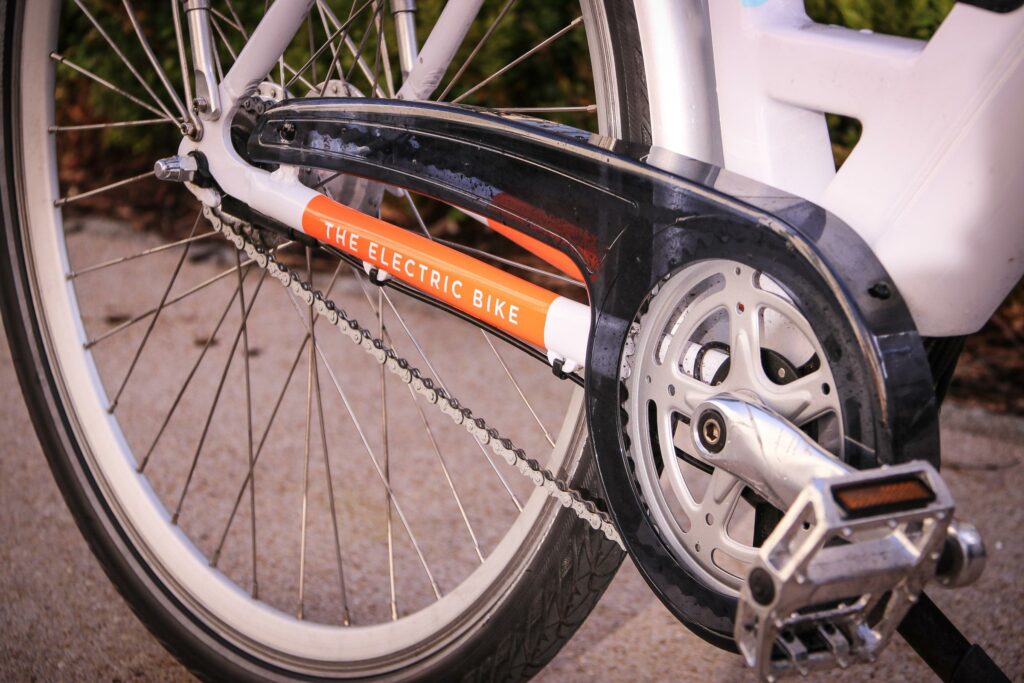
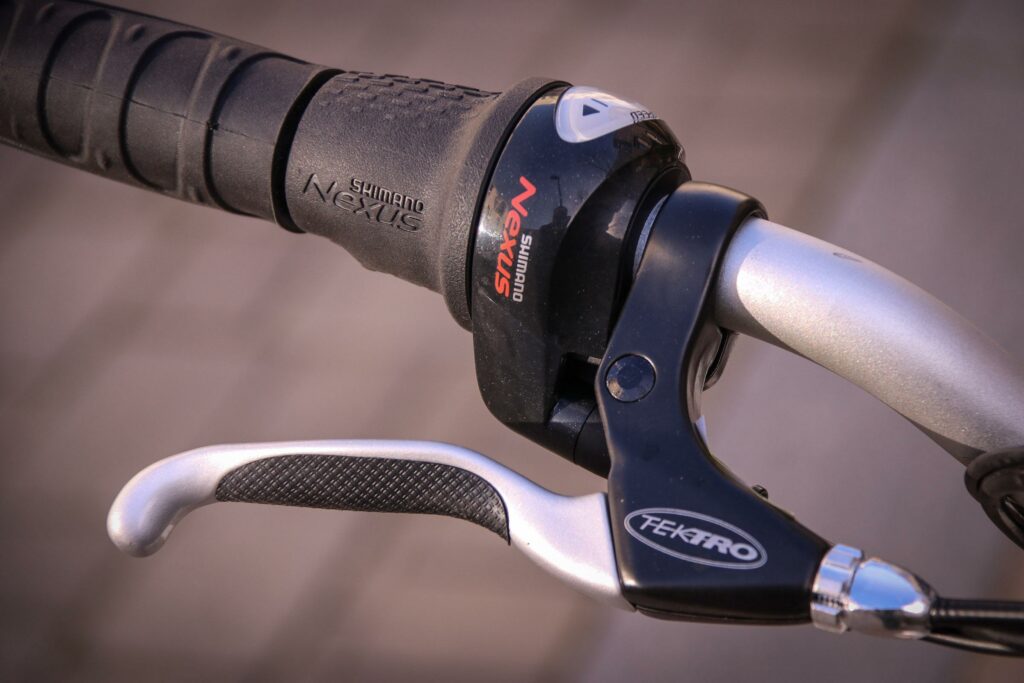
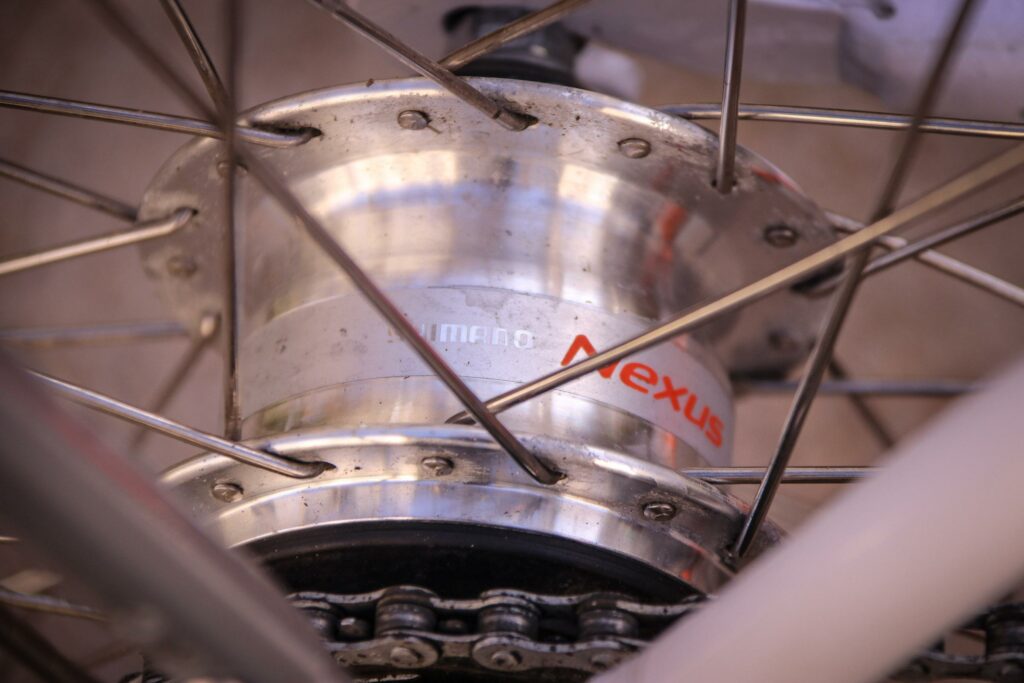
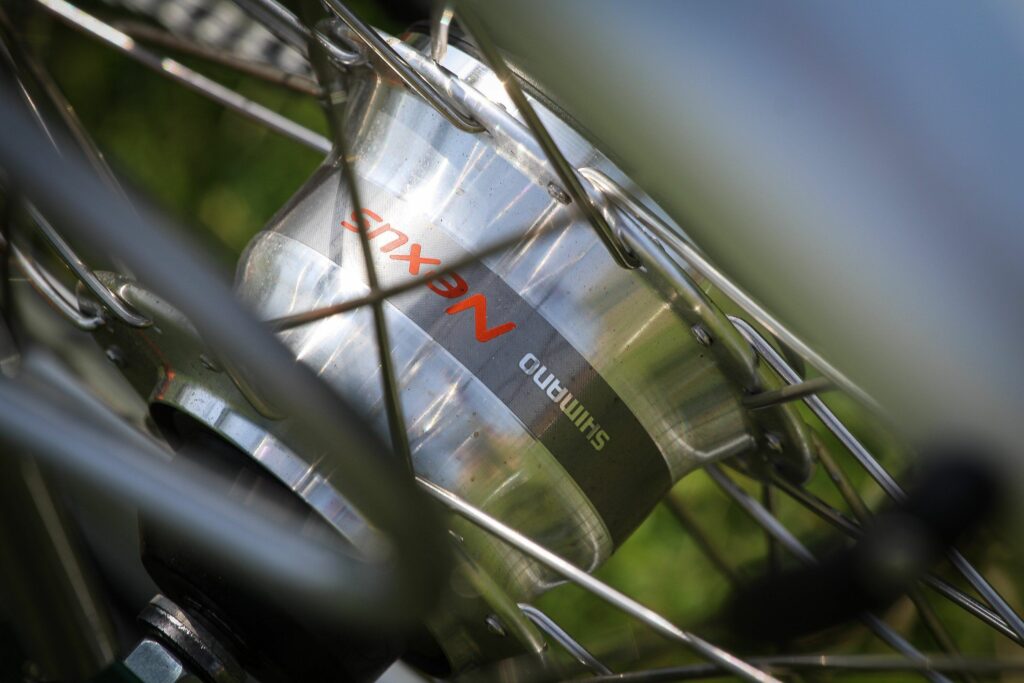
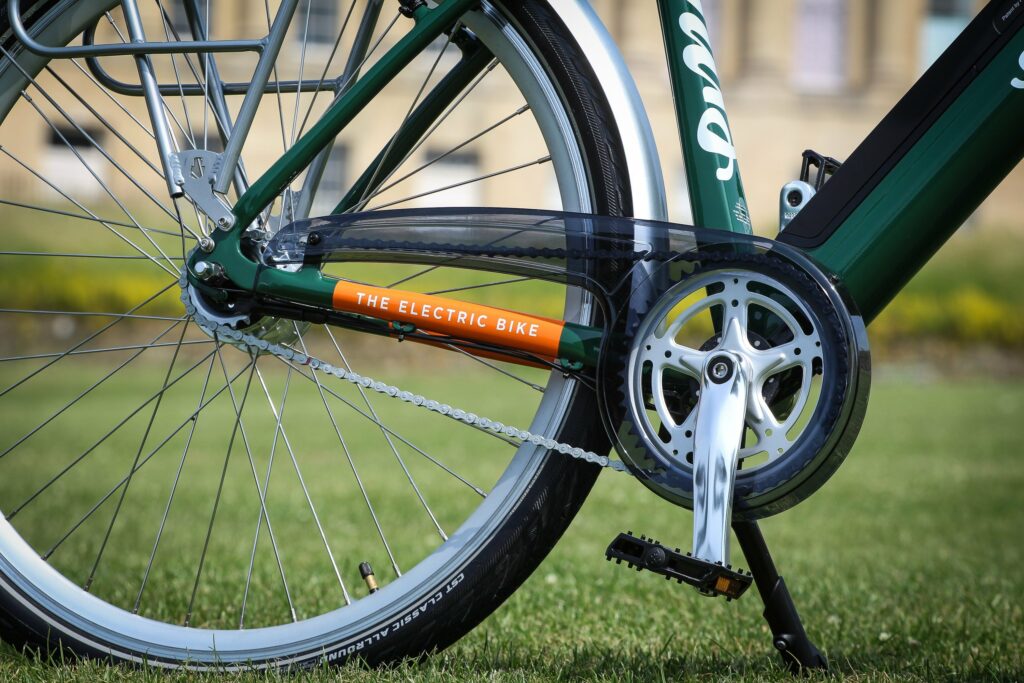
The Emu uses a Shimano Nexus 7-speed hub gear; that means the chain is always in the same position so fitting a full chain case is easy; Emu has taken the opportunity to spec one that covers the whole of the chainring at the front so your good trousers should be pretty safe.
Dave says: The Emu is a decent city e-bike: it’s well put together, the ride is comfortable and straightforward and the equipment is well-chosen.
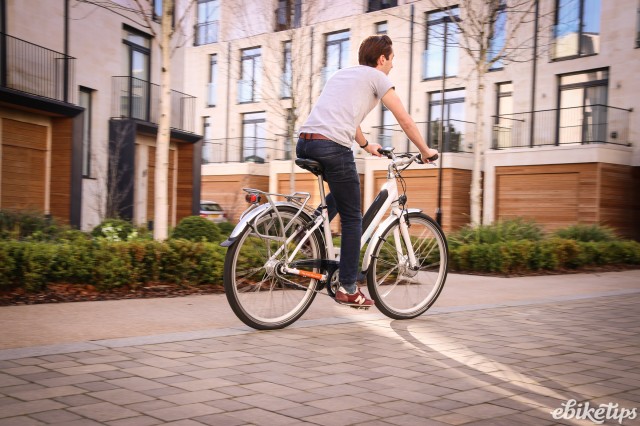
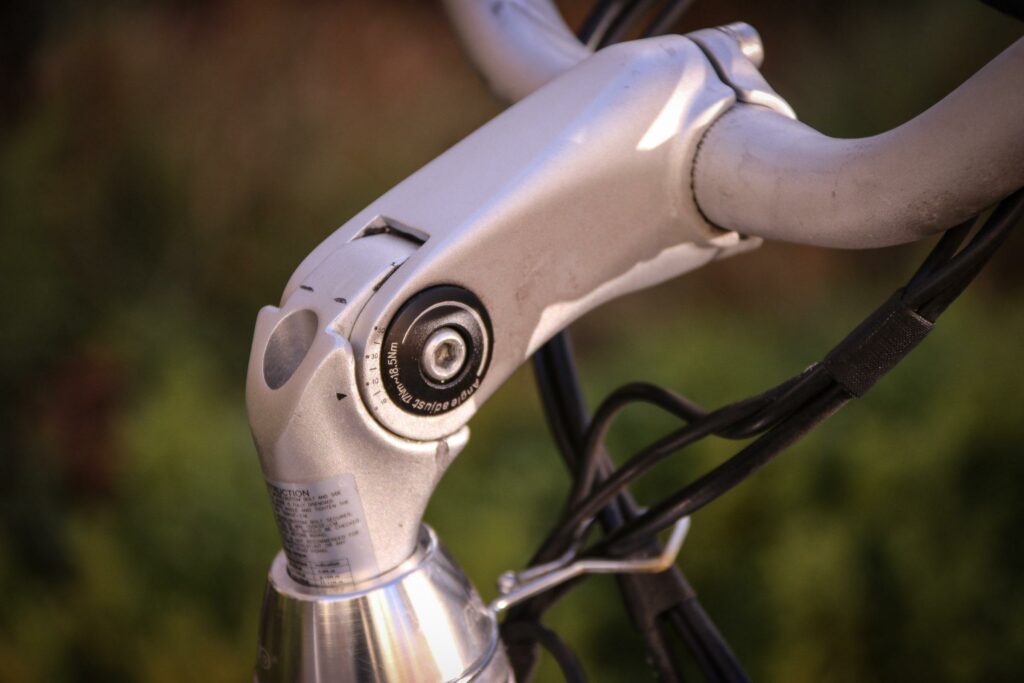
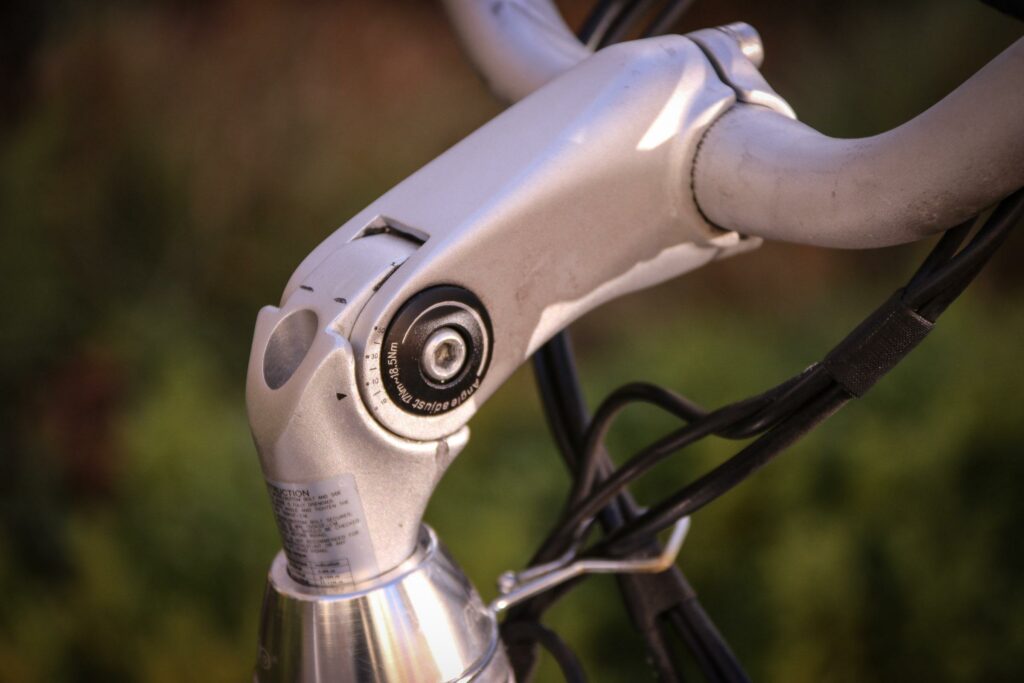
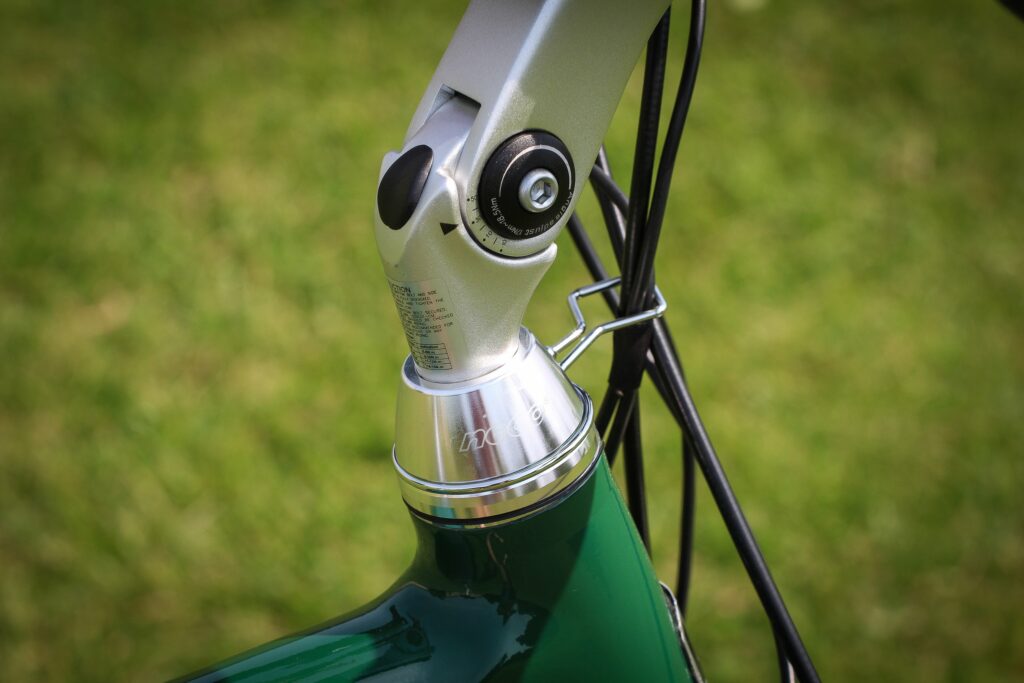
Position-wise, the Emu is fairly relaxed and upright. There’s only one size of frame, so the exact nature of the position will depend on how tall you are: at 1.89m I’m at the upper end of the range of people the bike will fit, but I didn’t find it uncomfortable or cramped. The adjustable stem will allow smaller riders to dial the reach in a little bit.
Once you’re on board it’s an easy bike to pilot. The wide, swept bars give plenty of control and the steering is pleasingly neutral. The step-through frame is nice and low, making it an easy bike to get on and off, and it’s easy to slip off the saddle at the lights. The 45mm CST Sensamo tyres are a budget option but they’re not bad, and they’re plenty big enough to take the sting out of poor road surfaces. The Emu doesn’t suffer for the lack of a suspension fork; a front hub motor and a bouncy fork is normally not a good combination anyway, and the forks you get at this kind of price are decidedly average.
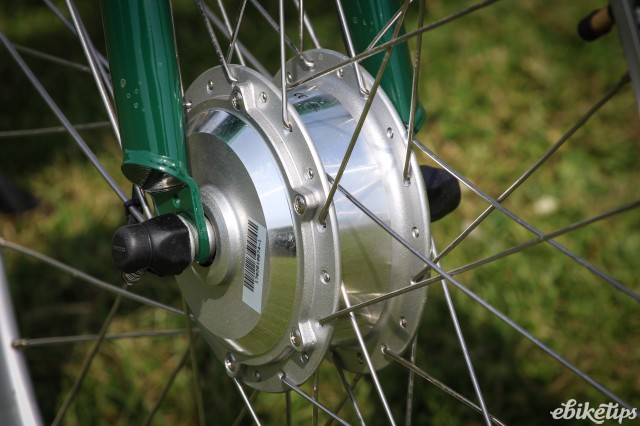
The motor has six levels of assistance, which is probably two more than it needs. The difference between 1 and 6 is certainly noticeable, the difference between 3 and 4 really isn’t. Overall power from the hub motor is okay, but certainly not class-leading. On my benchmark hill (1.5km at 5%, 12% maximum) the bike didn’t struggle but neither was it particularly eager. The New LCD gives you a second-by-second readout of the motor output in Watts. It’s fun, but the numbers aren’t especially meaningful. What it does show you is that the motor’s ability to add power seems to decrease as your speed drops, which is something I often find with hub motors. On a mid motor bike you have the option of changing down through the gears to keep the motor in its optimal operating range, but that’s not an option when the power is applied at the wheel.
Emu don’t give a torque rating for the motor but I’d expect it to be rated around 30Nm based on its performance, which is at the lower end of what’s currently available. It didn’t feel significantly different in terms of power to the Cyclotricity Revolver that I was testing at the same time. The bike uses a standard bottom-bracket-mounted cadence sensor and the pickup of the motor is about what I’d expect: there’s a bit of a lag (about a second, normally) away from a standstill but nothing unusual.
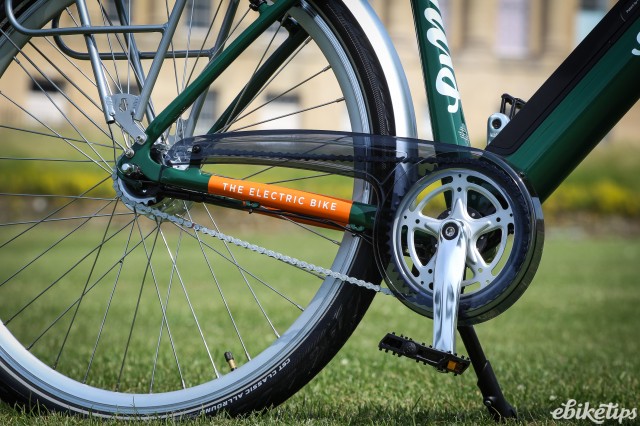
Gearing-wise the Nexus Inter-7 hub is a reliable bit of kit, and the constant chain line means it’s easy to fit a chainguard, which Emu have, and is good. The bike is a bit over-geared, as nearly all the cheaper e-bikes we get here seem to be. If you swapped out the 46-tooth chainset for something much smaller you’d get better climbing gears, and still have plenty of top-end gears for the sort of likely top speeds you’ll be pushing. Realistically, most users will aim to stay below the point where the motor cuts out, and in top gear at 25km/h you’re grinding along at a cadence of about 50rpm. The ideal chainring size for this bike, with this hub, is probably around 40T; either that or fit a much bigger sprocket at the rear.
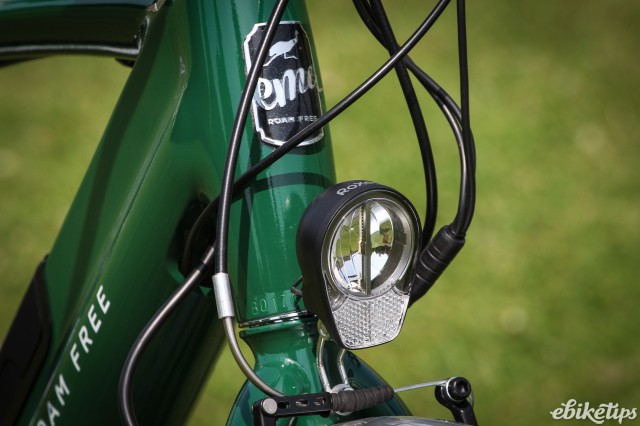
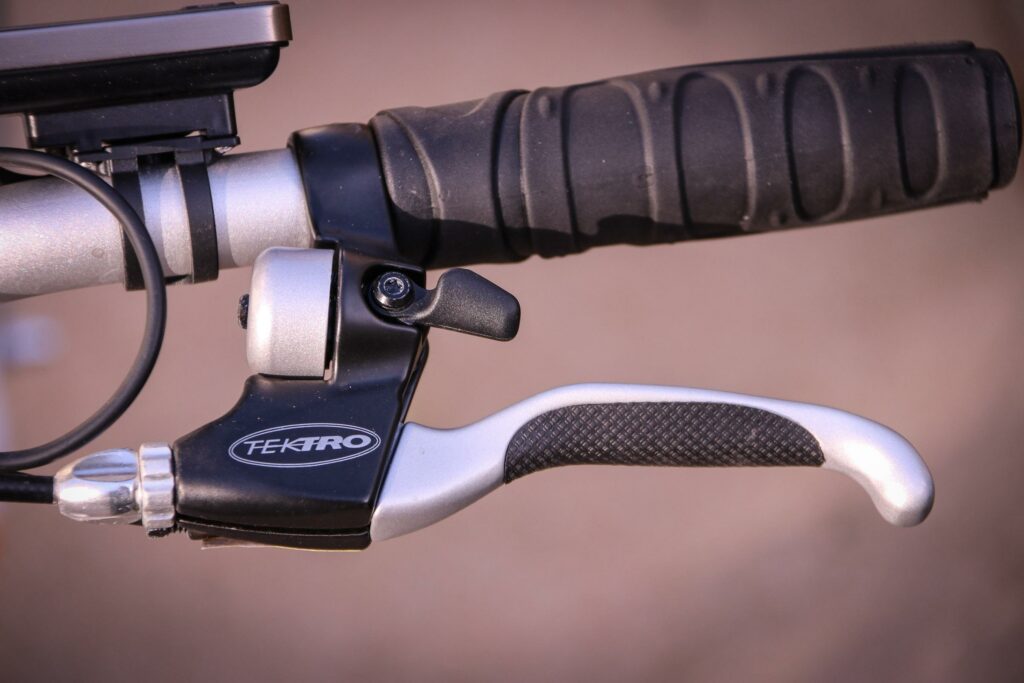
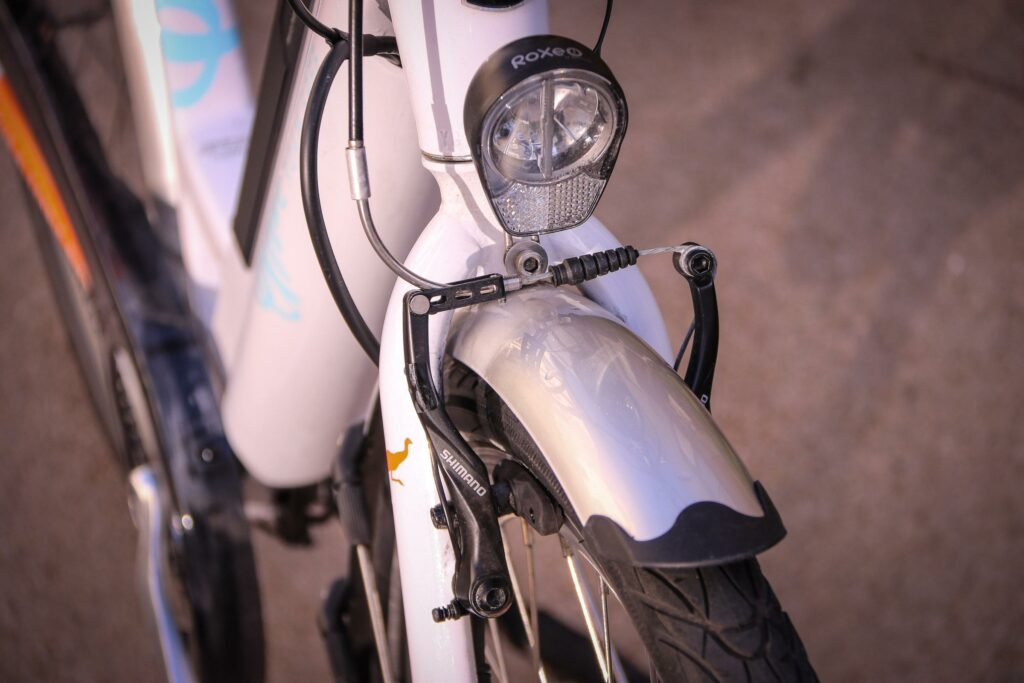
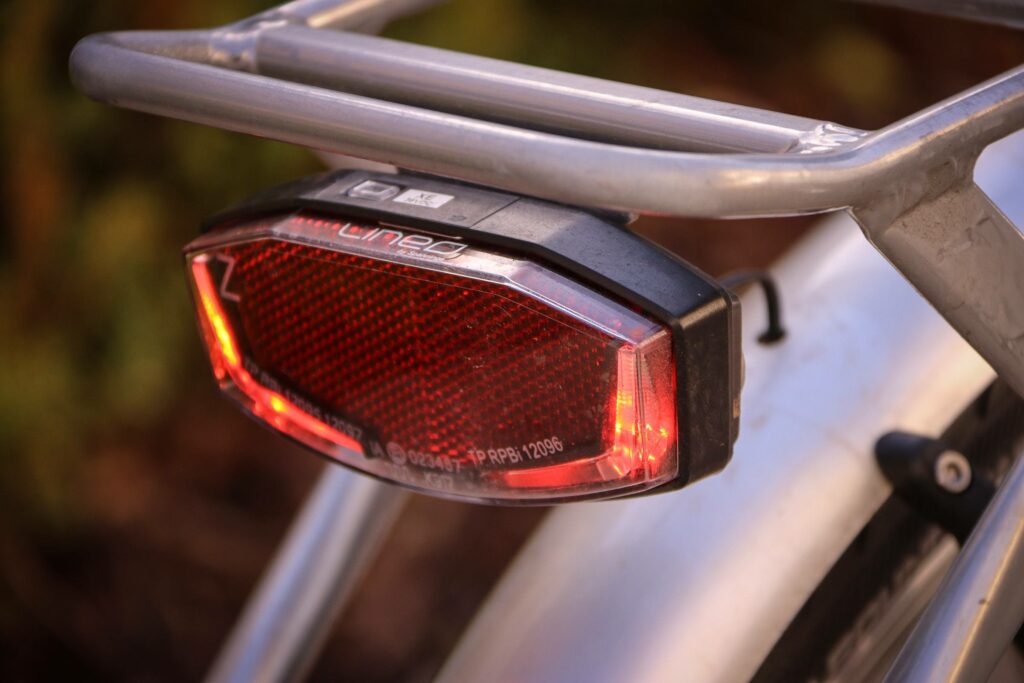
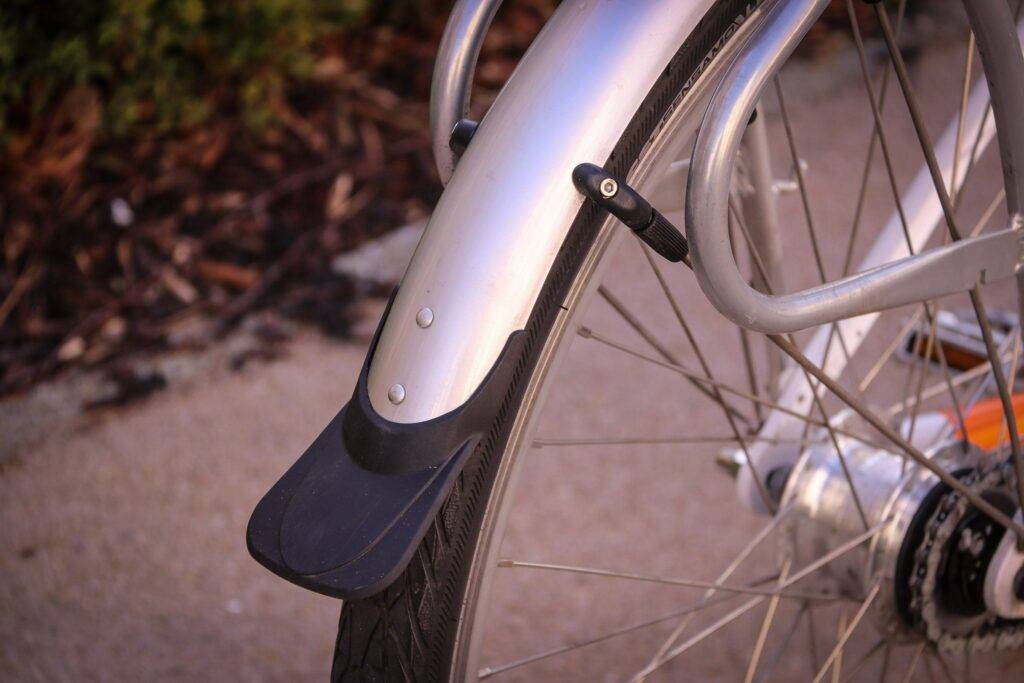
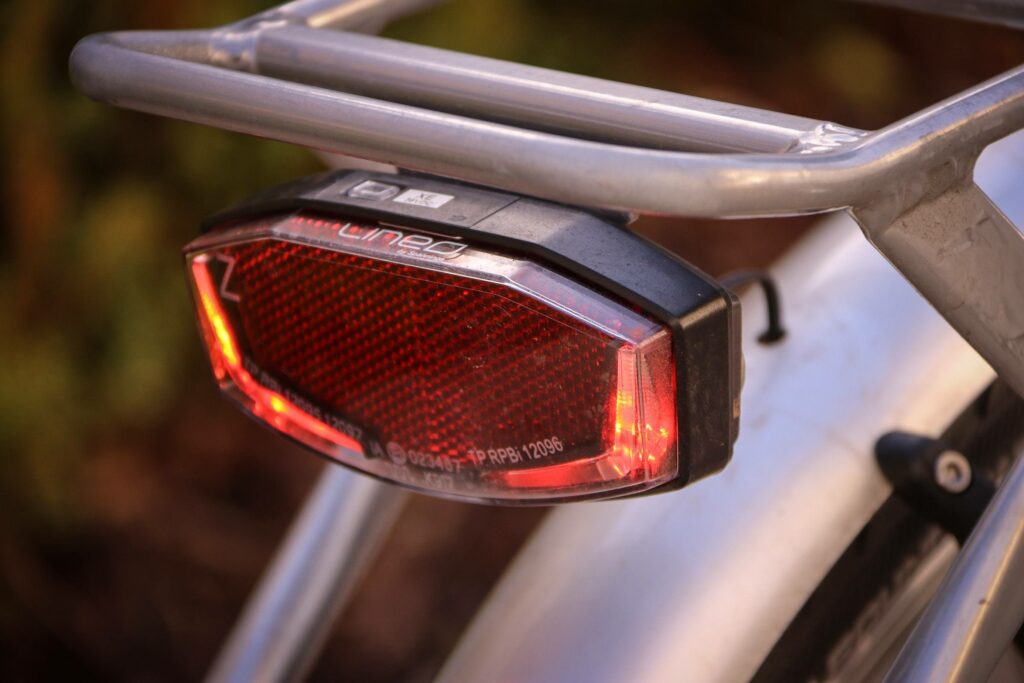
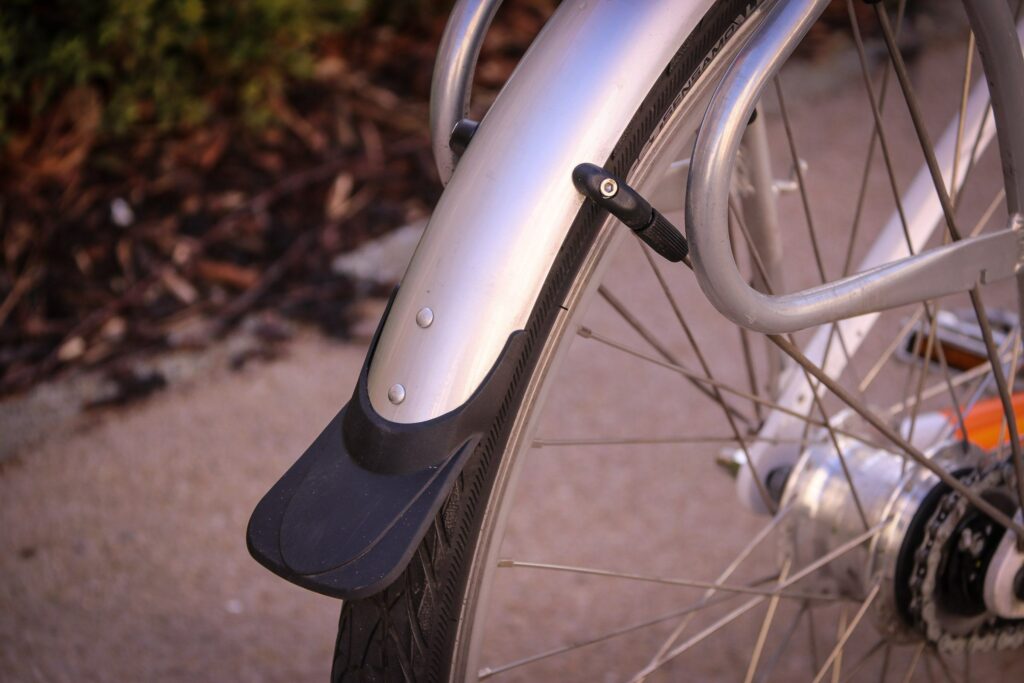
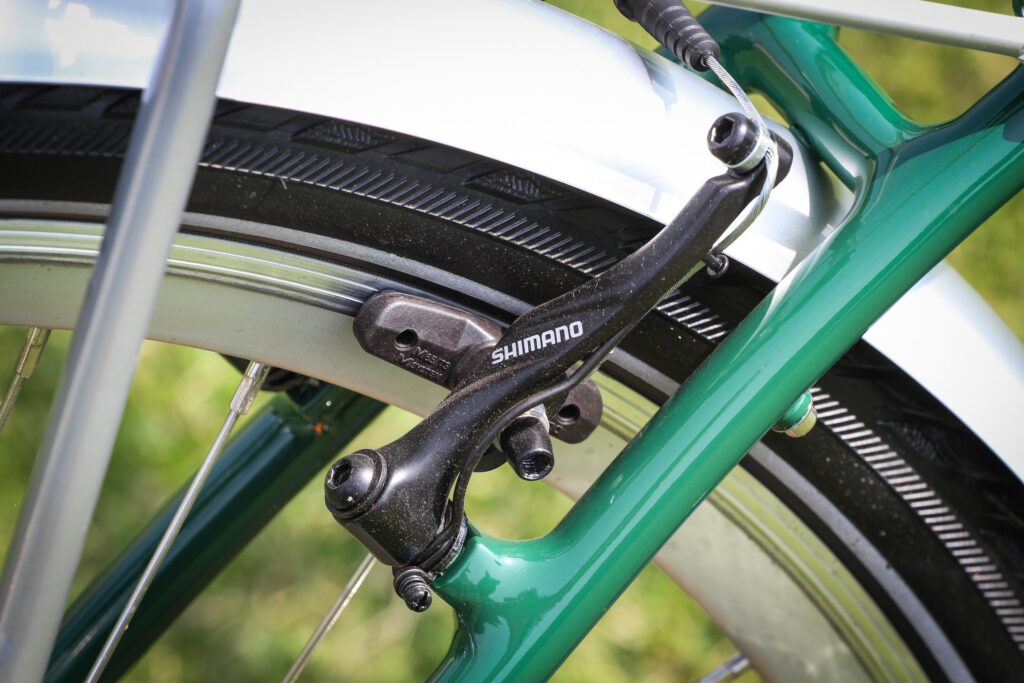
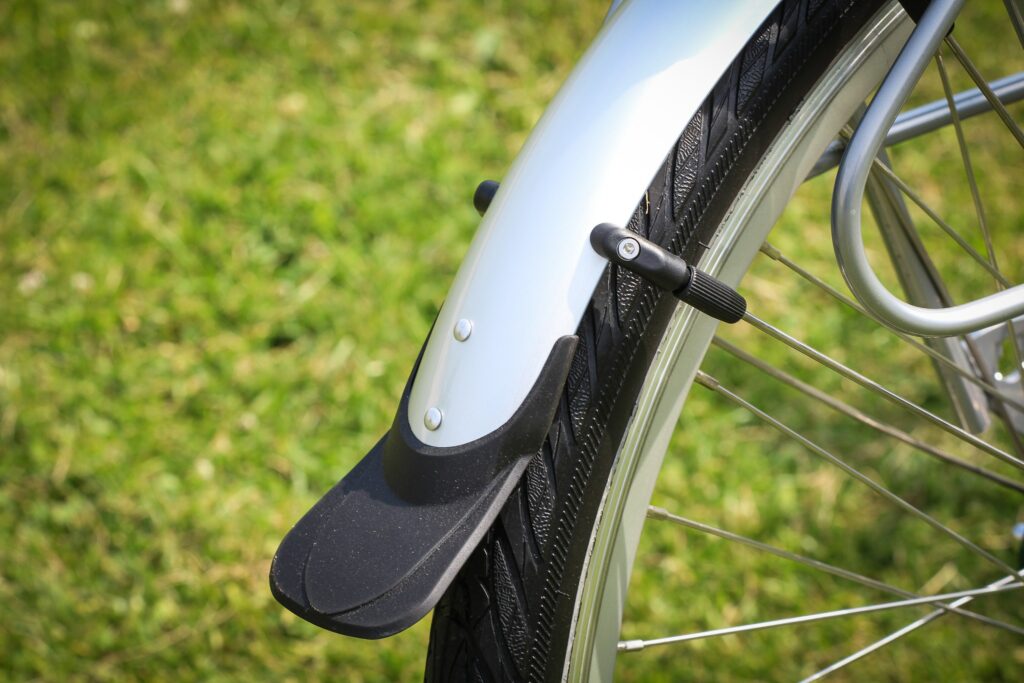
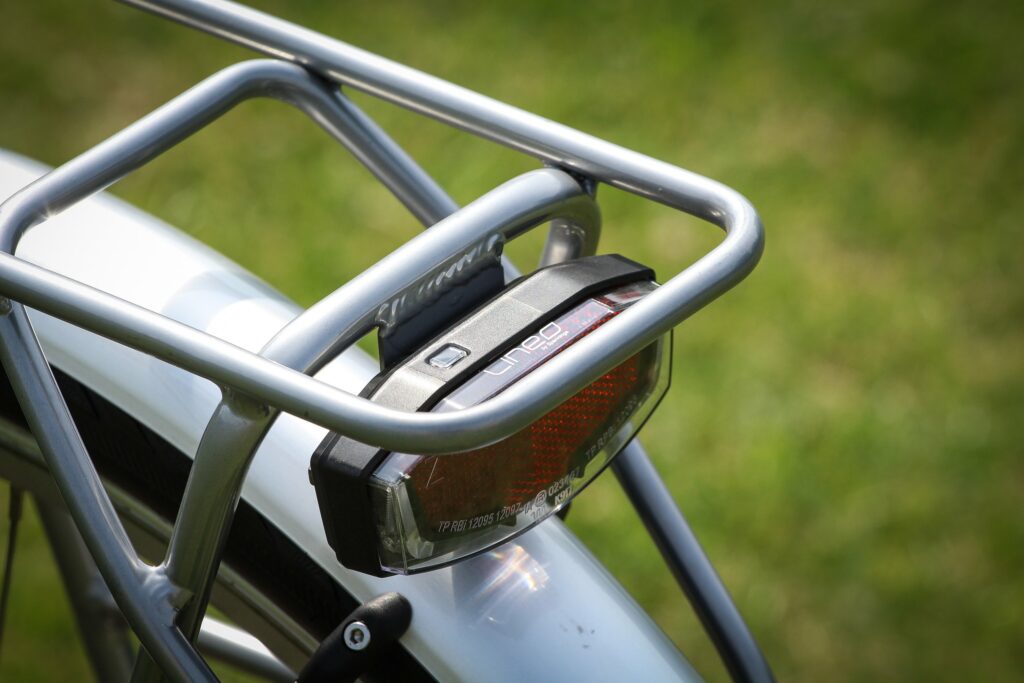
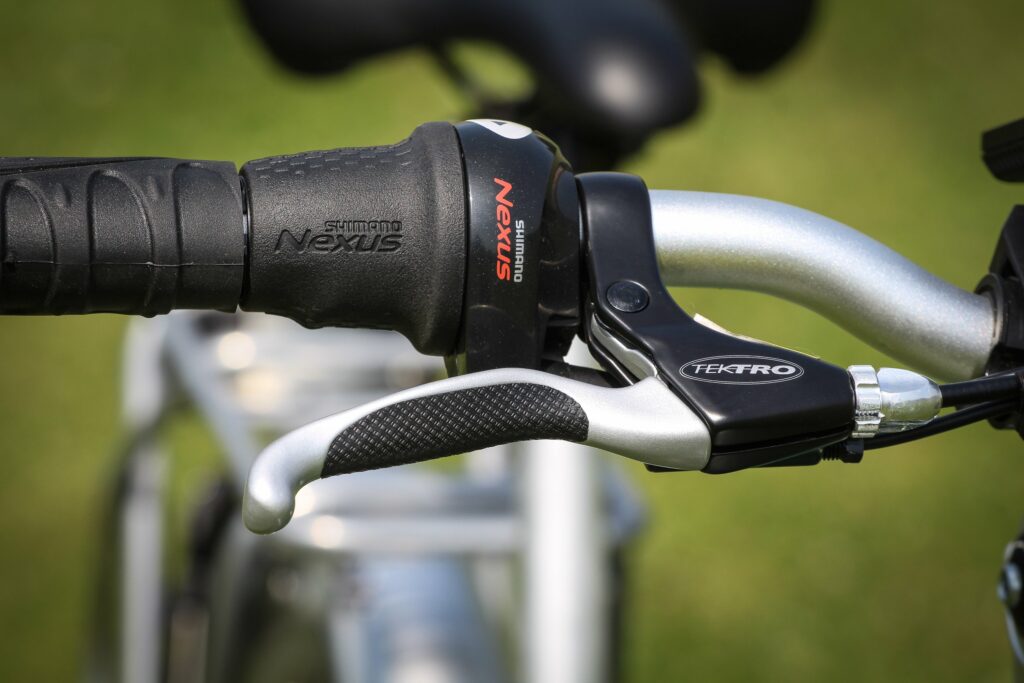
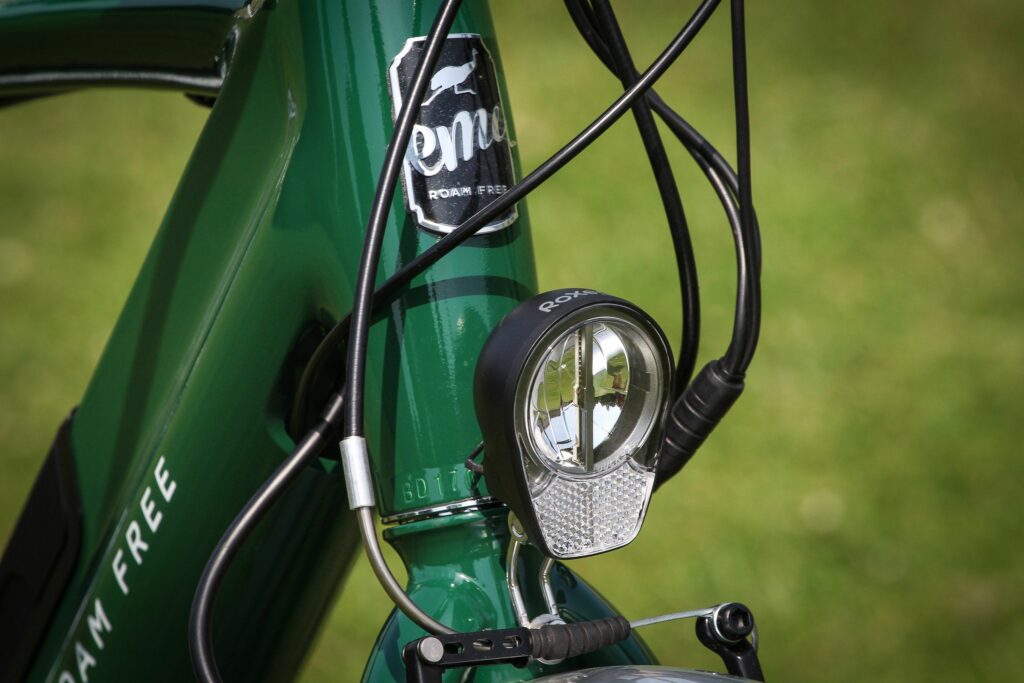
The bike is city-friendly out of the box: the integrated lighting is pretty good, and you get a good-quality rear rack too. Our bike came with Emu’s own-branded waterproof pannier which is a pretty solid bit of kit. There’s a good-quality kickstand as well, and chromoplastic mudguards. Braking is taken care of by Tektro V-brakes, which are certainly up to the job, and it’s good to see a low-maintenance hub gear at this price.
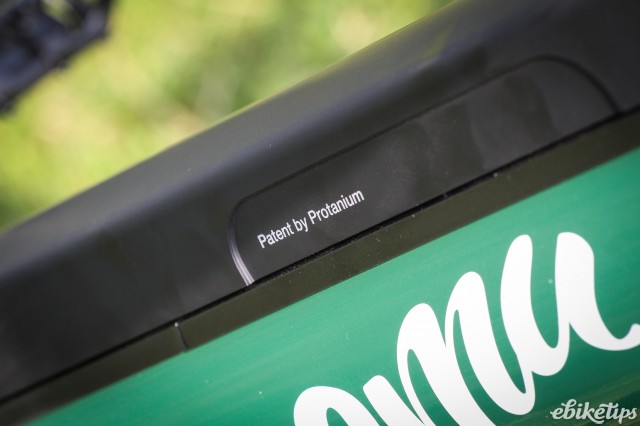
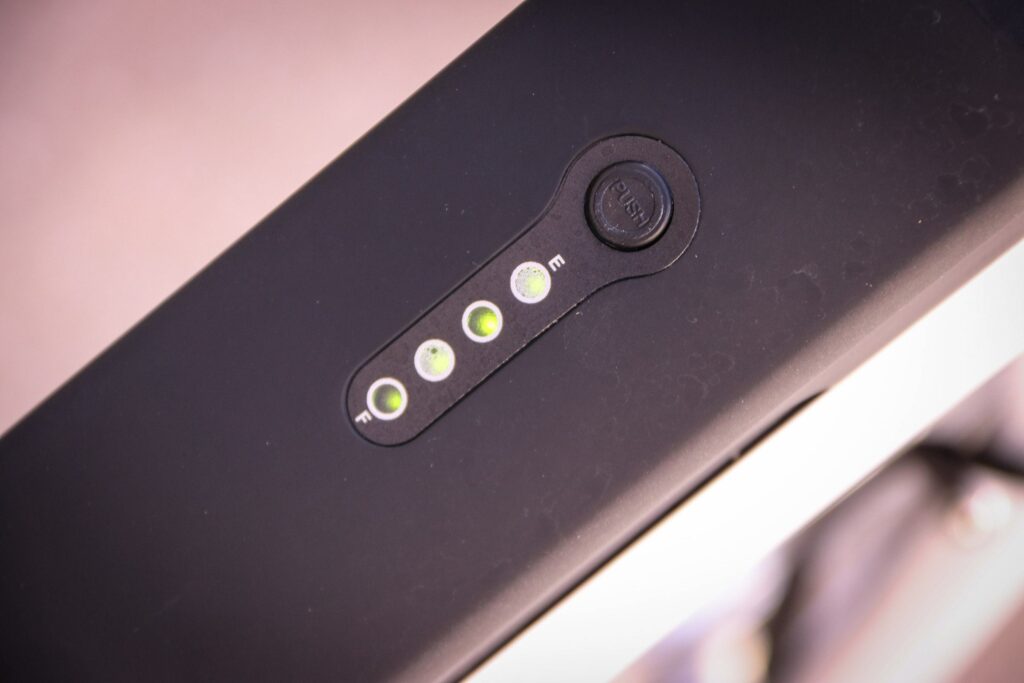
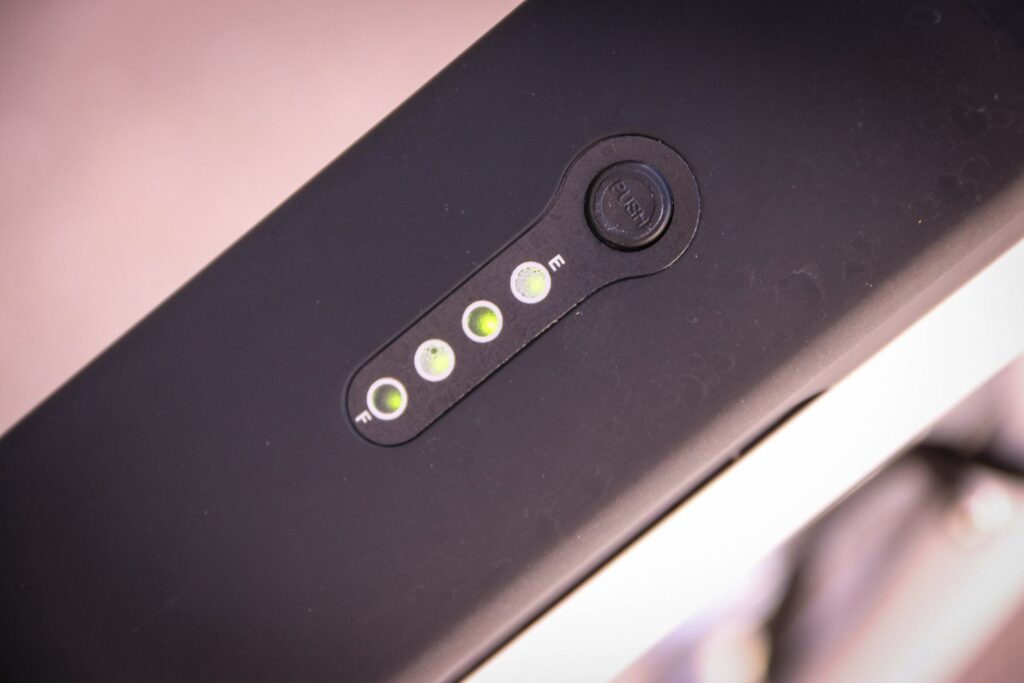
The batteries contain Samsung cells and Emu claim a range of up to 100km with the biggest 490Wh unit, which sounds reasonable. On the original step-through bike I tested I never got near to even the lower limit because what let the bike down more than anything was the battery management system. As soon as you started loading up the motor on a climb the battery dropped right down: after fully charging the bike at work, the battery was down to one flashing bar at the top of the climb home, a distance of less than 4km. It wasn’t very confidence-inspiring.
Thankfully the major change between the old and new versions of the bike (other than the battery options) is the control system and it’s much, much better. The new LCD gives you a battery readout that’s much more linear and not tied to the current motor drain. There’s a battery icon with five bars, and next to it a percentage readout; in reality though the percentage figure is always just the number of bars left in the battery icon multiplied by 20, so it doesn’t really bring anything to the party.
I had a couple of issues with the motor cutting out; resetting the system by turning it off and on again fixed it. It was probably down to me trying to ride up a really big hill on the very hottest day of the year, as we haven’t been able to replicate it since. If so, it’s not the first bike I’ve tested that’s switched itself off to cool down a bit, and rather that than fry the motor.
All in all, then, the Emu puts in a good performance. If you’re looking for an easy-to-ride city bike and your local terrain isn’t especially taxing it’s one to consider. In terms of value the bike has recently come down £200 in price, and at £999 to £1,199 it’s pretty much on the money, whereas before it was overpriced, so that’s a good development. My recommendation at the top end of the Emu’s price range has been for some time the Carrera Crossfire E: you get a 50Nm torque-controlled motor, a 418Wh battery, decent derailleur gears and hydraulic disc brakes. The Emu gets more city-friendly finishing kit and a less mountain bikey look, which you may prefer, and the new LCD display is very good. You can get it for less than a grand now, too, so long as the more limited range of the smaller battery is enough for you. In most cases, it probably will be. For the money, it’s well worth a look.
All the deals displayed on our review pages are pulled from a constantly updating database feed of the best affiliate deals available. The criteria for deciding on what are the best deals is who is offering the lowest, delivered price. In most cases we will be showing the very best deal available online, but sometimes you may be able to find an item cheaper. If you can please feel free to post a link in the comments box below. To find out more about affiliate links on road.cc click here.