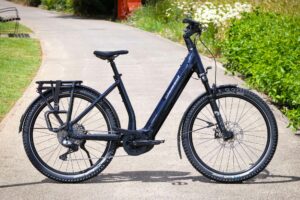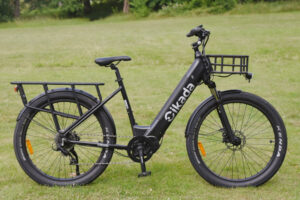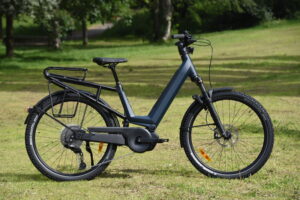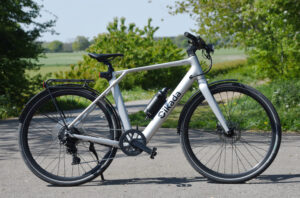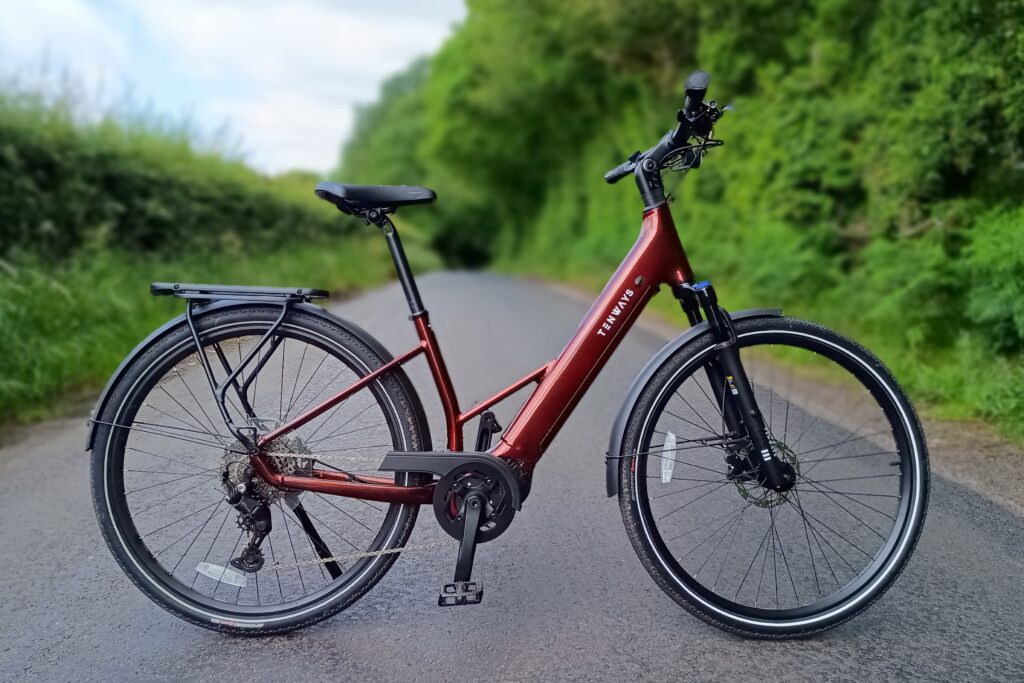

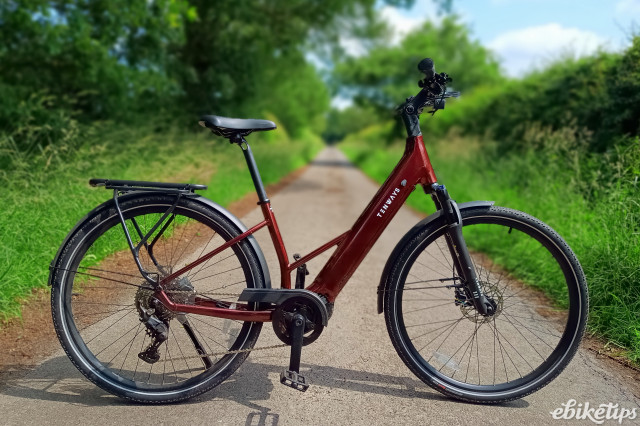
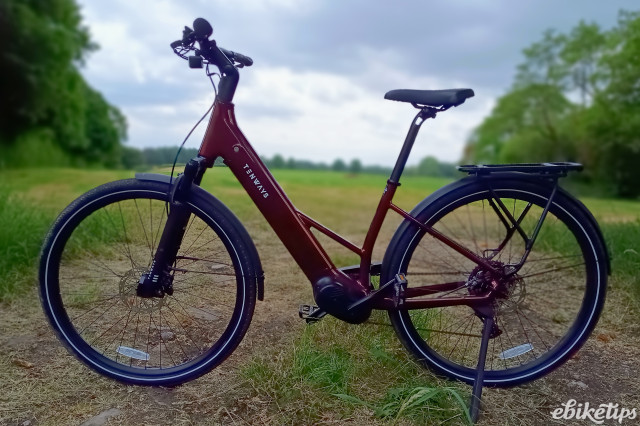
The Tenways AGO Air is a mid-drive, step-through electric bike that offers strong performance at a competitive price. The motor offers smooth power delivery and punchy hill-climbing ability and the rest of the bike is sensibly specced for both utility and leisure riding. The only thing I’d really take issue with is a name that suggests it’s some kind of lightweight.
Tenways started out with a whole series of hub-driven single-speeds fitted with belt drives. We’ve tested, and liked, the CG0600, CGO800S and CGO009.
Geared versions of the CGO600 and CGO800 are now on the way, but the brand’s also launched a few mid-motor bikes in recent times: the SUV-style AGO X, the hub-geared AGO T and now this one: the AGO Air.
The bike
Let’s start with the labelling, which only really has merit when viewed from a very particular angle.
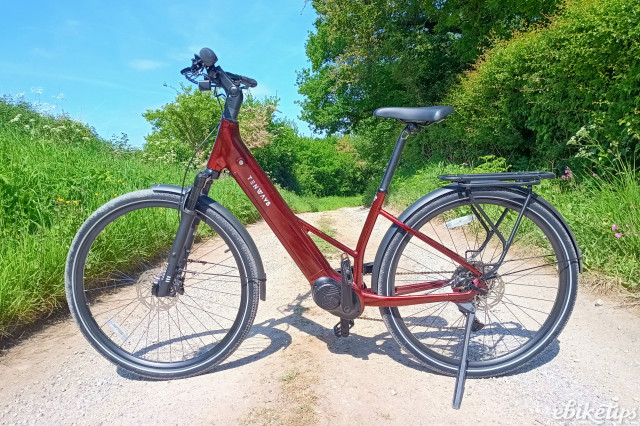
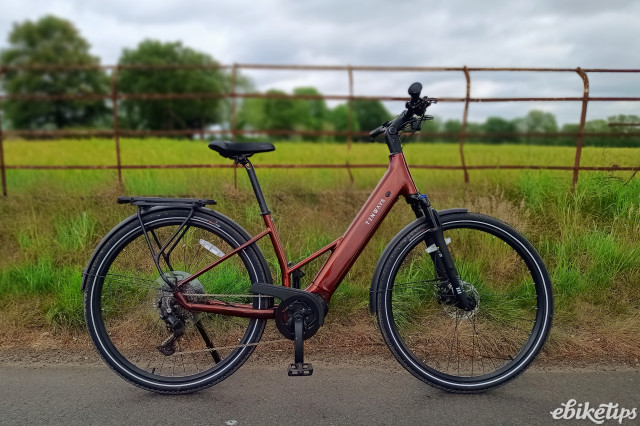
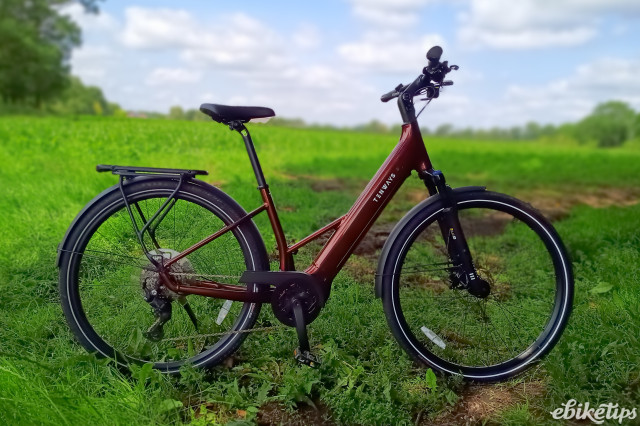
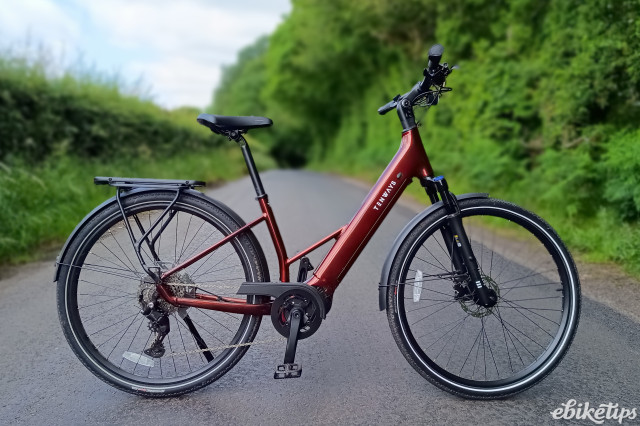
A lot of e-bikes are called ‘Air’. It tends to denote a lighter weight bike and Tenways actually went so far as to use the term ‘featherlight’ when they sent us a press release about this one.
At 27kg, that would be a damn big feather, and in all honesty it’s pretty sizeable for an electric bike too. The case for the defence is that mid-motor step-throughs are rather in a class of their own when it comes to weight. The previously-tested AGO T, for example, is 31kg and bikes around 28-29kg are common.
At the same time, there are certainly mid-motor step-throughs that weigh less than 27kg. The Giant Expression E+ 1 is 25kg, while even the cumbersome-looking Engwe P275 ST is within a kilo of that. We also recently tested the Specialized Turbo Vado SL 2 4.0 and while it didn’t really justify its ‘super light’ billing, it nevertheless came in at only a little over 20kg.
The AGO Air’s significant mass is by no means a deal-breaker – but it’s not really a selling point.
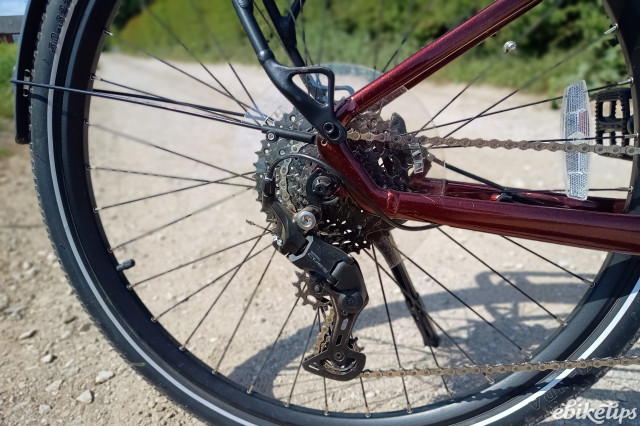
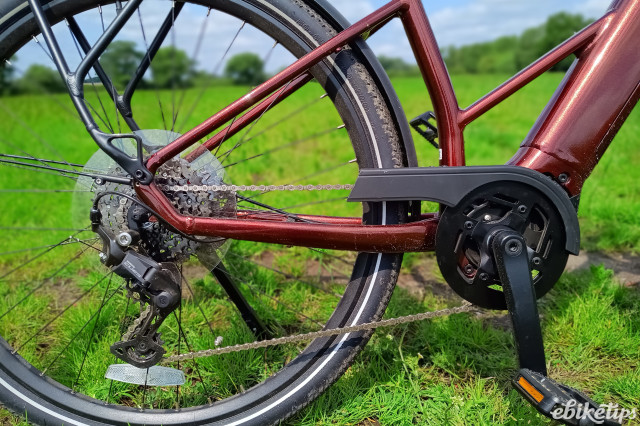
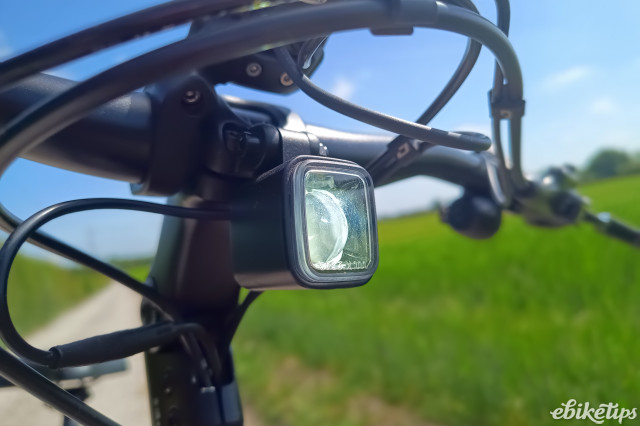
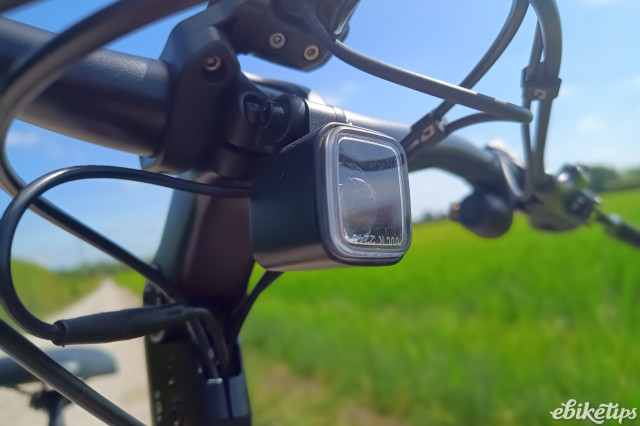
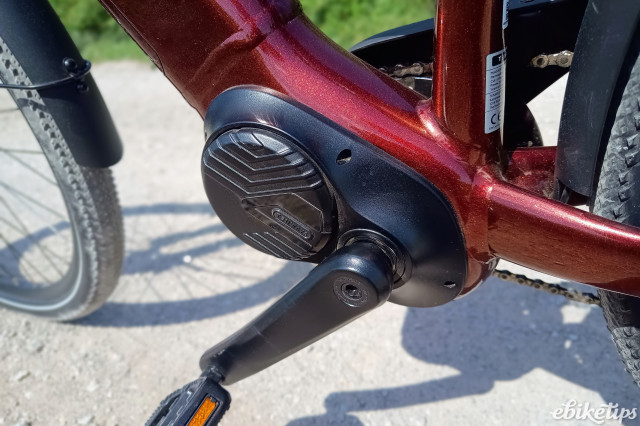
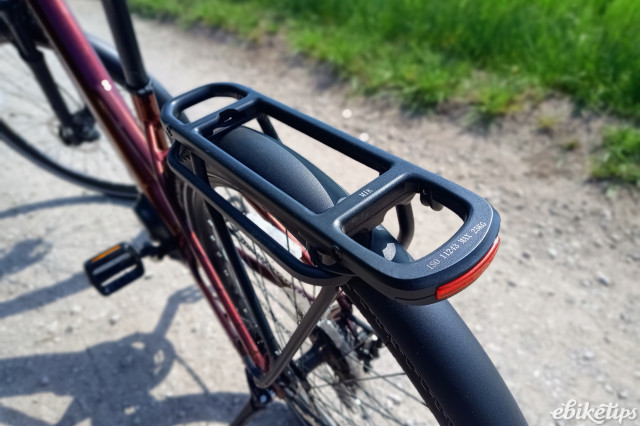
Let’s not get too bogged down in that though because there are plenty of good things to highlight. The list is arguably headed by the Tenways-branded motor that promises 80Nm of torque. This is allied with a decently-sized 560Wh battery, Shimano Cues 9-speed derailleur gearing, integrated lighting (including a 60 lux StVZO compliant one at the front) and a rack as standard.
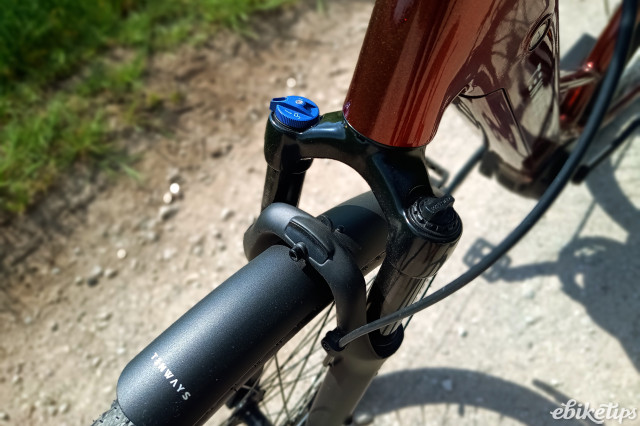
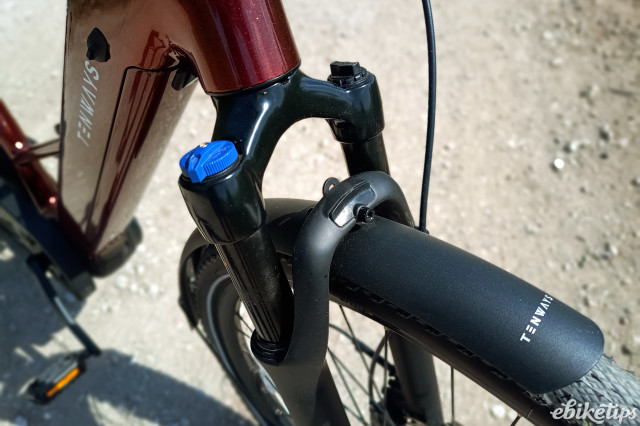
As with the AGO T, you get a front suspension fork, but alas not the suspension seat post found on that bike.
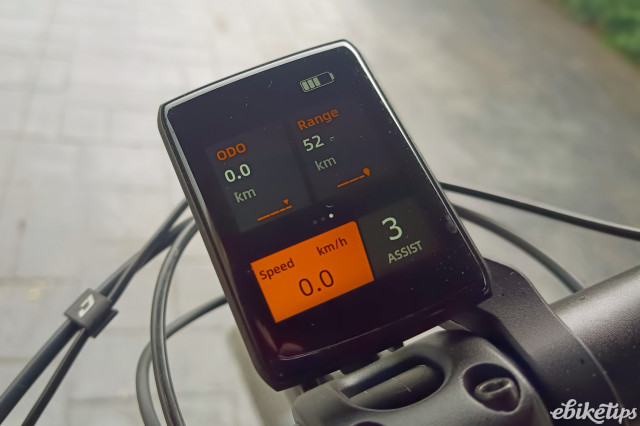
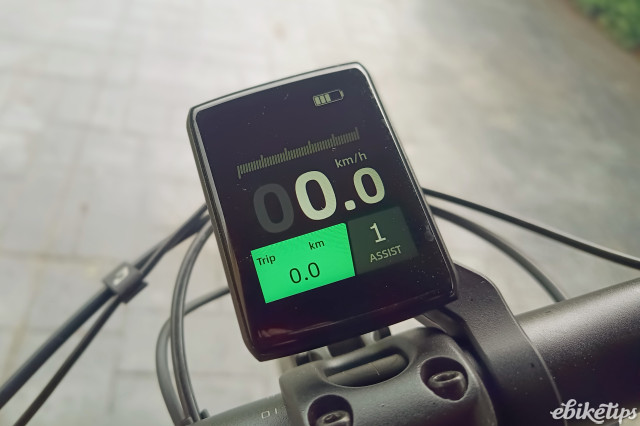
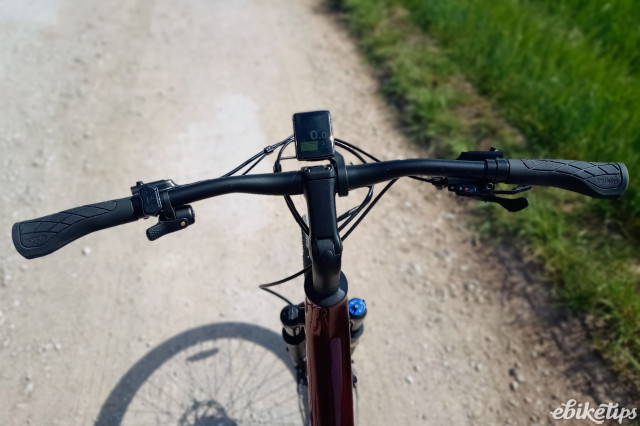
The display is a far smaller one, but very much does the job. Among all the usual metrics, which are spread across four different screens, you get Bosch-style range predictions which will alter as you switch between assistance levels. This is massively more useful than the familiar five-bar battery indicator (which is also present).
A good chunk of the screen also changes colour as you move up through the assistance levels, from green at level one to red at level five, so you’ll always know where you are with just the slightest glance.
I will at this point admit that I didn’t connect the bike to the Tenways app. That is because the relevant QR code was in an unscannable position on the back of the seat post. If you’ve greater appetite for messing around with e-bike apps than myself (i.e. any appetite whatsoever) and experience the same problem, you can type in the very long code number on the sticker instead.
The ride
The AGO T was the only Tenways mid-motor bike I’d previously ridden and the muted peak power of that bike was for me its most noteworthy feature. While I accept that some prefer a more leisurely ride, uphill speed was to my mind insufficient.
The AGO Air is, in contrast, a sprightly thing. Comparing times across a range of local climbs, it wasn’t quite as quick as some lightweight hub motor bikes on shallower inclines and it was a notch off Bosch Performance Line bikes on the steepest ones, but it wasn’t far behind in either case.
Assistance is smooth too, and meaningful even in lower levels. This isn’t a bike where you’ll default to the top level. On gently rolling terrain, I was largely happy at level two, while level one is an entirely viable option on the flat. It’s not perhaps the quietest motor – emitting a light, whistling whir at all levels – but the noise is mild and inoffensive.
Power tapers off above the 25km/h legal limit, although that does mean you’re still getting a light helping hand even at 26km/h. Combined with its climbing prowess, that tends to mean you’ll maintain a healthy average speed. You’ll also continue to get something out of the motor even when the battery’s low – which isn’t the case with every e-bike.
Tenways suggests you’ll be able to get “up to 100km” out of a single charge and this is not one of those predictions based on impossibly ideal conditions. The bike’s own range predictor in fact suggested 81-107km immediately after charging, depending on which assistance level was selected. While I’m sure you could exhaust it a lot quicker given sufficiently challenging terrain, I found it tracked those predictions pretty consistently as the miles went by.
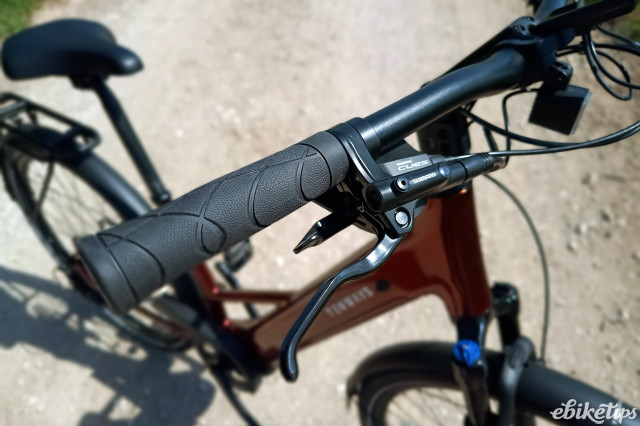
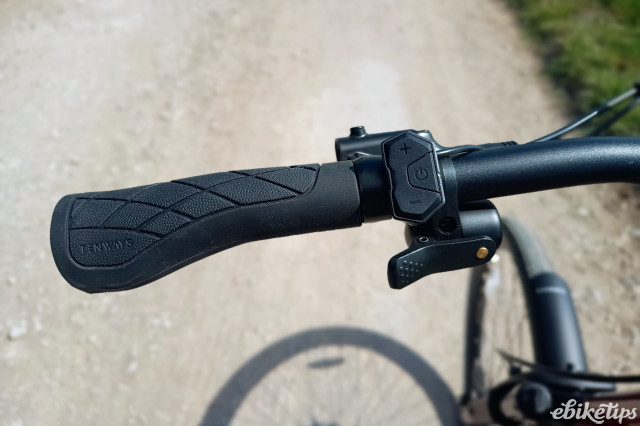
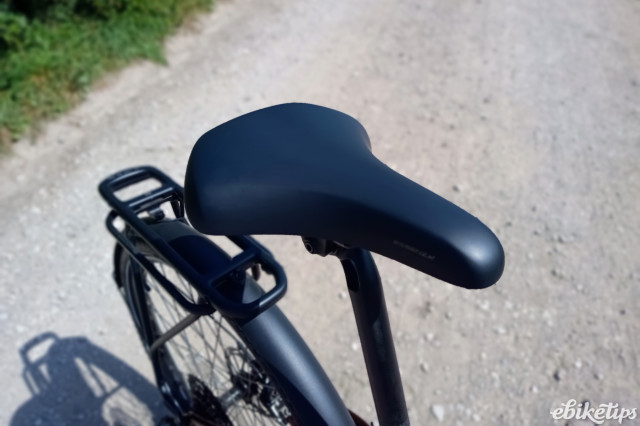
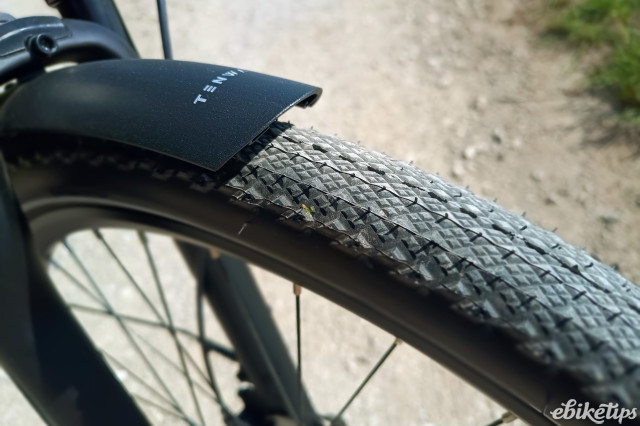
Away from the motor assistance, the saddle and grips are comfortably unremarkable, while the 50mm of tyres offer decent cushioning as well as appropriate grip. On a related note, I often feel the negatives of front suspension outweigh the benefits, but you probably want it on a bike as heavy as this. I got on with it well enough. It’s certainly not the soft and springy seasickness-inducing type that tends to crop up on cheaper bikes.
The Shimano Cues gearing proved entirely reliable and the hydraulic disc brakes were adequate for a sizeable bike that can feel like it’s carrying a bit of momentum on steeper descents.
I left the ride position fairly upright, but an adjustable stem offers plenty of scope for fine-tuning.
Value
Mid-motor e-bikes are generally more expensive than the AGO Air’s £2,100 – step-throughs in particular.
At £2,699, the AGO T is one. The previously-mentioned Giant Expression E+ 1 (£2,999) is another – albeit that one has hub gears. Its derailleur-geared sibling, the Expression E+ 2 is however still a fair bit more expensive at £2,699.
At the time of writing, the Mako Shark – with belt drive and hub gears – has been discounted to £2,300.
If this is at the top of your budget, one possible alternative is the Ampere Deluxe Pro, which is available for just £1,999 with a smaller 360Wh battery and for £2,199 with a more similarly sized 504Wh one. Those would be a little lighter than the 25.2kg model we tested too.
There’s also a Yamaha mid-motor Rockrider available for £1,999 from Decathlon, but we haven’t tested that and so can’t really vouch for it.
Conclusion
It’s slightly peculiar to me that the AGO Air should be so much more affordable than the AGO T because on all the most significant measures it’s demonstrably a better bike. Sure, you get low maintenance hub gears and a belt drive on the latter, but the motor performance trade-offs for that are really very noticeable.
Sure, the AGO T looks a bit funkier, but the Air’s frame is a little more practical. Not only is it lighter, but that small brace between the seat tube and down tube provides a welcome handle if at any point you need to hoick it around.
It’s also worth stating at this point that modern derailleur systems really aren’t much hassle anyway. Don’t for one minute think you’ll need to be forever tinkering with them – by and large, they just work.
If you’re looking for a mid-motor all-rounder with a step-through frame, the Tenways AGO Air performs beautifully.
All the deals displayed on our review pages are pulled from a constantly updating database feed of the best affiliate deals available. The criteria for deciding on what are the best deals is who is offering the lowest, delivered price. In most cases we will be showing the very best deal available online, but sometimes you may be able to find an item cheaper. If you can please feel free to post a link in the comments box below. To find out more about affiliate links on road.cc click here.