



The iGPSPORT iGS800 is a feature-rich GPS cycling computer that positions itself squarely in the middle of a fiercely competitive market, where the likes of Garmin and Wahoo have long held court. Aimed at performance-minded cyclists who want solid training tools, good mapping functionality, and strong battery life without parting with top-tier money, the iGS800 promises a lot. And for the most part, it delivers.
For other options, check out our best cycling computers buyer’s guide.


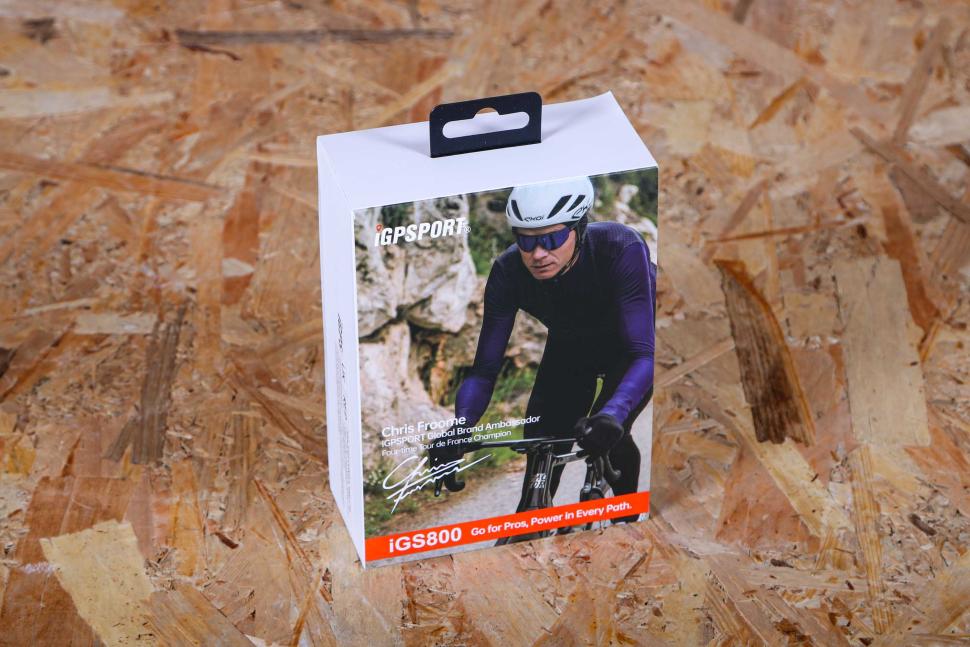
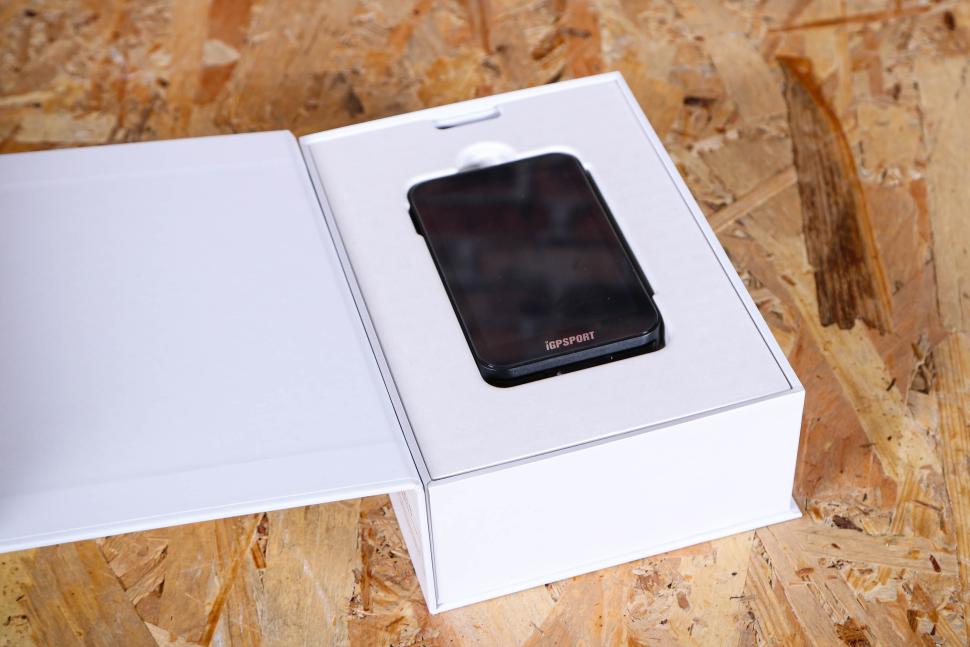
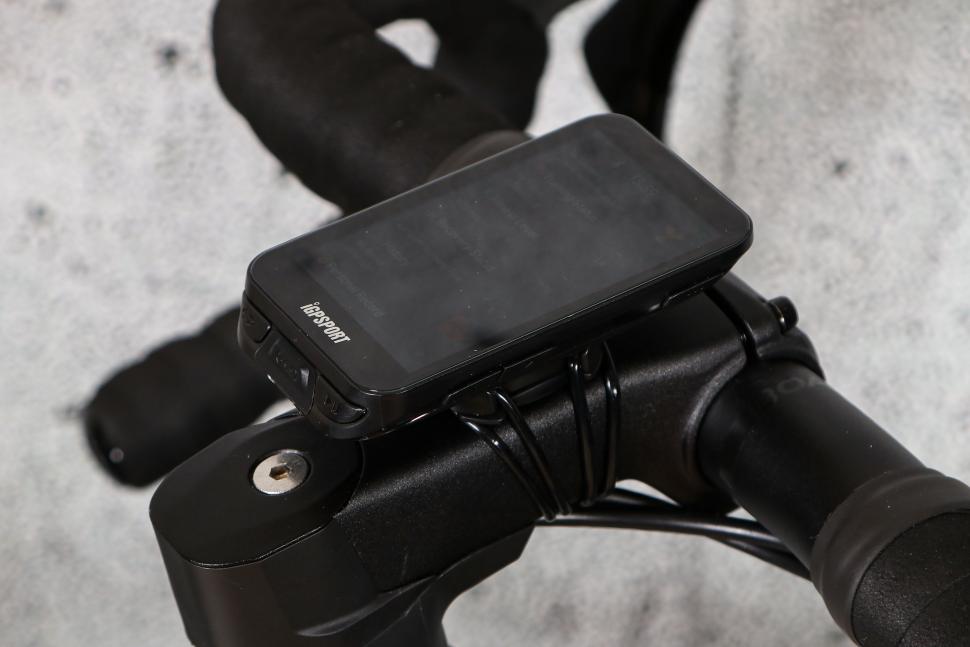
Design and build
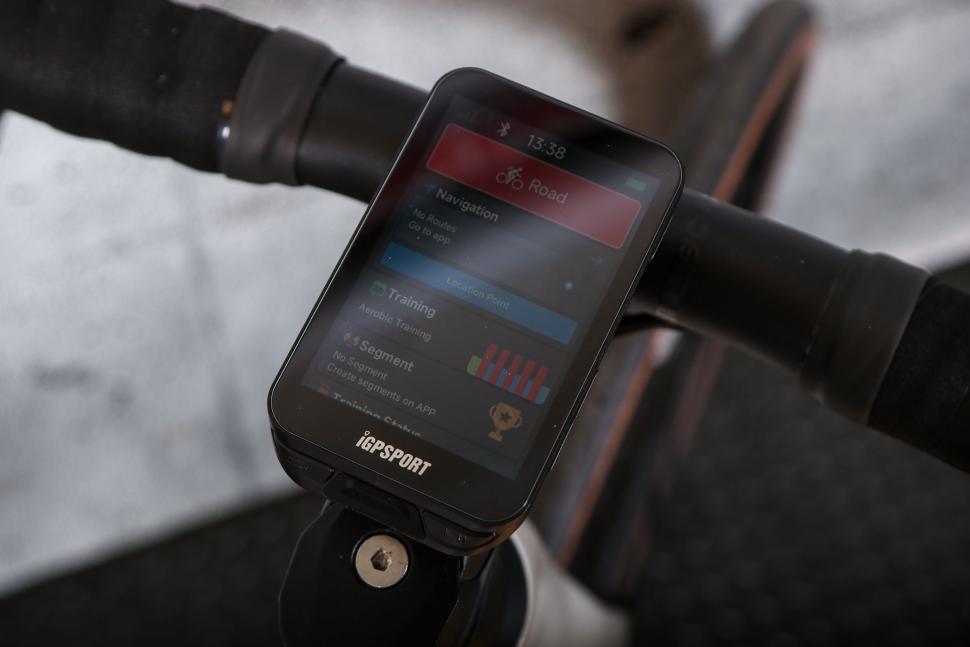
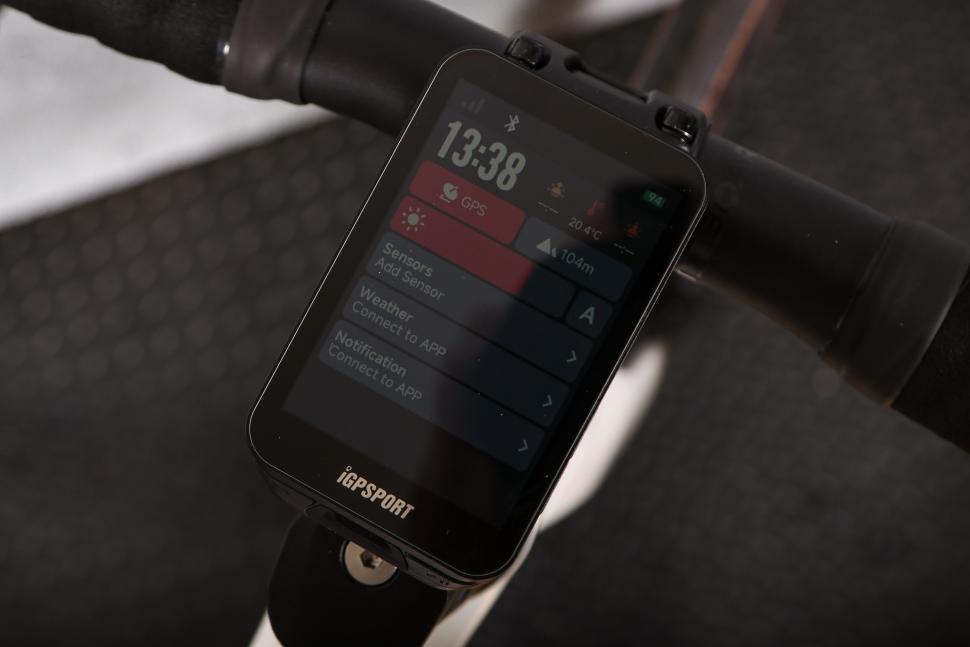
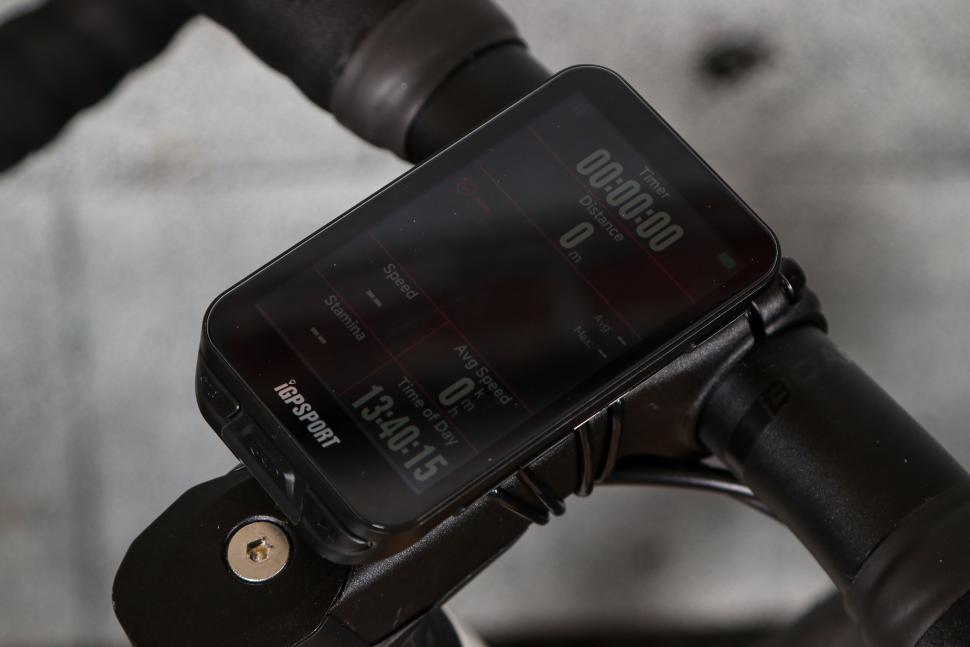
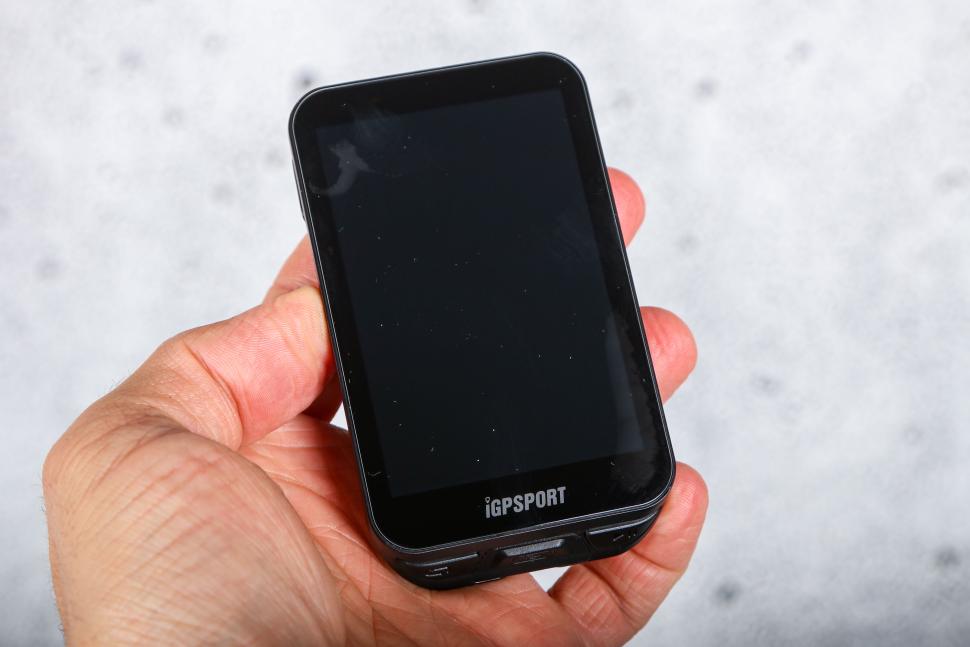
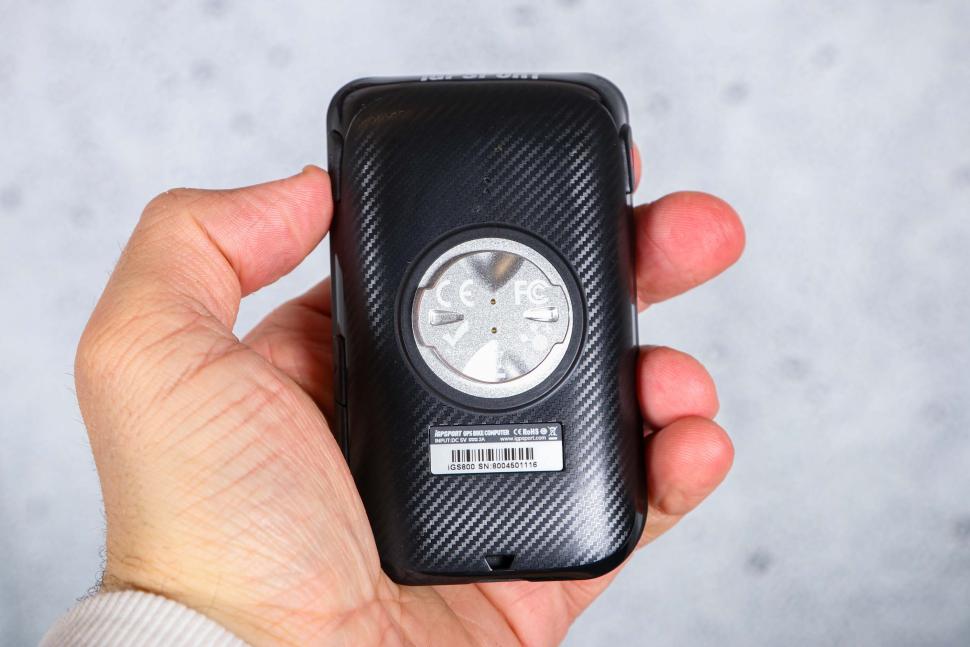
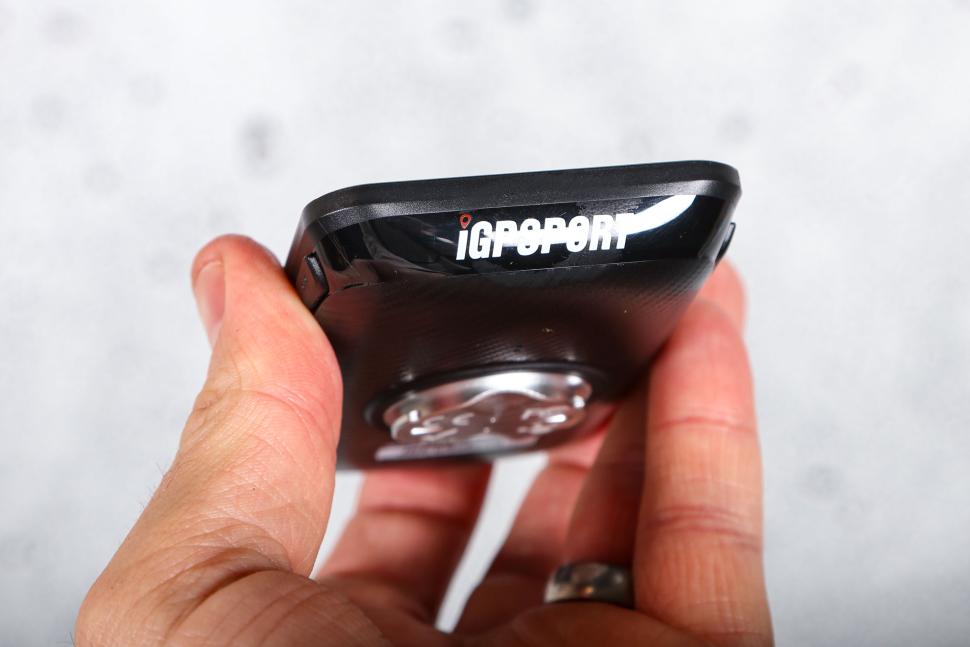
Straight out of the box, the iGS800 feels like a premium product. It’s not the slimmest or lightest unit out there at 110g and 99 x 60 x 21mm, but with the size of the latest Garmins and Wahoos it seems like bigger is better.
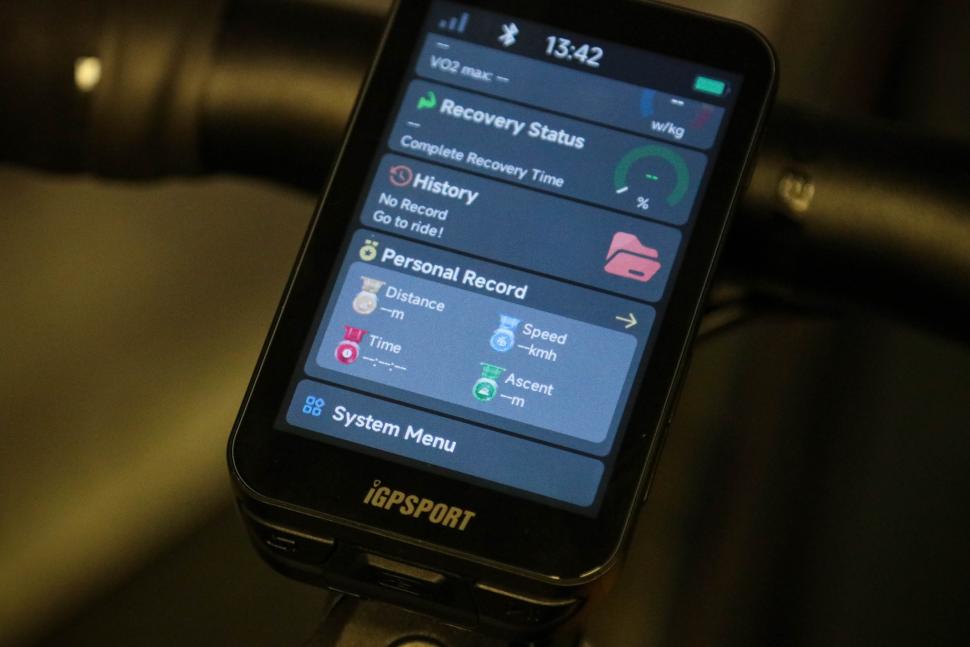
You get a large 3.5-inch full-colour touchscreen that’s bright, vibrant and readable even under direct sunlight, with a resolution of 320×480 pixels. This is a high point of the unit and one that significantly enhances its usability during rides. I would say that even having used some more higher-end, more expensive units, this is probably the best display I have come across to date.
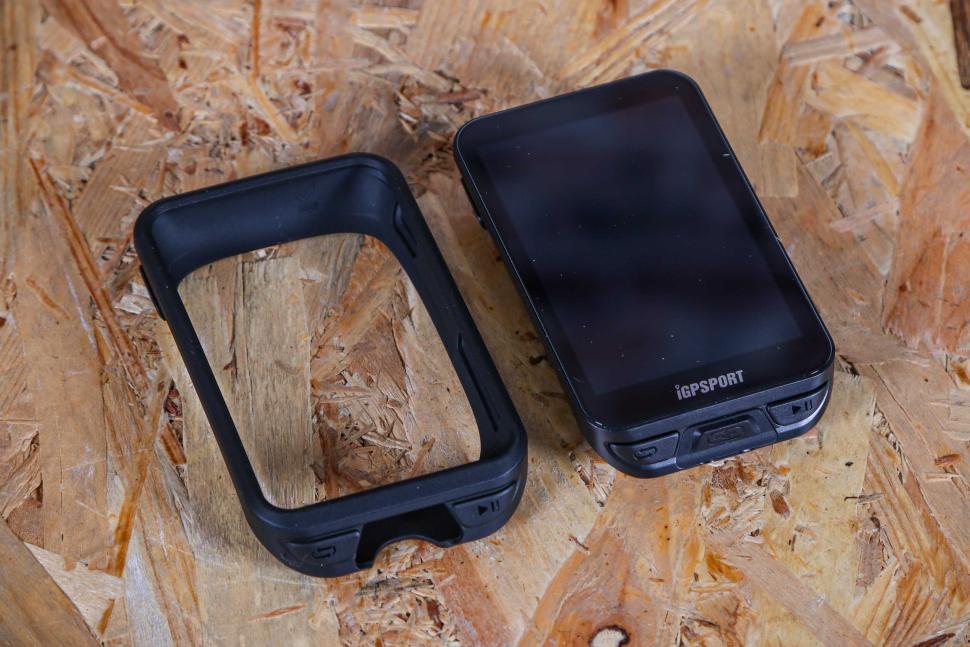
The screen is protected by Gorilla Glass and the body is made from a solid-feeling plastic composite. It also comes with a silicone case, which is a nice touch, though it is a bit on the loose side. This is a shame, as it means it’s not quite as protected and doesn’t look as good either.
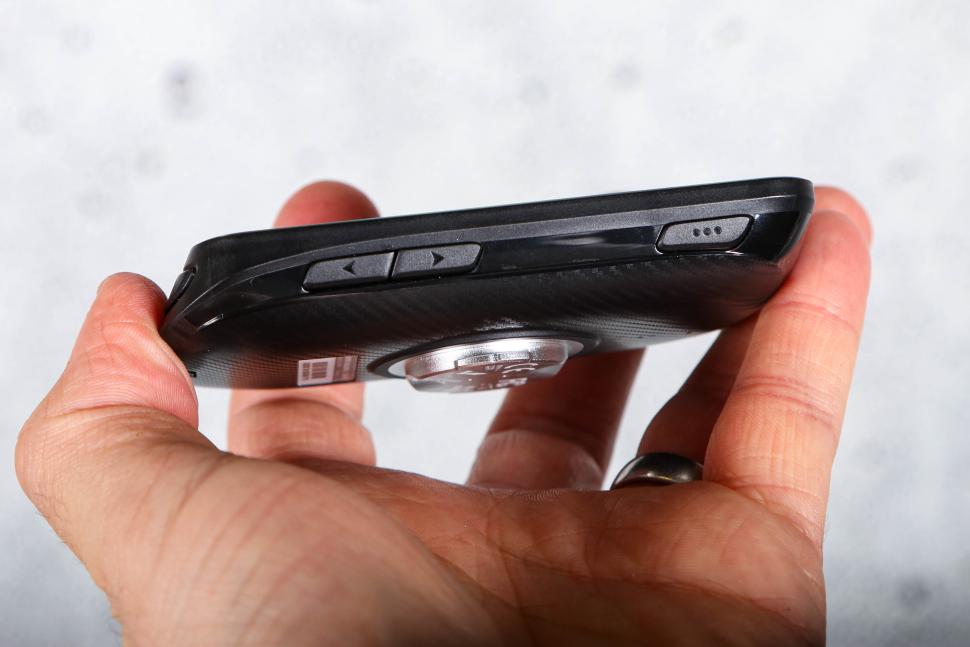
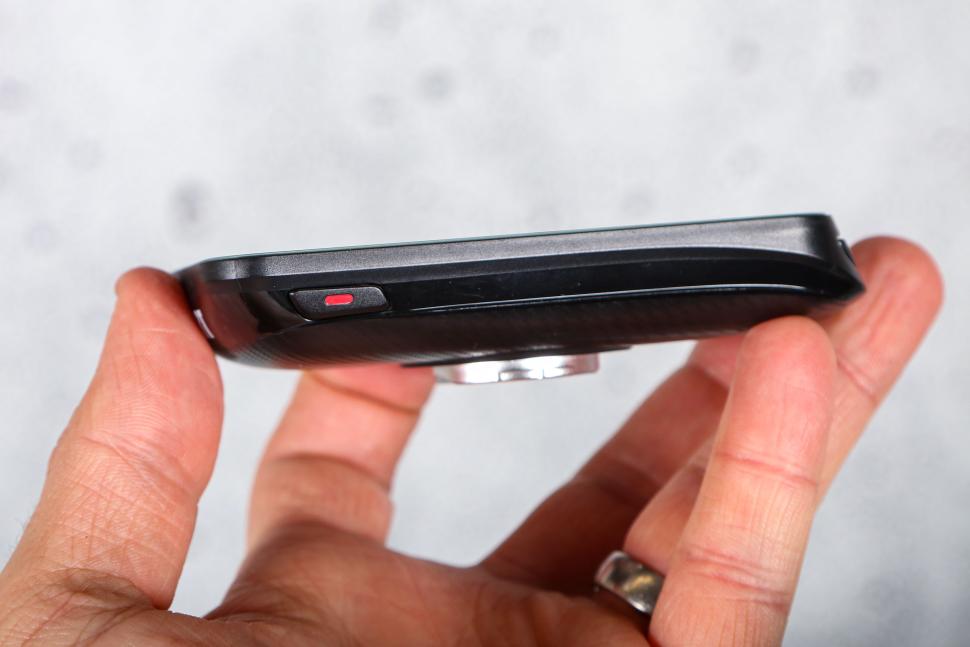
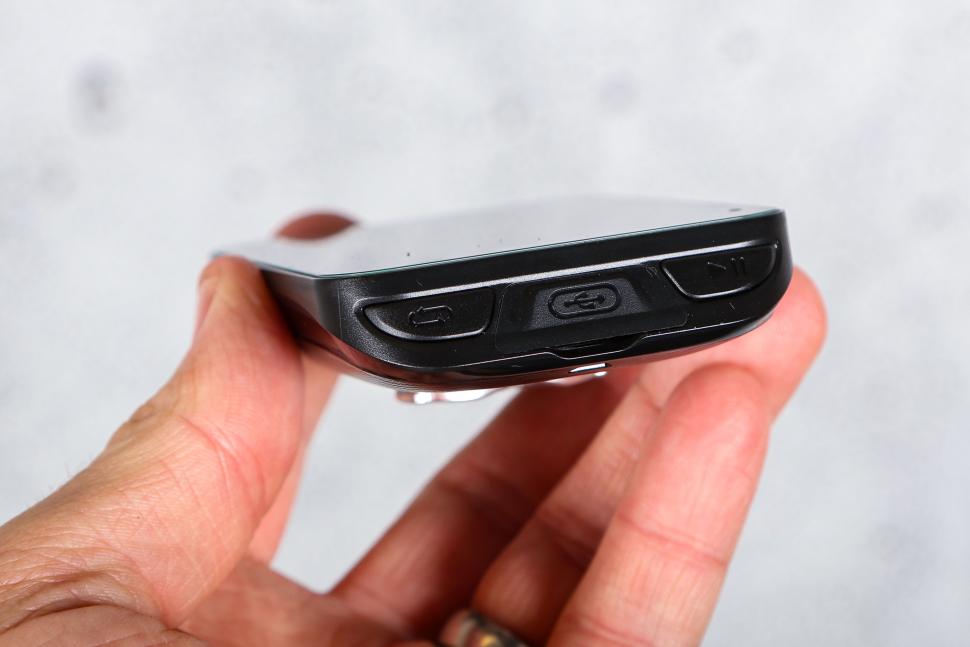
Then device has three buttons on each side, which work in tandem with the touchscreen.
It may not sound revolutionary, but the combination works well in practice, especially when you’re navigating menus with gloves on or in poor weather. I tested this using some full finger winter gloves that aren’t great on touch screens and I was very appreciative of the physical buttons which give a bit more predictability.
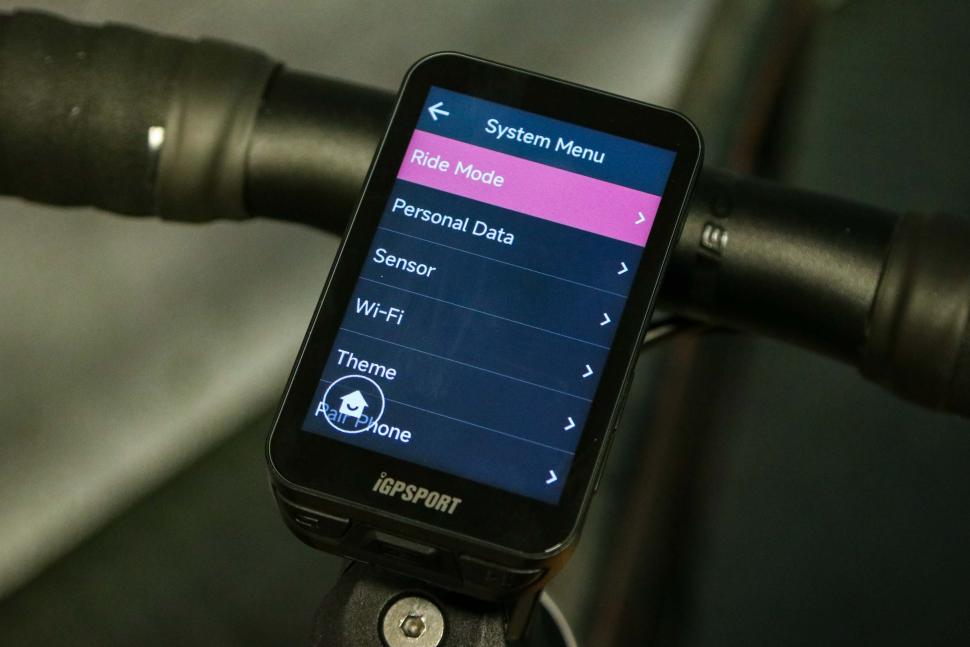
Setup and interface
Initial setup is straightforward. You pair the iGS800 with the iGPSPORT app via Bluetooth, and from there you can configure profiles, sync data fields, and plan routes. The app is clean and modern-looking, and while it doesn’t quite match the polish of Garmin Connect, it’s more intuitive than Wahoo’s current offering.
Once you’re riding, the user interface is smooth, with clear fonts and easily digestible metrics. You can customise pages with up to 10 data fields, and switching between screens is snappy thanks to the responsive touch interface. The fields that you can choose broadly match what I would come to expect from a modern cycle computer, which makes the transition (and comparison) very easy, I effectively had the same data on my Garmin 820 as I did on this within two minutes of turning it on.
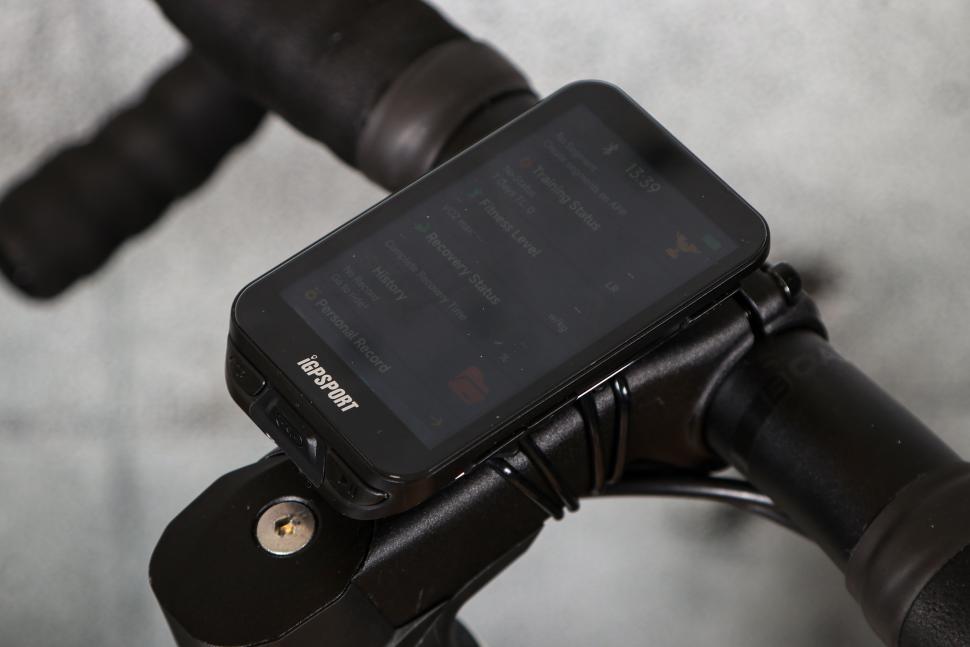
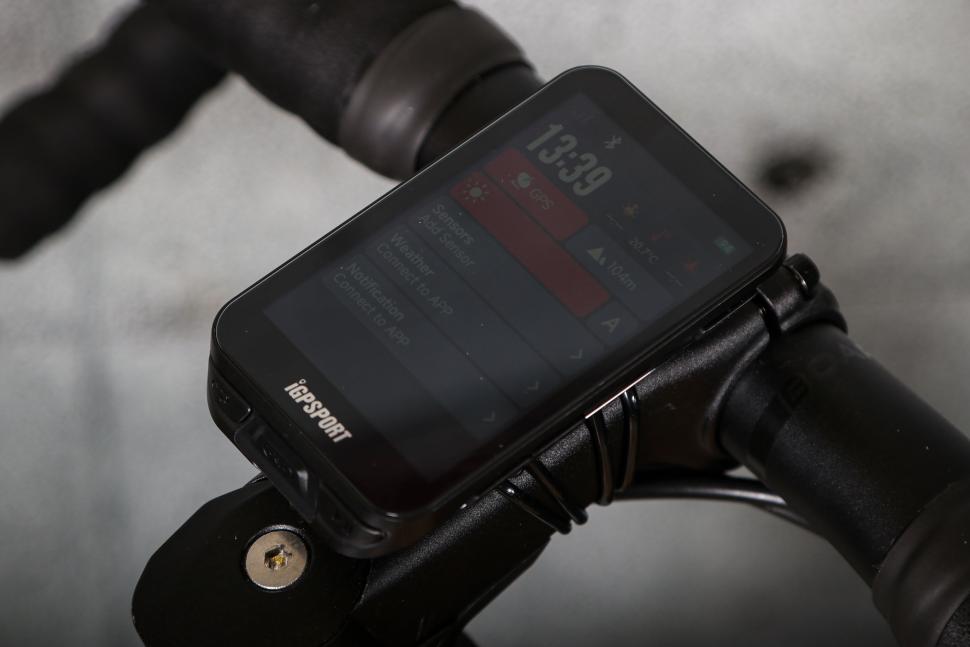
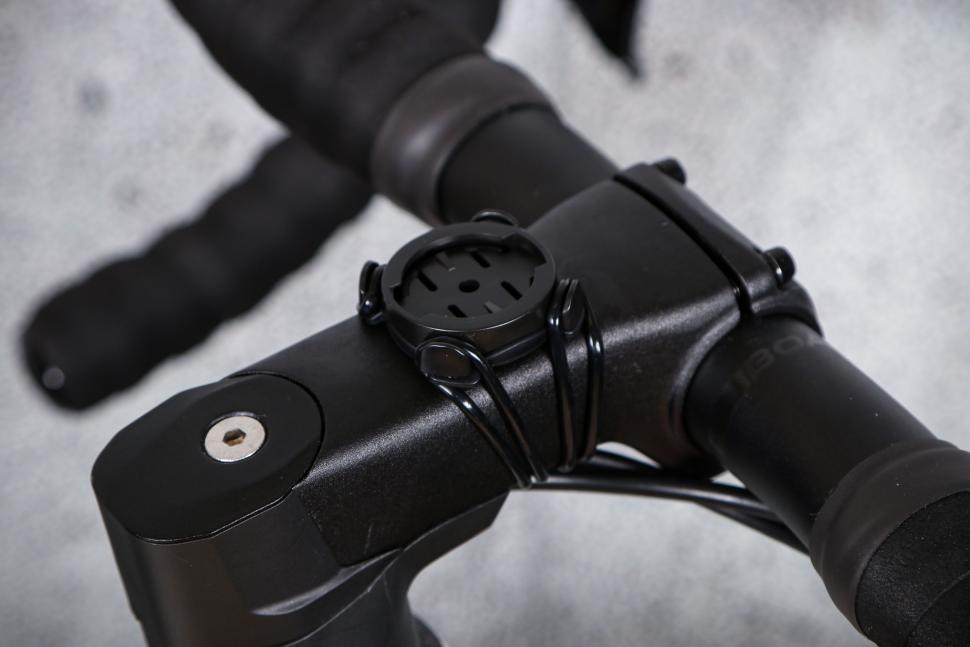
The unit comes with a stem mount only, which feels a bit of a let-down when you get an out-front as standard with Wahoo, Garmin and Hammerhead.
The unit itself does have a nice metal Garmin mount, which makes it feel more like a high-end product, but it takes a little more work to get it seated, which is a little frustrating.
However, once it’s on it does stay in place well. I used it on numerous different rides from high-speed downhills, wet rides and bumpy gravel forays without ever having any issues with its stability on the bar.
Navigation and mapping
When it comes to navigation, the iGS800 punches above its weight. It supports multiple satellite systems (GPS, GLONASS, Galileo, Beidou, and QZSS), along with dual-frequency GNSS, which apparently makes a noticeable difference in areas with poor coverage such as a densely wooded area or an urban canyon. I live in the Cotswolds, where dense forests and skyscrapers are thin on the ground, but I’ve no reason to doubt that it works.
The maps are basic but functional. You get turn-by-turn directions, breadcrumb trails and the ability to reroute if you go off-course. However, unlike Garmin or Hammerhead, you don’t get full topographical or contour mapping. That won’t be a dealbreaker for many, but if you’re often venturing into the unknown, you might miss that extra level of detail.
You can plan routes on the companion app or import them from third-party platforms like Komoot or Strava, and syncing is quick over Wi-Fi.
Training tools and metrics
If you’re a data-hungry rider this is where the iGS800 starts to shine. It tracks everything you’d expect: power, cadence, heart rate, speed, elevation and more. It also offers metrics like Training Load, VO2 max (when paired with appropriate sensors), and recovery time.
The standout feature here is iClimb Pro, which automatically detects climbs on your route and provides gradient profiles and remaining ascent in real-time. It’s not quite as polished as ClimbPro on Garmin devices, but it works pretty reliably and gives you enough warning to prepare for an effort.
Real-time segments work similarly to Strava Live Segments, though it lacks full integration. You get basic feedback when approaching a segment and during your effort, but not the in-depth breakdown you might find on more expensive units.
In general I found that the metrics were pretty good with things like heart rate, cadence, speed and the like all being similar to what I was seeing on an Apple Watch Ultra and my Garmin unit. However, I found that gradient readings were pretty unpredictable on shorter climbs and not always accurate, for instance I would sometimes feel the hill ramp but the gradient wouldn’t change for more than 10 seconds on the unit, which was a little annoying.
Connectivity and integration
The iGS800 supports ANT+, Bluetooth, and Wi-Fi, which covers pretty much every situation. You can connect heart rate monitors, power meters, cadence and speed sensors, smart lights and even e-bike systems like Shimano Steps. Di2 integration is included, allowing you to see gearing information onscreen. I also used this well with a radar system and it displays vehicles coming up behind you accurately and timely in the same way as a more premium unit.
You also get standard smartphone notifications, including calls and texts, although you can’t respond directly. It’s useful without being intrusive.
Data syncing is seamless. After each ride, the file uploads automatically to the iGPSPORT app and can then be pushed to Strava, TrainingPeaks, or any other linked platform. Firmware updates are handled over Wi-Fi too which saves on having to check through the app, which is a nice touch.
Battery life
If battery life is important to you (and it should be if you’re doing long rides or bikepacking), the iGS800 is one of the best in its class. iGPSPORT claims 40 hours of use in full mode and up to 50 in power-saving mode. In real-life with sensors connected and brightness at a decent level this works out at about 35 hours, which is still very good.
The new Hammerhead Karoo 3 has 15 hours in default mode and 30 hours in battery saver. The Garmin Solar 1040, which is famed for its battery life, offers up to 45 hours in normal use and 100 hours in battery saver mode, but is basically double the price.
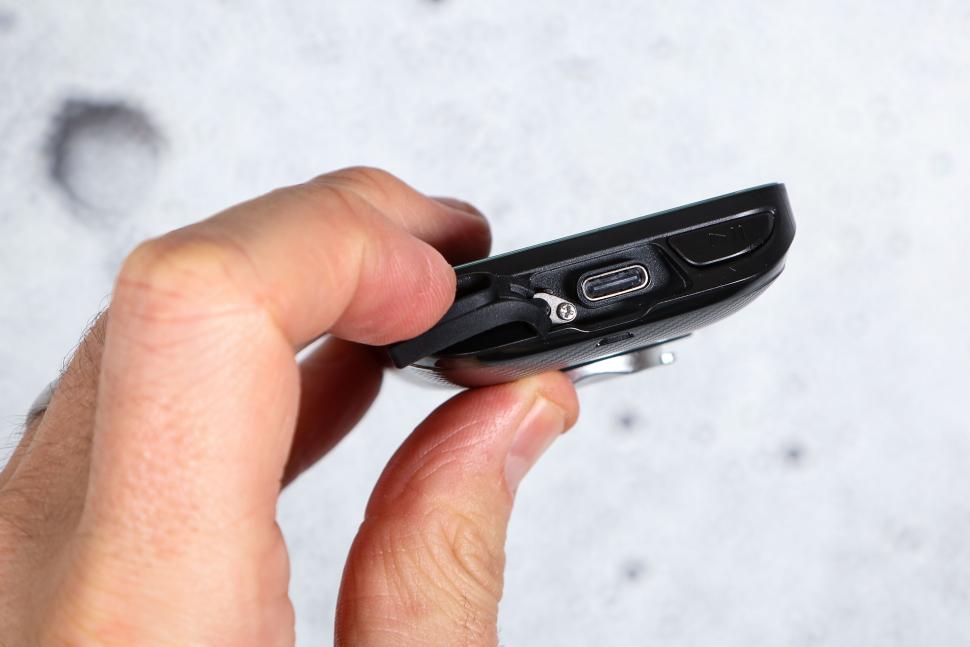
Charging is handled via USB-C, and a full charge takes around 2.5 hours from a socket.
Value
The IGS800’s £359 RRP is very good compared to others on the market with a similar sized screen and similar features.
The Wahoo Elemnt Ace costs £549.99. It has a similar 3.5 inch screen, and though I’d say the iGS800’s screen is superior, the iGS800 lacks premium features such as auto brightness and it doesn’t come with an out-front mount.
Stu tested the Hammerhead Karoo 3 last year, which has a similar quality, a brilliant screen, and a price tag of £450. This is the nearest competitor of the GPS units we’ve tested, though the Hammerhead is definitely more refined and comes with an out-front mount.
Verdict
The iGPSPORT iGS800 gets most of the important things right. It’s not the most premium unit out there, but it delivers an impressive combination of features, performance and endurance at a price that makes it easy to recommend.
You get a bright, usable display, strong sensor compatibility, useful training metrics, and very competitive battery life. Navigation is good enough for most people, even if it lacks some of the finesse of its more expensive rivals. It has a few rough edges, such as some translations that are a bit odd, and the lag on gradients isn’t ideal. But if you’re looking for a solid computer, a good screen, and an impressive battery, the iGS800 is well worth considering, rough edges and all.
Verdict
Very decent and much cheaper alternative to the more premium brands, which is reflected in a few rough edges
All the deals displayed on our review pages are pulled from a constantly updating database feed of the best affiliate deals available. The criteria for deciding on what are the best deals is who is offering the lowest, delivered price. In most cases we will be showing the very best deal available online, but sometimes you may be able to find an item cheaper. If you can please feel free to post a link in the comments box below. To find out more about affiliate links on road.cc click here.
road.cc test report
Make and model: iGPSPORT iGS800
Size tested: One Size
Tell us what the product is for and who it’s aimed at. What do the manufacturers say about it? How does that compare to your own feelings about it?
The blurb says: “Go for Pros, Power in Every Path.”
It then goes on to mention the bigger screen, thinner body, faster positioning (dual-frequency, five-satellite positioning), longer battery life, more accurate navigation, richer ecology, know more about riding (training status assessment, real-time physical fitness monitoring, training effect analysis, physical recovery tracking).
Overall I’d say that iGPSPORT has created a good product, albeit one with a few rough edges.
Tell us some more about the technical aspects of the product?
Screen size
3.5″
Screen resolution
320 x 480
Touchscreen
Appearance size
99 x 60 x 21mm
Weight
<120g
Buttons
6
Language
Multiple language
Battery type
Lithium battery
Battery capacity
2050mAh
Charging time
1.5 hours
Battery life
50+ hours
USB
Type-C
Memory
32GB
Barometric altimeter
Accelerometer
Light-sensitive
Waterproof
IPX7
GPS system
FULL GNSS+Dual-band (L1+L5)
Ephemeris (AGPS)
Temperature
Calories
Altitude
Gradient
Manually calibrate the height
Cycling shortcuts
Riding assistant
Smart notification
Smart Notification List
Weather
Speed sensor
(BLE/ANT+)
Cadence sensor
(BLE/ANT+)
Heart rate sensor
(BLE/ANT+)
Power meter
(ANT+)
FTP measurements
FTP auto-detection
Radar tail light
Smart lights
E-bike
Smart trainer connection
Smart trainer controls
Training mode
SRAM eTap
Campagnolo EPS
Shimano Di2
Di2 control
Single page data
12
Customize startup screen
Lap(Manual/Auto)
Theme mode
Riding mode
Dynamic data
Auto brightness
Auto backlight
Auto pause
Auto sleep
Auto shut-down
Automatic page turning
Warning reminders
Navigation
Map navigation
Map
Offline back on track
Riding auxiliary points
Turning tips
Climbing planning
Real-time tracking
iGPSPORT web upload&sync
iGPSPORT APP upload&sync
Strava upload&sync
TrainingPeaks upload&sync
Komoot upload&sync
It is fairly well made, but you can tell there are a few rough edges, such as a mount that’s not quite the same as Garmin’s, so it needs more effort than it should to fit the unit.
Works well, display is good, metrics are generally displayed well and accurately, but there is a slight lag in gradient.
Adds a point because of the silicone case, even if it is a bit loose. The metal mount is also a nice touch.
114g is a good weight, it’s about half of the new Wahoo and roughly the same as the Hammerhead Karoo 3.
It’s much cheaper than anything else of similar size and scope
Tell us how the product performed overall when used for its designed purpose
It works well, though it’s not quite as refined as more premium options – but then again it is £100 less expensive than its closest competitors, and basically half the price of other premiums options
Tell us what you particularly liked about the product
The screen is very good for a computer at this price.
Tell us what you particularly disliked about the product
The lag in gradient is a bit annoying – it’s frustrating when I’m grinding up a 14% wall and it’s telling me it’s 7%.
How does the price compare to that of similar products in the market, including ones recently tested on road.cc?
The Wahoo Elemnt Ace comes in at £549.99 and has a similar 3.5 inch screen. I think the iGS800’s screen is superior, though the unit overall has a couple of rough edges,
The £450 Hammerhead Karoo 3 is a similar quality unit and also has a brilliant screen. This is the closest comparison I could find of the GPS units we’ve tested, though the Hammerhead is more refined and comes with an out-front mount.
Did you enjoy using the product? Yes
Would you consider buying the product? Yes
Would you recommend the product to a friend? Yes – if they weren’t too wedded to polished edges
Use this box to explain your overall score
It is not as good as the Karoo 3 or the Garmin 1050, but it is so much more affordable that you can forgive some of the rough edges and weird translations.
About the tester
Age: 35 Height: 6 ft Weight:
I usually ride: CAAD13 My best bike is: Cannondale Supersix Evo
I’ve been riding for: 10-20 years I ride: Every day I would class myself as: Expert
I regularly do the following types of riding: commuting, club rides, sportives, general fitness riding, fixed/singlespeed,

3 thoughts on “iGPSPORT iGS800”
Theirs no way the screen is
Theirs no way the screen is the same on this as it is on the HH k3, I’ve had this and have the k3 and the latter has the better screen
I was surprised by this as
I was surprised by this as well. Also the 1050 which has been reviewed as a better screen than the K3 too.
Those 2 have screens (480×800px) and this one has 320×480 so 50% less pixels. Maybe a a squint and you notice it thing but quality and brightness tend to scale with the screen dimensions as well.
Bryton Rider S810, needs to
Bryton Rider S810, needs to be reviewed next.