



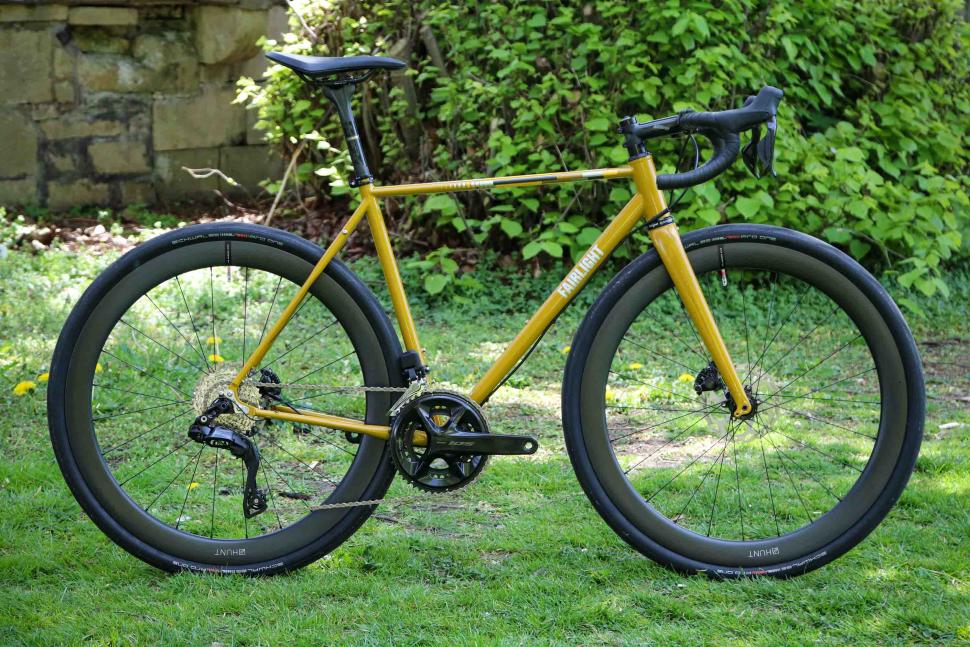
The new Fairlight Strael 4.0 pushes the boundaries of steel tubing even further – once again. This is not only by dropping a chunk of weight with the creation of a new tubeset, but by improving the ride quality to unprecedented levels I’ve never found on a bike made from any material before. It is both unbelievable and phenomenal. My only concern reviewing this Strael is that our scoring only goes up to ten – but, in true Spın̈al Tap style, Fairlight has ramped things up to eleven!
> Buy now: Fairlight Strael 4.0 for £3,369 from Fairlight
Check out our best road bikes buyer’s guide for more options.
Fairlight Strael 4.0: Ride
As you may or may not know, I have ridden all four iterations of this bike, and the Strael 2.0 and 3.0 are the only bikes I’ve ever given the full 10/10 score. Both times I was left thinking – where else can this platform be improved?
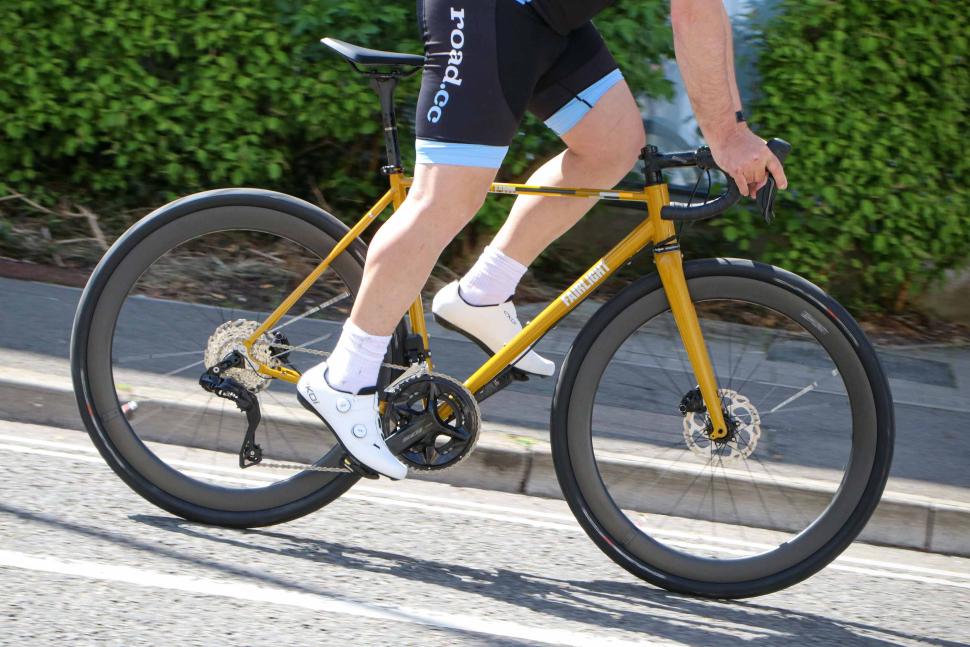


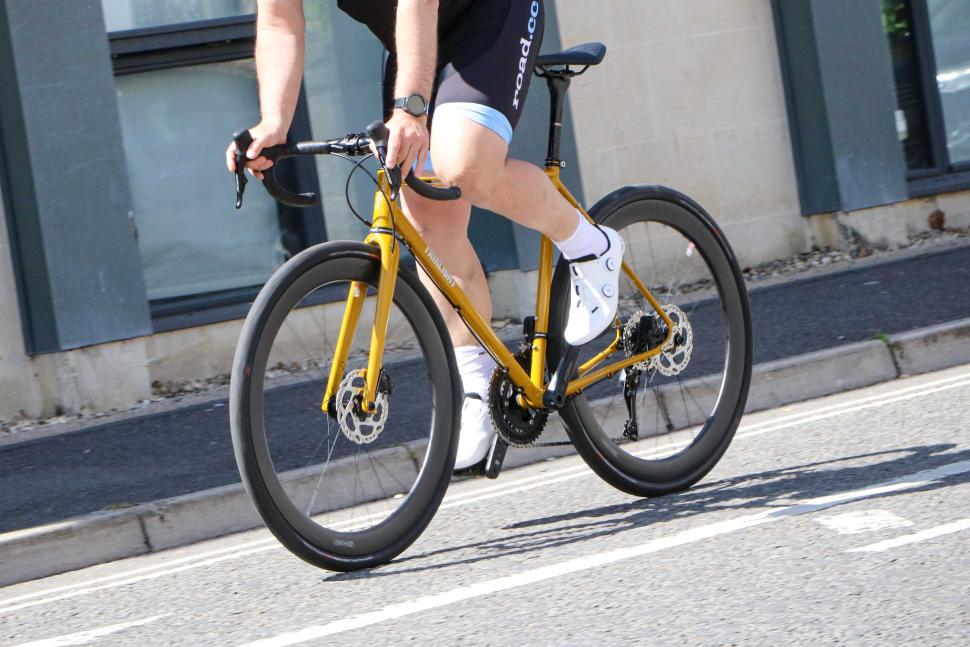
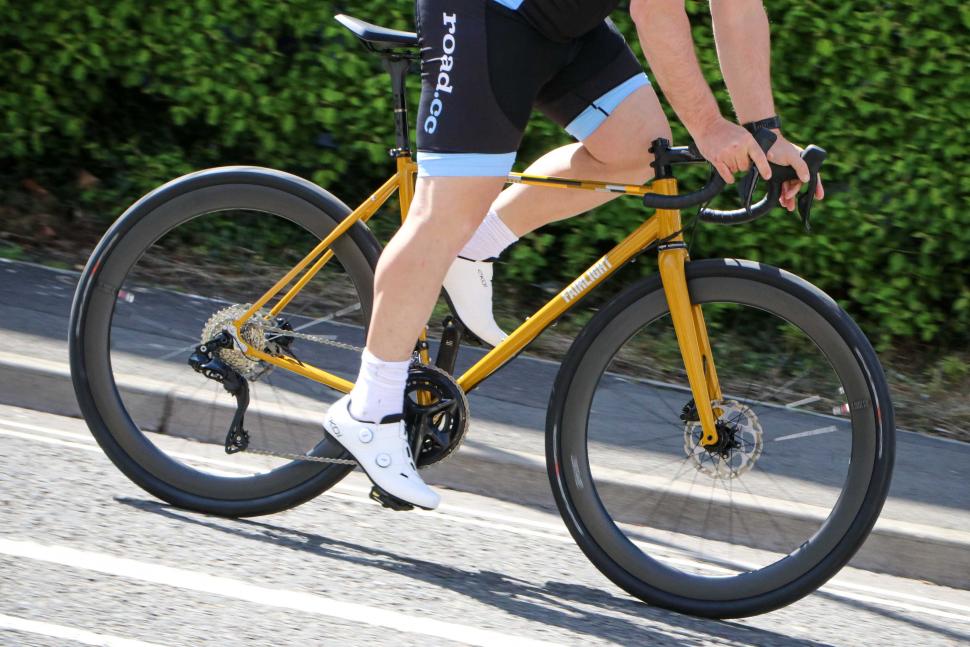
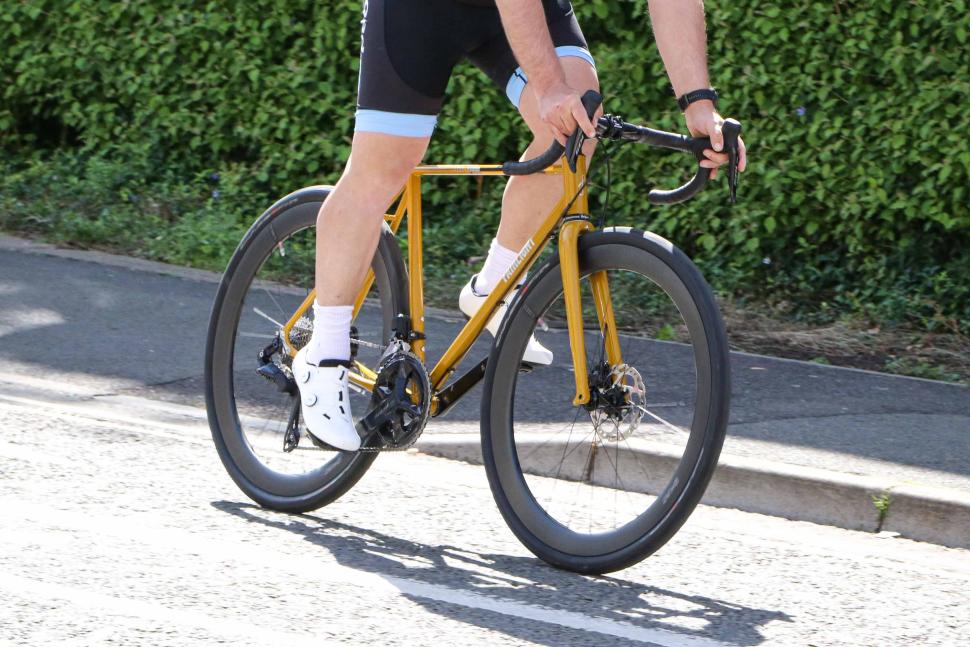
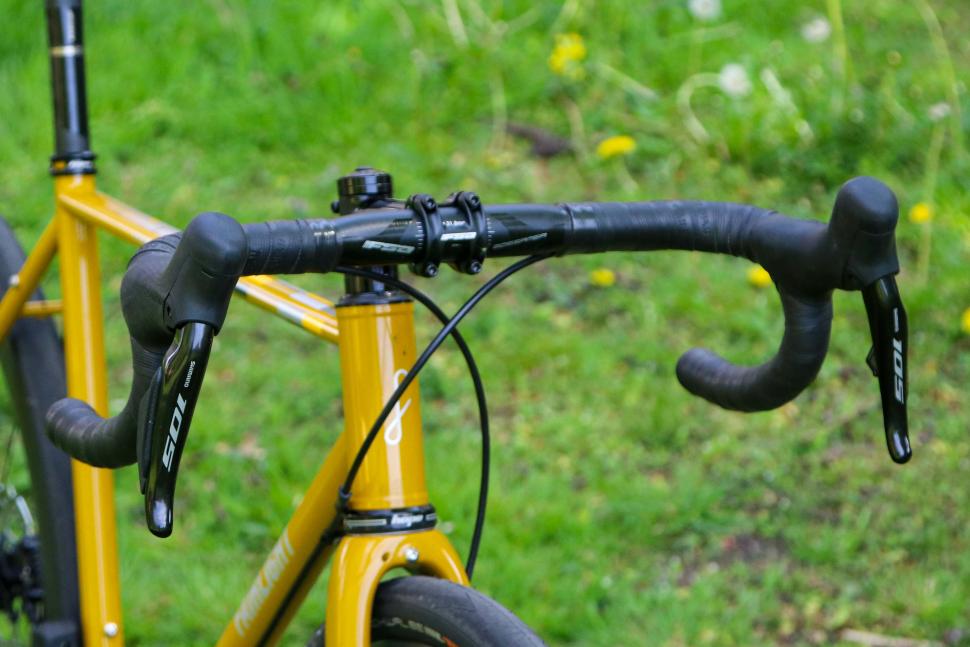
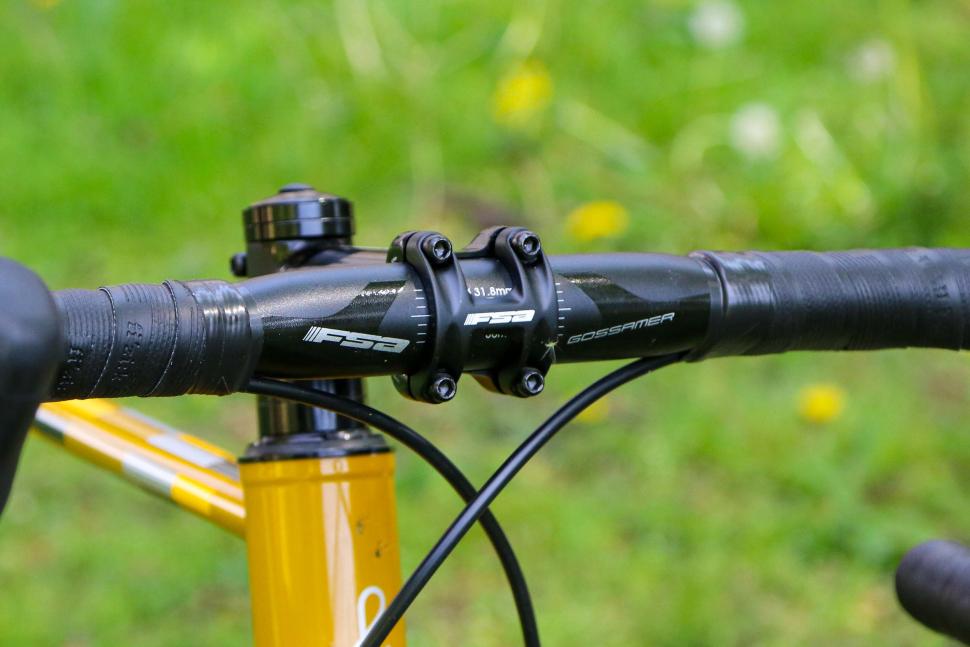
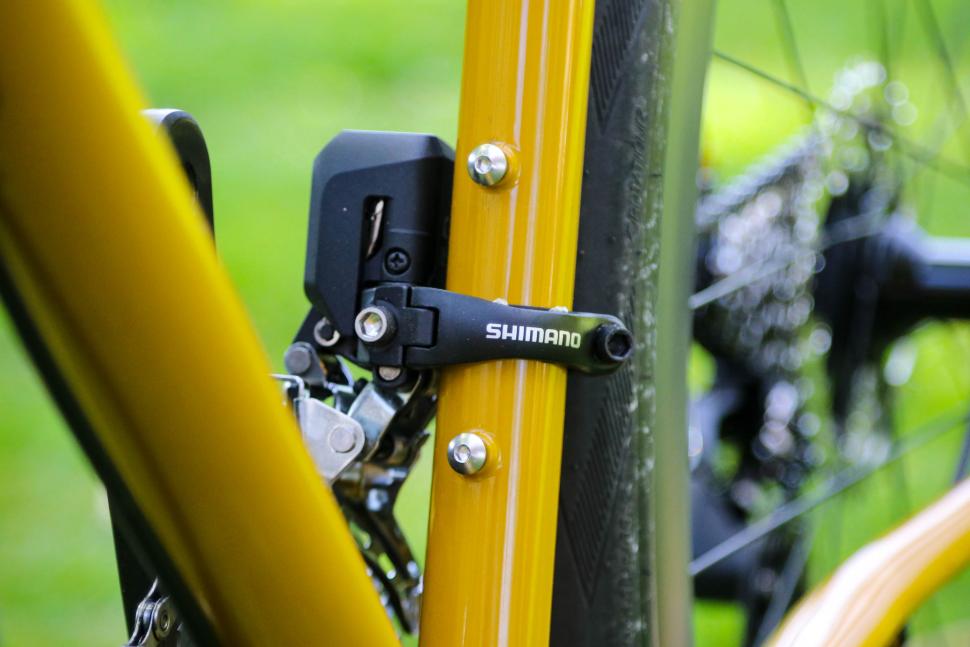
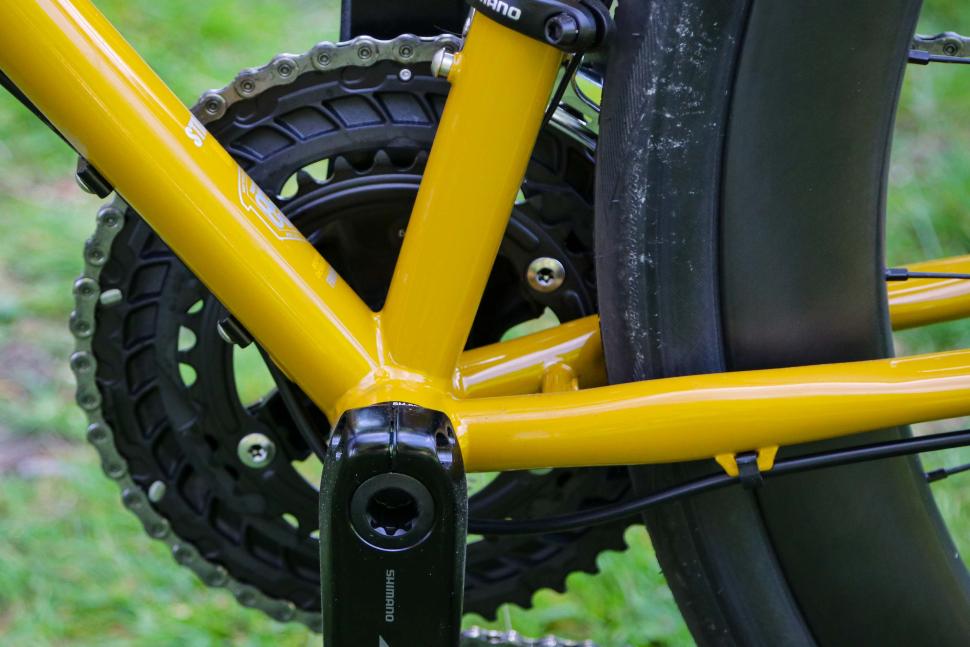
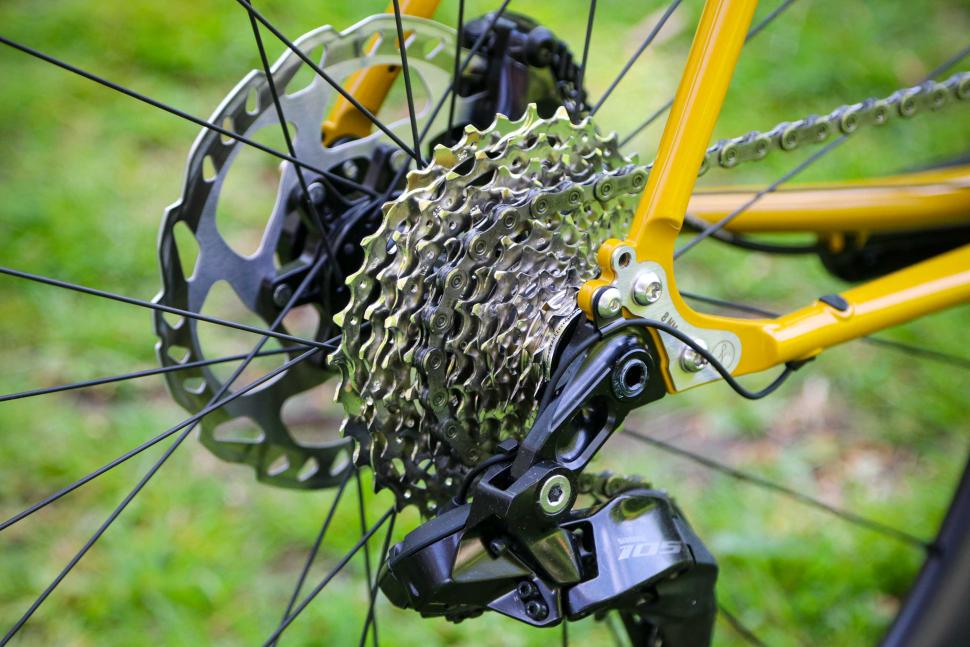
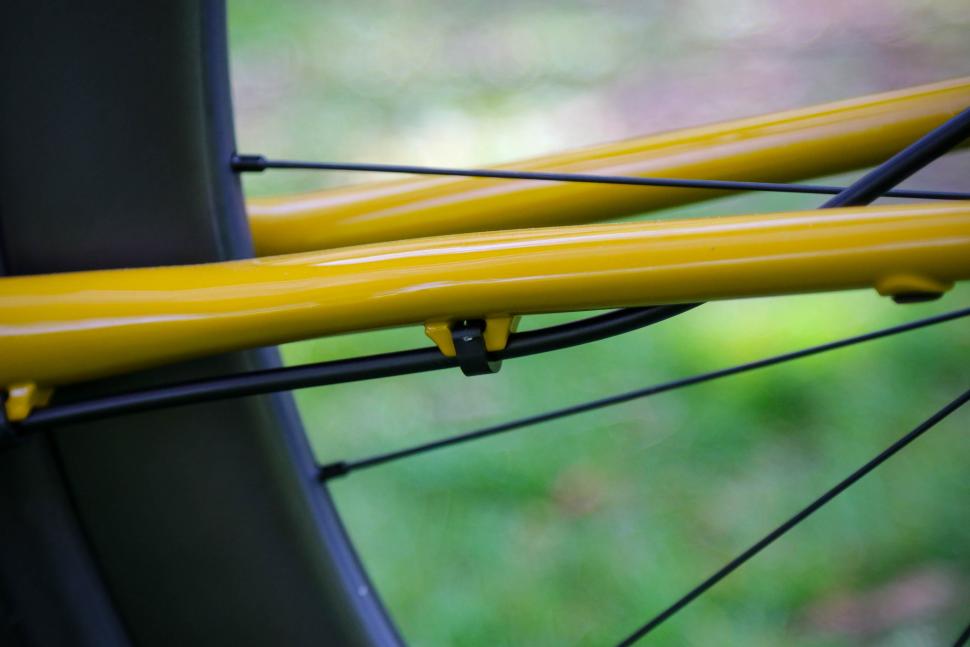
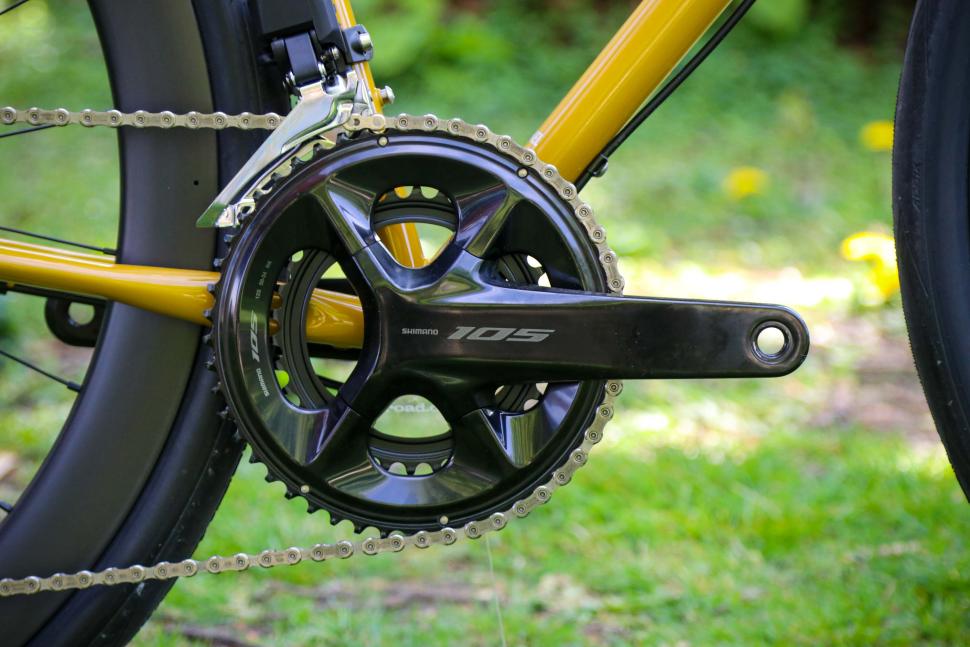

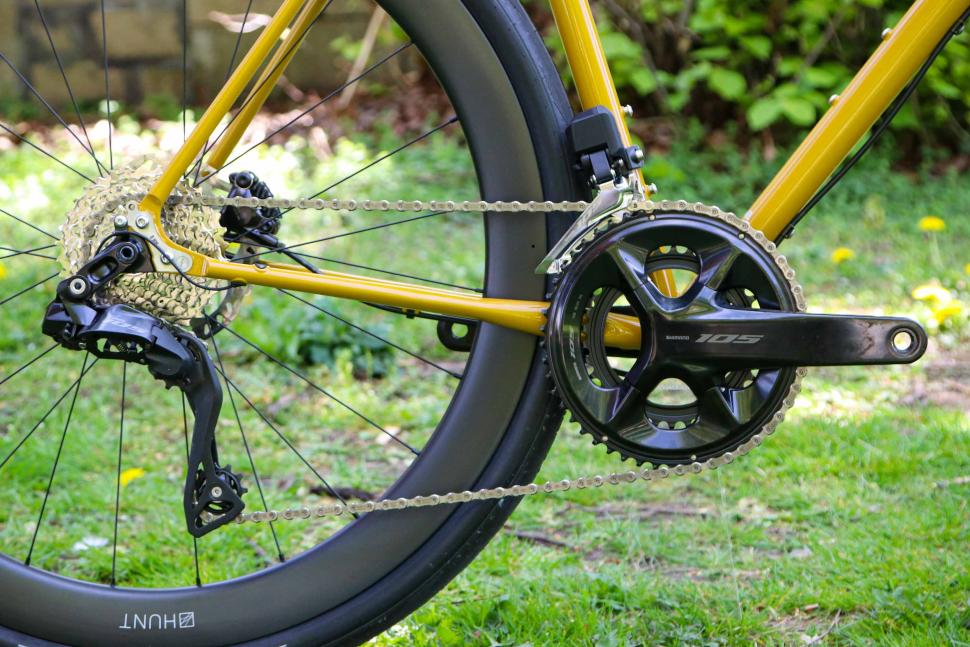
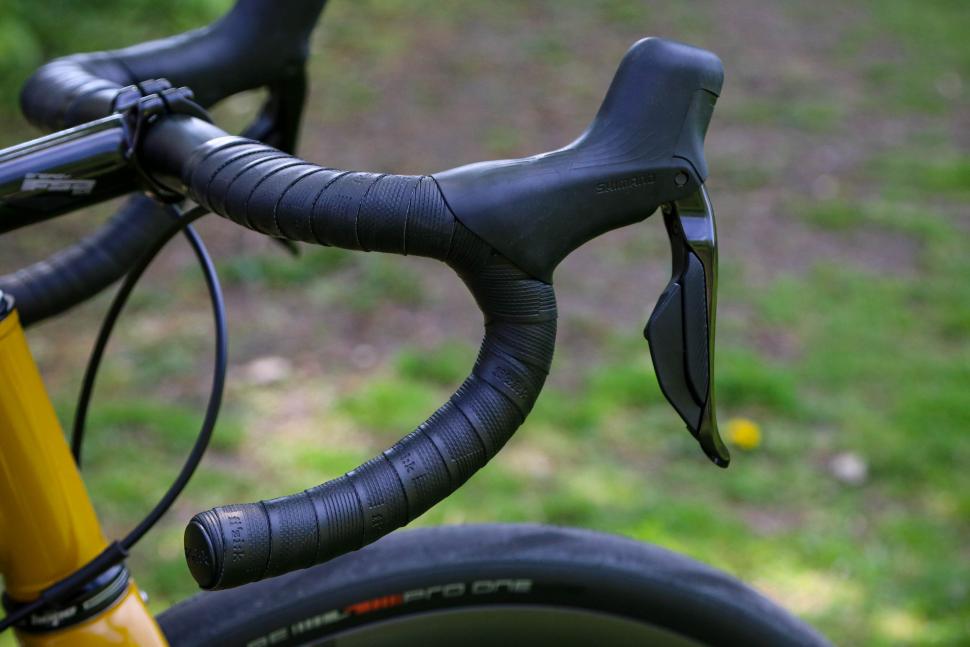
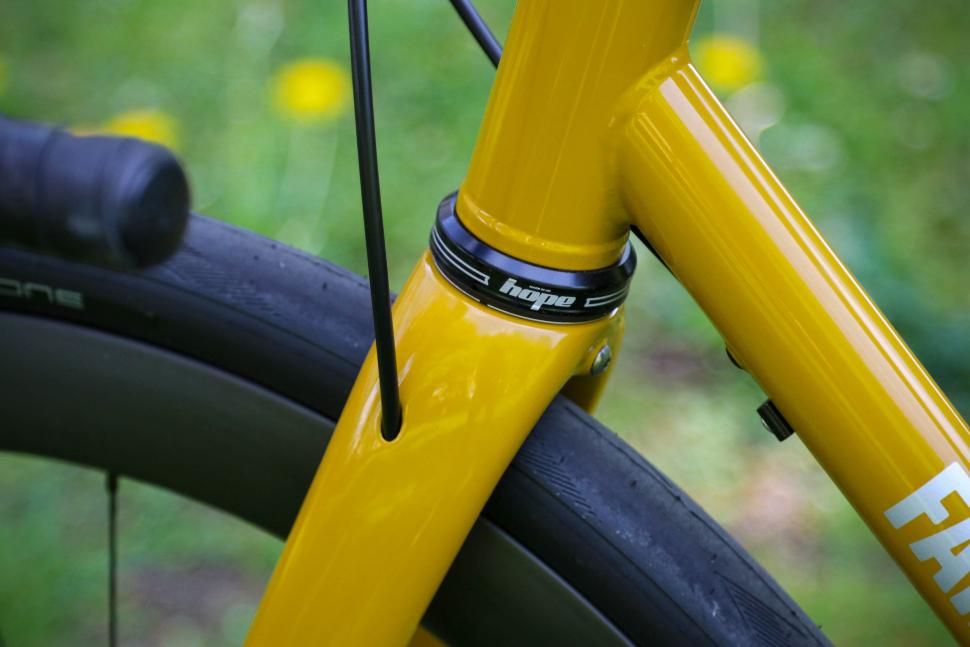
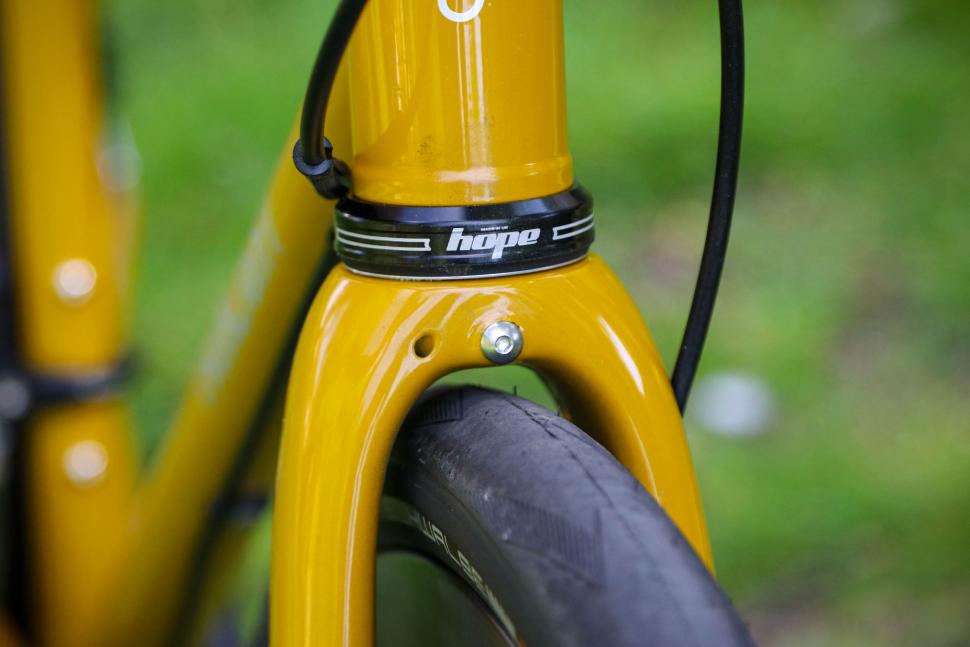
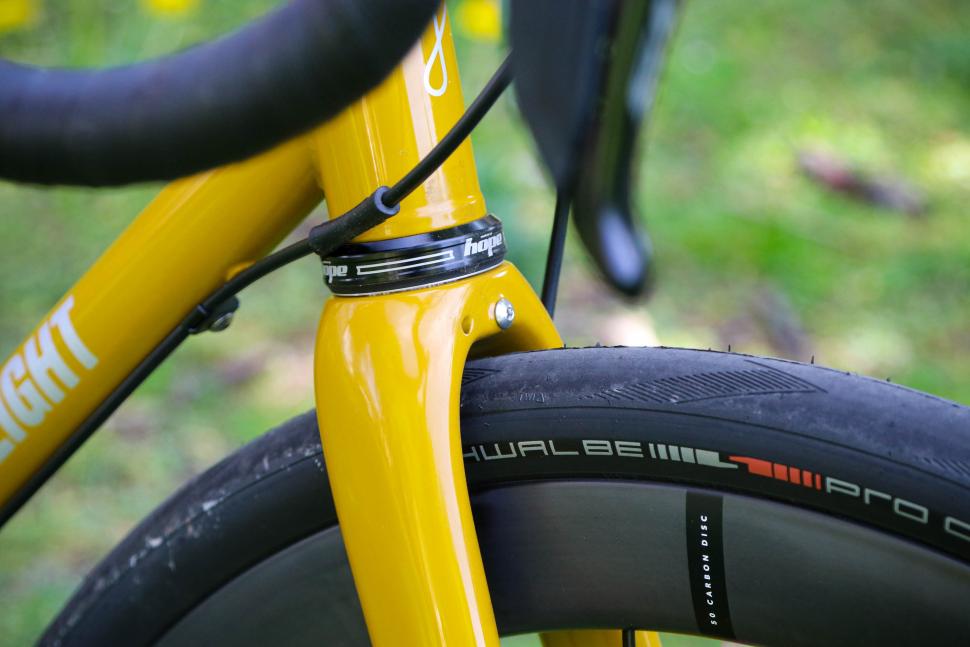
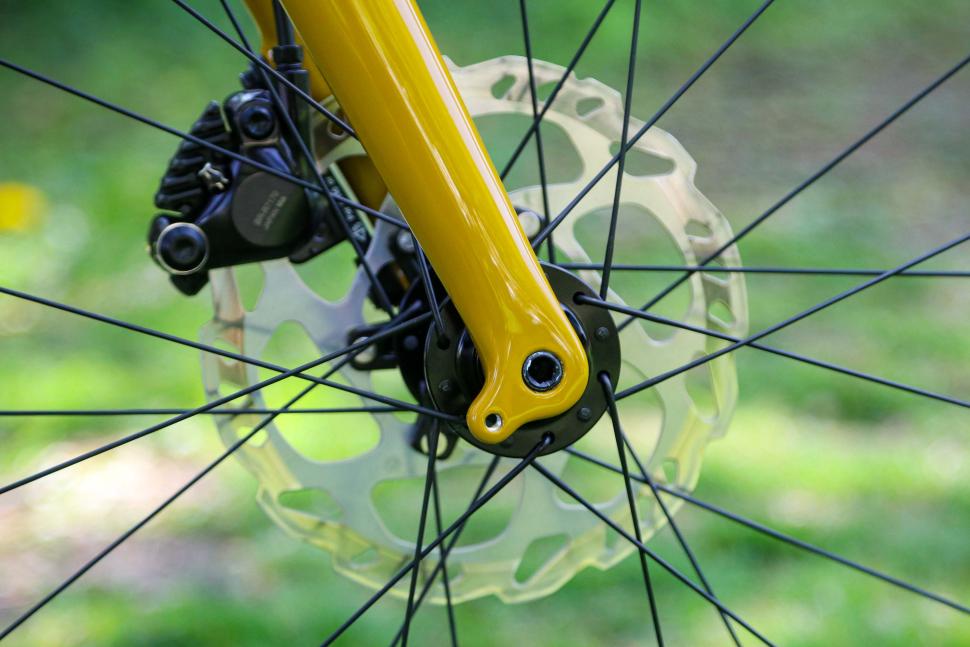
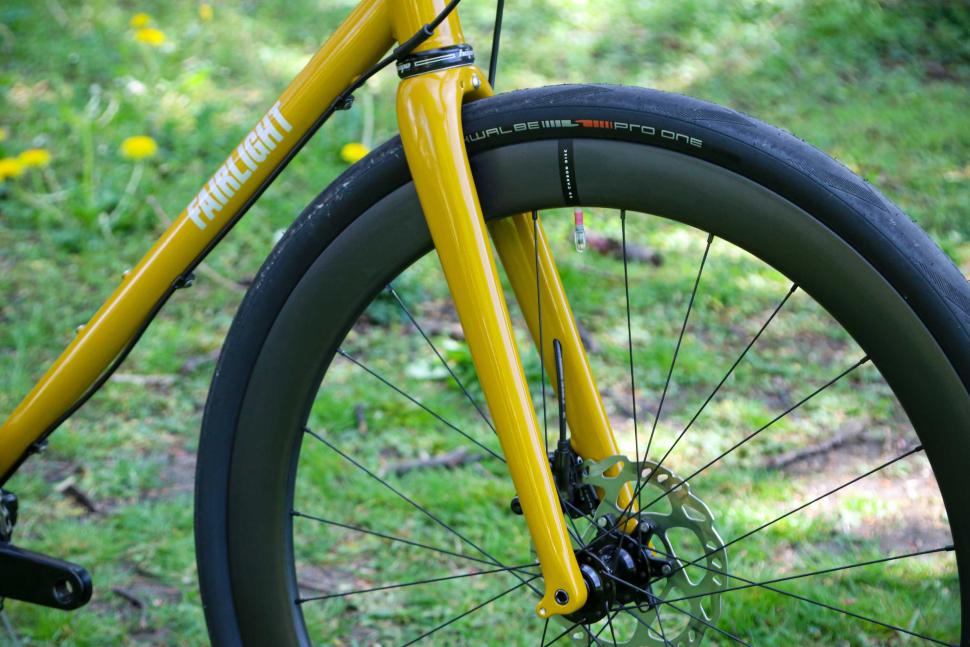
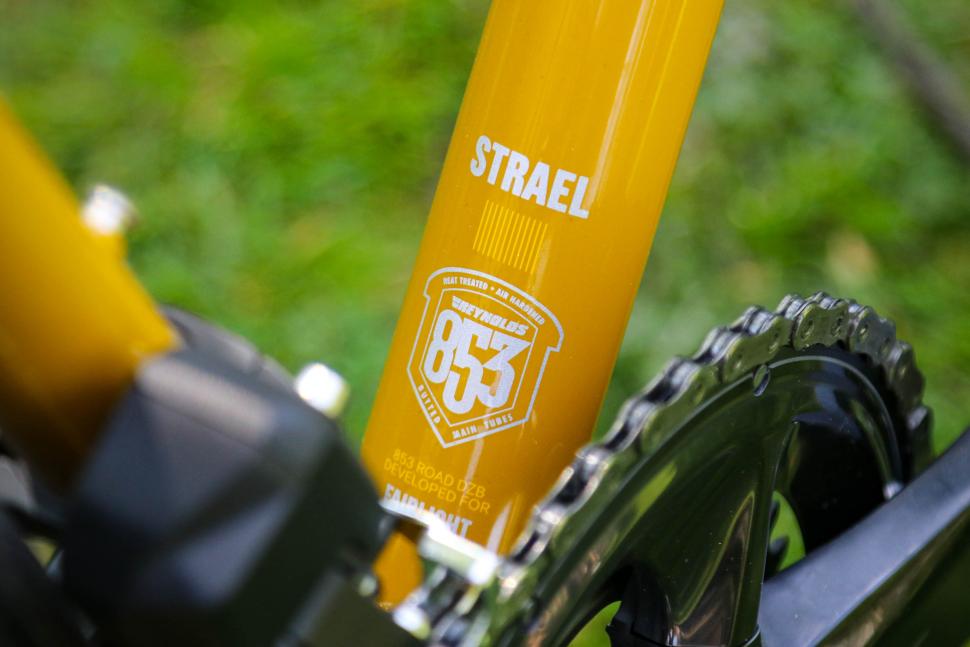
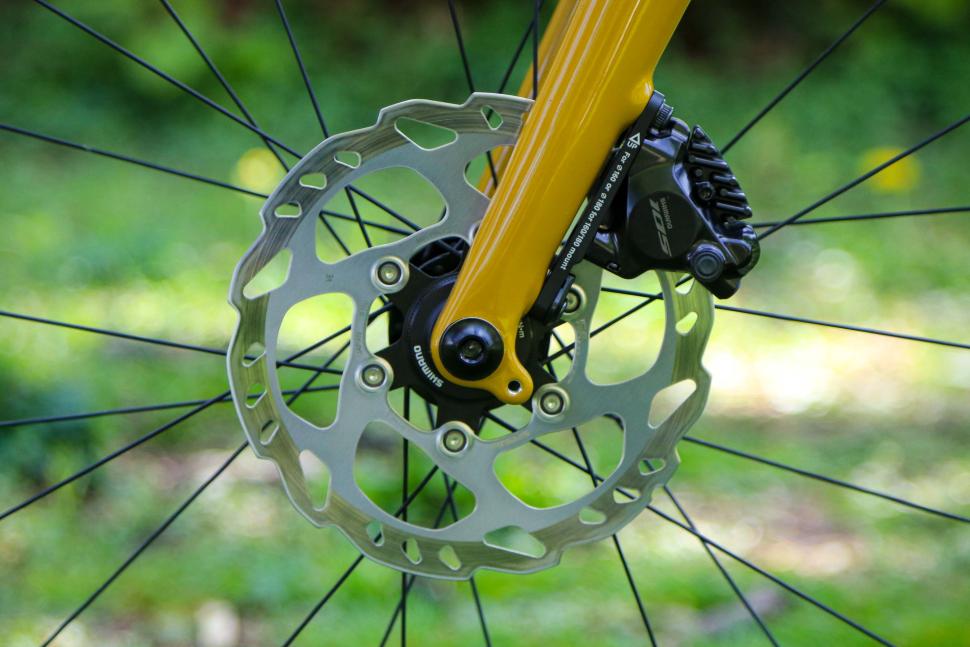
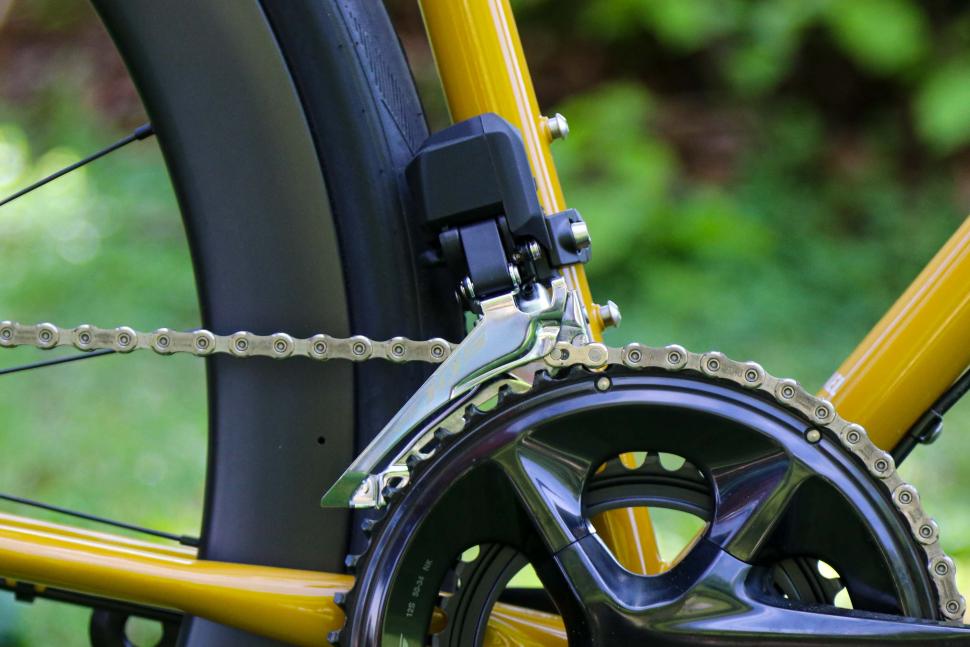

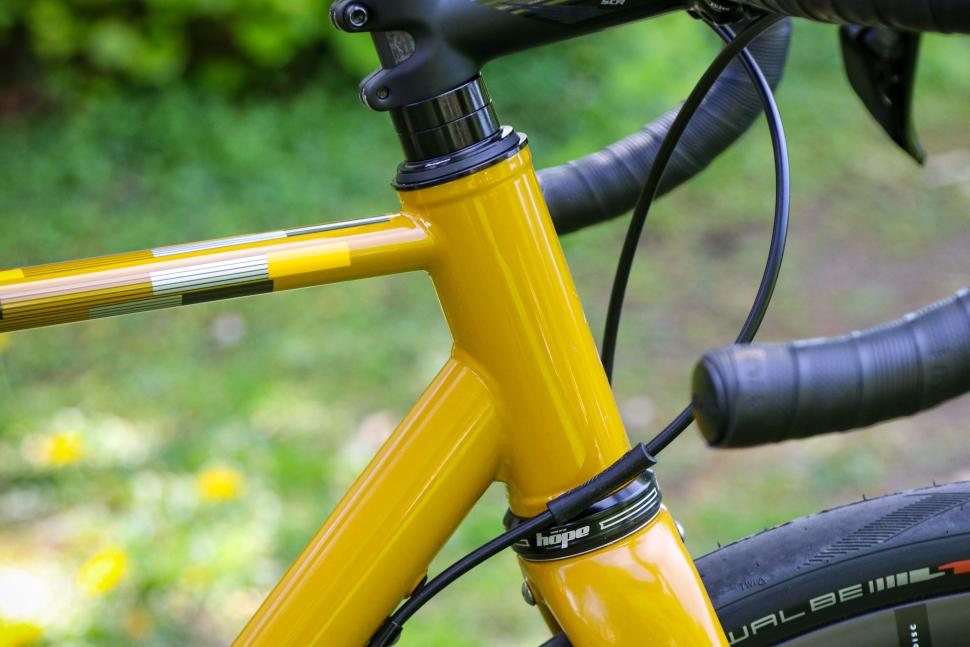

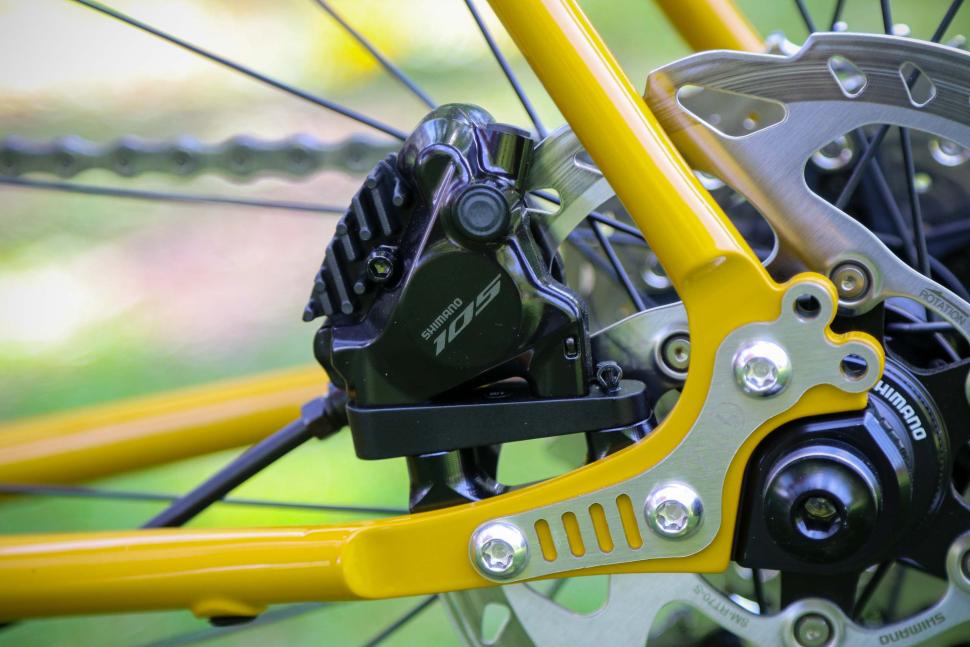
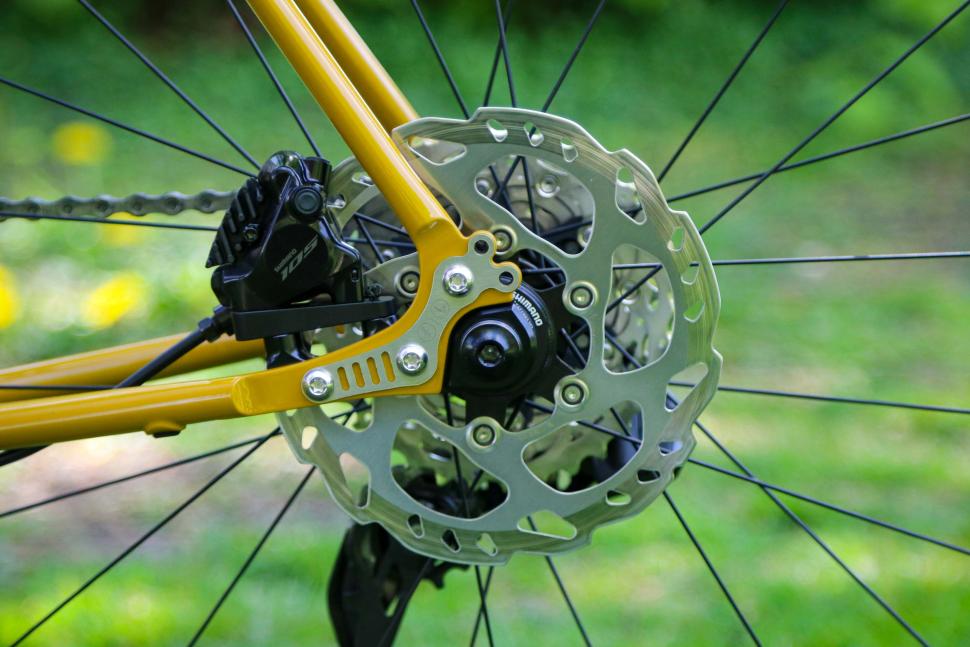

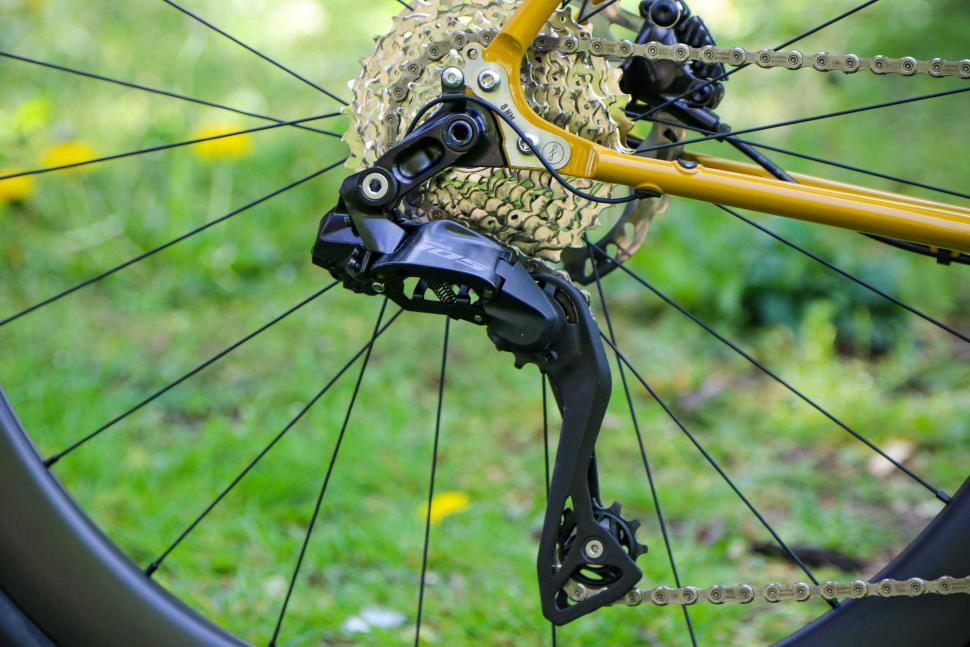

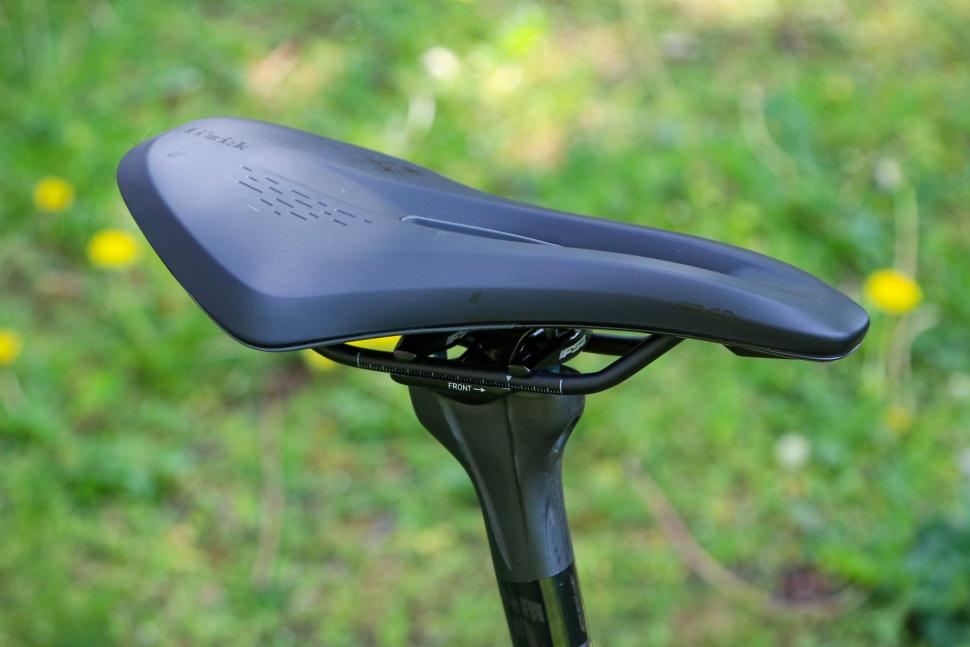
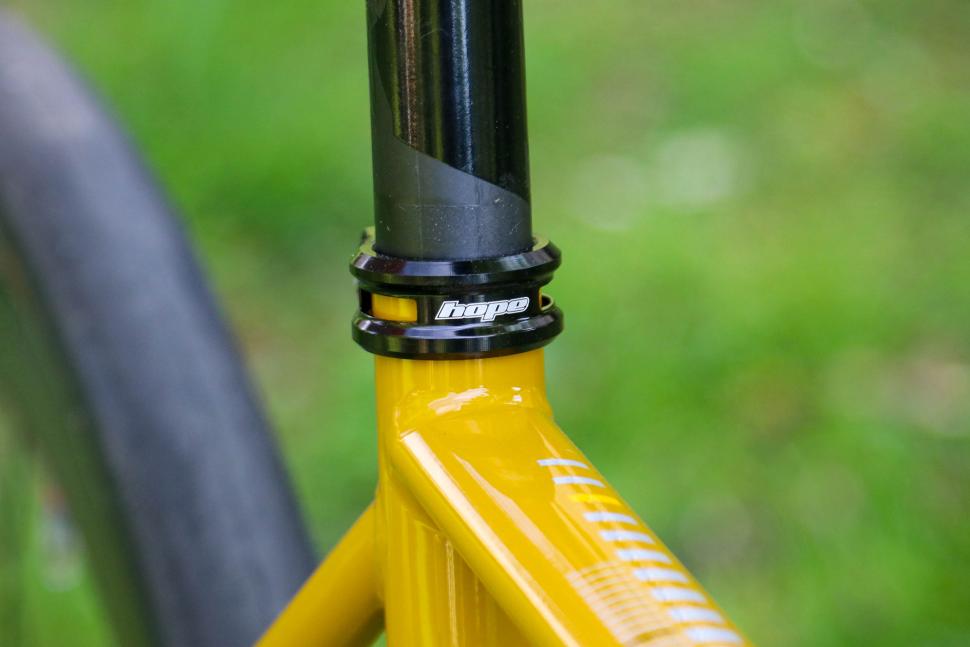
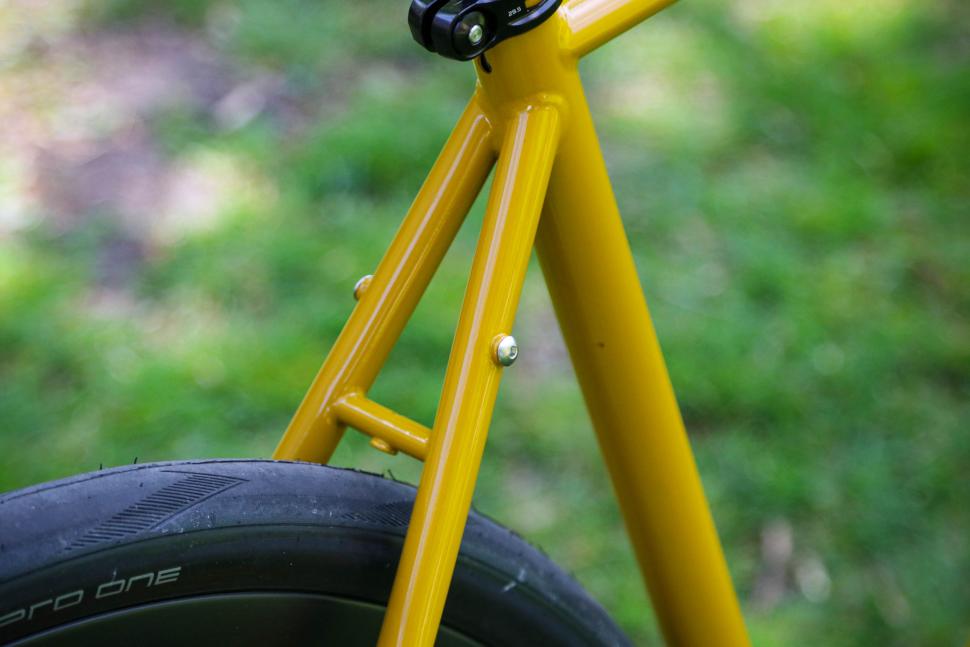

I’ll go into the full details of what has changed in the next section, but I don’t think I’d be wrong in saying that Dom Thomas, Fairlight’s co-founder and designer, is a tinkerer and not one to rest on his laurels.
Working in collaboration with Reynolds Technology Fairlight has created a brand-new tubeset for the Strael 4.0, with everything bar the head tube getting a makeover. One of the main benefits of this has been a weight reduction of around 280g over the 3.0 in this 54R size frame.
Now, if you want the lightest road bike for attacking the climbs you probably aren’t going to be looking at a steel frame. If you’re young enough to have been brought up thinking that carbon fibre is the only material for race bike creation then the 1,640g achieved by Fairlight isn’t going to impress you, but for those in the know – it will. Especially from a frame that passed all ISO fatigue tests on its first attempt.
And that’s the whole point. The Strael 4.0 hasn’t been designed to be the fastest, lightest, stiffest road bike out there, but god damn is it ever efficient!
This fully built bike with Shimano 105 Di2, alloy cockpit, carbon seatpost, 60mm deep-section wheels and 38mm tyres tipped our scales at 8.85kg, which I reckon is very decent indeed. It certainly feels sprightly and responsive out of the corners, showing no lack of stiffness around the bottom bracket either.
Before my first ride on the Strael I had spent a total of four hours on my Giant TCR and the only place I found a trade off switching from a carbon bike that weighs about 1.5kg less was on those punchy, steep climbs or when pulling away hard from a standing start. In fact, when comparing both on one of my twenty-mile test loops the average speeds were pretty much identical. The TCR was running 60mm-deep wheels while the Strael was on 50mm, with each bike being quicker in different sections, as highlighted by my Garmin Connect data.
I believe a lot of the Strael’s efficiency comes from its geometry. Fairlight offers a range of five frame sizes, all available in either a regular (R) or tall (T) geometry depending on your body proportions, giving you ten in total. This allows you to get a slightly more custom fit, and in my case the Strael 4.0 fitted me like a glove.
The handling is also a delight. Being designed as an all-road bike things aren’t as steep and aggressive at the front end as they are on a race bike, so you aren’t getting that razor sharp response you would on one of those, but it is still no slouch in the bends.
The planted feeling of the Strael, created by the geometry and the huge amount of feedback you get from the frameset, gives a massive confidence boost as you enter the corners, even on technical descents.
I have a twisty, technical downhill that I test all road bikes on as it covers a bit of everything from off-camber chicanes through to sweeping open corners where speeds of over 50mph are achievable.
Compared to the race bikes I ride down there I backed off my entry speed a bit on the Strael, but thanks to that feedback and how well balanced it feels through the corners I could really push things on the exit, which allowed me to make up time before the next bend. Fairlight’s new Anraed 4.0 fork keeps the front end tight with no understeer, despite having enough compliance to give a planted feel even on poor surfaces.
Even with the large tyre clearances and full mudguard clearance this 54R still has a sub-metre wheelbase that keeps it agile and responsive at both low and high speeds.
Its all-road nature means that the Strael isn’t limited to the asphalt, either, and while it’s not intended as a gravel bike (Fairlight has the Secan for that) the responsiveness and reassurance of the way it rides mean that riding on looser surfaces isn’t a white-knuckle affair. This also makes it perfect for year-round riding as a tourer, winter trainer, commuter or whatever else is going to see you on wet, mud strewn roads.
The Strael’s pièce de résistance, though, is the ride quality and comfort – I have literally never ridden anything like it before!
It sounds like a cliché, but high-quality steel alloy frames do offer a smooth ride quality. Obviously, that’s not achieved purely by the material itself, as the tubing needs to be designed in such a way to get the most out of it, including the shape of the tubes and the wall thicknesses, also known as butting.
Fairlight has made some big changes to the butting on the Strael’s tubing, creating what I believe is more compliance than the previous models while also improving stiffness in the key areas. This compliance has changed the ride feel in a big way.
While I’ll ride each bike I get in for review for around 20 to 30 hours before writing up my findings, it’s those first few miles and first impressions that give me 90% of the information of what I’m dealing with. Those early few miles on the Strael 4.0 completely blew me away.
The easiest way to describe it is that it felt like I was in contact with the saddle and handlebar, and I could feel the tyres on the road, but it’s like there was nothing in between, almost like I was floating on some kind of Zwift/Tron Legacy sci-fi machine.
The frame and fork allow all of the feedback through from those contact points, but they nullify any buzz or imperfection from the surface that could detract from the rider/bike interaction. It is simply stunning.
Regardless of whether I was running 38mm tyres or 30mm (Fairlight supplied me two sets of wheels/tyres) the ride feel remained the same, and that’s with the tyres pumped to my usual firm preference.
What this means is incredible comfort too. The Strael 4.0, to steal a motoring phrase, is an incredible grand tourer. It’s a very quick bike, but one you can also cover huge distances on at speed in sublime comfort.
To sum up the ride characteristics of the Strael 4.0, I’d say it’s the road bike for anyone who doesn’t want to race. It’s fast, it’s fun, it’s responsive and it’s unbelievably comfortable, and I haven’t even mentioned the amount of versatility on offer yet.
Fairlight Strael 4.0: Design details
Fairlight probably create some of the most detailed, in-depth notes of any company in the bike industry, so if you’re fascinated by every aspect of bike design from the tubing down to the tiniest of details then it’s worth grabbing a brew and a packet of biscuits and heading over to Fairlight’s website.
Under the drop-down menu Lookbooks and design notes you’ll find a 154-page PDF that covers every detail from inception to finished product. But to save you the effort, here’s a brief run-down of the updates to the Strael 4.0 over the 3.0:
New Reynolds 853 Road DZB tubing; new chainstays and seatstays; increased tyre clearance – up to 700 x 39mm tyres. The new Anraed 4.0 fork offers around 10% more compliance.
The Fairlight x Bentley Mk3 dropouts feature a removable cable stop – so whether a mechanical or electronic groupset is being used, the frame looks like it was designed specifically for it.
The newly designed down tube brake hose clips are now CNC-machined modular parts, and there’s a new 3D-printed down tube cable guide – available in 1x and 2x versions.
There’s an all-new 3D-printed bottom bracket cable guide for mechanical gear setups, which guides the front and rear derailleur cables, brake hose and dynamo rear light wire. And there’s a specific 3D-printed bottom bracket guide for Di2 and AXS.
From the first to the third generations of the Strael the focus was on small refinements that tweaked both the ride characteristics and aesthetics. Not so much with this latest edition, though, Fairlight having made some large and noticeable changes throughout.
Previous versions of the Strael have been made from Reynolds’ premium grade 853 steel, as is this 4.0 model – but with a slight twist.
In a collaboration Reynolds and Fairlight created a new variation called 853 Road DZB designed specifically for all-road riding. This required new tooling, something Reynolds hasn’t done for years, and new manufacturing processes.
DZB stands for Double Zonal Butted, and it was originally developed with mountain bikes in mind, but as Dom Thomas explained to me, he saw an opportunity to apply the technology to create this all-road version.
In simple terms Fairlight has added material to the high-stress areas of the tubing, increasing the wall thickness, while reducing the thickness elsewhere in the tube. This two-pronged attack increases strength where it’s needed while reducing weight.
For instance, the Strael 3.0’s top tube had wall thicknesses (head tube end first) of 0.7/0.4/0.7mm. The Strael 4.0 goes 0.8/0.6/0.4/0.7mm. Dom considered changing the 0.7mm thickness at the seat tube end to 0.6mm, but after finding that the tube could deform during alignment it was kept at 0.7mm.
Every tube apart from the head tube has been scrutinised and tweaked to create this new frame, which is all covered in Fairlight’s Lookbook.
This has seen significant investment from Fairlight – but it’s a gamble that has definitely paid off.
You’ll see from the photos that the Strael’s tubing is also made up from many different profiles, all of which have been tried and tested to create the stiffness and ride quality required.
Fairlight has stuck with the 68mm BSA threaded bottom bracket design, but the shell itself has seen some changes to reduce weight. After welding the frame is positioned in a jig where a CNC milling machine cuts the threads and reduces the internal wall thickness of the shell between the threads. This trims around 67g in weight.
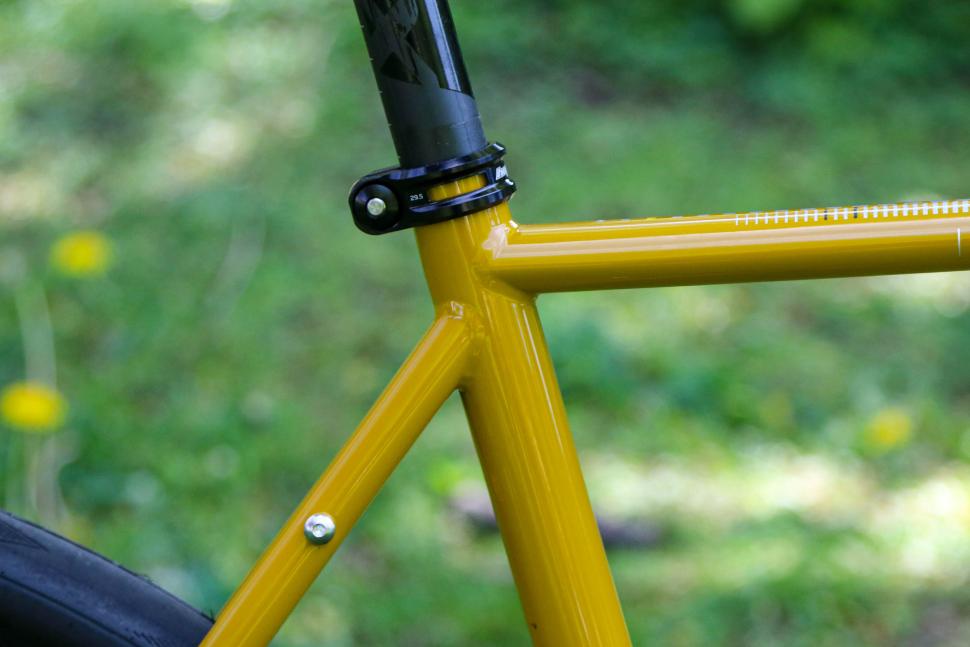
The most noticeable change aesthetically has been the seatstays. The gauge has been increased from 14mm to 16mm to increase resistance to pedalling forces without compromising on comfort. To achieve this the seatstays have been flattened and ovalised to create some compliance.
In terms of material the seatstays are Reynolds 4130 (as is the machined head tube) and the chainstays are Reynolds 725. The latter have been redesigned to increase tyre clearance from 36mm to 39mm (measured) while still maintaining the ISO required 4mm of clearance either side.
The Strael is designed to take full mudguards and rear rack, and you’ll find the mounting points for each in the traditional position, so there’s no need to manipulate the stays of off-the-shelf guards.
Tyre clearance with full guards is 35mm.
The frame has also been designed to accept dynamo lighting, which after leaving the fork passes internally through the down tube. It exits near the bottom bracket before being guided towards the chainstays where more internal routing takes it to the dropout, where the rear light can be mounted. In some impressive attention to detail Fairlight has allowed this to be mirrored on both chainstays so you can run your light on whichever side you wish.
Fairlight has stuck with external gear cable and brake hose routing, after all, their bikes are designed to be functional by design. I have no issue with that whatsoever, and it certainly makes things easier from a maintenance point of view.
Things like the cable guides that mount to the bottom of the down tube have had a major revamp, though, bringing a more modular approach. They work with all kinds of groupsets and anything that isn’t required for a specific setup can be omitted.
Bringing everything together are the CNCed aluminium pieces and laser-cut washer plates from Bentley Components that make up the modular setups for the rear dropouts, rear mech attachment, dynamo rear light mounting, and which bring a premium finish to the bike.
As someone who spent seven years as a CNC programmer and machinist, I can recognise the skill in machining the intricate parts, and the way they have been machined to achieve the finished look.
The rear mech attachment options cover pretty much every derailleur on the market including SRAM’s T-Type and Shimano’s Direct Mount. This modular system also allows Fairlight to future-proof the frame against any new mech designs.
The washer plates bring a level of protection to your frame, stopping the paint from getting damaged when fitting or removing things like mudguards.
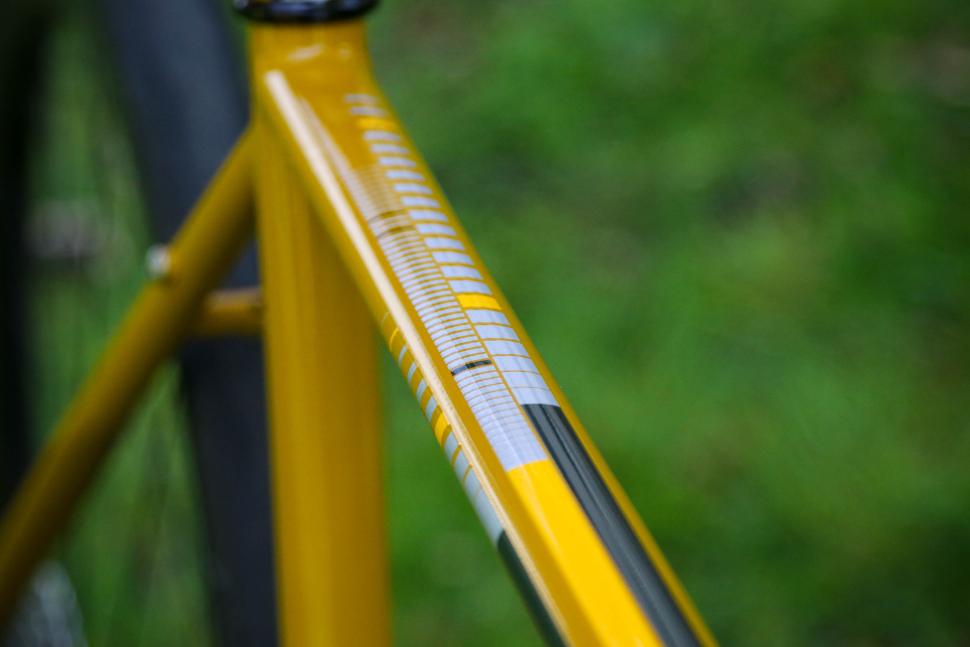
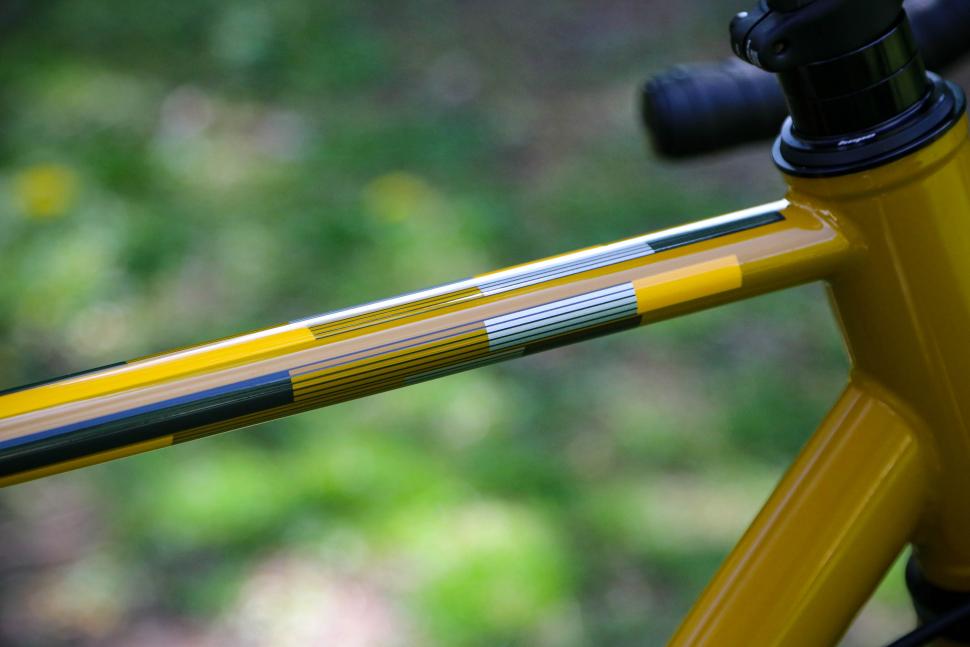
The frame itself is manufactured in Taiwan and finished to an exceptionally high standard throughout. The welds are incredibly neat, and everything is finished off with a luxurious paintjob.
The model we have here is the Ochre, while Stealth (a gloss black paintjob with subtle colourful details), Monochrome and Pearlescent Blue make up the rest of the range.
Fairlight Strael 4.0: Proportional geometry
Since its inception all of Fairlight’s bikes use what it calls proportional geometry, which means that each frame size has two options, regular (R) and tall (T).
The regular frames are lower at the front and longer in reach, designed for people with shorter legs and a longer back, but can also be used by riders who want a lower, racier ride position.
The tall bikes are higher at the front and shorter in reach, so for riders with longer legs and shorter torsos.
For instance, this 54R has a 546mm top tube, 532mm seat tube and 124mm head tube, whereas the 54T’s measurements are 548mm, 536mm and 157mm respectively.
The stack and reach figures for the 54R are 548mm and 386mm, while the 54T’s are 580mm and 378mm.
Their head angles are the same at 72.25°, as are the seat tubes sitting at 73.75°. Both have a fork rake of 45mm and chainstays of 419mm although the 54R’s wheelbase is slightly shorter at 998mm compared to 1001mm for the 54T.
Fairlight’s website offers a fit calculator, or you can provide data from a bike fit. When speccing your bike you also have control over stem length, handlebar width and crank length.
Fairlight Strael 4.0: Finishing kit and pricing
The Strael is available as a frameset for a starting price of £1,499 without a headset. An FSA Orbit option adds £35, one from Hope adds £110, while a Chris King costs £210.
You can also spec many upgrades like dynamo lighting and bottle cages.
Full bikes start at £2,649 with Shimano’s 105 mechanical groupset, DT Swiss E1800 wheels and FSA finishing kit including an alloy bar and stem plus a carbon seatpost. Various wheel and tyre upgrades are also on offer, plus those dynamo and headset choices mentioned above.
The base Ultegra Di2 build is £4,049 while Dura-Ace Di2 starts at £4,999.
Our review bike has a 105 Di2 groupset and Hope headset upgrade which when paired with the cheaper set of wheels, the Hunt 4 Season Pro Disc and 30mm Continental GP5000s, comes in at £3,369.
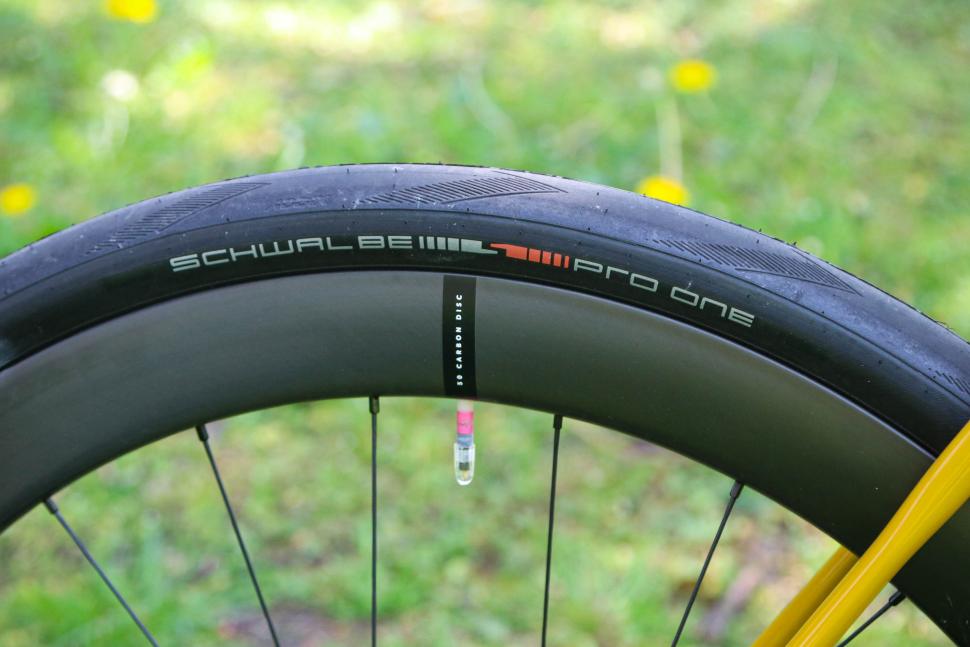
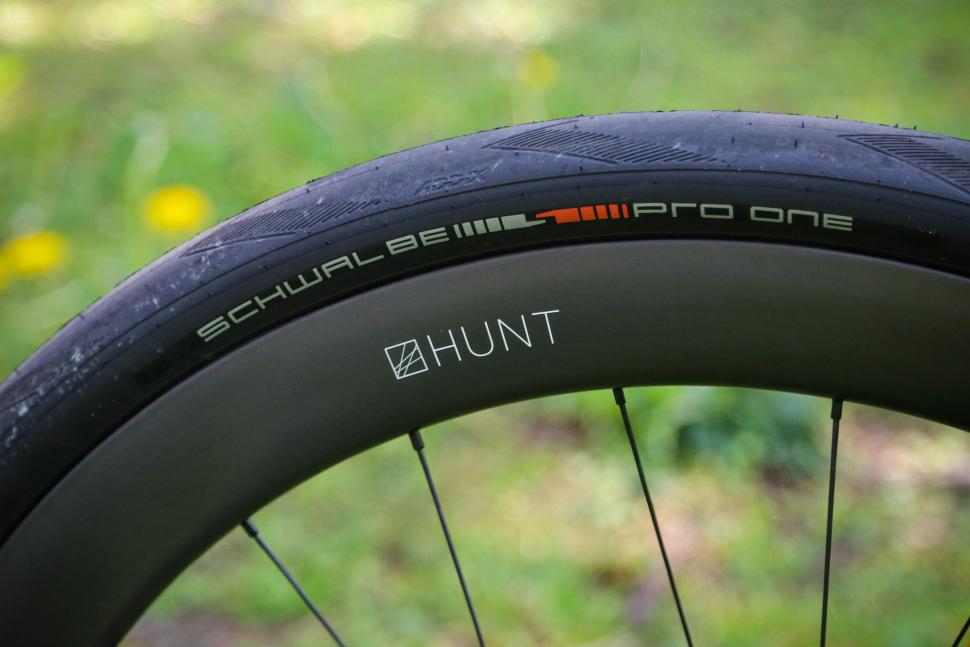
The deep-section Hunt 50 Carbon Disc wheels that we also had would up the price by £500, and while Fairlight doesn’t offer the 38mm Schwalbe Pro Ones as a drop-down option (I was given them to exploit the increased tyre clearance of the frame and fork) a set of 35mm GP5000 AS TR tyres will add £40. So, we’re looking at about £3,910 all in.
A full dynamo set up with Son front and rear lamps will add £370.
The finishing kit is well chosen and works really well with how the Strael rides.
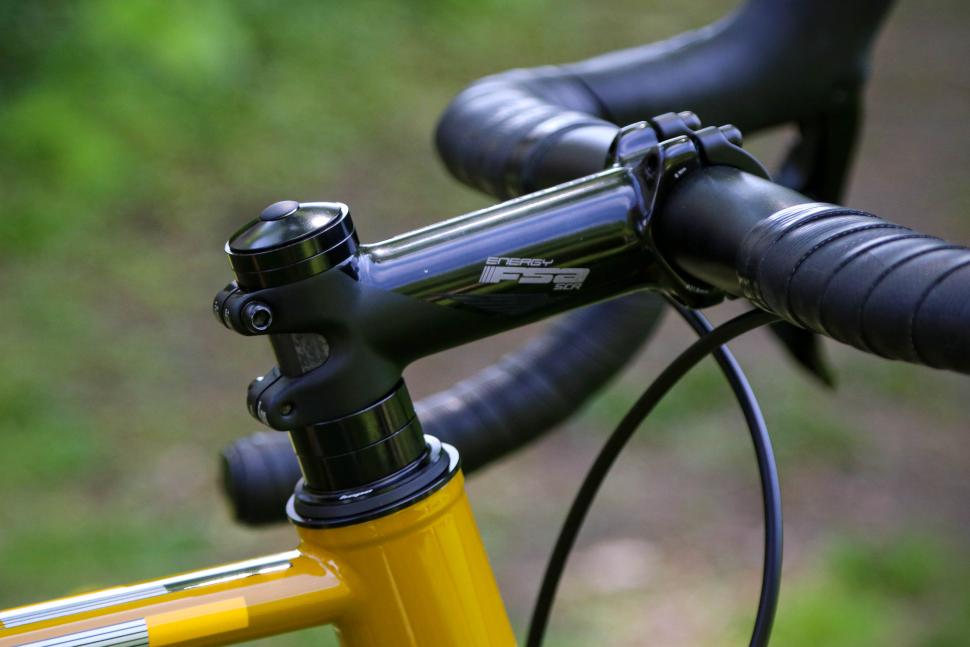
The FSA Gossamer handlebar is comfortable and offers plenty of stiffness, and the FSA Energy SCR stem does its job without any fuss.
The Argo saddle is quite bulky, but I found it comfortable for all kinds of riding. It’s probably the only bit of kit I’d tweak, switching to one of my favourites.
The beauty about the Strael’s frame is that it’ll work with whichever groupset you want to use it with. It has that workman-like quality that matches well with 105 mechanical, while also having the ride quality and high-end finish that even when draped with Dura Ace it won’t be punching above its weight.
Value
As always, the obvious competitor to the Strael is Mason’s Resolution. The reason being that Dom Mason (Mason Cycles’ head honcho and designer) has the same sort of dedication as Dom Thomas for attention to detail and driving forward the capabilities of metal alloy tubing used in bike manufacture.
The latest Resolution 3 impressed me massively when I reviewed it and it is a beautiful-looking bike. The frame is manufactured in Italy from a custom-specced blend of Columbus Spirit and Life tubing, while the full-carbon fork is designed by Mason and created using its own mould, just as the Fairlight fork is.
Tyre clearance on the Mason is 35mm and there’s also provision for full mudguards and a rear rack.
The Resolution costs £1,795 as a frameset, or a 105 Di2 build with Hunt 4 Season Disc wheels and 28mm Continental GP5000 tyres will set you back £4,000.
It’s been a few years since I reviewed Condor’s Fratello Disc but it was a bike that impressed me. The frame is made from Columbus Spirit triple-butted tubing and has a claimed weight of around 1,950g. It had a great ride quality but hasn’t been updated to accept bigger tyres than 32mm.
The frameset costs £1,449.99 while a 105 Di2 model with Mavic Ksyrium S wheels, Hutchinson Fusion 5 tyres and SKS mudguards costs around £3,350.
Standert bikes has the Pfadfinder in its all-road range, and like the Condor it uses Columbus Sprit tubing. It has mudguard mounting and 38mm tyre clearance, and it’s made in Europe. I haven’t ridden one, but I did review its Kreissäge RS race bike, and wasn’t totally impressed with the ride quality.
Pricing is competitive, though, with a 105 Di2 build coming in at €4,799, about £4,060, but you’ll need to factor in €220 (£186) for delivery from Germany.
Conclusion
In the last 15 years of reviewing hundreds of bikes I have never known one that hits perfection when it comes to how it rides… but this Strael 4.0 does. It’s stunning, incredible just how brilliant this bike is. Add to that the amazing attention to detail, and the fact that everything has been designed for a purpose, it also gave me the feel of riding a custom-built bike. It looks stunning too, and when you take everything into consideration the value is impressive too.
Verdict
The closest bike to perfection I’ve ever ridden…
> Buy now: Fairlight Strael 4.0 for £3,369 from Fairlight
All the deals displayed on our review pages are pulled from a constantly updating database feed of the best affiliate deals available. The criteria for deciding on what are the best deals is who is offering the lowest, delivered price. In most cases we will be showing the very best deal available online, but sometimes you may be able to find an item cheaper. If you can please feel free to post a link in the comments box below. To find out more about affiliate links on road.cc click here.
road.cc test report
Make and model: Fairlight Strael 4.0 105 Di2
Size tested: 54R
About the bike
List the components used to build up the bike.
Groupset: Shimano 105 R7170 Di2 12 Speed
Headset: Hope
Seatclamp: Hope
Wheels: Hunt 4 Season Pro Disc
Tyres: Continental GP 5000 30mm
Stem: FSA Energy SCR
Handlebar: FSA Gossamer
Seatpost: FSA SLK
Saddle: Fizik Argo
Tell us what the bike is for and who it’s aimed at. What do the manufacturers say about it? How does that compare to your own feelings about the bike?
Fairlight says: “Our flagship model, the bike that started it all, ridden to two victories of the Transcontinental Race. The Strael is our ‘All-Road’ bike. Designed for year-round riding in all conditions.
The Strael blends the performance of a steel race bike with the comfort and utility of an endurance bike. It’s fast, efficient, and offers incredible comfort. The handling is confidence-inspiring, whether descending or cornering at speed.
This frame is the culmination of a 2 year collaboration with Reynolds Technology. New tooling created from scratch. Making an entirely new tube set for this frame: ‘853 Road DZB’. Resulting in a lighter and stronger frame.
It’s a fantastic product that showcases what is possible with the material, while offering unrivalled functionality and detailing.”
And Fairlight isn’t wrong to big up the bike. The Strael 4.0 really is a stunning bike for all kinds of riding, with a phenomenal ride quality and a very impressive attention to detail.
Where does this model sit in the range? Tell us briefly about the cheaper options and the more expensive options
The Strael is available as a frameset or as a complete bike, which you can spec on Fairlight’s website.
Frame and fork
Tell us about the build quality and finish of the frame and fork?
This is a frame that is manufactured and welded to a very high standard, with all of the finishing touches also showing great attention to detail. The full-carbon fork follows the same theme.
Tell us about the materials used in the frame and fork?
The front triangle of the frame is created from 853 Road DZB tubing that was created as a collaboration between Fairlight and Reynolds. Other parts of the frame are made from Reynolds 725 and 4130.
The fork is full carbon fibre and is Fairlight’s own design.
Tell us about the geometry of the frame and fork?
The Strael is offered in two different geometries for each size to accomodate different body shapes. Either long legs and short torso, or short legs and a long torso.
How was the bike in terms of height and reach? How did it compare to other bikes of the same stated size?
I found the stack and reach figures to be perfect for me when riding the R version of the geometry.
Riding the bike
Was the bike comfortable to ride? Tell us how you felt about the ride quality.
Incredibly comfortable, the ride quality is amazing.
Did the bike feel stiff in the right places? Did any part of the bike feel too stiff or too flexible?
The frame and fork have plenty of stiffness and hard efforts out of the saddle highlighted no flex.
How did the bike transfer power? Did it feel efficient?
For the kind of bike it is the bike transfers power very well indeed, and the whole ride feels very efficient.
Was there any toe-clip overlap with the front wheel? If so was it a problem?
No
How would you describe the steering? Was it lively neutral or unresponsive?
On the sporty side of neutral.
Tell us some more about the handling. How did the bike feel overall? Did it do particular things well or badly?
The Strael is an all-road, versatile kind of bike and the steering is well suited. It’s handling isn’t as quick as a race bike’s, but it is sharp enough and has a very planted-feeling front end.
Which components had the most effect (good or bad) on the bike’s comfort? would you recommend any changes?
Both the Scwalbe Pro One and Continental GP5000 tyres supplied on the two wheelsets offer a supple ride and the Fizik Argo saddle works well.
Which components had the most effect (good or bad) on the bike’s stiffness? would you recommend any changes?
The FSA cockpit gives a stiff front end whether cornering or braking hard.
Which components had the most effect (good or bad) on the bike’s efficiency? would you recommend any changes?
The deep-section Hunt 50 wheels definitely improved the efficiency due to their aerodynamics.
The drivetrain
Tell us some more about the drivetrain. Anything you particularly did or didn’t like? Any components which didn’t work well together?
Shimano’s 105 Di2 groupset is very good in terms of performance and battery life.
Wheels and tyres
Tell us some more about the wheels.Did they work well in the conditions you encountered? Would you change the wheels? If so what for?
These scores are based on the Hunt 50 Carbons that I spent most of the time using, rather than the same company’s Four Season wheels. Both wheels are very good, offering great reliability and the deep-section rims add an aerodynamic edge.
Tell us some more about the tyres. Did they work well in the conditions you encountered? Would you change the tyres? If so what for?
Both the Schwalbe and Continental tyres I used on the Strael work brilliantly, offering loads of grip and a supple ride.
Controls
Tell us some more about the controls. Any particularly good or bad components? How would the controls work for larger or smaller riders?
A well specced set of components at a decent price point.
Your summary
Did you enjoy riding the bike? Yes
Would you consider buying the bike? Yes
Would you recommend the bike to a friend? Yes
How does the price compare to that of similar bikes in the market, including ones recently tested on road.cc?
For its attention to detail and build quality the price is very competitive, especially when compared to those mentioned in the review.
Use this box to explain your overall score
In my mind the Strael 4.0 is faultless. The design is brilliant, hugely versatile and incorporates the latest trends in the road bike market. On top of that the ride quality is perfect, and all things considered I think it’s well priced too.
About the tester
Age: 46 Height: 180cm Weight: 76kg
I usually ride: This month’s test bike My best bike is: B’Twin Ultra CF draped in the latest bling test components
I’ve been riding for: Over 20 years I ride: Every day I would class myself as: Expert
I regularly do the following types of riding: time trialling, commuting, club rides, sportives, fixed/singlespeed,

52 thoughts on “Fairlight Strael 4.0 105 Di2”
For sale… Strael 3.0. 👌😁
For sale… Strael 3.0. 👌😁
Matt Page wrote:
So tempting isn’t it?!
I had a 3.0 on order when the
I had a 3.0 on order when the 4.0 was announced and they gave me the chance to upgrade. I stuck with 3.0 because I really wanted the lovely purple paint job, but have been dreading this review landing… As long as I don’t ride one, I’ll never know what I’m missing.
The perfect bike, and the
The perfect bike, and the type more riders should be riding, rather than the ‘wannabe pro’ race bikes……
Velophaart_95 wrote:
Thanks for the tip, any more pointers as to what people should spend their own money on?
I wasn’t planning a new bike,
I wasn’t planning a new bike, and my El-Cheapo (£650 October 2019) no-name steel tubing ‘gravel bike’ has been excellent apart from the rear wheel. However, the good review from a very experienced reviewer and several impressive-to-me features like the new Reynolds tubeset, the careful sizing, the absence of funny BB and the external cables have induced me to aspire to this one- probably moving from 9 to GRX12. I really could get this.
Edit: I should have said that, being a dated person I have a dated positive view of steel and the thought of it just cheers me up. I would now be quite happy with an alu alloy frame, but UK steel tubing is an extra attraction even if the frame is made in Taiwan. I can’t see me ever getting a carbon frame.
That’s handy – it sounds like
A fortunate time to decide this – it sounds like there may be a glut of 2nd hand Straels (various marques) coming soon too!
I bought a Strael 2.0 as my
I bought a Strael 2.0 as my forever, post-racing bike and the best cycling decisions I ever made was to sell it. The handling was way to jittery that I fitted an angled headset on it. Replaced it with Cannondale SuperSix Evo and just wow, the Cannondale is lighter, stiffer, faster more comfortable and much better handling. The only thing it has against it is it looks a bit more generic-carbon than the Strael but honestly it does everything else SO much better, and it’s nice to be able to ride no-handed again to do zips, get food etc… where as on the Strael riding one handed was…very unnerving (think taking a drink). I’ve owned about 20 bikes and I think the Strael is the 2nd worst purchase I made. Fortunately they do keep their value reasonably well.
This is my experience as well
This is my experience as well, but on a 3.0. I don’t know what is going on with their sizing – when I bought the 3.0 it recommended a 56R and with the 4.0 with pretty much identical geometry they now recommend me a 58T! They seem to have shortened standard stems to 90mm and recommended a larger frame size. I don’t know if that’s a tacit admission the sizing was off before?
And my 56R is too small – it feels jittery as you describe and I struggle to drink without having to stop. I’m now deciding what to replace it with – a properly fitting new model or a Mason, which I’ve only had good experiences with.
Boofus wrote:
I have a new (end of line) 3.0 and so far I haven’t noticed an issue. Which is a relief – as I also have a Faran 2.0 and haven’t found the handling on that especially confidence-inspiring – sort of feels like the front and rear wheels are doing their own separate things sometimes (which of course technically they are, but it’s a disconcerting feeling). I suspect loading up the front fork a bit for touring might resolve it, and/or I can’t get used to squidgier big volume tyres. My Strael gave me confidence from the off – but haven’t done the no-hands test yet…
This is my experience as well
This is my experience as well, but on a 3.0. I don’t know what is going on with their sizing – when I bought the 3.0 it recommended a 56R and with the 4.0 with pretty much identical geometry they now recommend me a 58T! They seem to have shortened standard stems to 90mm and recommended a larger frame size. I don’t know if that’s a tacit admission the sizing was off before?
And my 56R is too small – it feels jittery as you describe and I struggle to drink without having to stop. I’m now deciding what to replace it with – a properly fitting new model or a Mason, which I’ve only had good experiences with.
This is my experience as well
This is my experience as well, but on a 3.0. I don’t know what is going on with their sizing – when I bought the 3.0 it recommended a 56R and with the 4.0 with pretty much identical geometry they now recommend me a 58T! They seem to have shortened standard stems to 90mm and recommended a larger frame size. I don’t know if that’s a tacit admission the sizing was off before?
And my 56R is too small – it feels jittery as you describe and I struggle to drink without having to stop. I’m now deciding what to replace it with – a properly fitting new model or a Mason, which I’ve only had good experiences with.
Interesting that there are
Interesting that there are issues with sizing. I would like to pull the trigger on a new Strael but looking at the sizing stats and lack of ability to test ride one I’m not so sure. I’m 5’11 with 35 inch inseam and really long arms (wing span 6 inch greater than my height). The website puts me on a 56T but looking at Fairlights geometry charts there’s only 8mm difference in reach between the R and T versions but 40 mm in stack. I get the whole proportional geometry stuff but I feel the 56T might put my too upright with the length of my arms but 56R too low? I note the tester who’s also 5’11 was on a 54R! The Mason Resolution seems to have more ‘balanced’ geometry for a size 56 but again without testing difficult to know for sure.
There are no mysteries with
There are no mysteries with geometry – if you know your bike fit you can compare bikes using stack, reach, BB drop, trail…
There’s nothing particularly odd about Fairlight’s geometry and it’s not too hard to learn enough that you choose a size on which you can get your saddle in the right place and be comfortable with a reasonable length stem.
bob_c wrote:
Except for when you get one of the angles wrong and Lovecraftian beasties appear…
Indeed but there is more to
Indeed but there is more to it than fit coordinates. The trail figure for Strael 2.0 is 54 which is 2.2 lower than a Cervelo S5, 5mm lower than a Trek Madone and 4 lower than a Cannondale Super Six in similar sizes. Given lower trail figures give a twitchy ride and those 3 bikes are designed for World Tour level racers it does seem like Fairlight got that one wrong given it’s a bike designed for comfortable lond distance riding.
Similar size to me. I had a
Similar size to me. I had a 56R which was recommended by Fairlight based on my fit coordinates and I was running at 110mm stem with about 20mm stack (including the upper bearing).
Looking at the geometry I think a 73.5 HA for me is just way too steep which is what made the bike feel incredibly jittery, it felt like the front wheel was tucked up under me and way too much of my weight.
I suspect the handling would have been better on the 54R from the geometry chart and trail figures but, hey, I bought the bike that was recommended for me and now I know. It actually put me off buying a replacement bike as I was scared to get it wrong again but took the Cannondale for a test ride and it just felt amazing so bought that. Then I got a cracking deal on a Mason Aspect which also handles sublimely, though in a different way to the Cannondale.
I own both a Strael 3.0 and
I own both a Strael 3.0 and an older Cannondale Super6. I like both, they are very different bikes and I use them for different types of riding. The Strael is ideal for munching long miles, I use it in all weathers and in the winter with mudguards. Yes, it doesn’t handle like a pure race bike, but it isn’t a pure race bike. It is more comfortable than my Super6..
In terms of sizing, I got a bike fit and then sent it on to Fairlight. Had a useful conversation by EM with Dom and this helped me iterate towards a decision. I wouldn’t have bought the bike without this input and I wouldn’t have bought any bike on sizing charts from Fairlight or anyone else. I ended up with a longer than standard fit stem for example. I’d say customer service is good.
I owned a Strael 2.0 and
I owned a Strael 2.0 and noticed none of this alleged jitteryness.
No conincidence that the bike I sold it for – a Reilly Gradient – has almost identical measurements and is almost as strongly praised.
TBF to Reilly though I was sizing up small, and whilst I’d agree with them that I’m at the top end of the range it’s never felt small.
Don’t get me wrong, it is a
Don’t get me wrong, it is a lovely bike. The paint job is sublime, the details all over it are super useful, and for just munching away at miles it’s a great bike. But I don’t get any of the descending confidence mentioned above – I get the opposite. And if you look back at Stu’s 3.0 review he was on a 56R and is now on a 54R. Something is going on with the sizing, and when the advertising is all about ‘fit, function, form’ I’d really hope they nail that first part. In my experience it’s just a bit off, and I would’ve been better off doing a bike fit prior to purchase and really being sure rather than relying on their online calculator. I’ve successfully done that with other brands (bespoke and mass produced, i know my numbers pretty well), but just not on this occasion which is a shame. Oh well, you live and learn.
Hi Boofus. I think the
Hi Boofus. I think the confusion on the 3.0 may arise from a typo in the test report where ‘size tested’ shows a 56 (which I’ll amend now), but in the ‘proportional geometry’ section of the main review I mention that I was riding a 54R – the same size as I’ve ridden on all four iterations of the Strael.
When I reviewed the original Strael I gave Fairlight the measurements from one of my own bikes which they have kept on file, so every bike I’ve reviewed since has been set up to my preference including stem length and an in-line seatpost.
Geometry wise the 4.0 in a 54R has a 4mm shorter top tube, and a 6mm shorter head tube compared to the 3.0. Stack is 3mm lower but the reach remains the same, and the head/seat angles have been increased by .25 of a degree.
Thanks Stu – hadn’t
Thanks Stu – hadn’t appreciated the slight geometry change. That shorter stack and head tube (and they do seem to be fitting shorter stems as stock) would probably explain the size change recommendation!
I’m really interested in
I’m really interested in buying the bike, but I just can’t see it as a modern steel bike with external cables — the aesthetics are completely ruined.
Sounds like the Mason
Sounds like the Mason Resolution 3 is the one for you. It is beautiful.
destabilised wrote:
It would be interesting to note that Mason very quietly updated the Aspect Titanium road to fully integrated cables and dropped rack mounts, in favour off going tailfin.They have also tweeked the Boken just in the last few weeks, 50mm clearance and gone UDH for rear mech hanger. This in my opinion leaves both the Resolution and Definition due for a very small refresh, They have the new fork developed for and by Mason on the the new Aspect and dropping bosses for a rack is no big deal, I could be very wrong but if I had the cash, then such a bike would be very desirable.
Here’s mine. Had it a month.
Here’s mine. Had it a month. Same spec as the one reviewed except for 30mm deep Hunt carbon wheels instead of 50mm and 32mm GP5000s. Best bike I’ve ever owned by a country mile. As fast as the full carbon race bike I had before and more comfortable than the big tired gravel bike I use for commuting, winter riding, and getting around. First ride I logged two season best times on local hills, and had my first PR on my third. But it’s the ride quality I love. It really does seem to float over the crappy stuff somehow.
Amazing, and you rode over
Amazing, and you rode over that huge rock and didn’t even feel it! 😂
Lovely. How nervous were you
Lovely. How nervous were you while taking that photo that your new bike would fall over and get scratched?
Quite nervous! But it was a
Quite nervous! But it was a still day and a nice big rock, so I didn’t think it would go anywhere. Turned out fine.
Did that to my new Strael.
Did that to my new Strael. Bought a little acrylic vanity stand to prop it up by the pedal axle for photos. Day one, no miles, scratched shifter.
But it’s the ride quality I
“”But it’s the ride quality I love. It really does seem to float over the crappy stuff somehow.””
How does it compare to titanium? Thinking of replacing my Kinesis gf Ti.
I recommend buying the frame
I recommend buying the frame set and getting a local shop to do a dream build. Mine’s got purple Hope BB, headset, their carbon wheels, RX4+ disc callipers, Hope carbon post, Pro carbon bars and Pro stem with Ti hardware, Vittoria Corsa Pro tyres. And I fit the PDW full metal fenders each autumn.
I have a pearlescent blue
I have a pearlescent blue frameset on order from the first day they announced the new colour option. Really looking forward to it being ready.
The downtube outer cable
The downtube outer cable kills a dream bike. Love the colour and the stance of it
No wonder this Strael handles
No wonder this Strael handles so sublimely, the geometry is almost identical to my Colnago C64, with that slack headtube angle and shortish top tube allied with a 73.5ish° seat angle.
I already have enough bikes but I’m seriously looking at this for a new purchase. Damn you Stu! 😂
Given some of the agreed upon
Given some of the agreed upon negatives below regarding handling, and the fact that in this day and age a modern frame shouldn’t have external cables, I smell a sponsorship rat with a 10/10 rating.
a modern frame shouldn’t have
a modern frame shouldn’t have external cables
Except for those of us for whom this is an essential requirement
sammutd88 wrote:
Fact?
OTOH I don’t have wireless shifting, or carbon fibre frames, have less than 9 gears on most of my bikes and indeed don’t even have disc brakes on all. It does look a nice bike but I’m almost certainly not the target market.
Forcefully Asserted
Forcefully Asserted Contemporaneous Thought.
sammutd88 wrote:
Plenty of tools are available to compare the geometry of different frames (e.g. bike geo calc). There’s really no magic to it and the Strael does not have any odd parameters compared to other similar bikes.
Issues are more likely to be related to a sizing issue – for example choosing a size too big and needing a very short stem. Knowing your own fit parameters and overlaying these on the published geometry charts should help you choose the correct size.
Full disclosure – I had a Secan 2.5 and now have a Strael 4.0 – and I’m not sponsored!
How have you found the Strael
How have you found the Strael vs the Secan? I’m also wondering about swapping my Secan 2.5 for a Strael, since I’ve mostly had it set up as a 4-season road bike.
I think I’ll appreciate a move to 2x on the road, I like the slightly more road-oriented aesthetic, and I’m wondering if it might feel a touch more responsive in terms of acceleration and handling.
Did you stick with the same size?
Nothing wrong with external
Nothing wrong with external cables. Them being on the underside of the downtube is less desirable than on the top of the down tube, but that’s my personal preference, not claiming to be an absolute fact
Yeah, probably means I’ll
Yeah, probably means I’ll cough up for a fully sealed gear kit at the first bar tape change/cable change! But – with external cables it’s a 30 minute job. Long Live External Cabling!
Why on earth are you even
I’m not sure why you would read this website if you suspect reviews are paid for in some way. It’s a very disrespectful comment towards them.
DomThomas wrote:
Second that. I’ve always found Stu to be an honest reviewer and he writes eloquently and persuasively as to why he loves this bike. Regarding external cabling, I have two bikes with internal cabling and two with external and the difference doesn’t matter a damn because I’m not a pro tour rider and the aero advantage will never be important to me. If I bought this bike (and I won’t say I’m not very tempted) I would use it on long mixed-terrain, possibly multi-day, rides and if anything the ease of on-the-go maintenance would make me grateful for the ease of access to the cabling.
I certainly trusted the
I certainly trusted the review, and accepting inducements for good reviews could well finish the website through loss of advertising revenue
What agreed upon negatives? 2
What agreed upon negatives? 2 people reporting their experience, even if one of them posts it 3 times. 2 other people saying they haven’t had that experience. I’ll make it 3, as it’s not my experience either. Drinking, signalling, getting stuff out of my pockets all unproblematic for me.
I’m a sucker for the clean
I’m a sucker for the clean aesthetics of full internal routing, but even so I think it would be dumb to buy a bike with mechanical gears that is fully internal (I appreciate the Di2 model tested doesn’t have mechanical gears, but I’m sure plenty of people get the mechanical 105 version – it’s certainly the option I would be looking at).
I would also think:
Internal routing means drilling holes in the tubes, which creates weak points. So tubes need to be thicker to be strong enough. So this would undo all the hard work that goes into getting the frame light, and presumably affect the ride quality too.
Internal routing would bump the cost up, as a result of both the additional cost to drill the holes in the frame and the extra time required to build the bike up. One of the key selling points of Fairlight’s bikes is that they manage to build great bikes whilst keeping the cost low (relatively – obviously a £3k+ bike is not “cheap”).
I am so glad that there are
I am so glad that there are still manufacturers of bikes with external cabling. It’s not a ‘fact’ that all new bikes should have internal cabling – it should be a choice.
I love these and the
I love these and the attention to detail, but I keep seeing second hand Strael frames on the market with a slightly sagged top tube. Is it just slightly too thin to sit on? I hope not, because in many ways it is the ideal bike.
Anyone know how the geometry
Anyone know how the geometry of this compares with a Genesis Equillibrium. I have an old 2012 model, which I like in terms of comfort and fit, just wondering how this compares as the geometry looks similar.
I’m going to say something controversial. Feel free to push back. Titanium is the way. Titanium doesn’t rust, doesn’t need paint, and doesn’t delaminate. It seems to me that a 10 out 10 bike should have none of these problems. Mark my words, 3D-printed titanium bicycles will replace carbon fiber. 3D-printed titanium is becoming more aerodynamic every day. Titanium can be printed into an exceedingly lightweight frame too. Cycling uses racing as a marketing tool to convince the masses to buy the newest and latest tech. The problem with titanium bicycles, it’s a one and done purchase. You’ll never have to buy another bike again. Enter carbon fiber. Professional riders ride and dump $15,000 bikes after every race. Bicycles have become disposable products. What a shame. Bicycles are the noblest of inventions. They are not meant to be computers or smartphones, to be replaced every couple of years. The same fate has fallen on cars too. Titanium bicycles did NOT fail. Titanium bicycles did NOT fail to win The Tour de France. The cycling industry failed titanium bicycles… by design. The industry accidentally created the perfect bicycle frame but there is no way to constantly profit from repairs and manufacturing. Thankfully, builders like Sturdy Cycles haven’t given up on titanium and they’re pushing the art form with 3D-printed titanium frames which, incidentally, are the most beautiful bicycles ever made.