


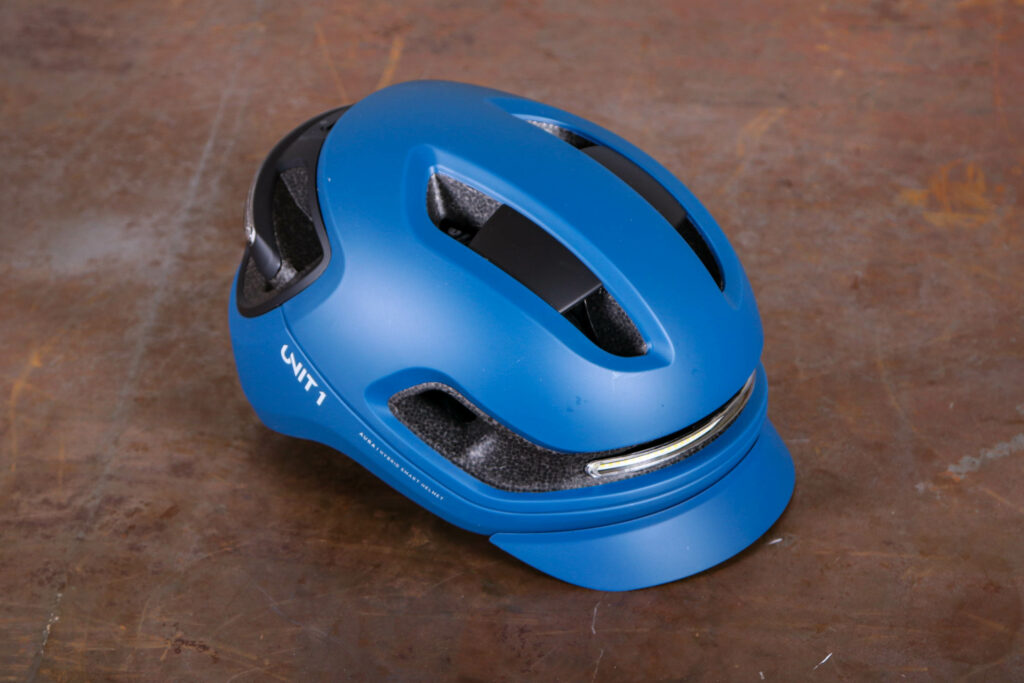

The Unit 1 Aura MIPS helmet is a likeable urban helmet with a range of smart features, some of which are more useful than others. It’s pretty comfortable and rated to the highest safety standard there currently is for bike lids.
> Buy now: Unit 1 Aura MIPS helmet for £199.90 from Unit 1
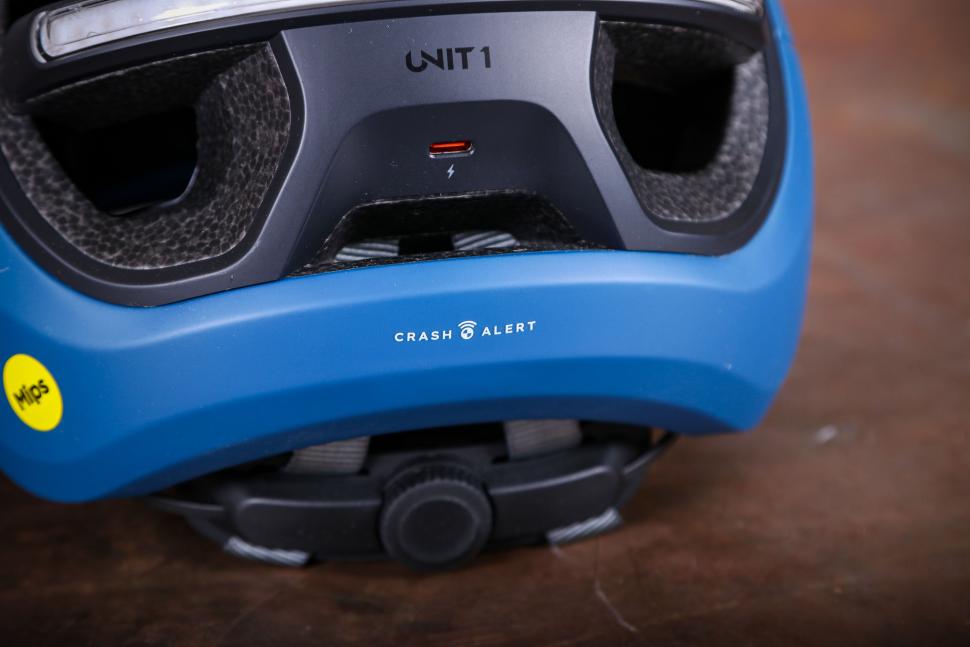
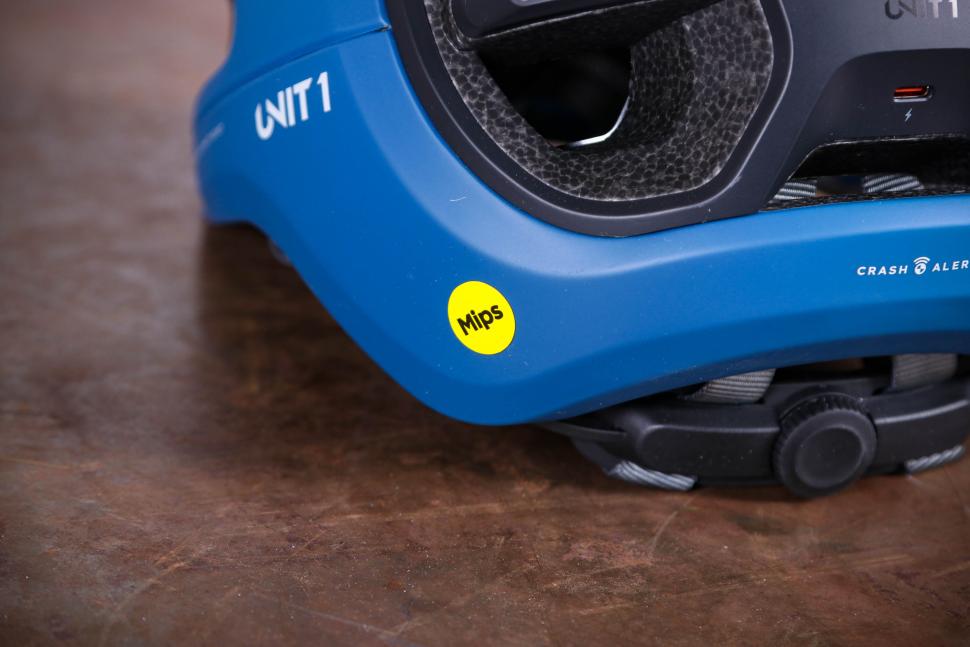
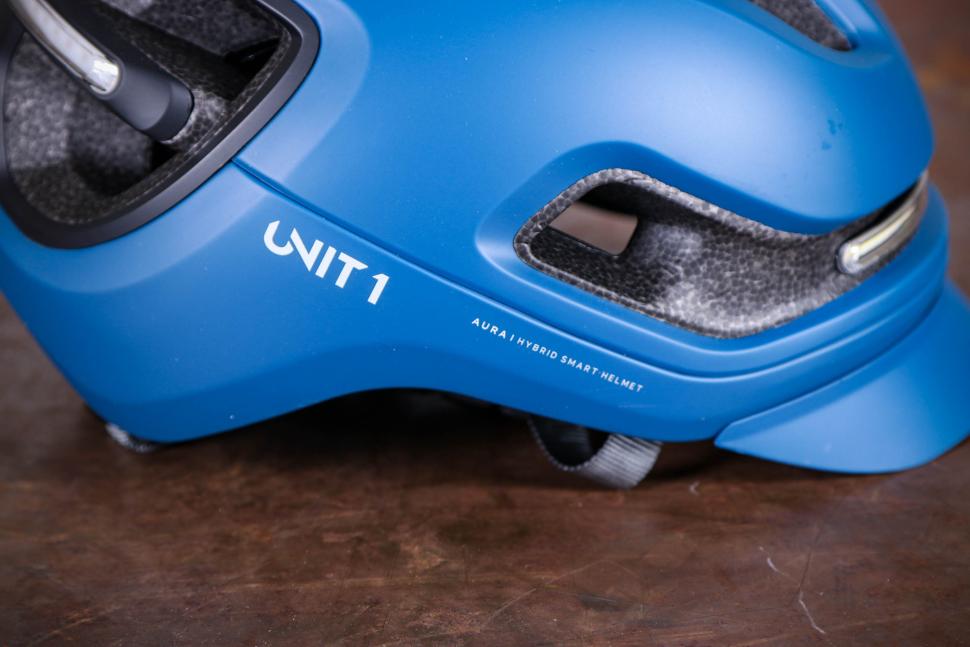
The Aura MIPS is a fairly chunky-looking urban helmet with integrated lighting strips front and rear which you can charge from a USB-C port below the rear light. It has a neat peak that attaches magnetically to the rim of the helmet, and the peak can be removed and replaced with a visor which is better for higher-speed riding. (The helmet is NTA-8776 certified for speed pedelec bikes, on top of the usual EN-1078 certification for standard bikes and e-bikes.)
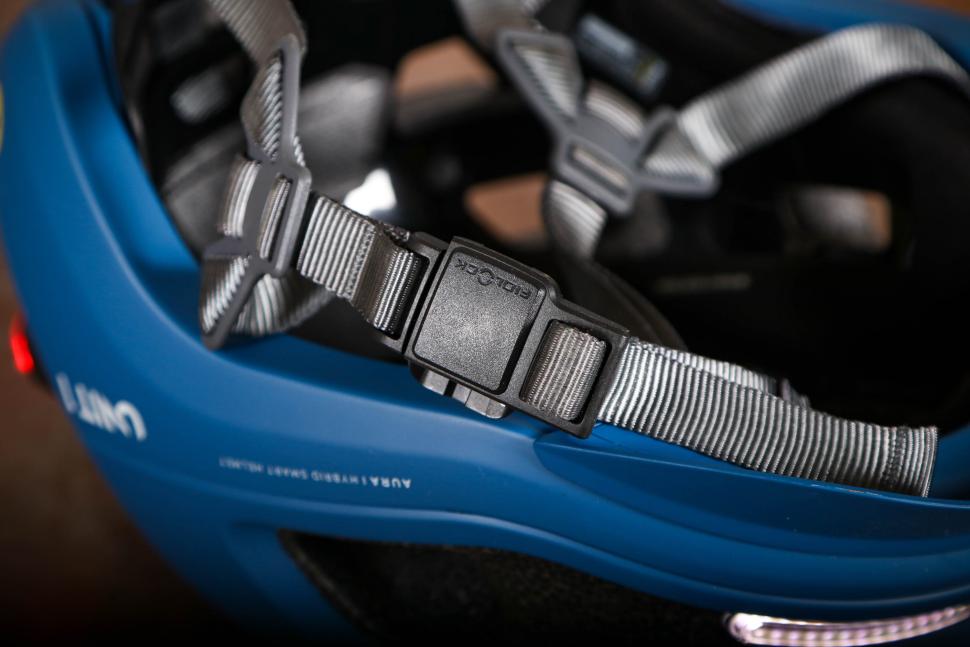
It’s held in place by a reasonably standard webbing cradle that features a Fidlock buckle; that’s a boon for year-round commuting as it makes it easy to unclip the helmet when you’re wearing gloves. A fairly basic but functional micro-adjust dial takes care of adjusting the fit, and 3M pads keep it comfy on your head. There are 14 vents to keep you cool, although some of those are pretty tiny, around the front light.
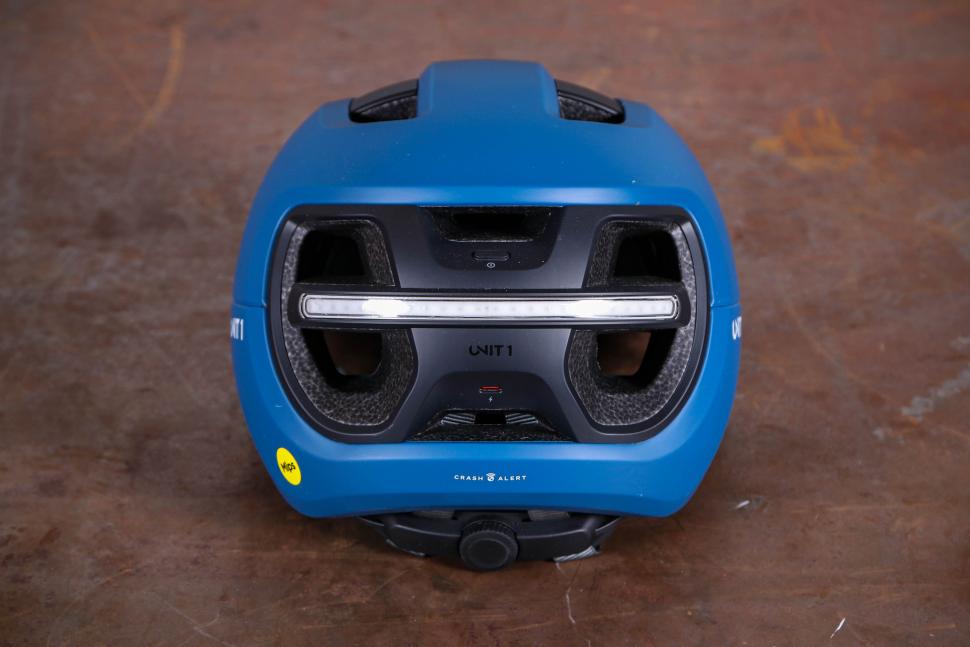
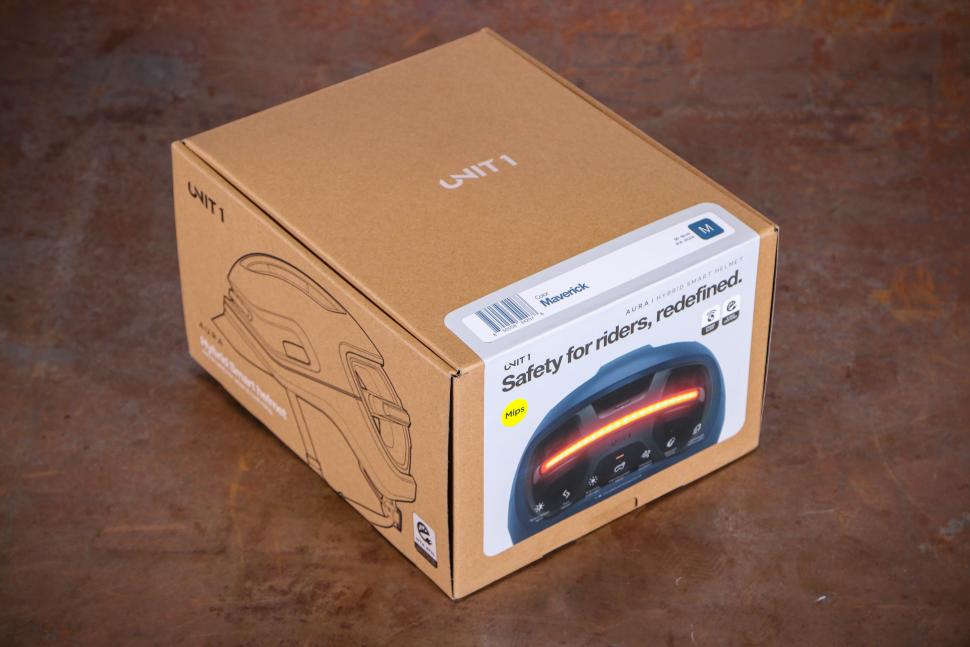
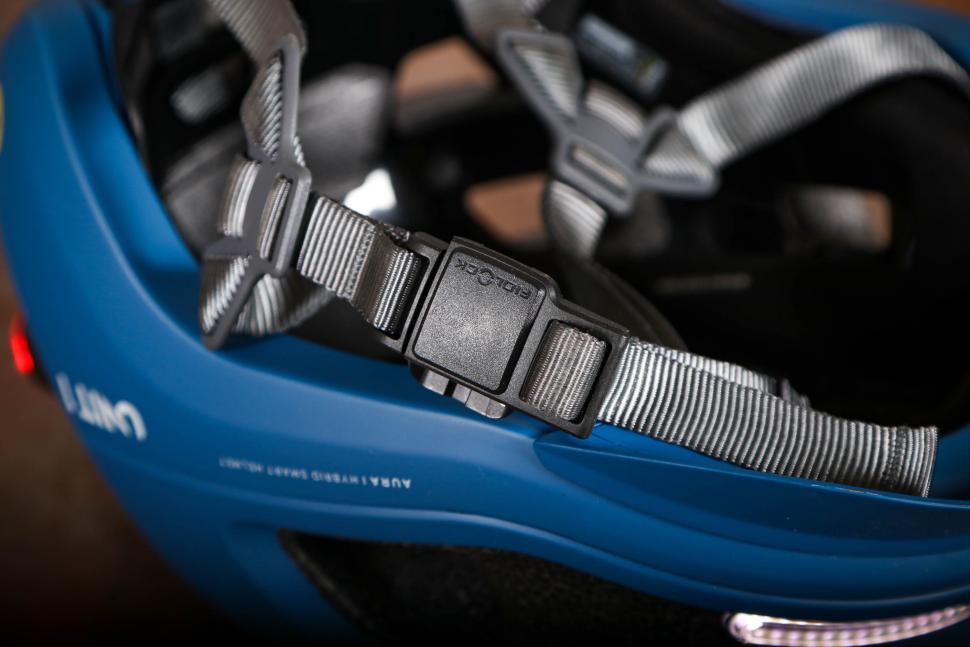
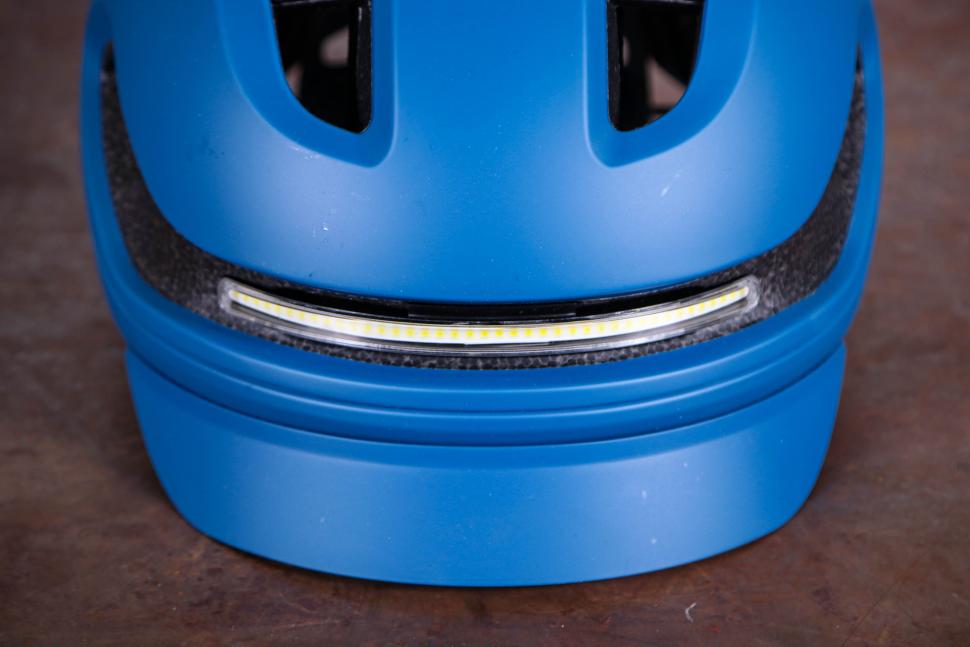
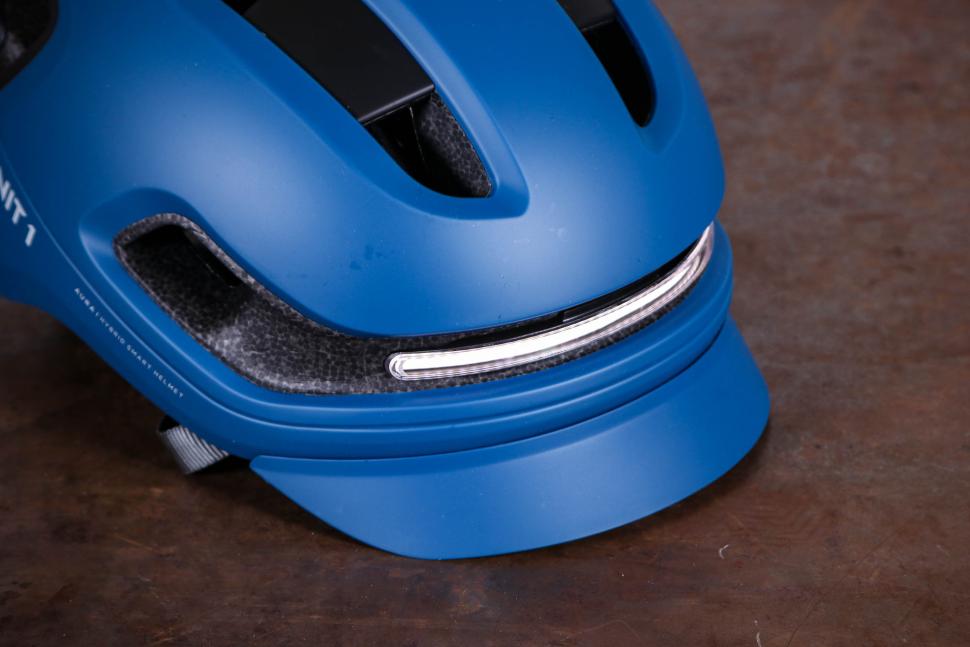
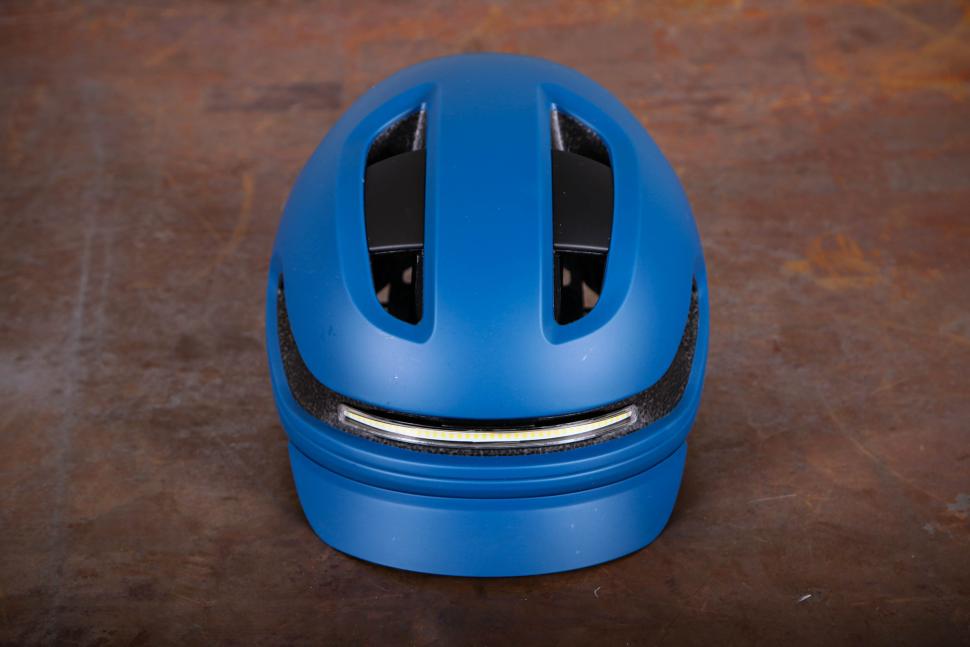
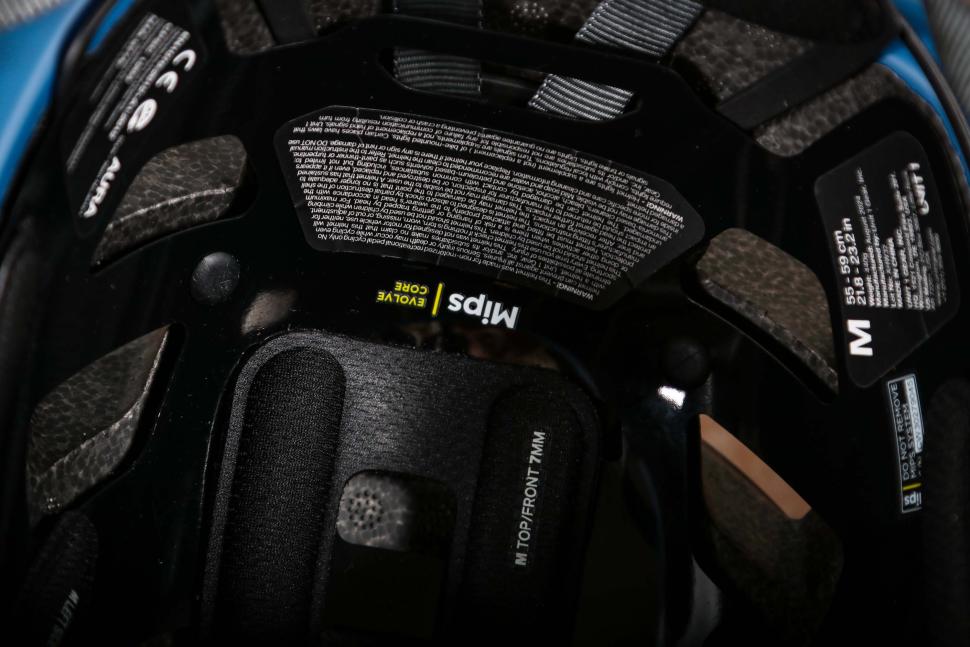
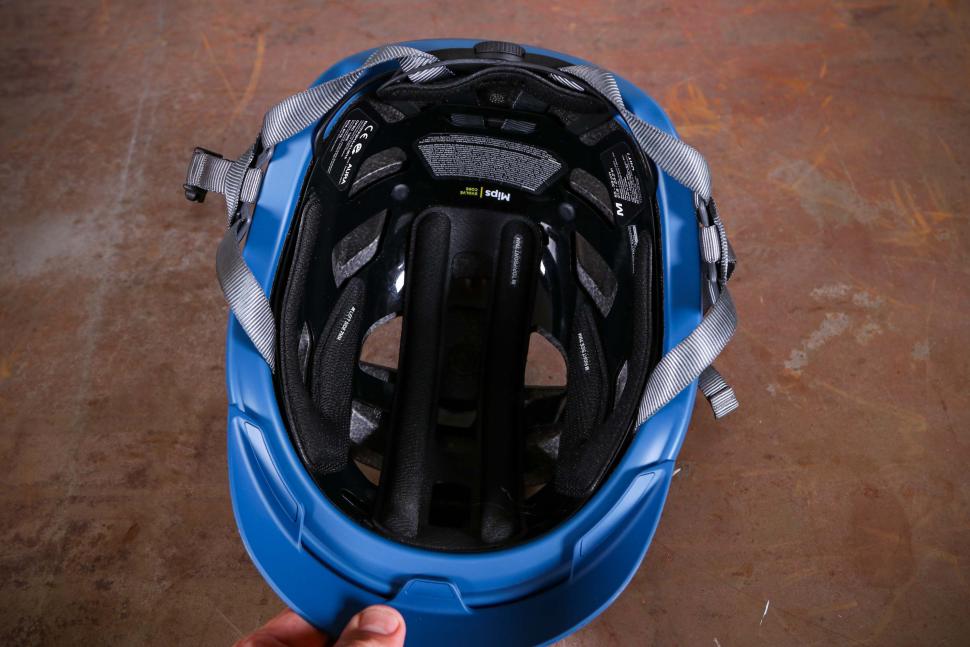
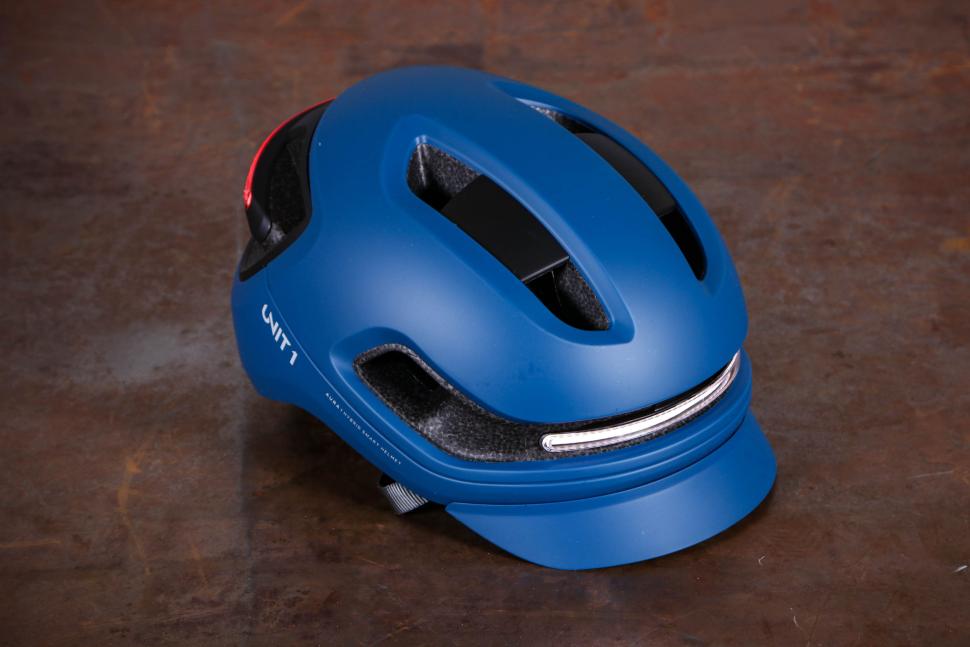
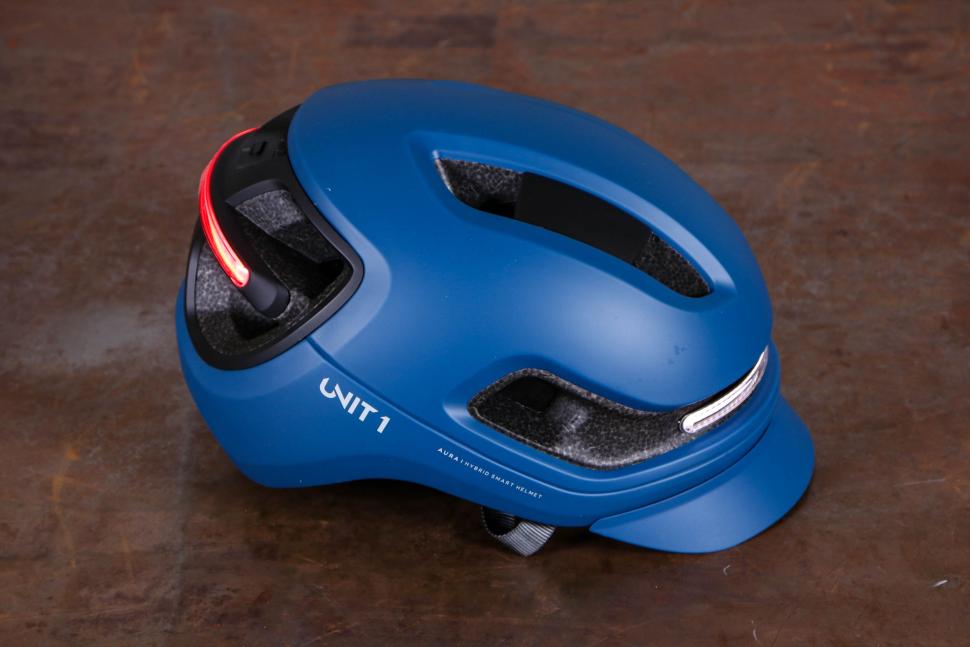
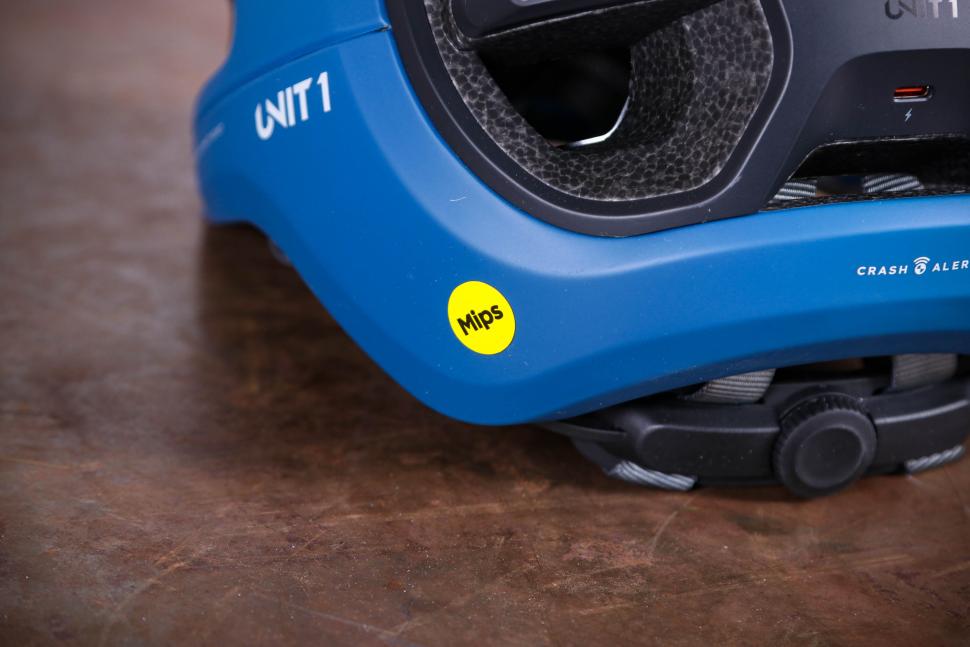
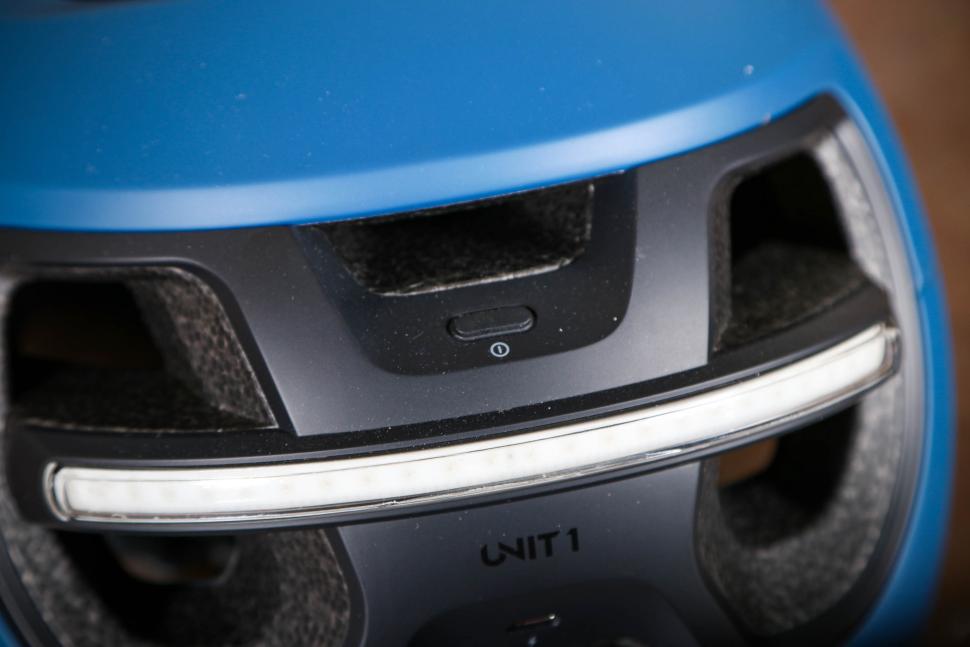
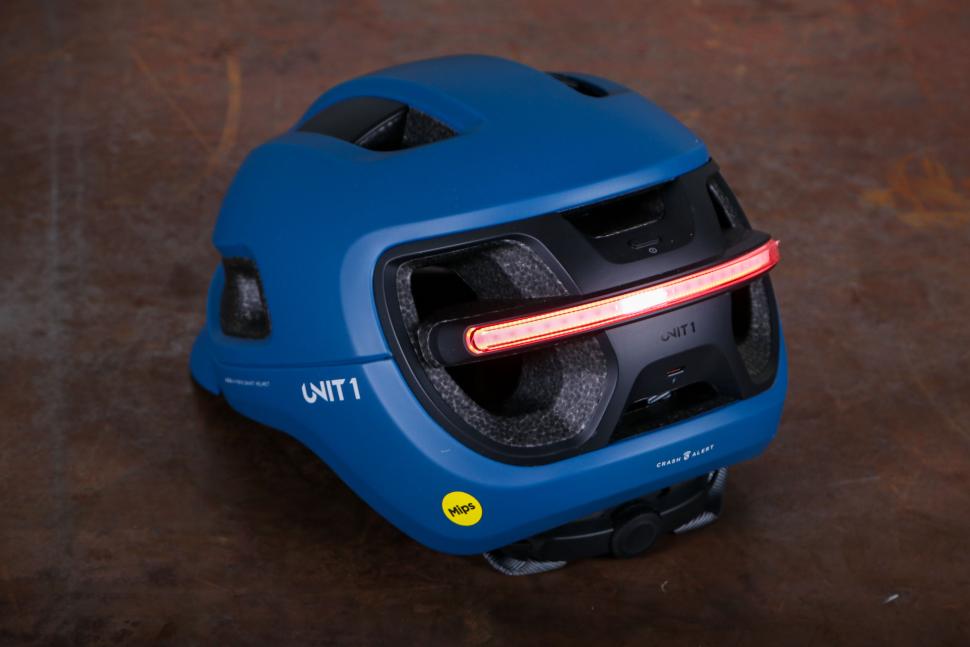
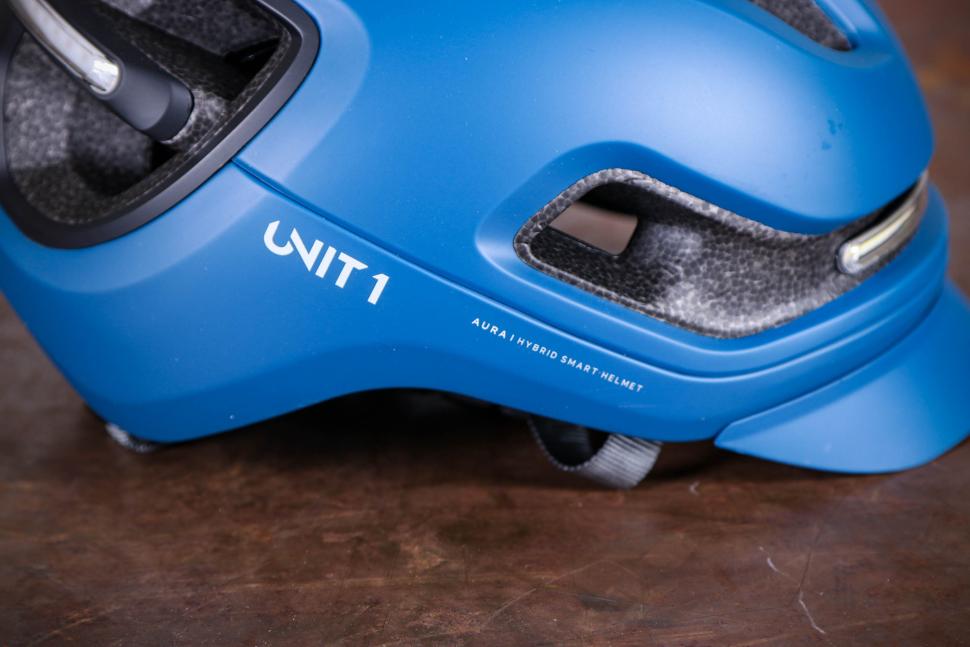
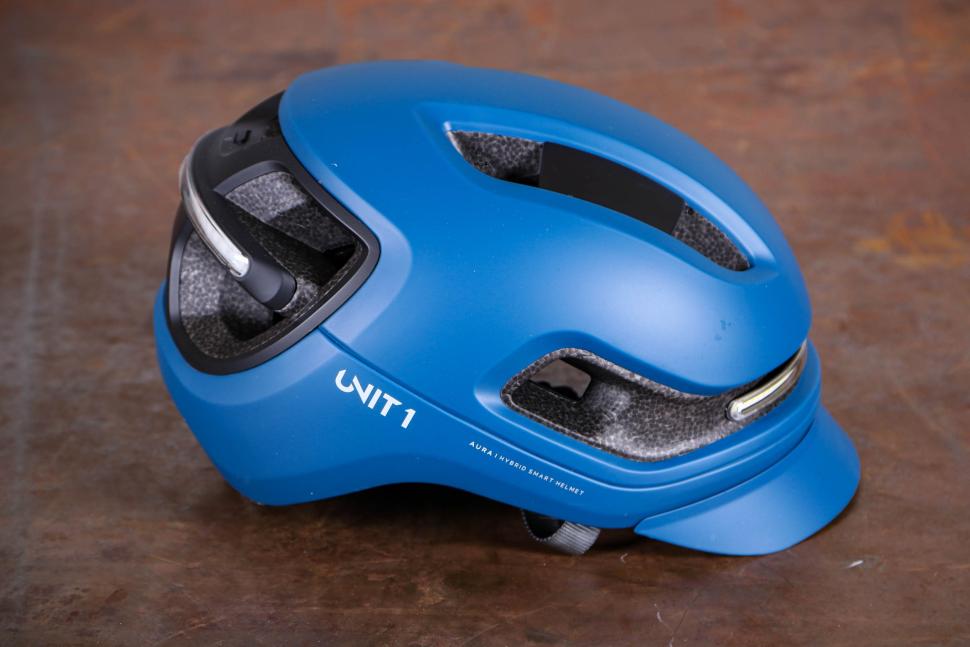
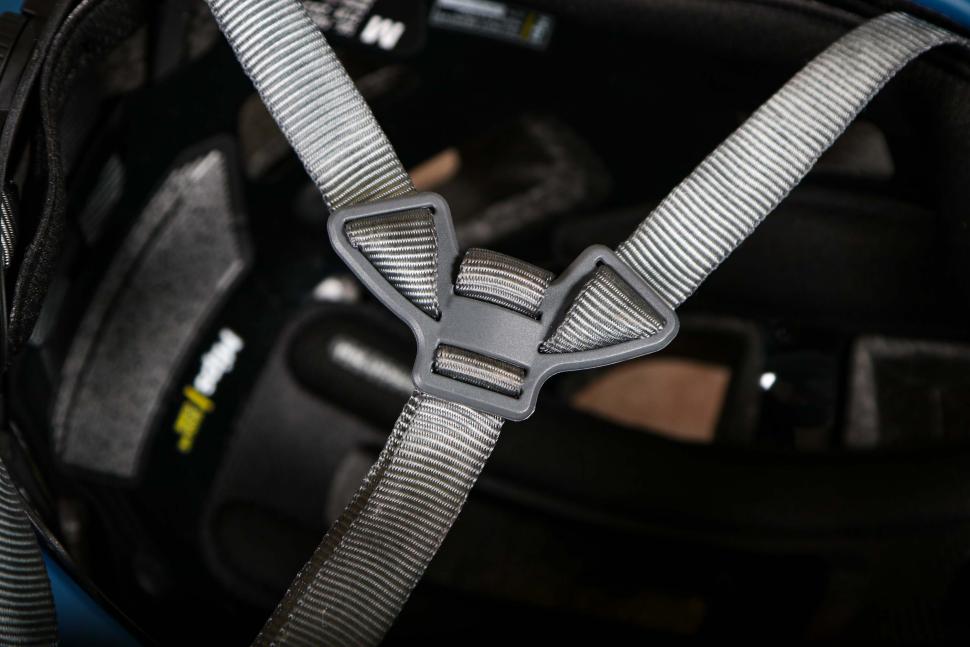
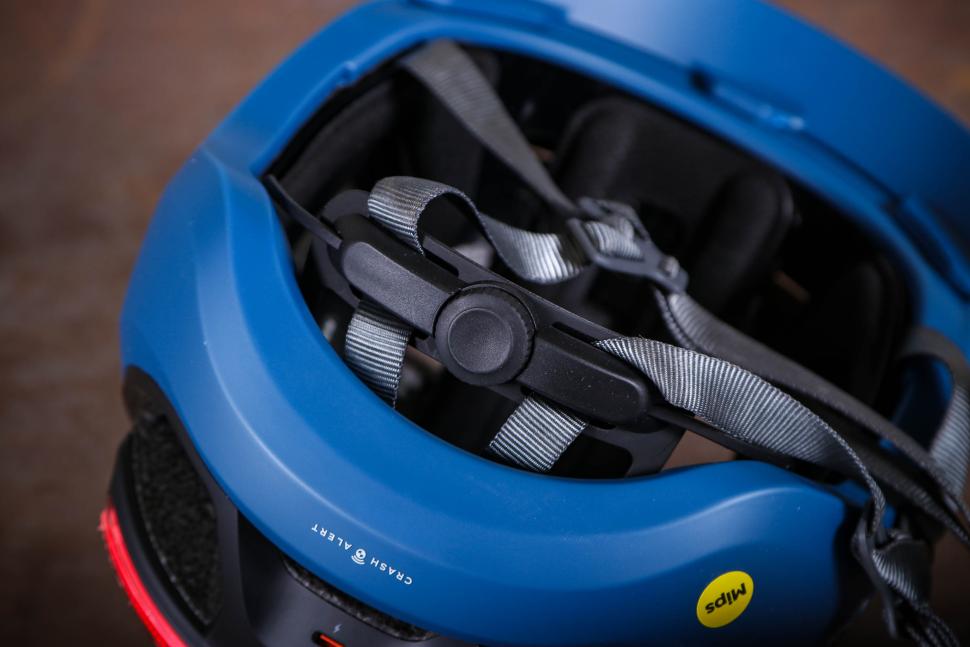
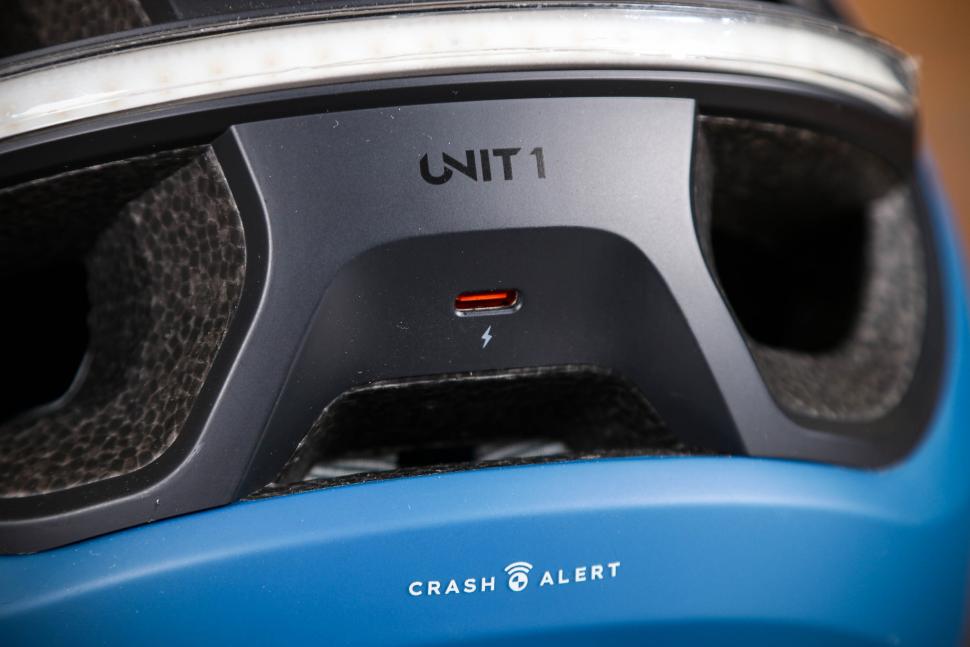
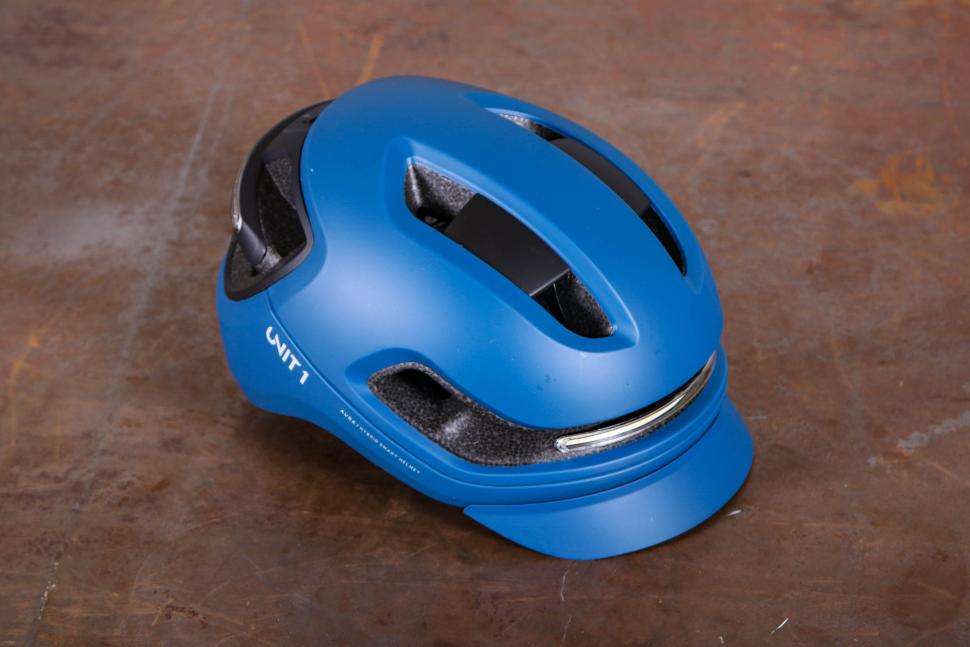
The Aura helmet uses a MIPS cradle, which is designed to mitigate rotational brain injuries should you fall from your bike and whack your bonce. This isn’t a light helmet at the best part of half a kilo, and you’ll start to notice that if you wear it for longer rides, but for the type of use it’s designed for – short hops and commutes – it’s not really going to be an issue unless you’re particularly slight of build, or suffer from Shermer’s Neck.
I found the helmet pretty comfortable in use, and also handed it around a few other riders, none of whom had any particular issues with the fit. It’s marginally too wide to be perfect for me, and I’d prefer the back of the cradle to be a bit lower down, but it’s fine in use and I didn’t generally think about it once I was riding.
Ventilation seems pretty good. This was a helmet I mostly used on city trips on the Tern GSD so I wasn’t exactly working up a sweat, but it was pretty hot for most of the testing period and the vents are certainly effective. I didn’t fall off my bike or run into any brick walls, but the NTA-8776 certification means it’s designed to be used on 45km/h e-bikes on the continent (where many countries mandate the use of a compliant helmet on those bikes) and that means it’s tested for bigger impacts and also requires more of the head to be covered. That, combined with the MIPS layer, means that you’re about as well protected as you’re likely to be by any non-full-face helmet.
So, a qualified tick in terms of just being a helmet, but realistically you’re buying something like the Aura MIPS over a standard lid for its integrated smart tech, so let’s go through what it can do, and whether it does that well, and whether it’s useful.
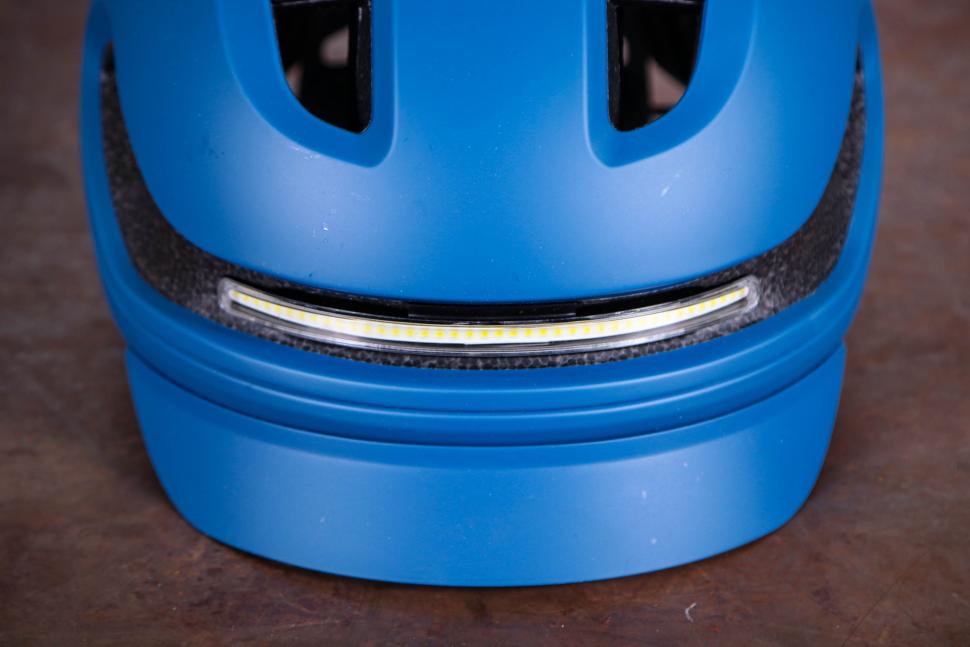
Firstly it has lights: front and rear lights in a long strip. They’re nice and bright, and designed in such a way that they’re visible from any angle: from the side you can see a bit of both. The front one doesn’t leak any light into your eyes when you have the peak fitted (I didn’t use the visor but even without the peak it’s fine, so the visor should be okay too) and generally I’d say they do an excellent job of making you a bit more visible. They’re not a replacement for a front and rear light on your bike – either practically or legally – but the elevated position of the light means there’s more chance of the light being in another road user’s line of sight.
By default, the lights are on whenever you power the helmet up, in steady mode. In order to access the other modes you’ll need to sync your helmet to your smartphone using Unit 1’s app. I found the app (on my Google Pixel 6 Pro) to be a bit glitchy: it found the helmet, then it lost it, then it wouldn’t connect when I removed it – I had to reset both my phone and the helmet to get it paired. It seems to have stabilised now, but it wants me to update the firmware on the remote (more on that in a bit) and crashes every time I try. So: not a great user experience.
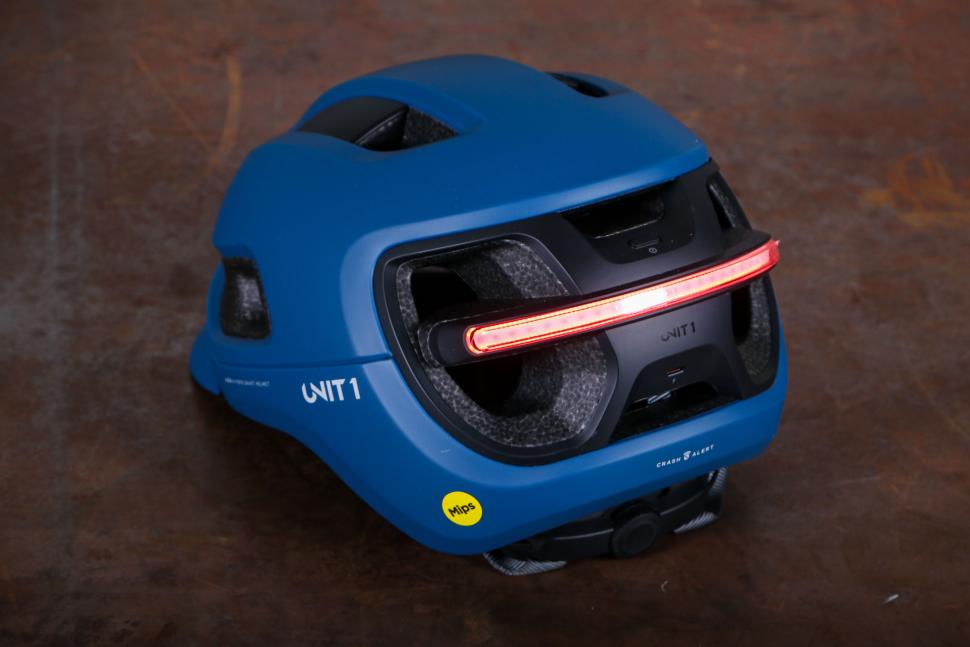
Anyway, you can select from a range of presets that make the lights flash or pulse in various ways, and by doing so you can extend the helmet’s internal battery life from about two and half hours on ‘Performance’ mode (both lights on full) to over 14 hours on ‘Battery save’ (both lights blinking in succession). It’s a pity you can’t use the power button to cycle through the various modes though, like every other light, ever. That’d save you faffing around with your smartphone to complete a very basic task. I fed this back to Unit 1, and apparently a future firmware update will allow you to select three modes on the app that’ll be available from the power button, which will be a big improvement.
The lights also have a daylight mode, and a rain mode. Daylight mode uses an ambient sensor to turn the lights to minimum power mode in the day. You could turn the helmet off, of course, but then you can’t have indicators or crash detection. Most lights with a ‘day mode’ use the brightest flash they can manage. Unit 1 has gone the other way here. Maybe they just don’t think the lights are bright enough to really be visible in bright sunlight. They’re probably right. The rain mode is supposed to change the light to a maximum-visibility flash mode when it’s wet, or foggy, based on weather data on your phone. The only conceivable use for this would be for the helmet to change mode mid-ride based on super-accurate up-to-the-minute weather data. Let’s be honest: we’re not there yet. Realistically you can just look out of the window and pick a mode before you leave.
Once you’ve paired your phone you can also set up crash alerts. If your helmet detects a hard knock to the bonce, it can send an SMS to your chosen contact to let them know you may be in trouble. Once the helmet senses an impact – and from my office testing I can confirm you need to give it quite a smack, so you’re not going to accidentally trigger it by dropping it on your desk – it’ll flash up a screen that allows you to cancel the alert if you respond within 15 seconds. If you don’t do that, your contact will be notified, with a link to your last-known location as provided by your phone’s GPS. Although I imagine the ratio of false alarms to genuine SOS moments is pretty high, it’s still a useful feature, and implemented fairly well – although of course you’ll need to have your phone paired every time you ride to make the most of it.
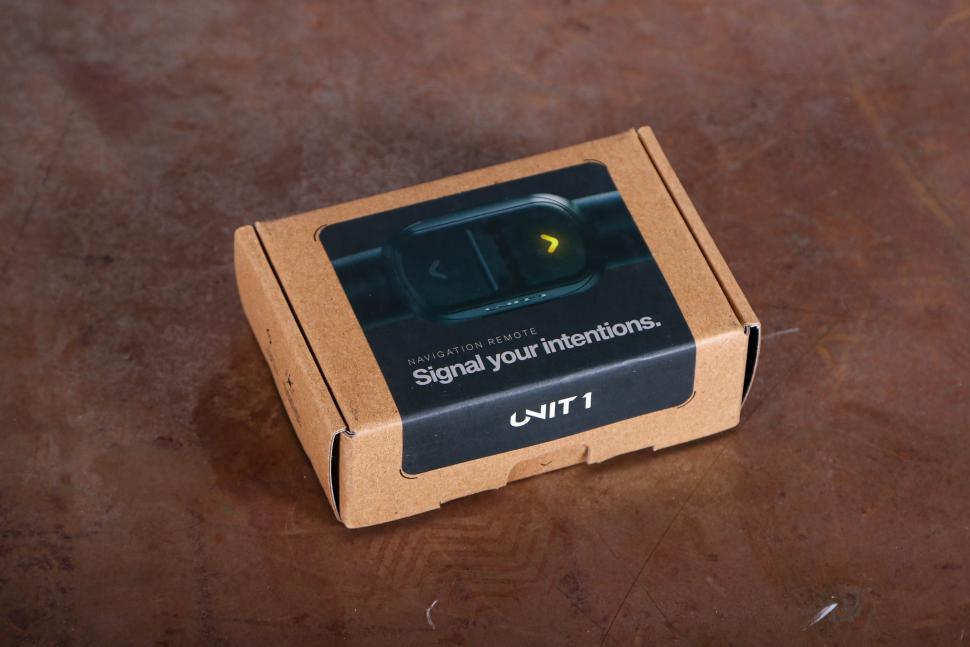
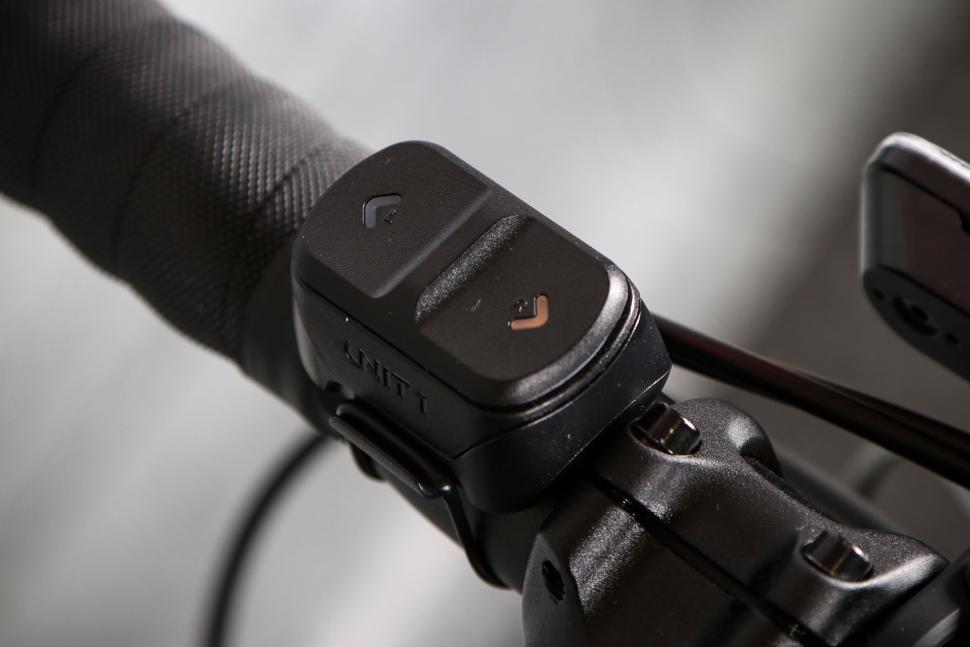
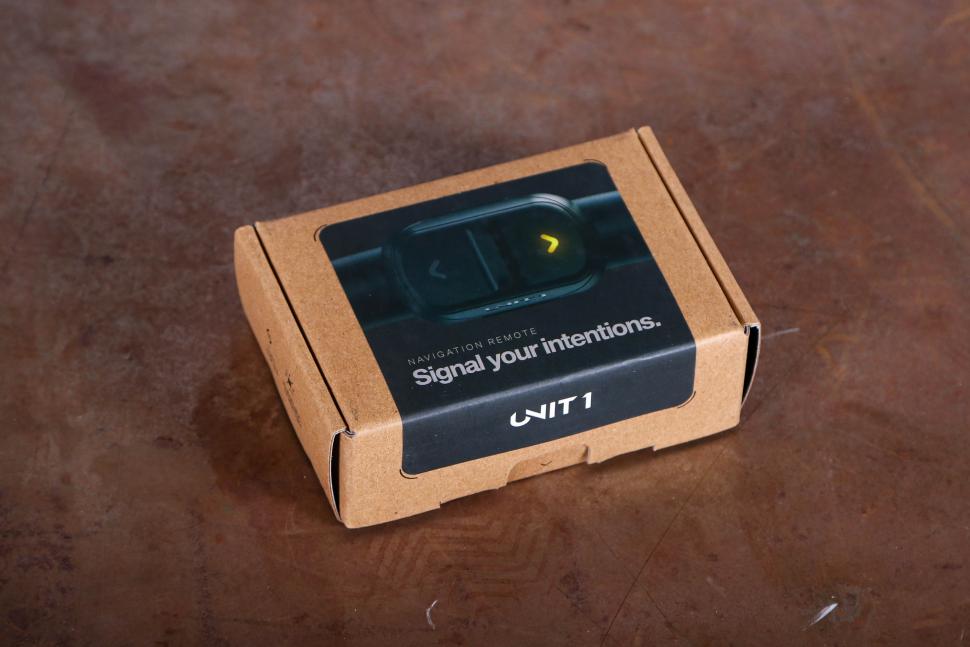
On to the remote that I mentioned previously. This can be purchased separately and allows you to activate turn signals from your helmet. Yup, bicycle indicators! These have a long and not-particularly-stellar history: most of them have been, well, a bit rubbish. The Unit 1 remote allows you to activate them both on your helmet and also on the company’s smart lights, which we’re reviewing separately.
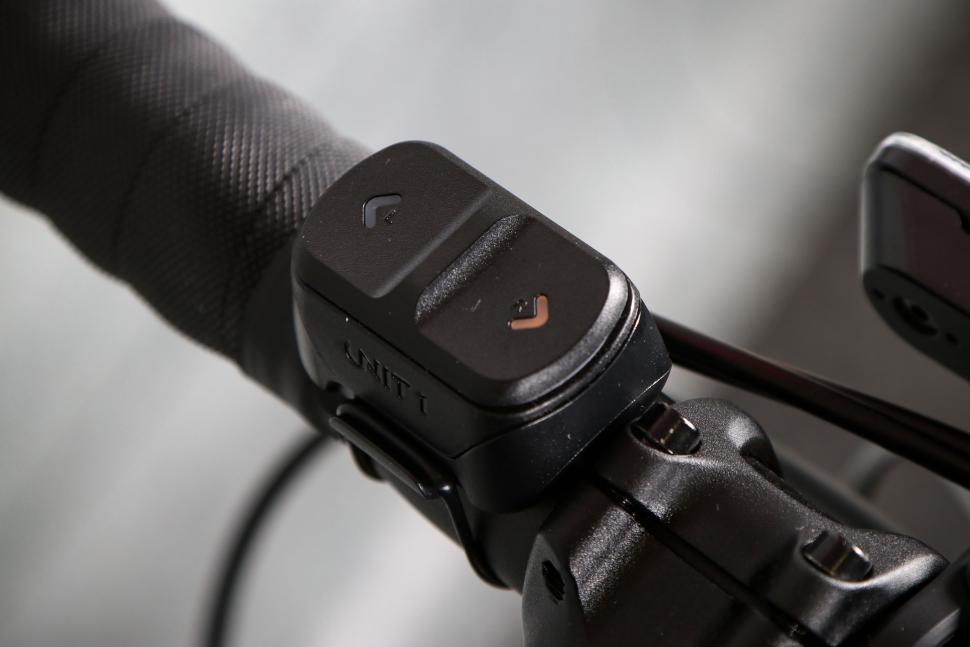
The remote is a chunky plastic unit with two buttons that fits to your bars with an O ring. Press one of the buttons and the lights in the front and back of your helmet will flash in a sort of orange wave out from the centre in the direction you want to turn. It’s similar to the way indicators display on plenty of modern cars, and as such it should be easy enough to understand. The buttons flash when the helmet is indicating, and if you long-press them both you can turn the helmet on and off.
The motion of the lights makes it more obvious which indicator is being used. I’ve tried many bike indicators that just flash, and normally there’s just not enough distance between the two to make it clear from a distance whether you’re turning left or right. On top of that, the indicators auto-cancel, so you’ll get five waves of orange indicator light and then you’re back to red and white. That solves the problem of accidentally indicating, or forgetting to cancel your indicator, both of which have been bugbears of other systems I’ve tried. You can change the indicator mode to flashing (don’t do this) in the app, or tweak the amount of time it displays for.
The downsides? Well, your head moves about, so it’s not a fixed reference for someone behind, although again the fact that the movement of the lights indicates direction change means that’s less of an issue. If you have a set of Unit 1’s Smart Lights then the remote can control both, which will amplify your turn signal and also give a fixed reference. The remote works better on flat bars than drops, but it’s okay if you spend most of your time in one hand position. Two separate buttons – one for each side of the bars – would be better from a usability point of view, but also more complicated.
Overall: hey, it’s not bad. That’s not something I often say about indicators on a bike. It’s 16 years since I reviewed the Bicygnals and bike indicators have been ‘reinvented’ on about a six-monthly basis ever since by people who breathlessly email in with their latest Kickstarter. The point I made in that decade-and-a-half-old review still stands: the indicators should never be your primary means of telling other road users what your intentions are: that’s what the law says hand signals are for. If you didn’t signal using your hand but you did indicate, and then a passing car piled into you, that’s a pretty murky area from a legal standpoint since there are no requirements for bicycle indicators to fulfil, and no requirement to have them.
The remote also allows the helmet to indicate braking using an accelerometer. I’m not sure why the remote is needed for this, since the helmet already clearly has accelerometers in it that it uses to detect a possible crash. Anyway, it changes the rear light pattern, from whatever mode you’re currently in, to a fast flash that’s different but not any brighter. I’m going to suggest – given the myriad different flash patterns of rear bike lights in any given town – that this will be recognised as a braking signal, and subsequently acted upon, by basically no-one. Except possibly cyclists who happen to be driving.
The Aura MIPS is a little bit of a mixed bag for me, but overall it’s a likeable urban helmet. Speed pedelecs aren’t really a (legal) thing in the UK but the extra protection that the NTA-8776 rating and MIPS layer provide makes this, on paper, about as safe an option as you can get. The lights are pretty good, and are destined to get easier to use down the line: give me some selectable light options without having to pull my phone out and that’s an extra point onto the score. The indicators I thought were pretty effective – although I still have reservations about indicators on bikes, I can see that they’ll have appeal. The app wasn’t the most seamless experience, and there are some functions – the rain mode and the brake light – that I don’t really think bring anything to the party. But I found myself using it around town as my default lid just for the quality of the lights and the fact it was pretty comfy (until I lost it to my daughter, who straight up nicked it).
> Best cycling helmets 2025 — choose a bike lid that’s right for your riding
At £200 this isn’t a cheap urban helmet. We haven’t reviewed anything directly comparable but the most similar lid out there is the Abus HYP-E which is a little bit cheaper, and comes with the remote, whereas here it’s an extra. It doesn’t feel too much over the odds given the quality of the helmet and the lights though.
It’s a qualified thumbs-up from me. The bones of the helmet are really good and it sounds like improvements to the user experience on the smart side are on the way. I can only really review it as it is now though, and some things still need a bit of work.
Verdict
A versatile smart urban helmet with excellent lights and decent crash detection
> Buy now: Unit 1 Aura MIPS helmet for £199.90 from Unit 1
All the deals displayed on our review pages are pulled from a constantly updating database feed of the best affiliate deals available. The criteria for deciding on what are the best deals is who is offering the lowest, delivered price. In most cases we will be showing the very best deal available online, but sometimes you may be able to find an item cheaper. If you can please feel free to post a link in the comments box below. To find out more about affiliate links on road.cc click here.
road.cc test report
Make and model: Unit 1 AURA Mips Maverick
Size tested: medium
Tell us what the product is for and who it’s aimed at. What do the manufacturers say about it? How does that compare to your own feelings about it?
“Riding has evolved. Safety needs have evolved. AURA rises up to the challenge.
“Award-winning design. Urban/Road hybrid. Powerful integrated lights. Crash Alert. Super ventilated. Compatible with Turn Signals & Automatic Brake Lights. Comes with the Mips Safety System.
Crash Prevention
Powerful Lights. Maximum Visibility.
AURA puts powerful lights on your highest point.
Its massive light footprint will make you more visible to others on the road.
360 degree coverage: Be visible from all angles.
500+ Lumens: Yeah, that’s a lot of light.
Navigation Remote: Signal your intentions on the road.
Turn Signals: Oversized buttons you can press without looking – keep your eyes on the road.
Automatic Brake Light
Crash Protection: It doesn’t get any safer.
Mips Safety System: Mips is a innovative system that uses a low friction liner capable of small movements within the shell, absorbing extra energy in the event of rotational impacts.
E-Bike Certified: NTA-8776 Compliant. +45km/h. Also compliant with CPSC & EN1078.
14 Vents: Strategically placed across the helmet for front-to-back airflow.
Lightweight Construction: Only 440 grams (15oz) that will make you forget you’re wearing a helmet.
Magnetic Visors: Adapt to any ride.
AURA comes with a detachable magnetic brim and is also compatible with our magnetic Speed Visors, making the helmet suitable for Road, Urban and even Speed Pedelec riding. 5 powerful internal magnets keep the attachments secure during the ride but are designed to detach upon impact to keep them away from your face.
Tell us some more about the technical aspects of the product?
AURA Smart Helmet
Front & Rear Lights
NTA-8776, CPSC & EN-1078 Certifications
14 Fixed Vents
Turn Signals through Navigation Remote.
Automatic Brake Lights through Navigation Remote.
Mips System
FIDLOCK Magnetic Buckle
440g
Customisation App
Compatible with Nav. Remote, Visor & Smart Light
Nicely made and well finished. Strap and buckles are nice. Micro adjust is basic but works fine
Overall, for everything including the app and using the remote – which isn’t included – it’s decent, but there are things that can be improved.
Sturdy and still looks like new after plenty of use.
It’s not light at 487g, but it’s not really an issue for a helmet like this. Unit 1 says it’s suitable for road riding as well as urban, but I don’t really think it’s the best helmet for that kind of riding.
Pretty comfy, though I would have liked the rear cradle a bit lower.
I feel like it’s a reasonable price but you wouldn’t say it was a bargain.
Tell us how the product performed overall when used for its designed purpose
Very well as a helmet with lights in; less so with regards to the smart integration and some of the other functions.
Tell us what you particularly liked about the product
It’s a nice comfy urban lid with good certification and excellent lights to get you seen about town.
Tell us what you particularly disliked about the product
Some of the functions are a bit flaky and the app wasn’t great either.
How does the price compare to that of similar products in the market, including ones recently tested on road.cc?
We haven’t tested anything directly comparable recently but the most similar helmet in the market (the Abus HYP-E) is a bit cheaper.
Did you enjoy using the product? Yes, when I was using it as a helmet and not having to do stuff on my phone
Would you consider buying the product? Maybe
Would you recommend the product to a friend? Yes, if I thought it’d be a good fit for their riding
Use this box to explain your overall score
Overall I’m giving it a 7: it’s a good urban helmet, and day-to-day it’s nice to use. It drops some marks for being less good than it could be from a smart helmet point of view: some of my gripes can be addressed with updates to the app and the helmet firmware.
About the tester
Age: 52 Height: 189cm Weight: 99kg
I usually ride: whatever I’m testing… My best bike is: Lauf Úthald, Kinesis Tripster ATR, Dward Design fixed
I’ve been riding for: Over 20 years I ride: Every day I would class myself as: Expert
I regularly do the following types of riding: commuting, touring, club rides, general fitness riding, fixed/singlespeed, Mountain Bike Bog Snorkelling, track


