


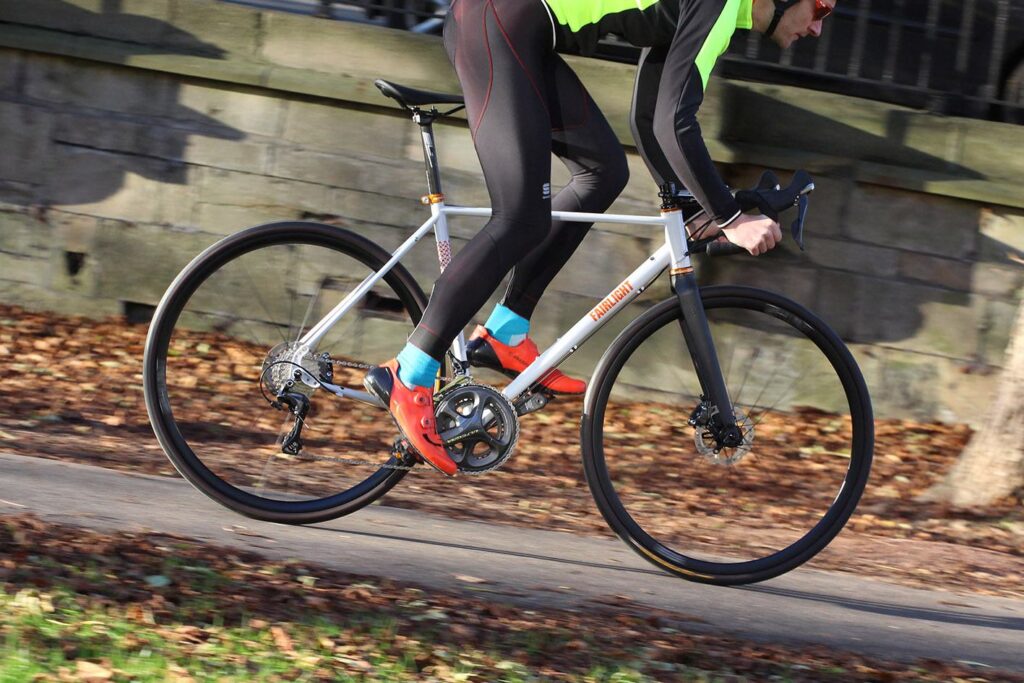
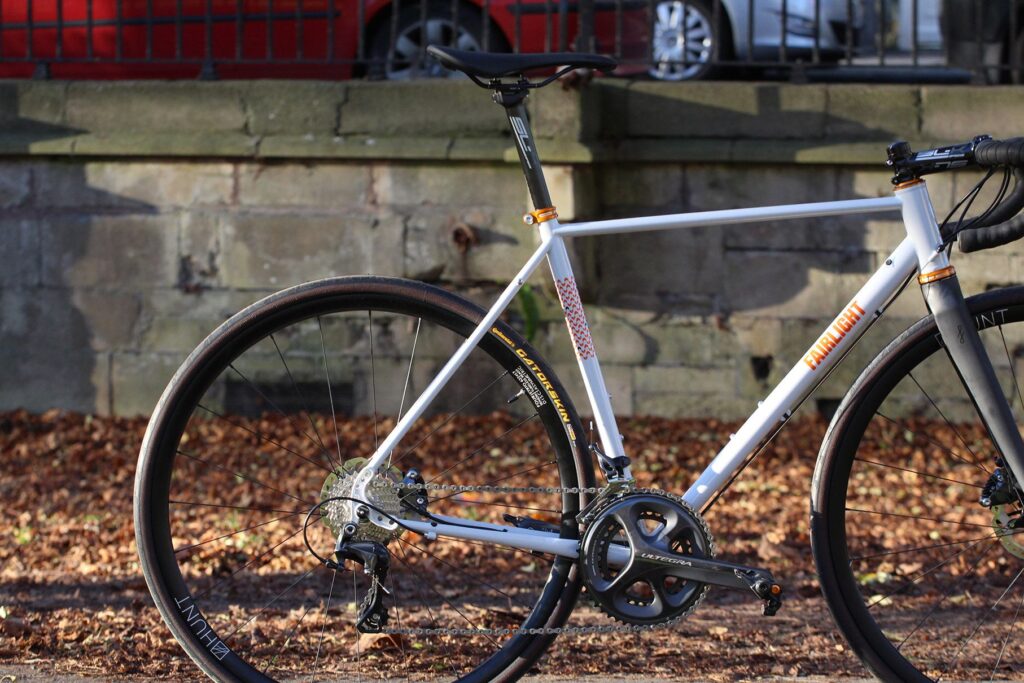
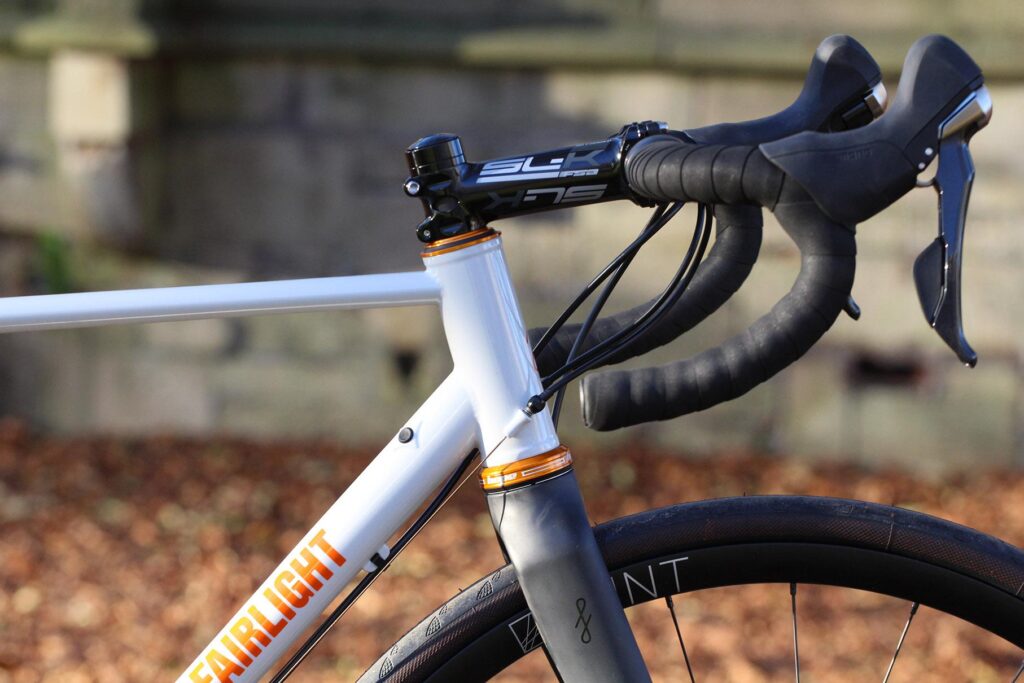
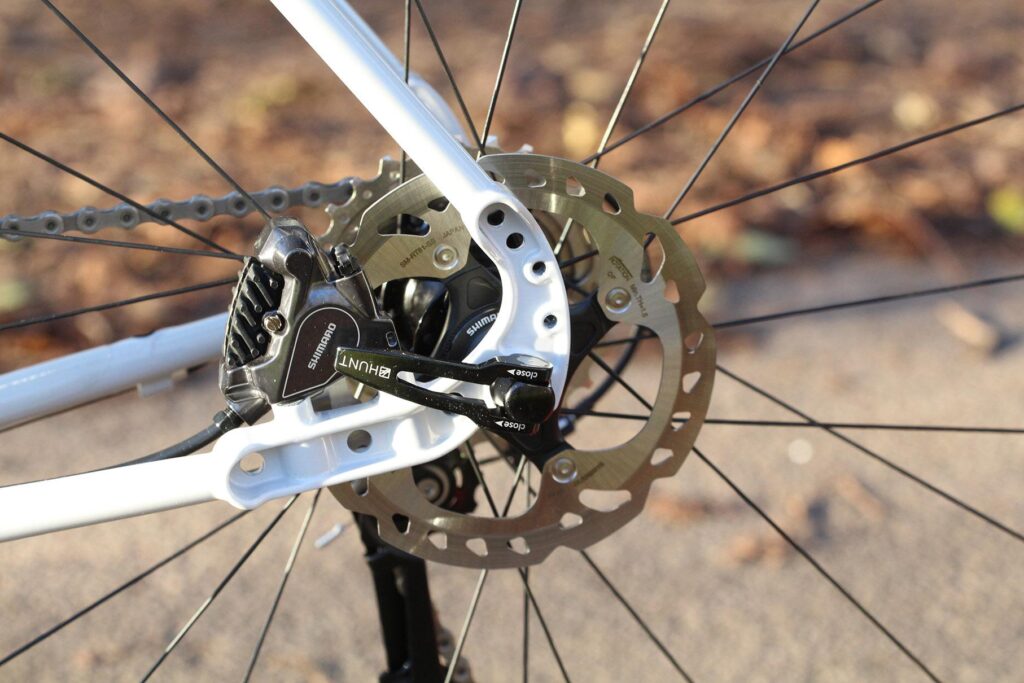
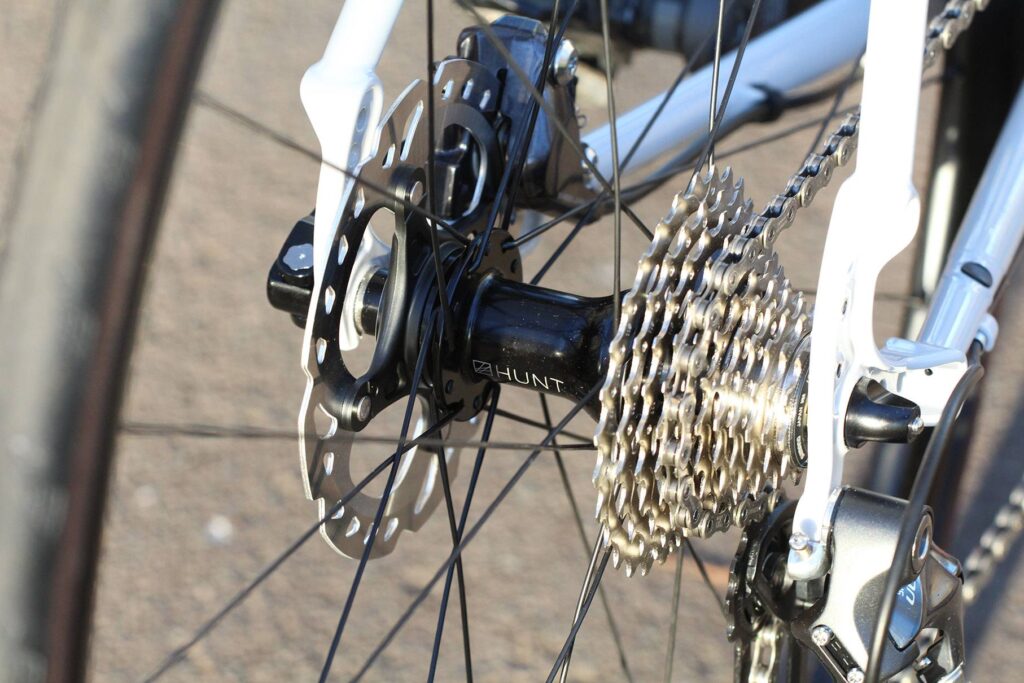
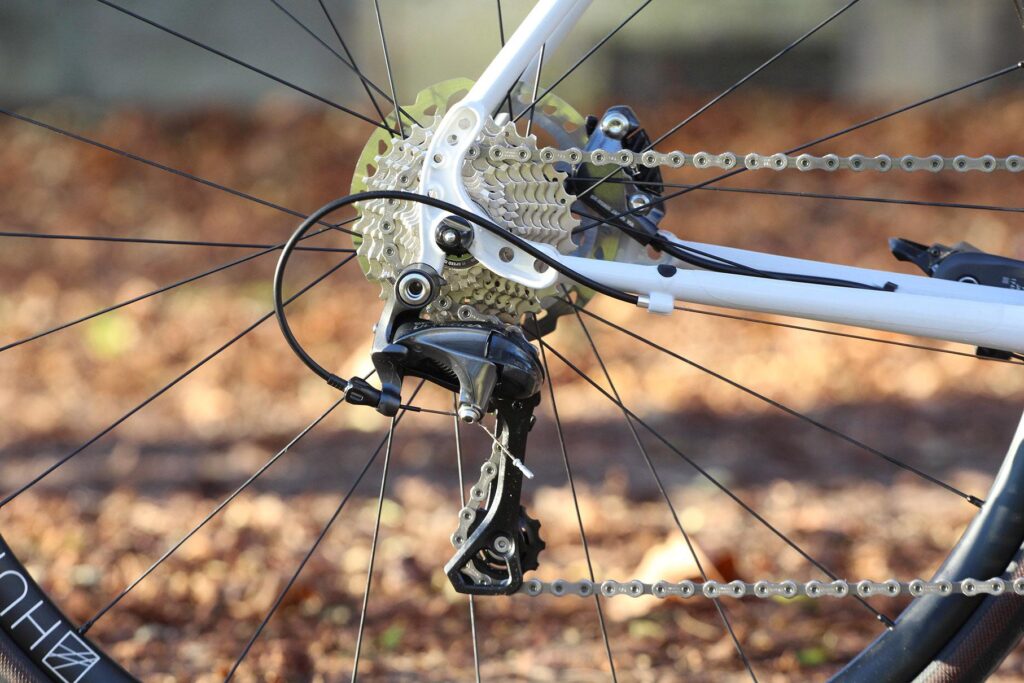

Fairlight Cycles’ new Strael is an absolutely stunning machine to ride, offering four-season adaptability and durability without sacrificing high speed or a racy performance. Intelligent tube choices coupled with a long and low geometry make for a bike you can blast about on all day long and the only muscles that’ll ache at the end of it will be from grinning too much.
Ride
You might have guessed that I totally fell in love with the ride quality and handling of the Strael. The whole bike just felt right from the moment I first rode it away from the road.cc office. Yes, it was sent in already set up to my measurements reflecting my own bikes, but it was more than that.
I didn’t need any sort of adjustment period to learn any little handling quirks or how it responded to acceleration as I cut my way through the Bath midday traffic, diving through gaps and beating the traffic lights.
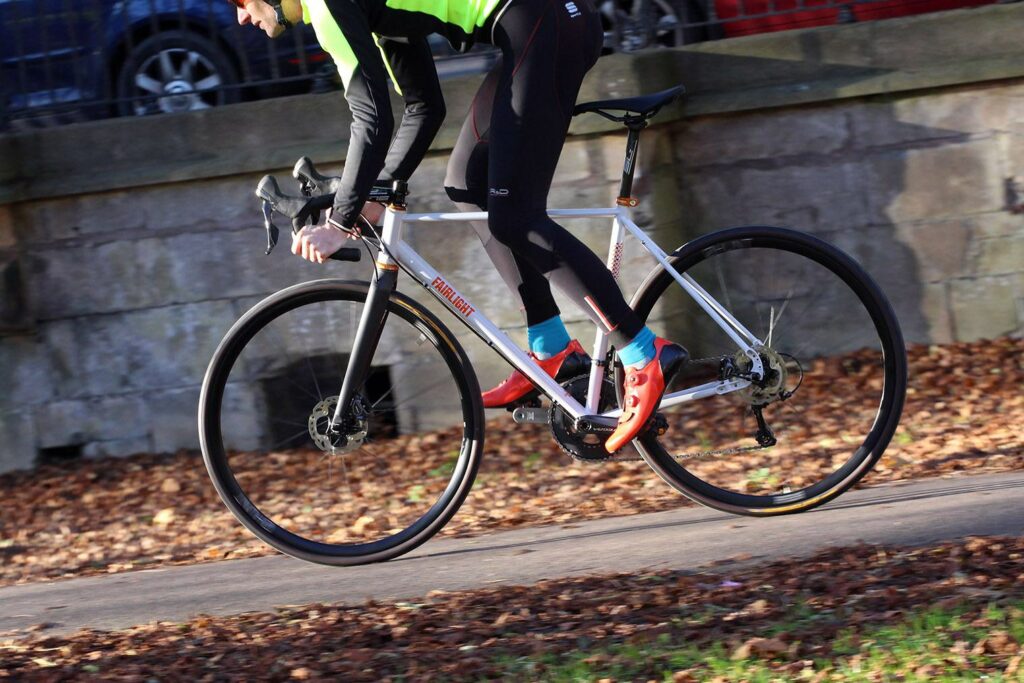
It’s quick, for a start – way quicker than I ever expected it to be considering its weight and intended use, but changes in pace are dealt with instantly, especially those that see you getting out of the saddle and sprinting to close a gap or whatever. It isn’t lightweight-race-bike quick, nor would I expect it to be, but it really does stand its ground against many other bikes out there that are aimed more at pure speed.
There is plenty of stiffness at the bottom bracket so you certainly don’t feel like you are wasting any energy as you stamp on the pedals. The only time the Strael does seem to struggle a little is from a full gas standing start, when there can be a little bit of lag from the rear end. It disappears quickly, though, as you continue to increase speed.
This stiffness makes the Strael a competent climber too, whether on the short, sharp stuff or tapping out a long and steady ascent where you just stay in the saddle and keep the pedals turning. The relatively steep seat angle of 73.5 degrees and the inline seatpost that the bike was sent in with put me in my preferred forward biased climbing position, and I felt like I could power up the climbs when seated. I’m not usually a fan of going uphill but I came to enjoy it a bit more astride the Strael.
Coming back down the hills is where the Strael really got the juices flowing. The whole setup here is quite racy, with this 54R (more about the Proportional Geometry in a bit) having a 555mm top tube length and a short 130mm head tube, which means you can really stretch your body out and get your centre of gravity as low as possible when in the drops.
The Strael feels so balanced through the corners, even the really high speed twisty ones where just the slightest tweaks in body position get the required amount of response from the bike for a direction change or tightening of a line. The simplest drop of the shoulder or knee, tiny inputs, but you feel so much in tune with the bike that you’re constantly making little changes without even realising. You aren’t perched on top of the Strael, you feel like a part of it as you flow from apex to apex, smooth as anything as you bank it over from side to side.
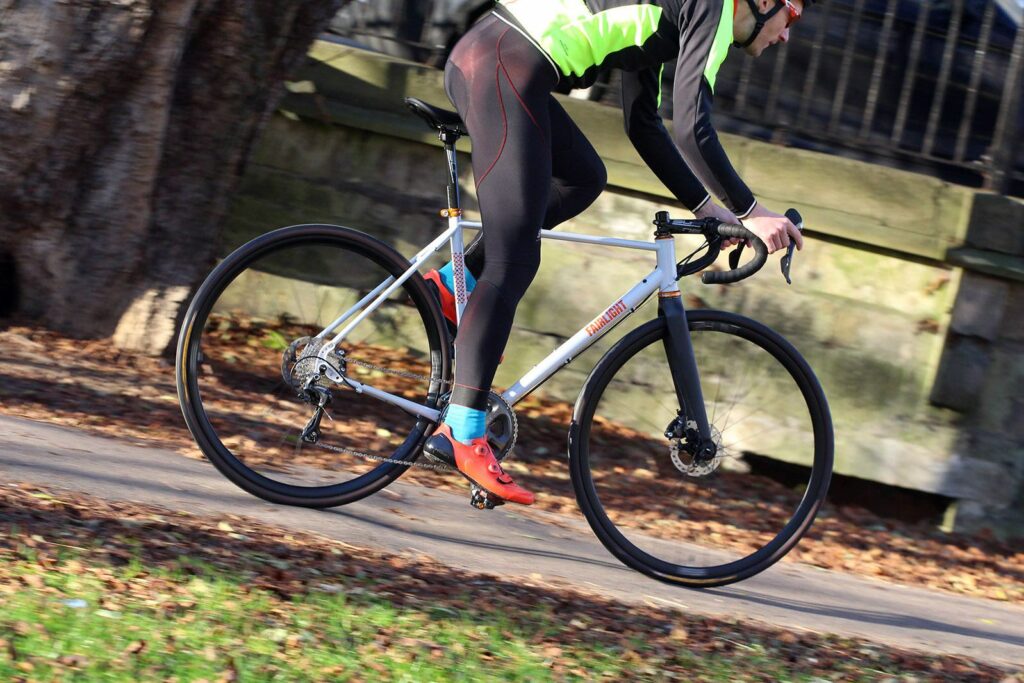
The actual handling isn’t as quick or sharp as a race bike, but because the Strael’s frame is so responsive it isn’t really an issue. The times on my favourite testing descents were pretty much the same on the Fairlight as with the carbon superbikes I’ve chucked down them over the years, some of which is down to how planted and confident the Strael feels, giving you the nod to maybe take a bit more risk.
If things do go all pear shaped then you’ve got the stopping power and controllability of the Shimano hydraulic disc system, which brings an extra level of confidence to the mix. The Strael uses a 44mm diameter head tube and its own-design carbon fork with tapered steerer, both of which add to front end stiffness under braking and steering loads.
It all sounds a bit manic, doesn’t it? But you don’t have to ride the Strael like this all of the time, it’s a cruiser too.
If you’ve got a long ride planned then the Fairlight is an excellent choice mainly because of its comfort levels. All the stiffness I’ve been harping on about above is only half the story. The Strael uses a selection of steel tubes chosen or custom drawn to create the exact ride characteristics depending on where they are positioned.
Fairlight has nailed the stiffness/comfort balance here, so when things aren’t so hectic you get that beautiful smooth steel ride where the tubes are flexing just enough to take the sting out of bumpy road surfaces before it hits you.
I did a couple of three to four-hour rides on the Strael and never once felt any discomfort. The Fairlight’s ability to take full mudguards, racks and even a dynamo light thanks to the design of the fork means it will make a great tourer, providing plenty of comfort and performance when asked for.
Proportional Geometry
We’re all different shapes, right? Well, because of this Fairlight has decided to offer each frame size in two different geometries: Regular and Tall.
Basically it comes down to body proportions. I, for instance, have a long torso and short legs, so I was sent a 54cm Regular (54R); if I was the opposite way round – short torso, long legs – it would have been the 54cm Tall (54T).
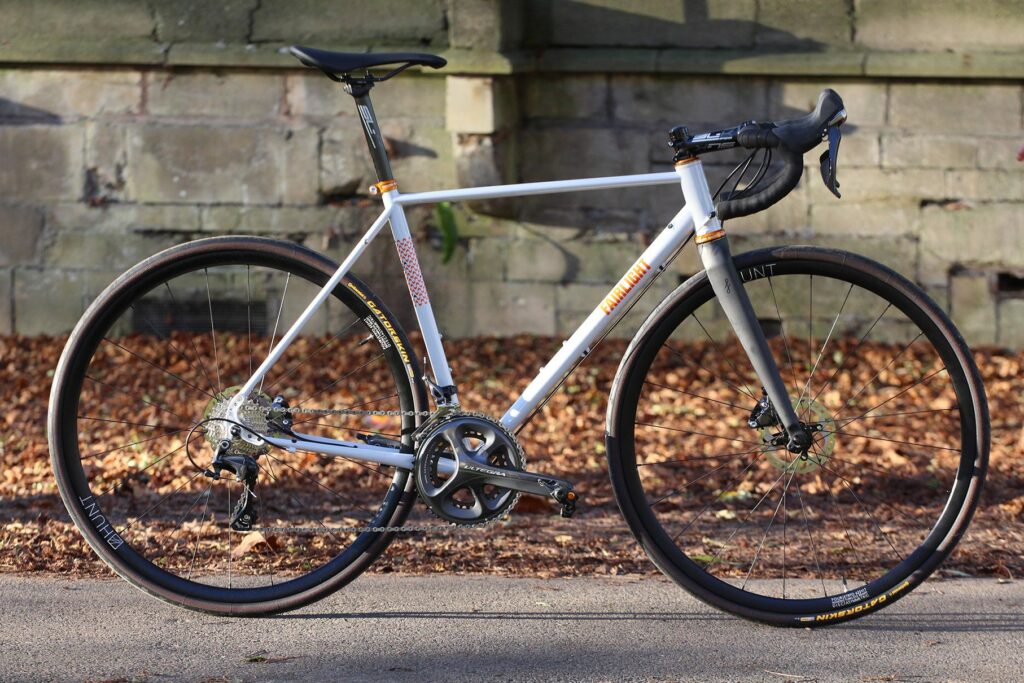
The difference comes down to tube length. The Regular I tested has a shorter seat tube, longer top tube and shorter head tube than the Tall version. The longer top tube lets me stretch out my torso and get lower.
There are three ways to work out which size bike you need on Fairlight’s website: by filling in your measurements, sending them your details from a professional bike fit, or just by sending in the measurements from your original bike. There is a video on Fairlight’s website showing it all in much more detail.
Frame & fork
I’ve touched on the frame tubes a bit, but here we’ll take a look in a bit more depth. Dom Thomas, the designer of the Strael, used to work for Genesis Bikes, with the development of the steel Volare race bike leading to him striking up a good relationship with tubing manufacturer Reynolds.
The Strael uses Reynolds tubing throughout, with the front triangle being made up of its 853 grade – the head tube, top tube, seat tube and down tube.
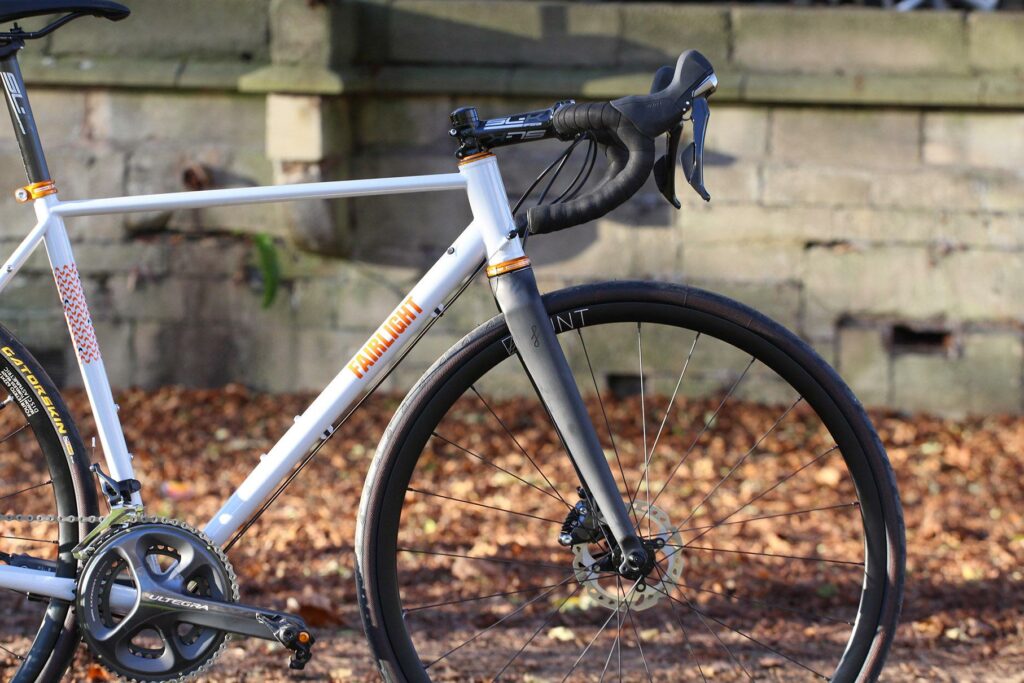
Starting at the front, the head tube is oversized and made especially for Fairlight in the exact sizes needed for its geometry. This allows for a massive 1 1/2-1 1/8in tapered fork steerer to improve front end stiffness, like I mentioned earlier.
My favourite tube (it is normal to have a favourite tube, you know) is the top tube, which starts off life round before being flattened to a 20x30mm oval. The thinking behind this, according to Fairlight, is that the 30mm width resists the side to size forces while the 20mm direction allows some flex for comfort. I reckon the thinness of it from a side profile looks stunning against the rest of the frame, and it’s definitely my fave part of the frame.
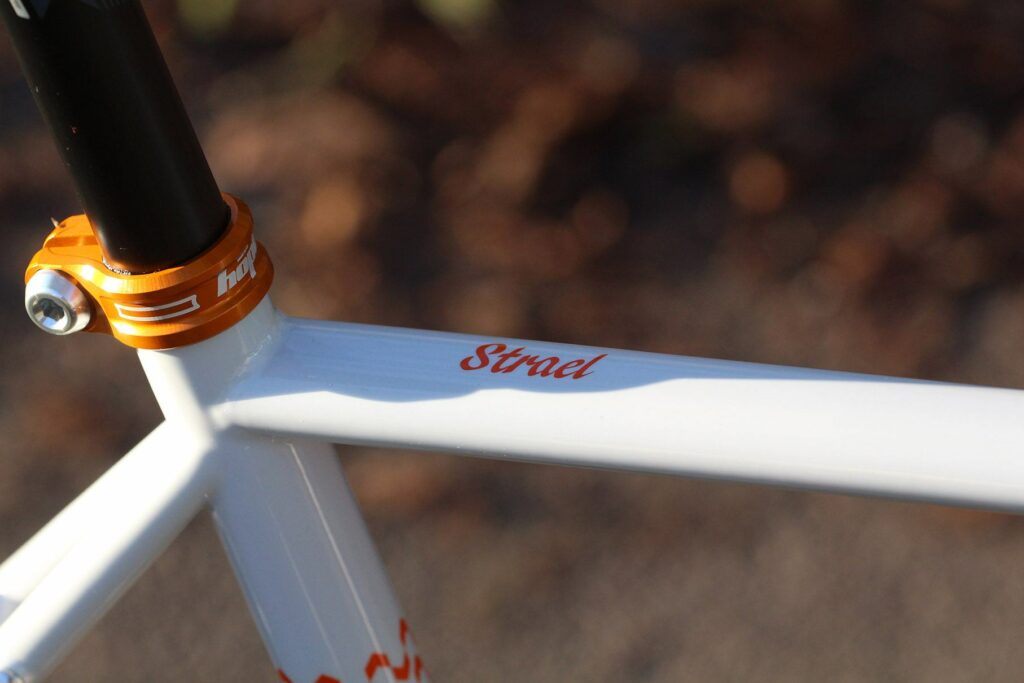
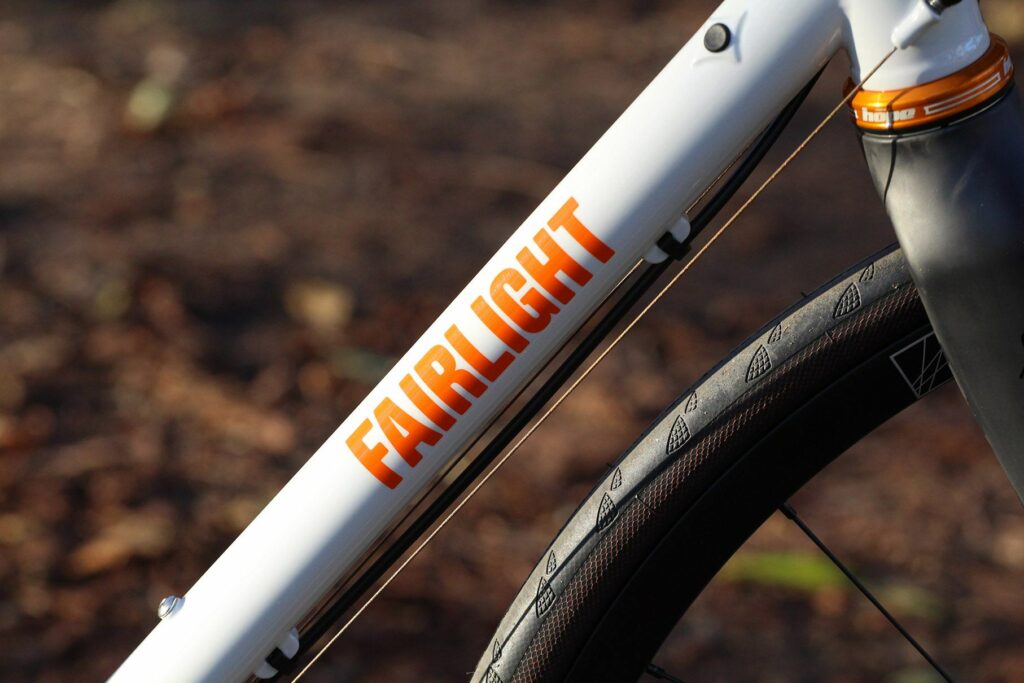
A similar thing has been applied to the down tube, with ovalising at each end but in opposite planes to resist twisty forces from the steering and pedalling.
Fairlight has gone with a traditional threaded bottom bracket shell which, as you’ll often find me writing, is a great thing to see especially on a four-season bike that is intended to get wet and muddy a fair bit. Press fit bottom bracket cups can let water and grit in between them and the frame if the tolerances between the two aren’t perfect, which can lead to creaking very early on and can increase wear and tear. Threaded bottom bracket bearing cups that can be screwed into the frame have no such issues, plus with the right tool are cheap and easy to fit.
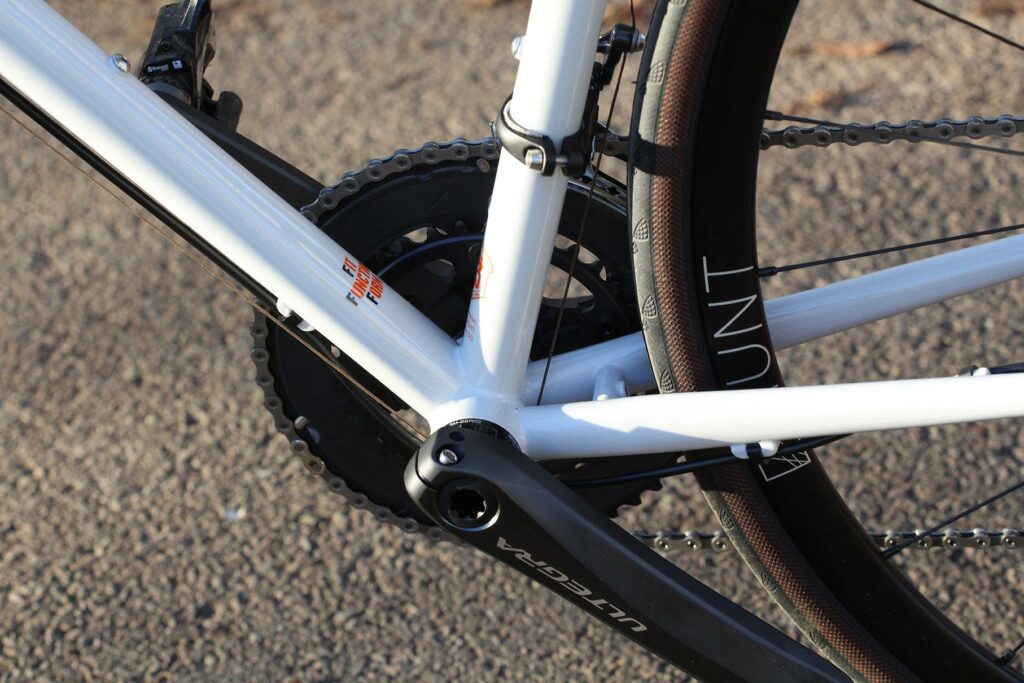
The chainstays are Reynolds 631, and while most we see are oval to allow for heel and tyre clearance, the Strael uses round ones to increase stiffness. The seatstays follow a similar theme, remaining the same diameter from top to bottom, and are made specifically for Fairlight from Reynolds 725.
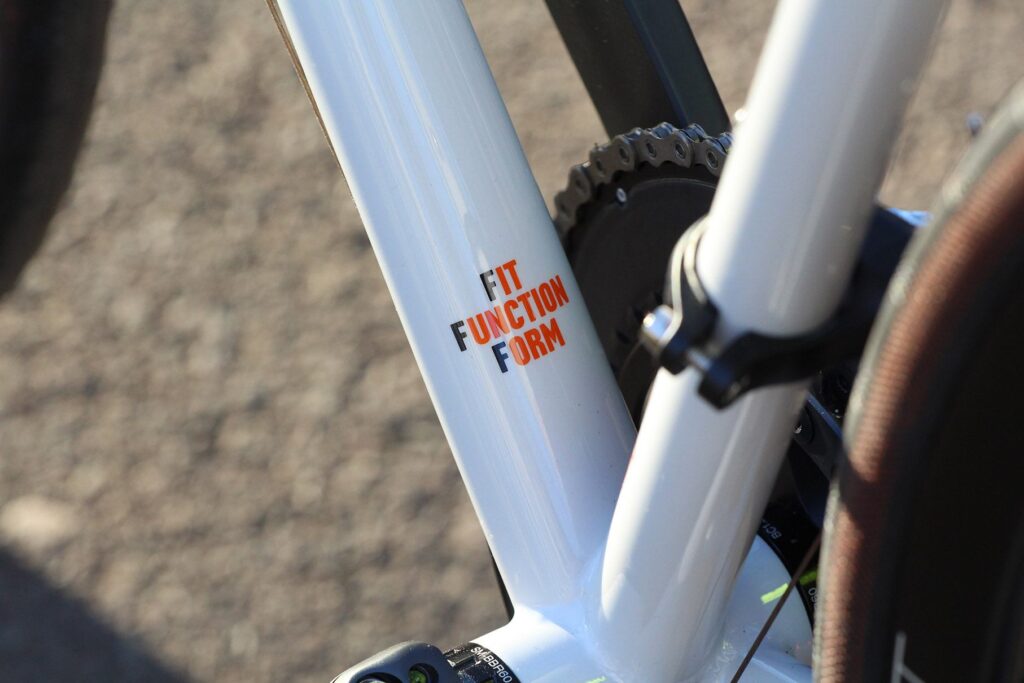
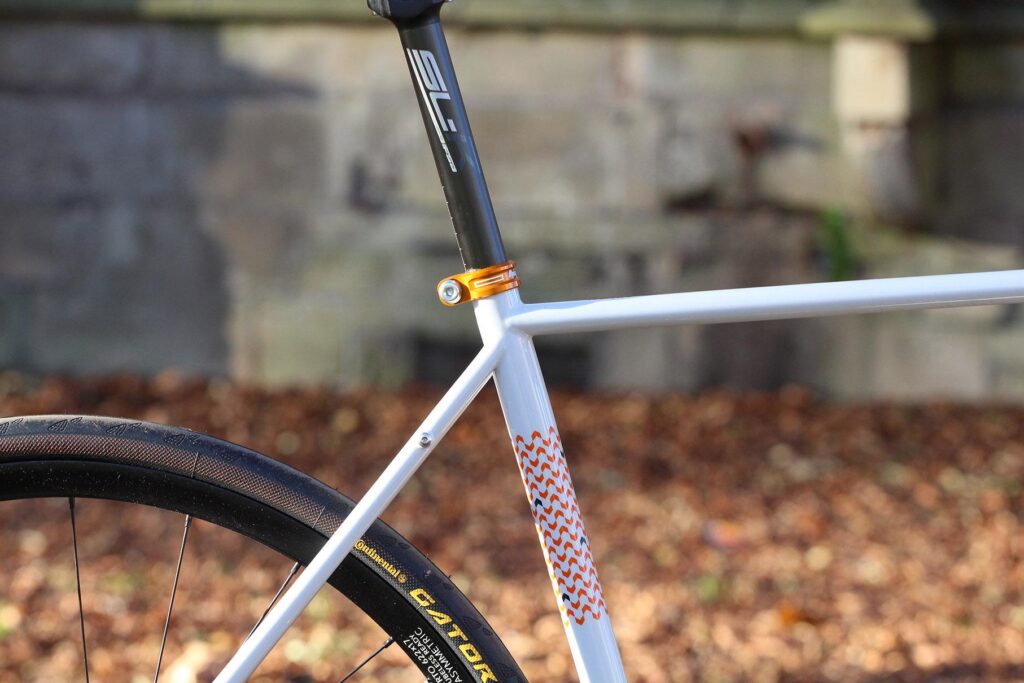
All of these tubes are joined together by smooth and tidy welding, giving the frames a top end look and feel, especially once finished off with the deep paintjob. I’m rather a fan of this Putty version.
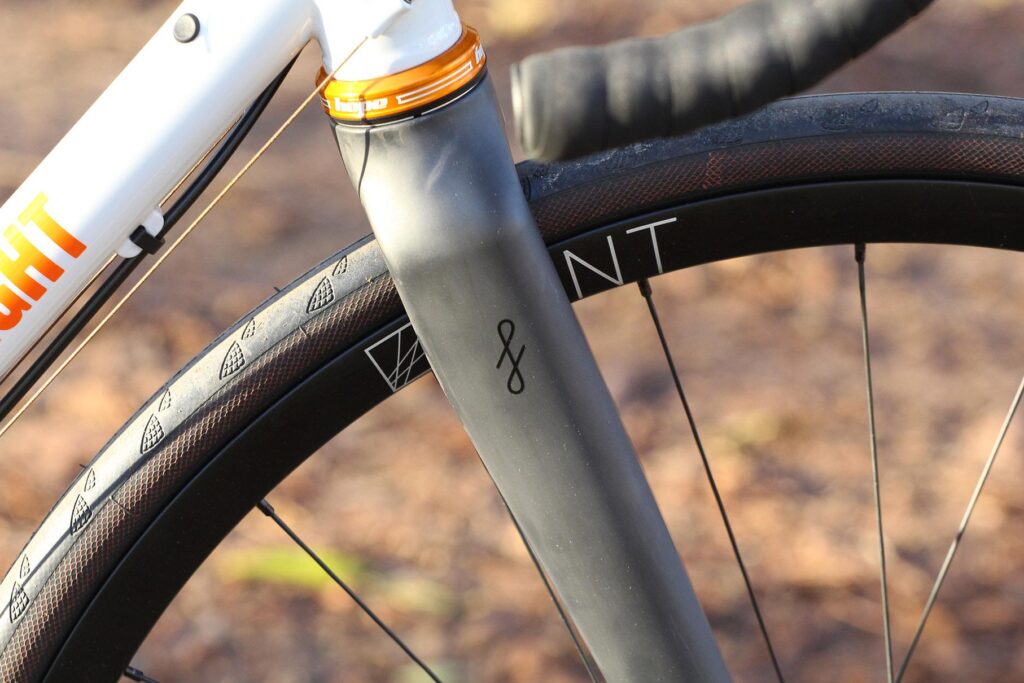
The fork is called Anraed and is designed by Fairlight for use with the Strael with the brief being: “To create a fork that had the weight, stiffness and ride characteristics of a road race fork but with ‘all season’ riding features such as proper mudguard mounts, clearance for 33c tyres (30 with guards) and even a dynamo lamp mount on the crown.”
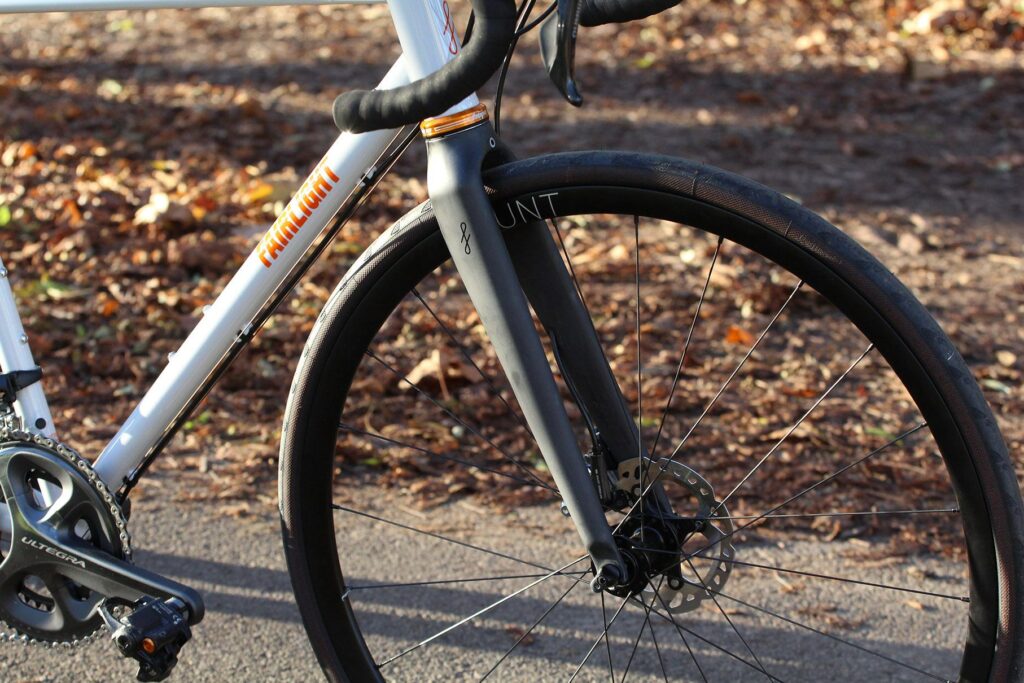
The result is a very stiff fork but not so harsh that it chatters about on rough roads. It doesn’t have any issues dealing with disc brake forces when stopping from 50mph or more. With a quoted weight of 365g it’s a light fork too.
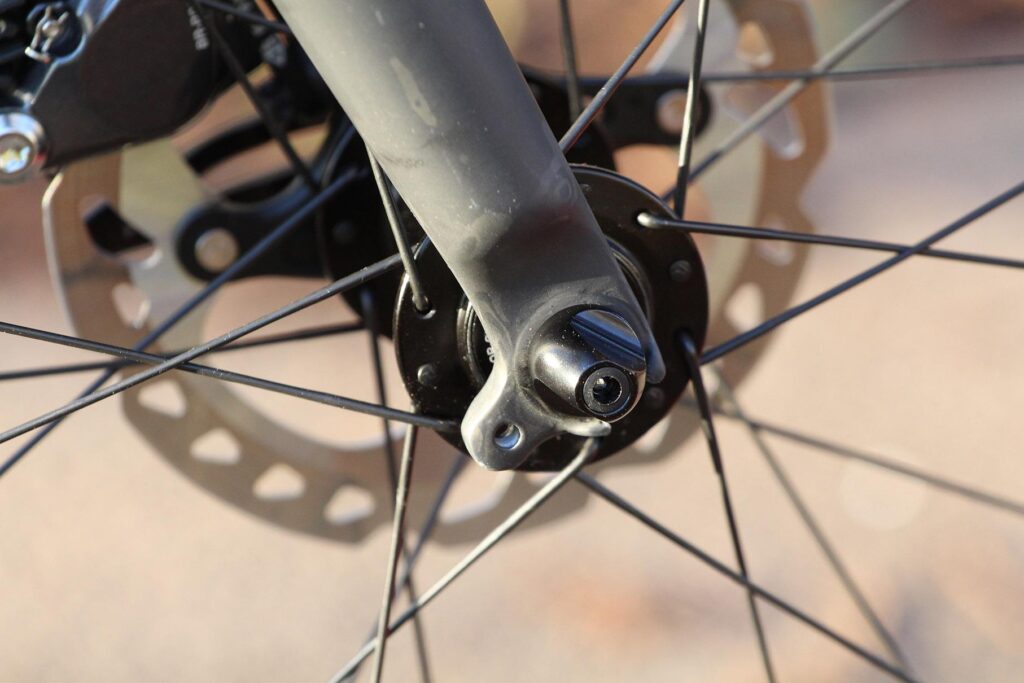
One thing you may have noticed is that Fairlight has stuck with traditional quick release wheel retention rather than a thru-axle. On some disc-equipped bikes I’ve been able to feel the fork leg twist down at the dropouts when braking hard from really high speeds, and having to then stop to realign the quick release skewer in the fork where it has moved ever so slightly and caused rotor rub. It’s usually caused by the braking forces being applied to one fork leg only, the disc side.
Usually a larger diameter tube, which is what a thru-axle is, threaded directly into the fork stops this from happening, or being noticeable at least, but in all the testing on the Strael I never had any problem – highlighting how stiff the fork legs must be.
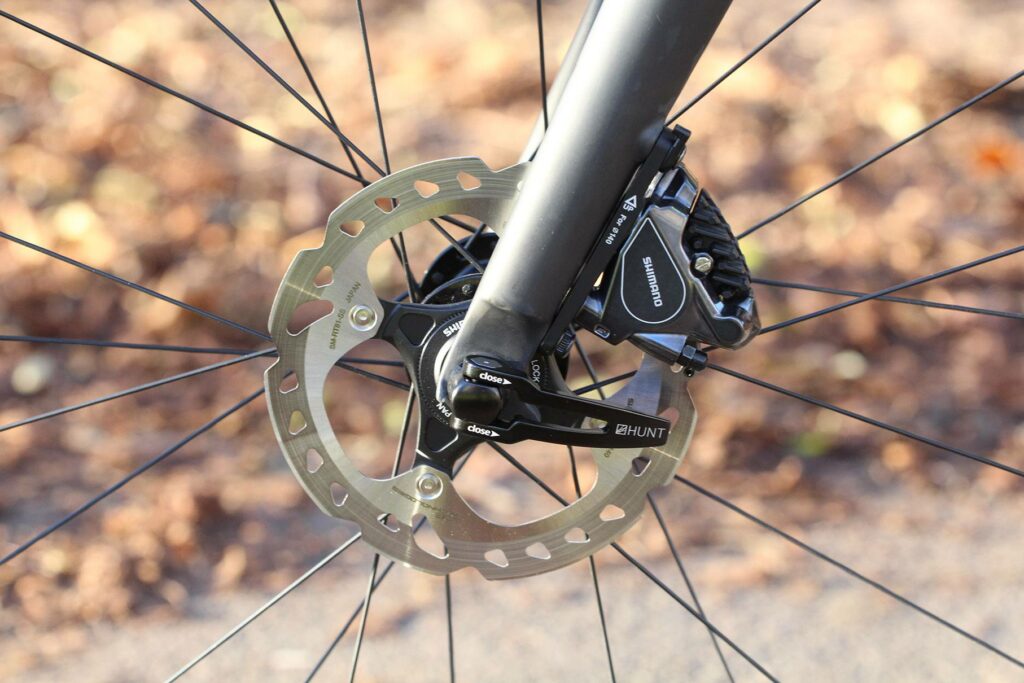
A thru-axle setup isn’t really necessary for the rear on a road bike, as so little of the overall braking is done there, and as you’d expect Fairlight has again stuck with a quick release. It says the dropouts are investment cast, which makes them perfectly strong enough for the job, and they certainly look that way with their engineered appearance. Fairlight has also gone for the now pretty much standard flat-mount calliper system.
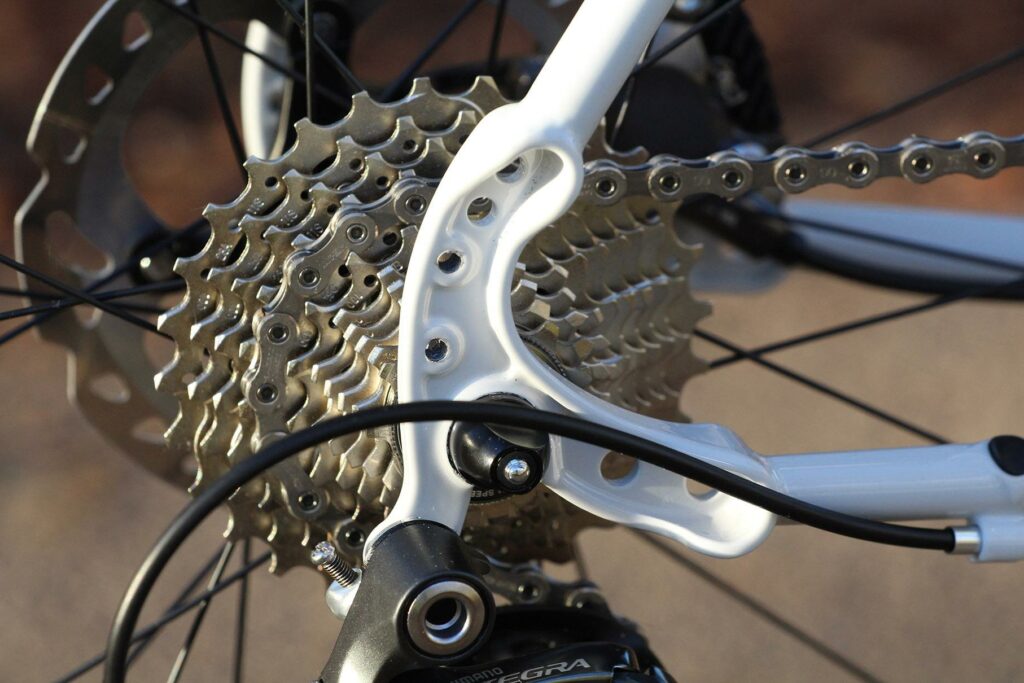
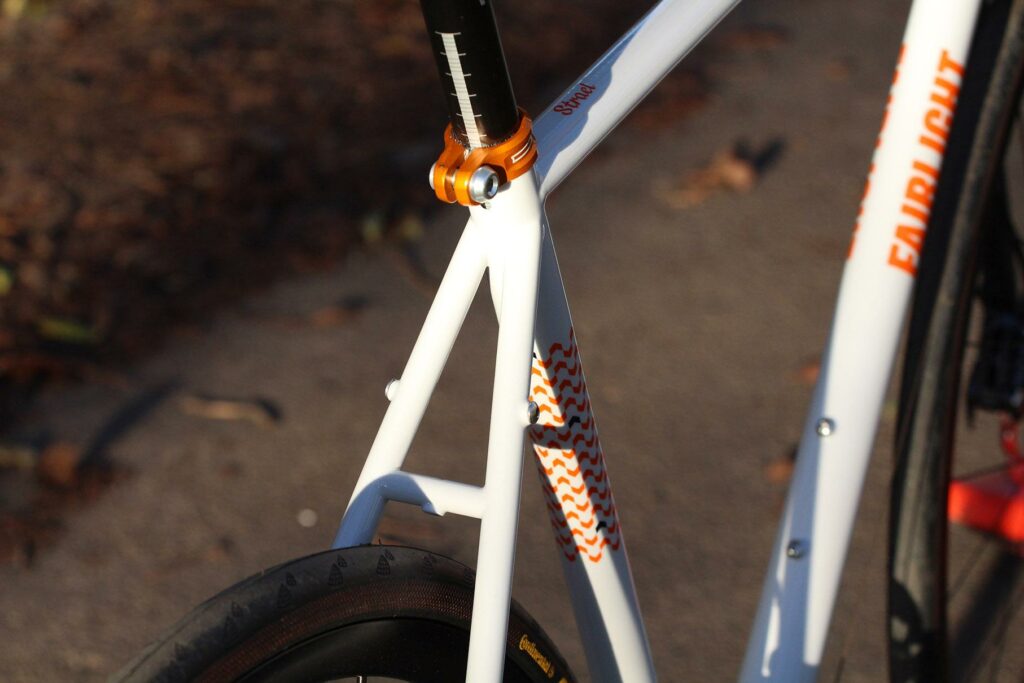
As for add-ons to the frame, you’ll find full mudguard eyelets and rear rack mounts plus the provision for twin bottle cages. With mudguards fitted you can still squeeze 30mm tyres on, and without that can be increased up to 33mm, giving you plenty of options for comfort and varying terrain.
While the hosing for the front disc brake calliper runs internally down through the fork leg, the hosing for the rear brake is external and passes neatly under the down tube, being held in place by guides and cable ties before running along the chainstay to the calliper.
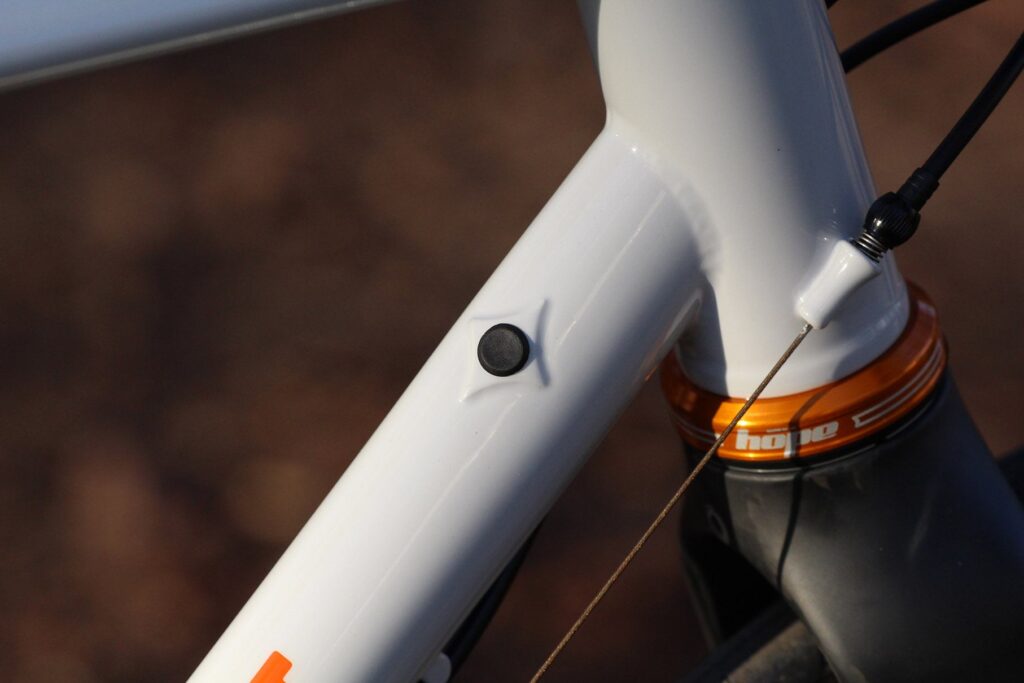
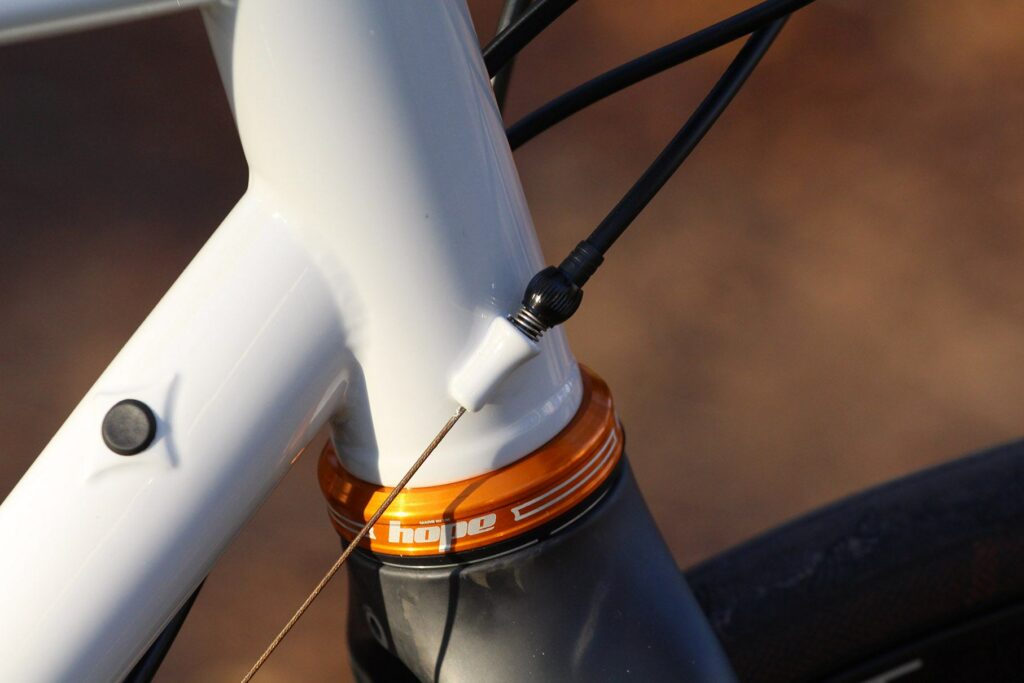
Gear cabling is external, too, with internal routing being available through the down tube if you go down the electronic shifting road. The only thing that niggles me a bit from an aesthetics point of view is that the cable guides on the head tube would become redundant and look a little odd sat there doing nothing.
All of this just scratches the surface of the engineering and design of the Strael, so if you’d like to know more then take a look at the Fairlight Cycles’ website as it is full of details about the thinking behind the bike.
Finishing kit
There are various specifications available for the Strael, starting with a Shimano 105 build with Aksium wheels priced at £1,849. The Ultegra model tested here comes in at £2,399 and also sees the jump to the Hunt wheels, and if you want to go Di2 that’ll set you back £2,799, with a mechanical Dura-Ace model topping the tree at a quid under £3k. Not cheap but nor is it overly expensive for a bike of this quality.
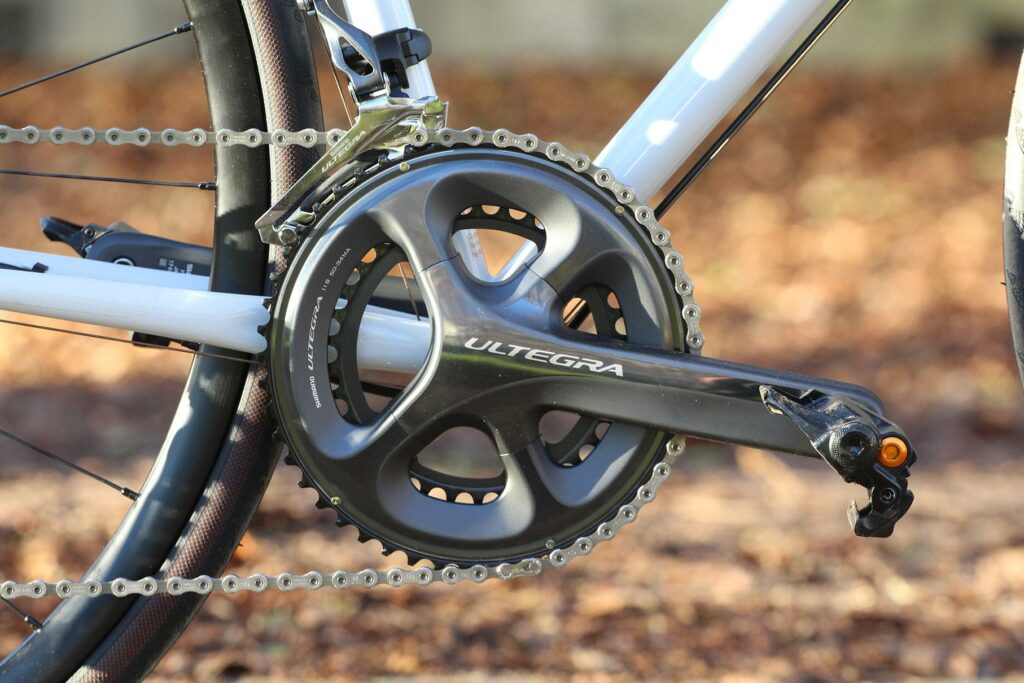
If you want to go down the self-build route then you can also buy the frameset for £899.
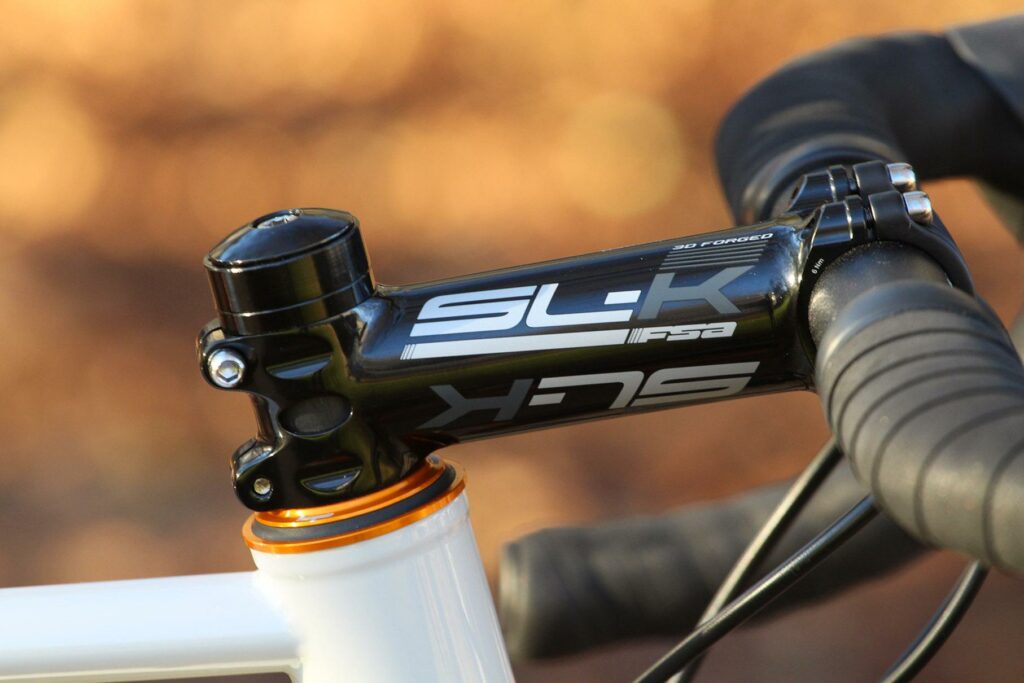
Our Ultegra option came with a Hope upgrade, which costs an extra 40 quid for the anodised colour coded headset and seatclamp, which I think adds a neat little bit of finishing style to the whole bike and is a worthy investment in my eyes.
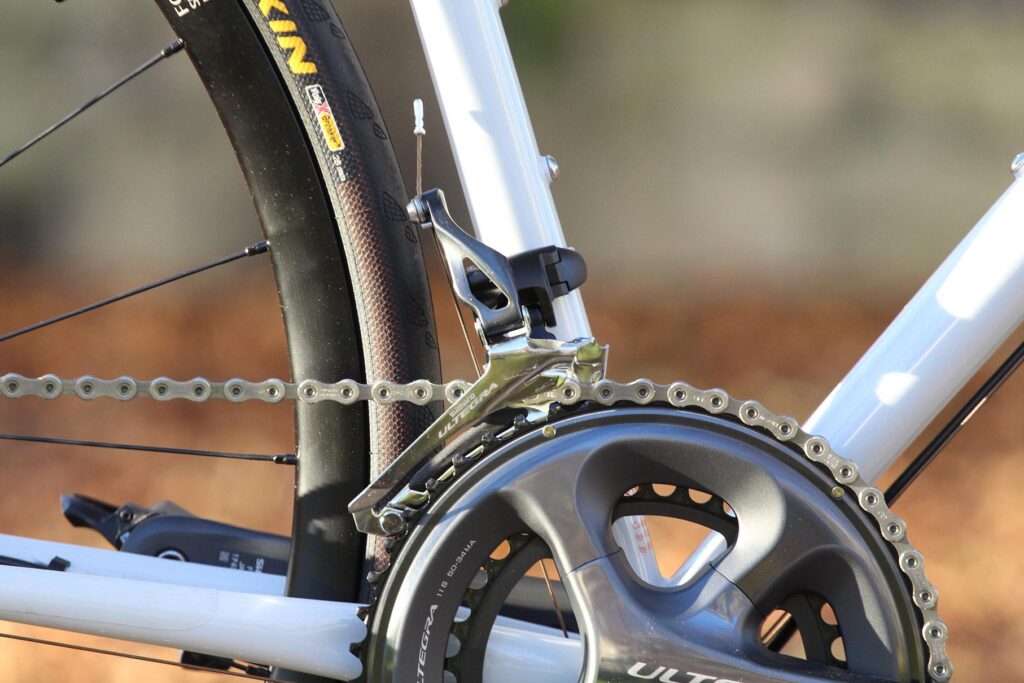
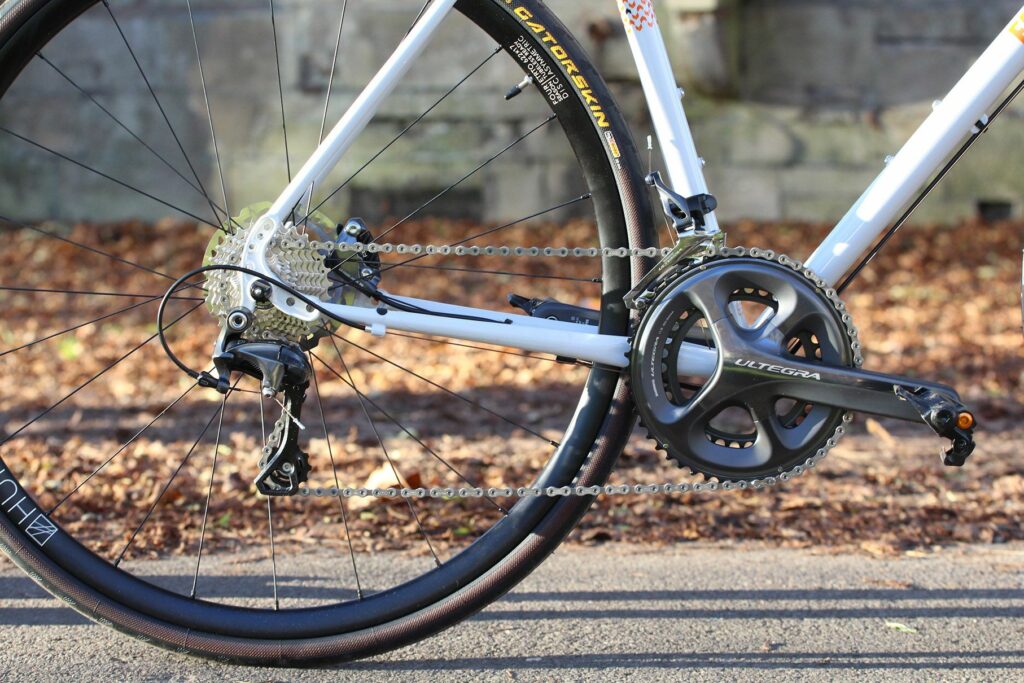
For gearing, the Strael follows the tried and tested route of a 50/34T chainset and 11-28 cassette, giving a large spread of gears for both climbing and the high speed descending this bike is capable of. It’s great to see a test bike turn up with a long cage rear mech, which means you could swap the cassette for one with a larger sprocket for loaded touring, for instance, or even if you just like to spin quicker up the hills.
As expected, the shifting is always crisp and quick through the Ultegra mechs, helped by the excellent hydraulic-specific RS685 shifters. They are comfortable to hold, plus each shift is very light without losing that defining click as the chain shifts from one sprocket to the next.
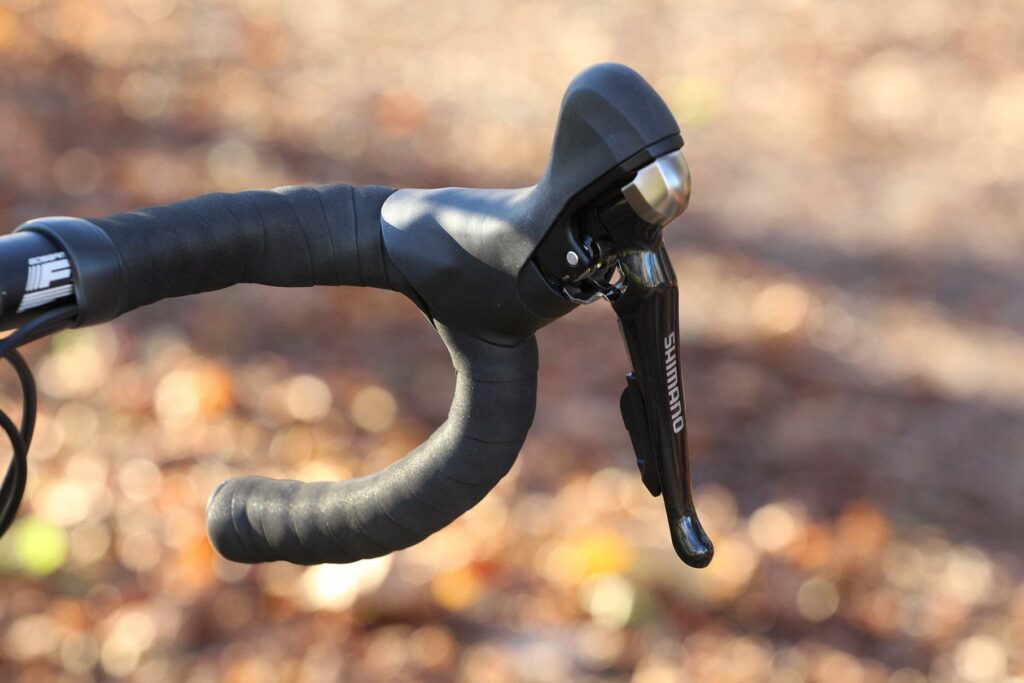
The braking is also top notch. I love the Shimano’s on/off grabby sort of braking while still maintaining loads of modulation should you lock up the rear or need to tweak your line through a fast corner. The setup works perfectly with the whole ethos of the Strael’s point and shoot kind of riding style.
Wheel-wise, the Hunt 4 Seasons are a great selection. I’ve owned a set in the past and they are some of the best-rolling wheels I’ve ridden. Using EZO bearings and Pillar Spoke Re-enforcement (PSR) triple butted spokes, it’s a massively durable wheelset at a sensible heft. A quoted weight of 1,585g is decent for a disc wheel designed to be ridden though all sorts of conditions. Details such as brass nipples and stainless hardware on the quick release make them pretty much winterproof.
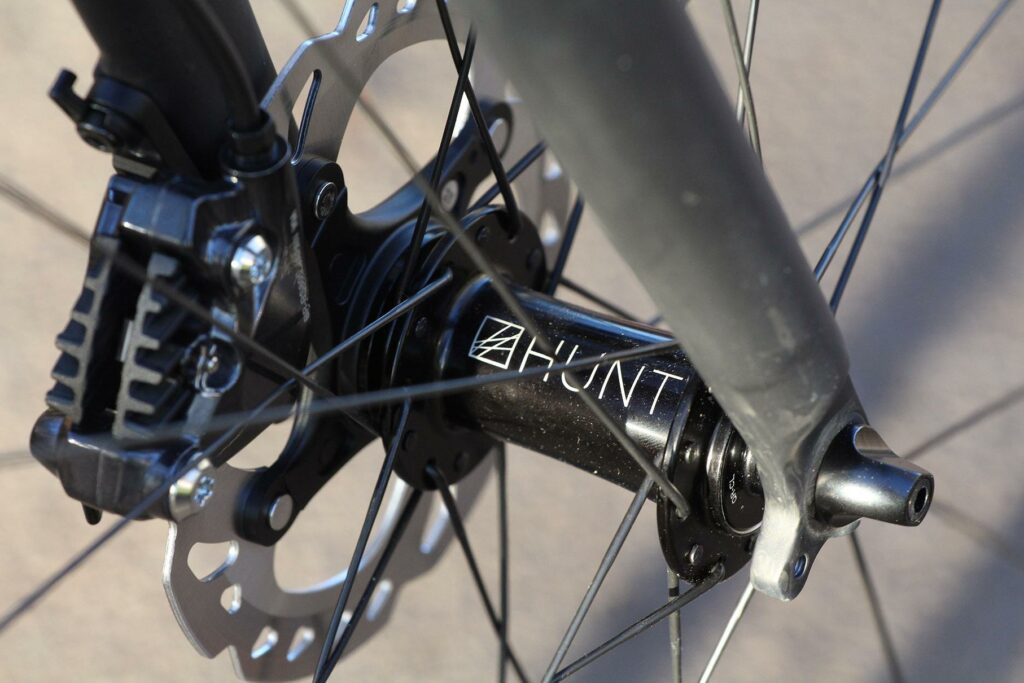
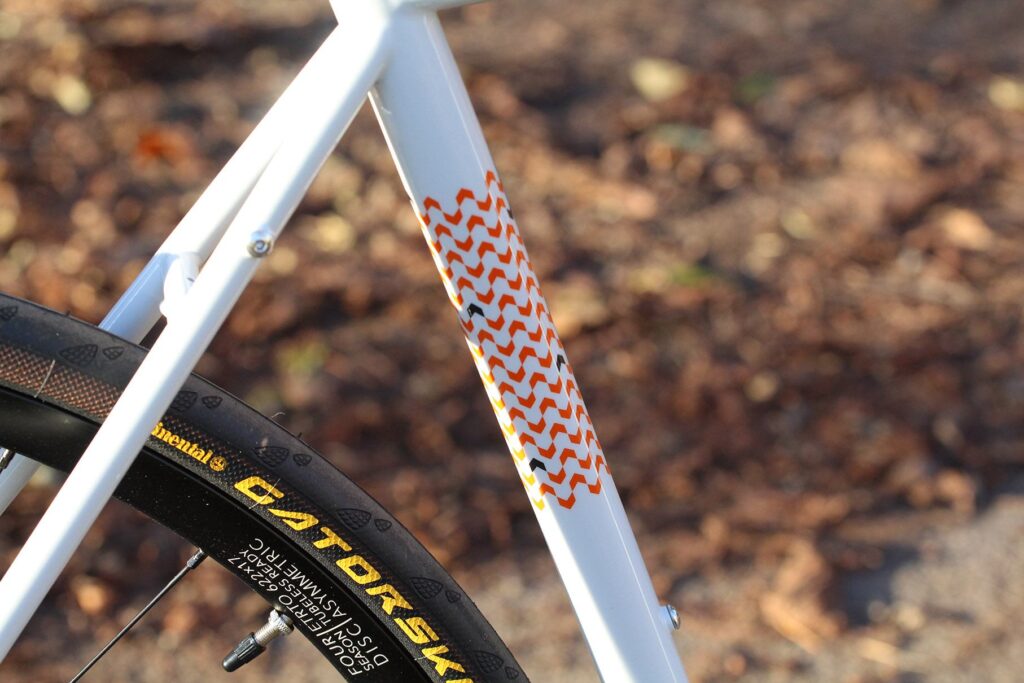
They are very comfortable, too, never feeling harsh – at odds with their stiffness, especially as I still ride my tyres, regardless of width, at high pressures – 110psi in this case for the 28mm Continental Gatorskins.
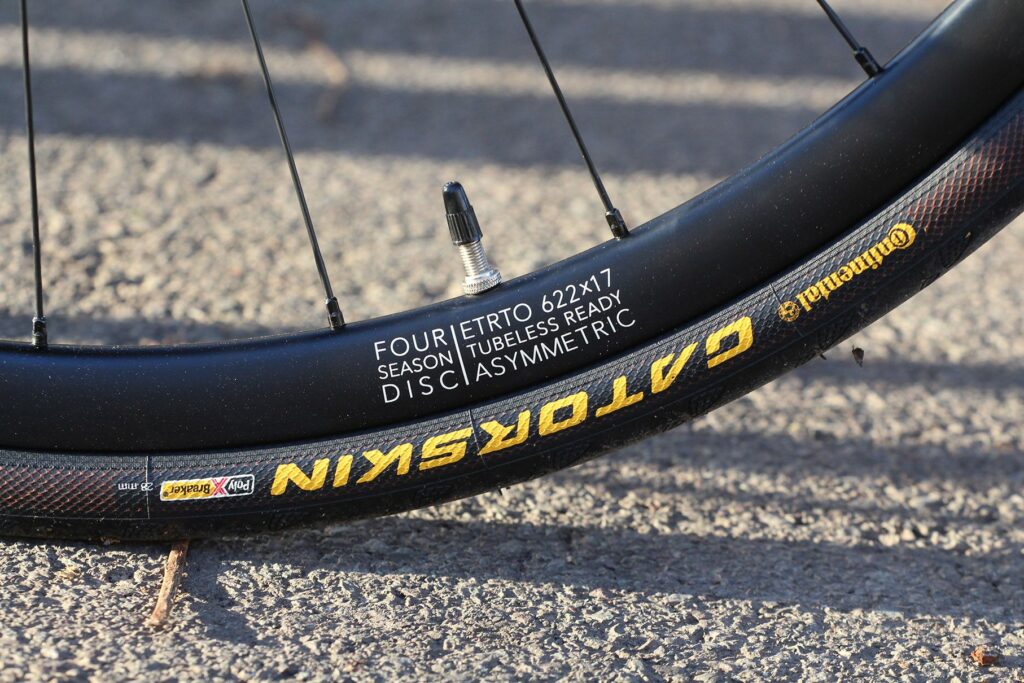
For winter use, these tyres are hard to knock, with great puncture protection and decent levels of grip on cold, wet tarmac, although if you really want to make the Strael zing, a swap to some Schwalbe Ones really makes a difference to outright speed and cornering grip.
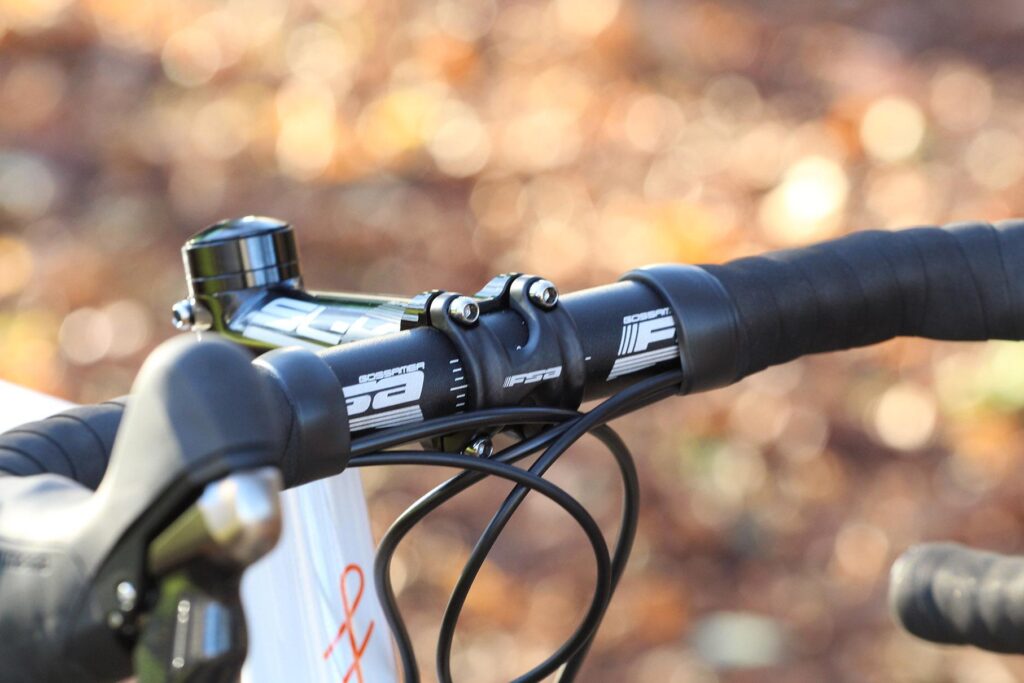
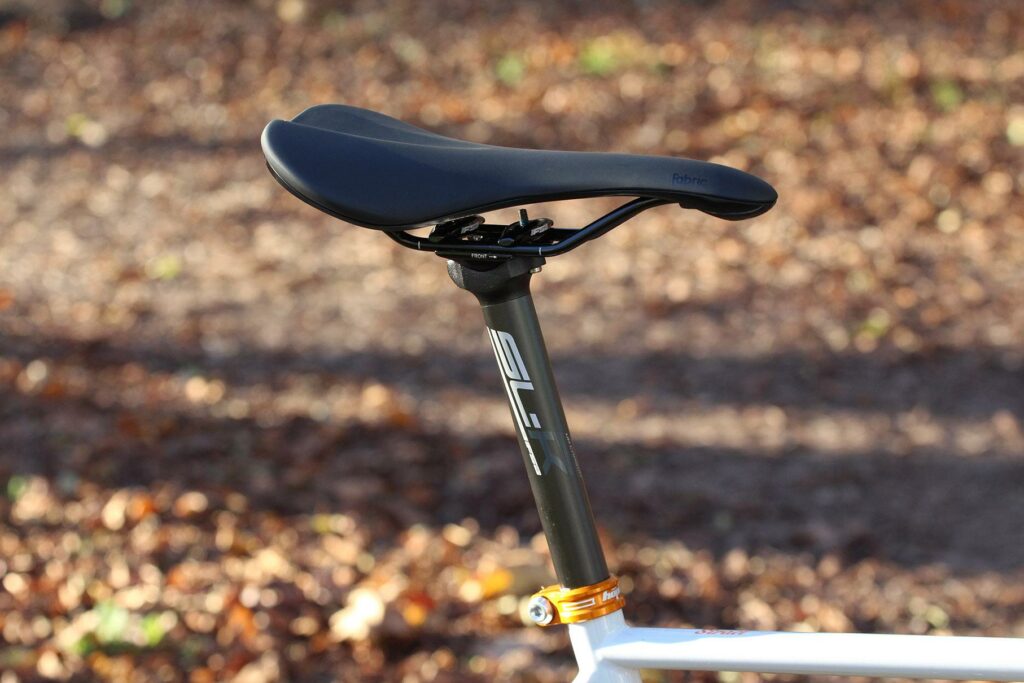
I’m a big fan of a the seapost, stem and handlebar all being from the same manufacturer as it gives a look of completeness to the finished bike. That’s what we’ve got here with the FSA kit. The SL-K carbon in-line seatpost looks good and offers plenty of easy adjustment, while the matching alloy stem provides loads of stiffness. The FSA Gossamer handlebar uses the now near-standard compact design where the tops to drops is much shallower than traditionally curved bars. This makes them much easier to use for almost everyone, especially those of us who aren’t blessed with the greatest of flexibility.
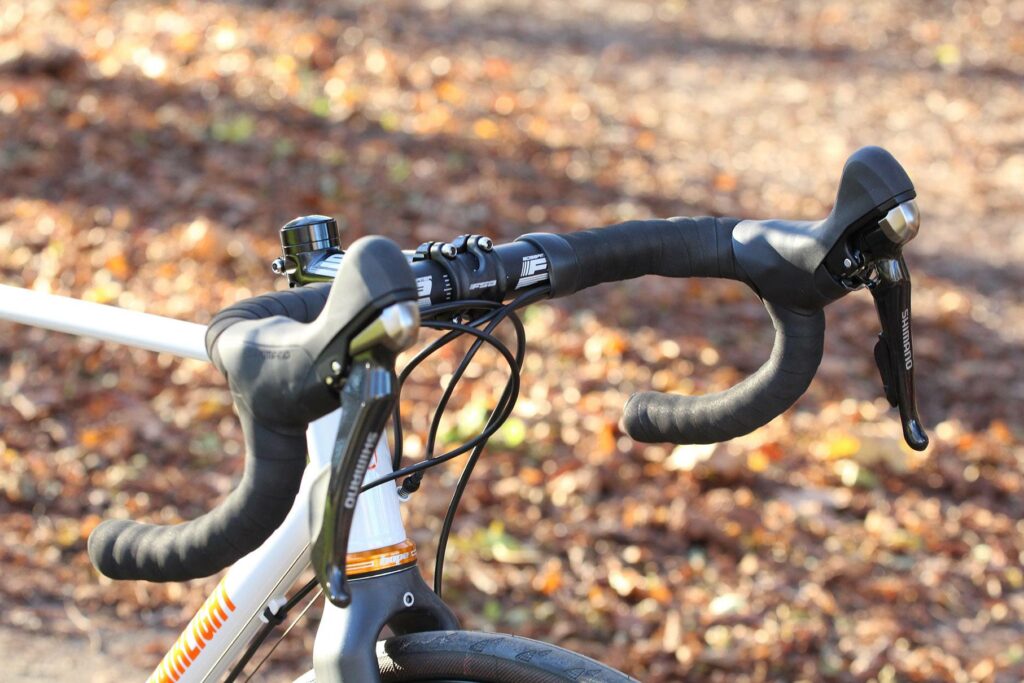
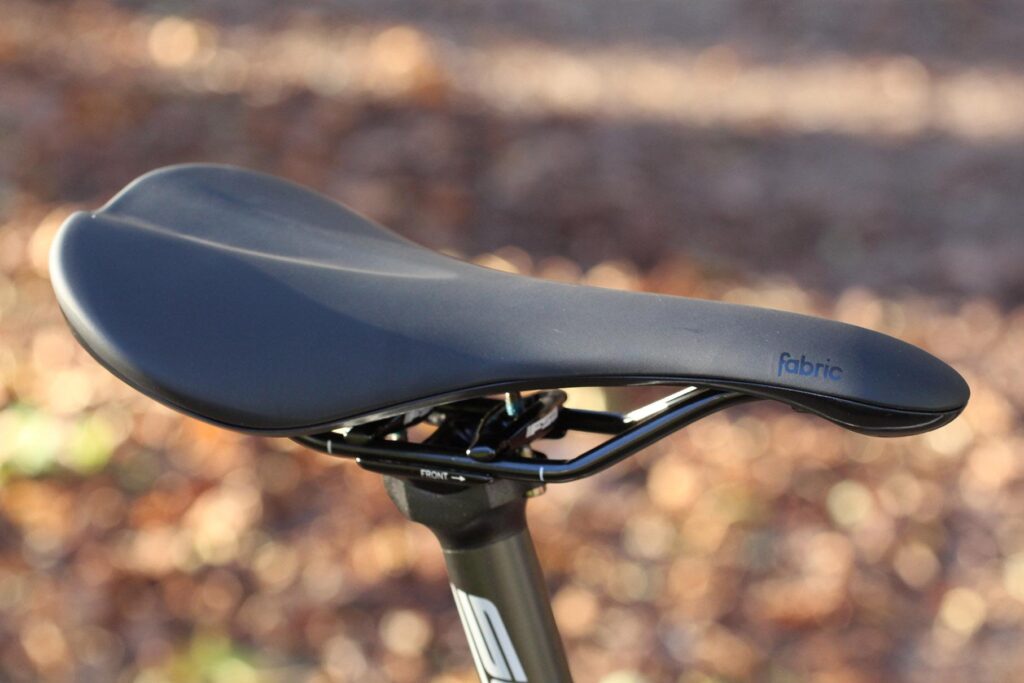
Atop the seatpost is a Fabric Scoop saddle, which seems to have a huge number of followers; it’s certainly a saddle that has served me over time, testing loads of bikes specced with one. Its narrow shape seems to work well but it is definitely more suited to harder efforts, when you aren’t putting quite so much weight on the seat. It’s quite firm.
Value and competition
Small brands like Fairlight Cycles are never going to be seen as such good value as the big brands on paper, purely because the manufacturing is on a much smaller scale, plus the buying power for components and finishing kit is tiny. In fact, if you are good with a spanner and a search engine you can probably build the Strael for a little bit less than the rrp.
> Buyer’s Guide: 15 of the best steel road bikes
When you look at the design and thoughts behind the Strael’s development, its obvious competition is the Mason Resolution. They follow similar themes with tubing choice and delivering a quality product, although the Mason does win on the aesthetics front, I think, with its internal cable routing and neat finishing touches, plus it’s lighter too, with the 105-equipped, Hunt wheels-shod version we tested coming in at around 300g less.
But a similarly specced Ultegra Resolution will set you back nearly £1,000 more, and even though the Mason has slightly snappier acceleration from a standing start and wins out on long-distance comfort by a touch, the Strael takes the edge in terms of all-out performance.
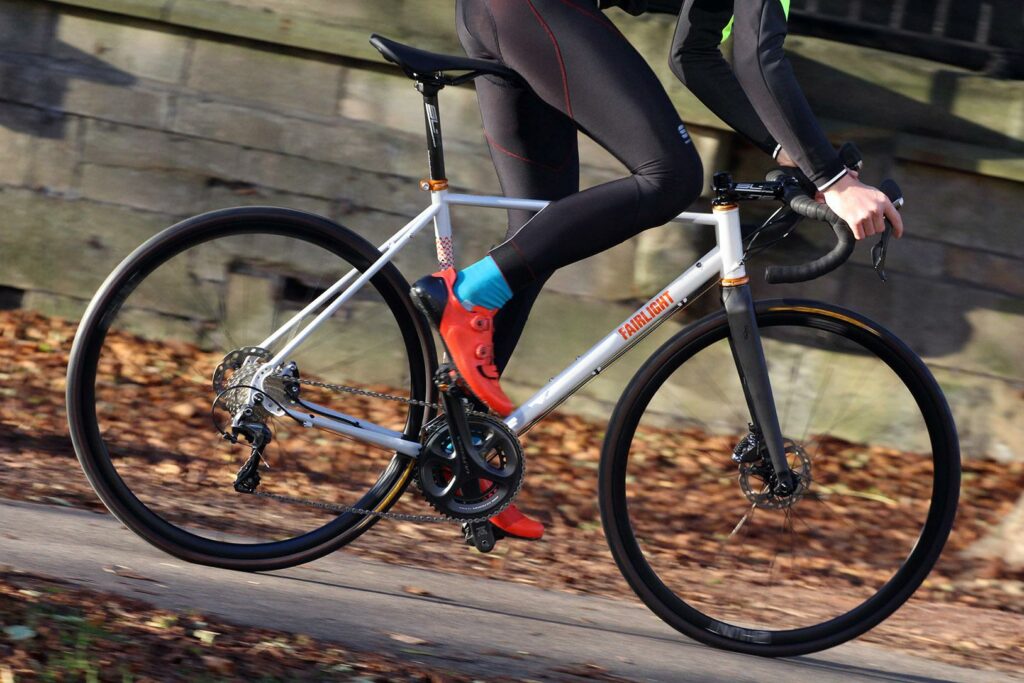
Taking everything into account, the Strael is pretty hard to knock, especially for the non-racer. If you want a bike you can train on, bimble about on, credit card tour on, or just get out there and wring the neck of for a full-on blast around the lanes while enjoying each and every mile, the Fairlight ticks all of the boxes.
Verdict
A truly stunning four-season machine with an infectious grin factor and amazing handling
All the deals displayed on our review pages are pulled from a constantly updating database feed of the best affiliate deals available. The criteria for deciding on what are the best deals is who is offering the lowest, delivered price. In most cases we will be showing the very best deal available online, but sometimes you may be able to find an item cheaper. If you can please feel free to post a link in the comments box below. To find out more about affiliate links on road.cc click here.
road.cc test report
Make and model: Fairlight Cycles Strael
Size tested: 54cm
About the bike
State the frame and fork material and method of construction. List the components used to build up the bike.
FRAME: FAIRLIGHT STRAEL 853 ALL SEASON ROAD
FORK: FAIRLIGHT ANRAED DISC CARBON TAPERED STEERER
HEADSET: FSA ORBIT ITA (HOPE UPGRADE AVAILABLE)
SEATCLAMP: ANODIZED BLACK SEATCLAMP WITH THREADED INSERT (HOPE UPGRADE AVAILABLE)
CHAINSET: SHIMANO ULTEGRA 6800 50:34
REAR DERAILLEUR: SHIMANO ULTEGRA 6800 GS
FRONT DERAILLEUR: SHIMANO ULTEGRA 6800 BAND-ON
SHIFTERS: SHIMANO ST-RS685 HYDRO SHIFTERS
CASSETTE: SHIMANO ULTEGRA 6800 11 SPEED 11-28T
BOTTOM BRACKET: SHIMANO ULTEGRA BOTTOM BRACKET CUPS 68MM
WHEELSET: HUNT 4 SEASON DISC 24/24.
TYRES: CONTINENTAL GATORSKIN 700 X 28C
TUBES: CONTINENTAL RACE 700 X 28-32C
BRAKES: SHIMANO RS805 HYDRO FLAT MOUNT CALLIPERS
ROTORS: SHIMANO SM-RT81 ICE-TECH CENTRE-LOCK 140MM F&R
HANDLEBAR: FSA GOSSAMER COMAPCT
SEAT POST: FSA SL-K CARBON 27.2MM
STEM: FSA SL-K ALLOY
HANDLEBAR TAPE: PRO PU SL BLACK TAPE
SADDLE: FABRIC SCOOP SHALLOW ELITE – BLACK/WHITE
Tell us what the bike is for, and who it’s aimed at. What do the manufacturers say about it? How does that compare to your own feelings about the bike?
Fairlight says: “The Strael is totally contemporary in its design, its overall aesthetic is the outcome of every tube and detail being individually considered, from custom formed and shaped Reynolds 853 main tubes, to a full carbon fork we designed and manufactured. Every Strael frame is handmade in Europe to ensure the quality of craftsmanship equals that of the design.
This bike is fast yet comfortable, engineered to be stiff enough to give immediate and noticeable power transfer, yet compliant enough to feel nimble and engaging when riding at speed. Add to this the ability to fit full-length mudguards, a rear rack and large volume road tyres (up to 33c) and this becomes a true ‘year round’ British road bike.
Whether it be hot summer days in the mountains, pilgrimages to Flanders in the spring or crisp winter miles down meandering frosty lanes, we have created a bike that will accompany you throughout the transformation of the year.”
The Strael is a brilliant bike for just getting out there and riding without thinking about things too much, as unless you are racing you aren’t going to find yourself on the wrong bike for the conditions.
Frame and fork
Tell us about the build quality and finish of the frame and fork?
Overall the frame looks and feels amazing, with tidy welds and a thick, hardwearing paintjob.
Tell us about the materials used in the frame and fork?
The Strael is manufactured from a mix of Reynolds 853 (front triangle) and a 725 and 631 (rear triangle) steel tubing, with each tube being chosen or custom drawn for Fairlight to do a specific job depending on its position in the frame.
Up front Fairlight has created its own carbon fibre fork with a carbon tapered steerer.
Tell us about the geometry of the frame and fork?
Fairlight offers two options in each size with differing geometries, what it calls Proportional Geometry reflecting different body proportions. Full details are in the review, plus the actual charts are here – http://fairlightcycles.com/strael/strael-ultegra/?v=79cba1185463
How was the bike in terms of height and reach? How did it compare to other bikes of the same stated size?
Quite long and low for a bike of this type, with a top tube of 550mm against a 130mm head tube. Stack comes in at 551mm with the reach at 386mm, giving a ratio of 1.42, racy.
Riding the bike
Was the bike comfortable to ride? Tell us how you felt about the ride quality.
Sublimely. The ride quality was just brilliant having a near perfect balance between stiffness and comfort. There have been some intelligent choices regarding tube selections.
Did the bike feel stiff in the right places? Did any part of the bike feel too stiff or too flexible?
Yes, I was fully happy with the stiffness levels when taking into consideration the style of riding the Strael is designed for.
How did the bike transfer power? Did it feel efficient?
The Strael puts the power down well especially when under hard acceleration, with the only criticism being that it can feel a little laggy from a full power standing start.
Was there any toe-clip overlap with the front wheel? If so, was it a problem?
No.
How would you describe the steering? Was it lively, neutral or unresponsive? Neutral edging towards lively.
Tell us some more about the handling. How did the bike feel overall? Did it do particular things well or badly?
The handling is one of the big highlights of the Strael. Everything is so balanced and perfectly weighted that you can just fling it through the bends with minimal adjustments made via your own bodyweight.
Which components had the most effect (good or bad) on the bike’s comfort? would you recommend any changes?
The Fabric saddle worked well for long and short rides.
Which components had the most effect (good or bad) on the bike’s stiffness? would you recommend any changes?
The bar and stem combination was stiff enough to handle out-of-the-saddle accelerations without being harsh at cruising speed.
Which components had the most effect (good or bad) on the bike’s efficiency? would you recommend any changes?
The Hunt wheels are quick and very stiff, and in the summer months a change of tyres to something like Schwalbe’s One would make the Strael absolutely fly.
The drivetrain
Tell us some more about the drivetrain. Anything you particularly did or didn’t like? Any components which didn’t work well together?
Shimano’s Ultegra 6800 is a beautiful groupset to use with a crisp gear change and plenty of stiffness in the crankset. Add the excellent shifting of the RS685 levers and powerful braking of Shimano’s hydraulic discs and you are on to a winner. Those shifters and callipers do push the price up quite a bit though.
Wheels and tyres
Tell us some more about the wheels.Did they work well in the conditions you encountered? Would you change the wheels? If so, what for?
I’ve used Hunt wheels on quite a few test bikes now, plus I owned a set for the best part of 18 months, and they are impressive in terms of performance, weight and durability.
Tell us some more about the tyres. Did they work well in the conditions you encountered? Would you change the tyres? If so, what for?
Continental Gatorskin tyres are robust and ideal for the winter months thanks to their puncture protection, but they are far from the quickest out on the road. The Strael is really calling out for something lighter in the summer months.
Controls
Tell us some more about the controls. Any particularly good or bad components? How would the controls work for larger or smaller riders?
The FSA components are a nice selection and work really well with the bike. The Gossamer bar is compact too, making it ideal for the majority of people thanks to its shallow drops – you can use the drops easily even if you aren’t the most flexible.
Your summary
Did you enjoy riding the bike? Yes
Would you consider buying the bike? Yes
Would you recommend the bike to a friend? Yes
Use this box to explain your score
I absolutely loved riding the Strael. The position, the handling, everything just felt spot on when I was riding it, and I never tired of being in the saddle. It’s a beautiful looking machine, and looking around at the opposition it is very well priced too.
About the tester
Age: 38 Height: 180cm Weight: 76kg
I usually ride: This month’s test bike My best bike is: Kinesis Aithien
I’ve been riding for: 10-20 years I ride: Every day I would class myself as: Expert
I regularly do the following types of riding: time trialling, commuting, club rides, sportives, fixed/singlespeed

53 thoughts on “Fairlight Cycles Strael”
Looks brilliant. Seriously
Looks brilliant. Seriously considering building up a Faran frame for commuting….
Everything looks great apart
Everything looks great apart from the rear dropouts. Is there an engineering reason for them being so ugly?
srchar wrote:
agreed, they look like they fell out of the ugly tree from a great height
srchar wrote:
Hi srchar, glad you like the look of it but im sorry that you dont like the dropouts. Function is our absolute priority every time and these are a result of that mentallity. The castings are very stiff versus a plate. I personally also prefer the aesthetic to the more common plate style.
DomThomas wrote:
But why not just bring the tubes together at the dropout, like these:
Surely that’s much stronger and neater?
matthewn5 wrote:
Hi mattewn5 – Thanks for your comment. Firstly the frame you have attached is aluminium so the tubiung is bigger in size versus steel so intergration is a little bit easier, also the process can be done before the entire frame is heat treated thus adding strength to the join. Steel frames are not heat treated in this way. A similar method can be done with steel but it also requires the milling/machining of large holes in the chainstay (which are usually much narrower than aluminum ones) for the flat mounts to be welded in. The maching process has to very accurate as the position of the flat mounts is very precise. This process adds time and cost. The other issue is significant heat input into the chaisntay during welding and thus potentially weakening the chainstay (assuming it isnt an air hardening steel .e.g. 853) and will require further alignment procedures. With the investment casting we know the flatmount is in the correct position and it only requires a single weld process on each side. There is a continual development of products here at Fairlgiht so we are always looking into new ideas to reduce weight, make things strionger and importantly make producution easier. Thanks. Dom
I’m so glad this review has
I’m so glad this review has been posted, I only found out about Fairlight very recently (I know they’re not very old anyway) they’ve very quickly jumped right to the top of the shortlist for a new bike this year, I really love the Mason Resolution, but the pricetag is a little harder to justify (moreso to the wife than myself), this looks awesome and probably suits the sort of riding I’d use if for near perfectly.
I wonder if it can be ordered in the Slate and orange colour combo of the Faran as a special order, that would be my perfect choice, along with the orange Hope parts too.
RobD wrote:
RobD Thankyou for the kind words. The Strael is avaialble in putty or black plus we have a few warm red frames left also. The Hope upgrade can be done in any of Hopes six colours. Dom.
Same as RobD, I was coveting
Same as RobD, I was coveting a Mason but could not justify the cost. This seems to tick all the boxes. Shame they are 200 miles away for a test ride.
Lamb Henry wrote:
yingyang20 wrote:
Lamb Henry – Thankyou! Im glad you enjoyed your test ride at Swift! Thanks for sharing your feedback with others.
A solid review, Stu, nice
A solid review, Stu, nice work.
Gorgeous.
Gorgeous.
Unfortunately bought my current bike just before these came out but a Faran is at the top of my list now. And having read this review I’m wondering if I’d prefer the racier geo of this. The proportional sizing sounds ideal as I’m relatively short-legged.
The frame only option looks
The frame only option looks reasonable value for a mainly 853 frame if you’re in the market for a luxury winter bike. I would like to see some test results that back up some of the claims made for tube shapes by manufacturers. I’d be surprised if there’s much side to side force at the tail end of a top tube for instance. There seems to be some contradiction in specifying round chainstays for stiffness and then ovalising the ends of the downtube for stiffness. This isn’t a pop at Fairlight just a general observation.
daccordimark wrote:
— daccordimark@daccordimark Fair comments. Every design detail was considered at length and you can read about all the design choices in my Strael design notes blog on the Fairlight site. The rear end is specifically not made from 853, with the 631 and 725 being chosen for their specific qualities relevant to the forces acting upon the respectice parts of the frames. The oval downtube versus round chainstays is certaintly not a contradiction as it depends entirely on which plane the oval is in. A round stay is both stiffer and more comfortable than a standard vertical oval chainstay. A flat horizontal oval chainstay at the BB would be ideal but tyre clearance would be the big problem. Again please do read the design notes as it helps to explain all my thoughts during the design process. They are here: http://fairlightcycles.com/strael-concept-design-notes/
DomThomas wrote:
Thanks Dom, I did read through the design notes on both Faran and Strael after commenting, which I admit was maybe the wrong way round!
I completely agree with your take on chainstays, I’ve always thought deep ones were stiff in the wrong plane.
I’m so delighted that the
I’m so delighted that the review is positive. Dom deserves it, as I’m sure the bike is awesome. It is definitely something I ponder about…
Now, to more realistic terms…my Genesis Equilibrium 725 disc with alu (1 1/8) steerer and slightly more relaxed geometry (which I “fixed” with -17 degree stem) which costs roughly 500 GBP frameset vs. 900GBP for Fairlight vs. 1450GBP Mason.
I love the 725 tubing and the frame is great…maybe 200-300g heavier, but difference in price…
Ogi wrote:
Ogi many thanks for the kind comment, much appreciated. We think considering that we offer 3 colours, 9 sizes, a full carbon fork and a full European made Reynolds frame (with many custom ‘just for us’ tubes) it is excellent value. A custom frame using the same tubing would be at least £1600. But im glad you like your Equilibrium disc and as long as you enjoy riding and it encourages you to get out and pedal, then that is all that matters.
That’s mostly a great looking
That’s mostly a great looking bike and sounds like it’s a well balanced frame design that rewards the rider. From an aesthetic point of view I have to agree with some of the comments on the dropout, but others might think it is thing of great beauty. However the bit that really caught my eye (not in a good way) was the headtube. Looks too fat for the rest of the bike. I realise tapered is the way almost everyone seems to be going for the steerer and that’s why the headtube needs to be a fatty or tapered, but not sure it is really needed here, with the proposed usage of the bike. Is there some other benefit to going tapered that’s important here? Not often you get the chance to ask a frame designer such questions.
Anyway, nice job Dom. Apologies for being picky.
Ad Hynkel wrote:
— Ad HynkelAd Hynkel – Thanks for the kind words and no worries about being picky, it is a lot of money to spend so i dont blame you. The headtube aesthetic is similar to the dropout one, in terms of some dig it and some don’t. There has been a trend over the last few years for larger headtubes (and thus tapered steerers) both on disc and non disc road bikes. On a race bike with standard calliper brakes (e.g. genesis volare) then the tapered steerer fork makes sense as theoretically you can corner harder, especilly for crit racing. However on an ‘all day/audax’ bike with standard calliper brakes i would spec a normal 1.1/8 steerer tube and a narrower headtube as the tapered steerer isnt necessary. BUT on a disc bike the tapered steerer does make a difference. The increased braking power means the forces acting upon the fork (and thus also bottom of the headtube & headset) are greater than with a standard calliper brake. The larger steerer tube diamter (1.5″) at the bottom helps resist these forces. The ride quality and abiity to dive into corners (as highighted in the review) certainly reflects this. In many ways i agree with you that a standard sized headtube can look nice but as with all design features on the Strael they have been fully considered and selected with function as the driving force. The overall aesthetic is simply the sum of the design choices.
I really like this bike and
I really like this bike and am seriously considering one. On the picture it looks like the gear cables are a long way away from the downtube, are they in reality?
steady lad wrote:
steady lad – Glad to hear you are considering a purchase, thankyou! The picture does indeed seem to show the cables postioned very far outwards from the frame. This is not the case and i have used the exact same positioning of the cable adjusters on many previous frame designs. You wont have any problems. Having the cable adjsuters postioned on the headtube reduces cable rubbing.
It might be me, but I can’t
It might be me, but I can’t see a weight for the frame and fork anywhere??
I do like the sound of the Tall sizing. I fall firmly in the short torso, long arms/legs camp (monkey arms, as the wife says) and do struggle with frame fit. At a smidge over 6ft I end up with BIG frames (59cm/60cm) to get the fit right.
othello wrote:
You need to look at the website.
Frame: (54R) 1946g, fork: 365g
othello wrote:
Othello – It sounds like the Tall sizing will be perfect for you. Please use our fit guide which is located on all the product pages, it will help to give you an idea on sizing. Simply input your height and inseam and it will generate the info. Or feel free to email us if you would like more advice. Dom.
Shame there is no 61T size.
Shame there is no 61T size.
@Dom,
@Dom,
I fully understand. That’s why I benchmarked you against Mason or Enigma Elite HSS Disc (now that it comes to mind). I think you guys definitely offer a great deal. I am aware of it.
I was more saying how lovable my “cheap” Genesis is…the only thing I would change is more aggressive geometry (Volare) and wider headtube (to take tapered fork) – which brings me back into you :).
O
Interested to see the
Interested to see the mudguard mounts right at the bottom of the fork (in the “traditional” place). Do flat mount calipers make it easier to fit mudguards to disc-braked bikes?
kil0ran wrote:
kil0ran – Yes well spotted. I decided to have the eyelets in the traditional place as it means guards can be easily fitted without bending or manipulating the guard stays. Many bikes now seem to use so-called ‘ hidden eyelets’ which are usually just bosses on the inside of the fork legs, but usually you have to bend the stays to get them to fit. The eyelets on the dropout is the most functional solution in my opinion. Dom.
From the review above :
From the review above :
“The Fairlight’s ability to take full mudguards, racks and even a dynamo light thanks to the design of the fork means it will make a great tourer, providing plenty of comfort and performance when asked for.” (<my highlight above>)
“Racks”? does this mean front and rear? If so, not sure how the front would attach…..
Or is it rear only?
Nice bike mind, and top write up, looks like just the ticket.
climber wrote:
Climber – No the rack eyelets are rear only. The fork is very light (365g) so certainly wouldnt support a high load. However you can fit guards and a dynamo to the fork. Thanks for the postiive words. Dom
Steel is still real and so
Steel is still real and so are small people . Any plans for smaller sizes like a 49 with a 520 top tube .
That review is just what you need to grow your company.
congratulations
pacef8 wrote:
pacef8 – Thankyou, yes things have gone well so far and reviews like this will certainly help to keep momentum. Regarding samller frame sizes, yes we may offer something in the future but not in the short term. With 9 sizes (10 for Faran) and 2 colours of each model we already have a lot of stock flow to manage and unfortunately a 49 is not currently viable. Appologies. Dom.
Stunning looking bike.
Stunning looking bike. Personally I love the dropouts and head tube. I’m not _quite_ so enamoured with the profile of the tall models, but given this review I may need to give it a chance to grow on me since that’s what fits me!
I don’t get the middling value comments – this seems a steal to me. On the other hand it competes (for me) with a Reilly T325 disc frame and fork for not sooo much more…
Very, very tempting.
Very, very tempting.
Road.cc crew – any plans of reviewing the Faran?
Dom – has any of your guys tried to shoehorn a 32 mm tire into the Strael with mudguards? I know you guarantee only up to 30 mm but was curious to see if you’ve tried.
TypeVertigo wrote:
TypeVertigo – Glad you are tempted. We’ve not tried fitting mudguards combined with 32s but i think it would be a squeeze. My concern would be having enough clearance for debris etc so ill stick with saying 30s is the limit but depending on the rim/tyre combo you never know. With a tight 418mm chainstay combined with the large round 22.2mm chainstays we think clearing a 32 without guards or 30 with guards, is already a great feature. If fitting even larger tyres are a concern then you many be moving into gravel/cross category e..g. the Faran. Thanks, Dom.
TypeVertigo wrote:
Seconded!
I’ve had one for a month now
I’ve had one for a month now and its just like Stu says – looks great, rides great – smile on face. Highly recommended
Patrickm wrote:
Patrickm – Im so glad you are enjoying it! Glad to know there is a Strael been ridden and enjoyed on the other side of the world. Ta, Dom.
Patrickm wrote:
Hi Patrick, is yours the 56T Di2 I’ve seen on Instagram, atop Mt Coot-tha? Mind if I ask your height and inseam?
RW wrote:
I’ve had one for a month now and its just like Stu says – looks great, rides great – smile on face. Highly recommended
— RW Hi Patrick, is yours the 56T Di2 I’ve seen on Instagram, atop Mt Coot-tha? Mind if I ask your height and inseam?— Patrickm
Hi – its 182 and 84cm , saddle height 792. Given i bought it online, i had a fit done and sent Dom the data. A 56R was recommended but i decided to go for the T as the Retul fitter wanted a fairly racey fit and i prefered something a bit more relaxed, there wasnt much in it.
Patrickm wrote:
Thanks for the info. I’m 3cm shorter than you but with similar inseam. I’m leaning towards the 54T, which will give similar stack to my Ridley but with the shorter reach I’m chasing.
RW wrote:
I’ve had one for a month now and its just like Stu says – looks great, rides great – smile on face. Highly recommended
— RW Hi Patrick, is yours the 56T Di2 I’ve seen on Instagram, atop Mt Coot-tha? Mind if I ask your height and inseam?— Patrickm
Hi – its 182 and 84cm , saddle height 792. Given i bought it online, i had a fit done and sent Dom the data. A 56R was recommended but i decided to go for the T as the Retul fitter wanted a fairly racey fit and i prefered something a bit more relaxed, there wasnt much in it.
— RW Thanks for the info. I’m 3cm shorter than you but with similar inseam. I’m leaning towards the 54T, which will give similar stack to my Ridley but with the shorter reach I’m chasing.— PatrickmHi RW. Send me an email and we can get your sizing and fit sorted. We can look at your current Ridley set up and take into account the shorter reach you require. Ill ask you to make some measurements on your exisitng bike and ill send you a ‘Fairlight Fir Report’. Use the mail@fairlightcycles.com email address on the website.
Dom – thanks for considered
Dom – thanks for considered response. That makes sense. Hope you get further good reviews and sales. Nice website BTW.
A vote from me for the Faran
A vote from me for the Faran review, as long as it is fitted with drops of course. And make sure it includes a loaded-with-shopping test too (ok, I know it’s not a cargo bike).
DomThomas – I’d be after a
DomThomas – I’d be after a 61T too!! At 6’5″ I’m always struggling to get a bike big enough. Great review though and great looking bikes. Nice one.
I am seriously considering
I am seriously considering pulling the trigger on a Strael frameset. Cars paid off and I could borrow the money for shifters, brakes and frameset for £68 a month for two years and strip everything off my Giant to complete it…
My resolve is weakening rapidly…
I tested one last week and
I tested one last week and really liked it. Stiffer than my Ti frame but just as compliant. I was about to open my wallet when I was told that the red one was a pre-production model 🙁
Had I not seen the red one on the website, I’d have probably been happy with a white one with orange acoutrements, but if I bought it now I’d just wish it was red every time I swung a leg over it.
Nice bike, but there’s no way
Nice bike, but there’s no way I could stomach those drop-outs. The example posted above was indeed Al, but Genesis, for example, and of course many others do this very nicely with 853. Each to their own and all that, but to me, that lot of angle iron and holes totally destroys the otherwise great shaping of tubes in the main frame; a smooth tidy back end would make this a lust.
http://www.londonbicycleworkshop.com/3531/products/genesis-equilibrium-853-frameset.aspx
Ahem, trigger pulled …
Ahem, trigger pulled … I want a white one – I assume that’s ‘putty’ Dom?
Late to the party, but what
Late to the party, but what size stem were you running on this test? looks like maybe a 120? My old 531 Claud Butler got SMIDSYed (bent lugs and steerer tube) so I’m about to pull the trigger on a 56R.
Fairlight does a semi-custom
Fairlight does a semi-custom fit. Send them your preferred geometry and they will recommend a set up for you.
I bought a Strael 2.0. Sent a previous bike fit and was happy with the result.
I love this bike!
I love this bike!
but also thinking of getting the 2021 version of the Giant Defy…
Both have amzing design feature to aid comfort on long rides…
but which to go for?
Comments are closed.