



Once upon a time, all bicycles were made from steel, from shopping bikes to Tour de France-conquering race bikes. Rapid technological developments over the past few decades have seen lighter materials like aluminium, titanium and, most recently, carbon fibre push steel out of the spotlight.
Is steel dead, though? Far from it. If anything, it is enjoying a resurgence of interest. Although racing cyclists no longer favour steel, it continues to be the desired frame material for anyone wanting a bike for comfort, distance and durability. That’s why touring and audax bikes tend to be steel, not carbon fibre.
Despite impressive material advances over the years, steel has refused to disappear into the history books. Material and tube developments from the two main steel tubing suppliers, Columbus and Reynolds, and interest from cyclists looking for something a little different, have fuelled a growth in the number of frame builders, meaning there’s now a lot more choice if you want a steel frame for your next bike.
Going bespoke
There has been a surge of new frame builders joining more established names over the past few years, all catering to the increasing number of cyclists wanting to go down the custom frame route. And custom frame building is far easier with steel than carbon and aluminium.
– Great custom handbuilt frames — from makers who can craft your dream frame
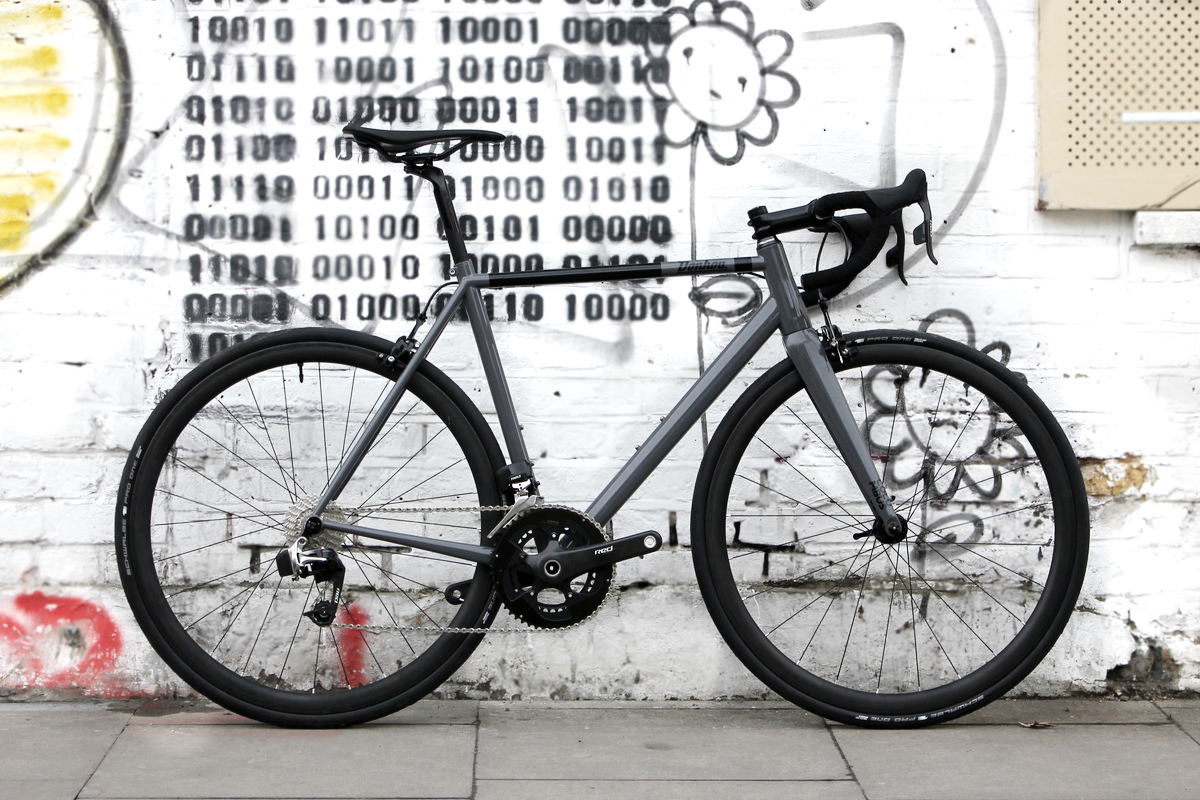
Jim Walker, the founder of titanium and steel specialist Enigma, puts this renewed popularity down to steel being easy to work with and allowing creative freedoms to be indulged. Though he also suggests it’s the attraction of the fabled ride quality of a high-quality steel frame that is drawing in new customers.
“It’s always been a great material for frame builders as it’s relatively easy to work with,” he says, “plus it’s great for customisation. Steel allows a craftsman to be creative and to create something beautiful.”
There’s also the reputation steel has for a springy and indulgent ride character, something Walker feels is also a factor in why more people are choosing it over other materials. “It’s hard to say why steel has seen such a renaissance in recent years, but maybe it’s just that it offers a riding experience that differs from everything else.
“Steel somehow feels more alive than other materials and makes for a wonderful ‘zingy’ ride quality,” says Walker. “It’s hard to articulate the ride quality of a well designed and built steel bicycle.”
“It’s the aesthetics and ride quality that makes many choose steel,” agrees Tom Donhou of Donhou Bicycles, one of the new generation of frame builders.
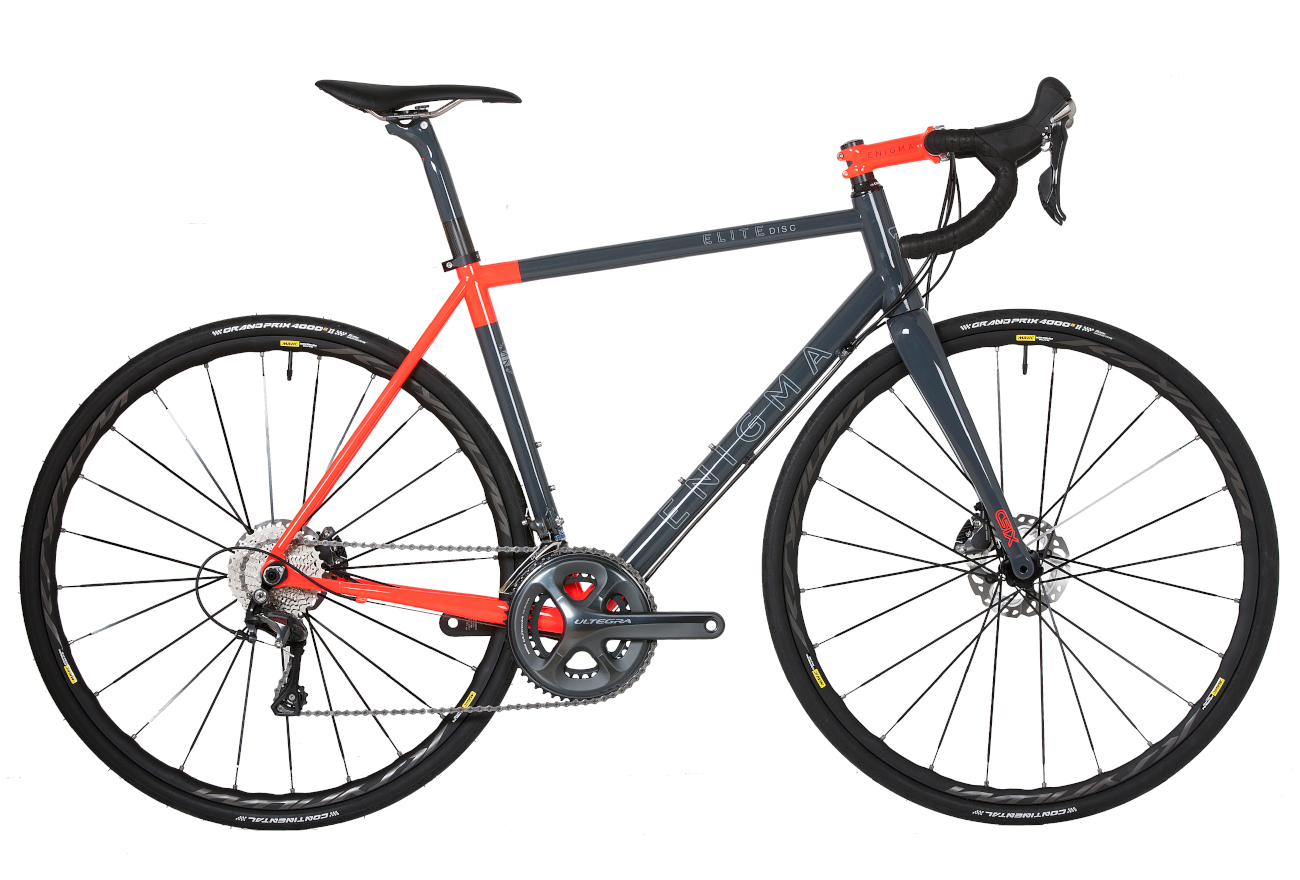
While a key attraction of steel for these newer frame builders is that it’s easy, and relatively affordable, to work with, for the customer it means a fully bespoke custom frame, from geometry to paint finish, right down to every little last detail. That is rarely possible from mainstream manufacturers working in other materials.
It’s also the relationship with the person building their frame that makes going down the custom route appealing for many, and that’s more likely to be steel than any other material. The frame is likely to be made in the UK, and probably not far from where the customer lives. It used to be the case that racing cyclists would go to their local frame builder, when most towns could boast a frame builder, to be fully measured up for a steel racing bike.
Steel bikes back in the professional peloton
Up until the 1980s, most of the professional peloton raced on steel bicycles, before new materials promising lighter weight and increased stiffness made them obsolete. But even in racing steel has enjoyed a resurgence. For a couple of years the Madison-Genesis team put steel bicycles back in the professional peloton with the highly regarded Volare race bike.
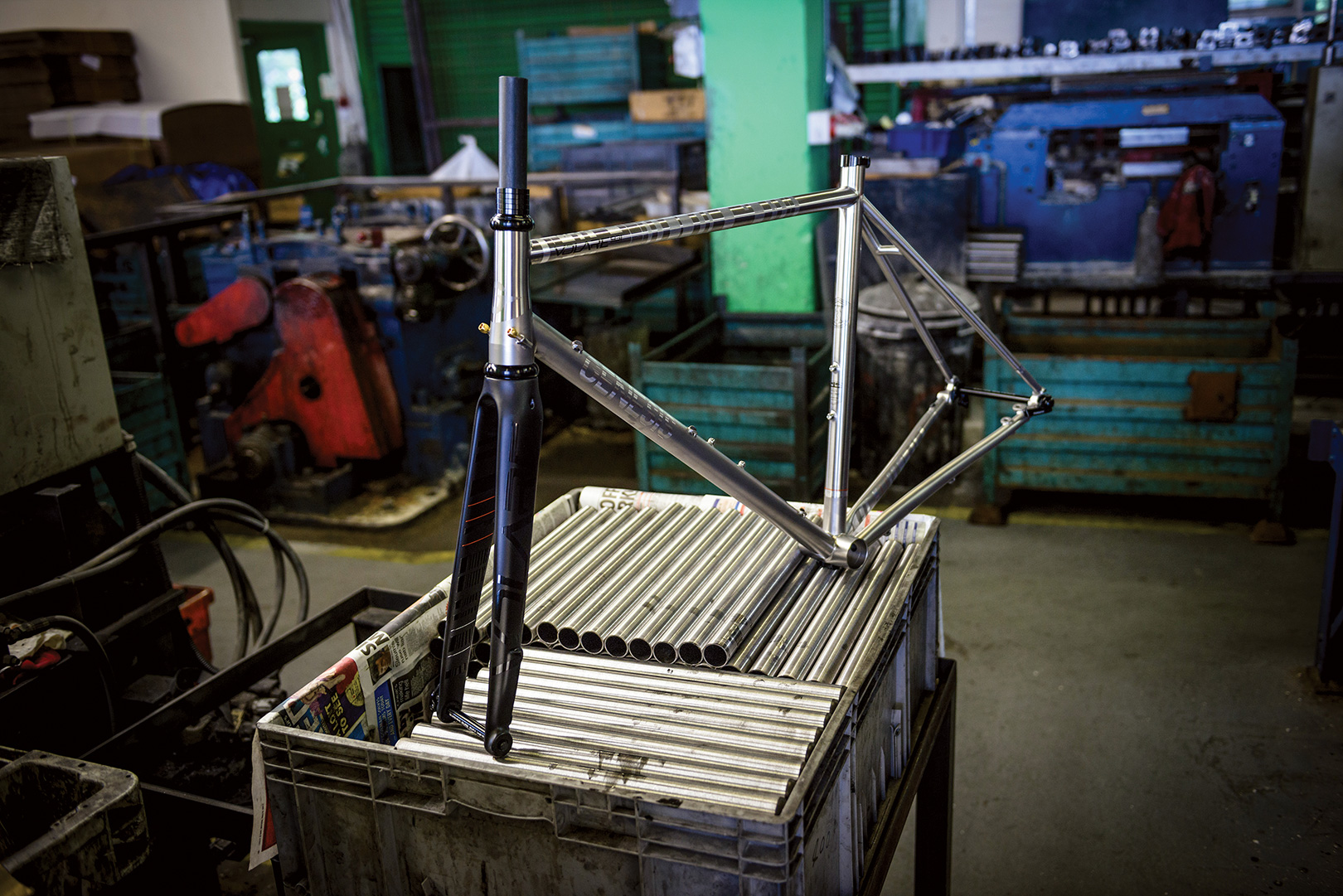
“The main driving force [behind the Madison-Genesis team] was essentially to prove that steel, albeit in this ‘super steel’ form, is still a competitive material to build bikes from,” Genesis brand manager Albert Steward told us at the time.
“With the fairly recent developments of the new ‘super steels’ (Reynolds 953 and Columbus XCr), the feeling from inside the product team was that it might be a good time to revisit steel in a race context and see what we could do,” he added.
The team and its Volare bikes made a significant mark, though Madison-Genesis has since switched to the Zero SL carbon fibre platform. The siren song of carbon is hard to resist.
Steel goes oversize
Conventional wisdom regarding steel is that the inherent ‘springiness’, which provides superb ride comfort, is largely due to the small diameter tubes commonly used. Steel is also durable and very strong and, provided it’s properly treated, there’s no reason why rust should be a problem. But it’s the latest advancements by Reynolds and Columbus that have opened up new opportunities for frame builders.
– 18 of the best steel road bikes and frames — great rides from cycling’s traditional material
“Working with steel, you’re pretty much confined to tube shaping if you’re wanting to increase stiffness without increasing weight, the obvious quick stiffness fixes being increasing tube diameter or wall thickness,” said Steward, adding that the latest steel tubesets, according to feedback from the race team, were actually too stiff.
“With the Volare version five we’ve actually downsized the top tube, working closely with Reynolds on a new sunk-down, fully oval custom tube with a view of dropping weight and increasing in-saddle comfort,” he said. “They’ll also run a new drawn tapered head tube which is lighter than the previously used straight Ø44mm model, so, yep, there are absolutely still improvements to be made.”
The latest steel tubesets have pushed up the diameter of tubes, and long gone are the days of skinny tubed performance steel road bikes.

This visual appearance is another factor in their appeal, reckons Jim Walker.
“The new lightweight steels – and I don’t include stainless steel here – have certainly brought the weight of high-end steel frames down to a more competitive level, but that’s only part of the appeal,” he says. “They have also given steel frames a more contemporary look which appeals to many. Not everyone likes the look of skinny frame tubes.”
Despite materials like aluminium, titanium and carbon fibre superseding steel on most fronts, steel has refused to slip into the shadows and is still a very good choice for building a bicycle frame.
“I think people are now realising that carbon isn’t always the best material for their type/style of riding. A carbon race bike isn’t the best bike for all applications and people are now realising this,” says Tom Donhou.
“Carbon is an amazing material, and if ultimate weight saving is what you are after then there really is no match. However, chasing numbers don’t always add up to the most enjoyable ride. The steels we now use are truly modern materials and for the riders in the know, to sacrifice a few grams for more comfort and the feel of steel, there really is no competition.”
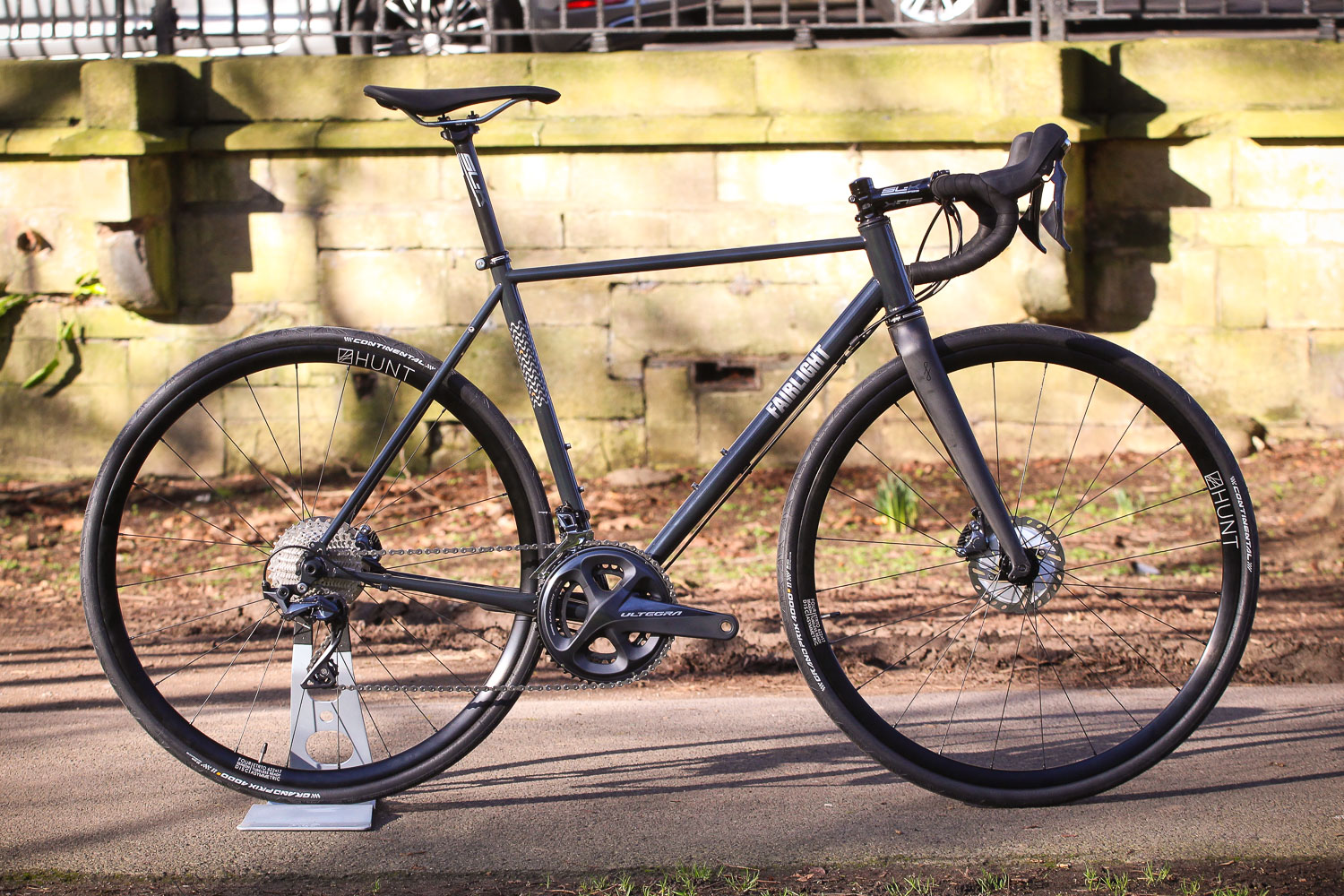
There’s another consideration many cyclists are factoring in when buying a new bike. A carbon frame can look dated pretty quickly, as larger bike brands change models and paint jobs every season. That’s not the case with a steel frame, which has a timeless quality to it and will still look good many years down the line. What’s more, it’s easy to get a steel frame resprayed, so if you get bored of the colour after a couple of years, you can easily strip it down and give it a new lick of paint.
Are steel frames expensive?
Yes and no. If you want a fully custom steel frame, it’s not going to be cheap. The likes of Donhou Bicycles, Saffron, Feather, Paulus Quiros and so on have very limited resources and therefore extremely packed order books, meaning a long wait and slow turnaround time. A frame from any of these builders can start from £1,000 and rapidly rise to several times that.
It’s worth remembering that you are involved in the process throughout, from the initial concept to every detail of its build, and eventual completion. You’re not simply buying a frame off the shelf. It’s like buying a bespoke tailored suit: you have a say in every decision.
If you aren’t fussed about a custom paint job or geometry, there are cheaper options. Small UK companies like Condor, Genesis, Rourke and Enigma produce steel frames on a slightly larger scale and that means they are more affordable. Prices can start from as little as £449.99, making owning a steel frame really quite affordable. You certainly can’t buy a carbon frame for that sort of money.
For all these reasons, it looks like the future for steel bicycle frames is a bright one.
– Choosing a steel, aluminium, titanium or carbon road bike
Will your next bike be made of steel?












69 thoughts on “Steel appeal: find out why bike makers and riders still love steel bikes”
Carbon Fibre frames are
Carbon Fibre frames are alright, but IMO they’re generally pretty ugly. A giant, gopping headtube punctuated by a steerer tube and miniature scaffolding clamp for the stem. An integrated headset that takes hours of questioning on the internet to find a compatible replacement. A massive fat downtube leading to a similarly massive bottom bracket shell, containing some bespoke bottom bracket arrangement that will tend to creak and ruin the whole experience. Internal cabling that’s a nightmare to route and which will, inevitably, rattle at some point, again spoiling the experience. Chainstays that lead to a soft aluminium hangar that will bend at the slightest sign the bike is laid down. A top tube that is so much smaller than the downtube, along with the seatstays, that the whole frame looks completely unbalanced. And a seat tube that requires a seatpost twice as long as a frame with a horizontal top tube.
And don’t get me started on the logos. Huge, garish logos on every surface that benefit only the manufacturer. You become a moving advertisement – well I’m sorry, but if you want me to advertise your brand, pay me. Otherwise, keep your silly logos small and tidy.
I’ll take steel. I’m not a professional athlete so I don’t care if it weighs a few pounds more. I still regularly sail past my CF-framed peers on the local hills. Give me slender tubes, standardised sizes and shiny, silver components any day of the week.
Peowpeowpeowlasers wrote:
You don’t like carbon frames then ?
Peowpeowpeowlasers wrote:
Just my words. I ride aluminium only because it’s so difficult to find steel frames (in DK). Carbon is nice but brittle and generally vulnerable to damages. I follow a couple of cycling groups on Facebook – I’m almost chocked by all the carbon riders who post damages to their carbon frames. I understand the benefits of carbon if you race for money or have a big wallet, but when you haven’t got a sponsor to pay for your cracked/damaged carbon, well, some expensive miles you’re riding.
Every cyclist should have at
Every cyclist should have at least one steel frame bike – so you can never forget how good they are.
My summer and winter bikes
My summer and winter bikes are both steel. The carbon fibre one is up for sale. Steel IS real.
The last steel framed bike I
The last steel framed bike I had was an old Peugeot racer with downtube shifters. The frame ended up with a huge crack behind the headtube.
hawkinspeter wrote:
Poorly built mass manafacturing – as with all materials in bikes, there are some cheapies to avoid 🙂
50kcommute wrote:
I have bikes made of alu,
I have bikes made of alu, steel, titanium and CF, also alu with CF stays, I like all of them, they all offer something different and are used for different types f rides. I don’t get why some people get so angsty, just buy what you want and ride, giving it ‘steel is real’ and all the rest of it is just a bit silly/sad.
BehindTheBikesheds wrote:
Exactly, same here. Only one I’ve not really liked was a cheap alu Colnago which rattled my fillings, as it had big dia tubes. It looked nice.
Sold my Litespeed Mira, which had alu frame and cf seatstays, this one scared the shizzle out of me on the descent of Ventoux.
BehindTheBikesheds wrote:
Totally agree. You can get good bikes and bad bikes made out of all frame materials. When you are judging a bike, the last thing you should think about is the frame material (unless its concrete)
BehindTheBikesheds wrote:
Yup. I’ve also had bikes made of all of 4 big frame materials. The diffferences in ride feel and performance between the bikes I’ve had have been small at best. My next bike will be Ti, not for any performance reasons but rather because Ti looks dead sexy with a lot of black components and a hint of pink added in.
Steel, Ti, aluminum alloy, and CF are all real. Vibranium is imaginary, so don’t expect a vibranium bike in the future.
Psi Squared wrote:
I own one of each too and they’re all great at their slightly different jobs. I’d suggest there are too many variables to say one material is definitely better than another, for example tyre choice and pressure can have a major impact on how they feel to ride.
Carbon isn’t expensive, it’s
Carbon isn’t expensive, it’s cheap at the low end or if you can find a NOS frameset, certainly there are loads of lightly used/used bikes/framesets out there for a pittance.
I bought a NOS specialized road frameset last year for £250 delivered, it was one rung below the 2009/10 S-Works MTB modulus (FACT 9M to be precise), so whilst it’s not a superlight (still less than 8kg as a ‘gravel bike with 38mm tyres) it’s going to be a very, very robust frame.
A Reynolds 525 frame plus Carbon forks+ headset would cost me the same money from Ribble which is about as cheap as it gets.
I have three bike Aluminium
I have three bikes, Aluminium framed Claud Butler, Genesis Equalibrium 10 Steel and a Spitfire Mark Reilly Titainium.
the ally one ok but harsh ride, the steel is a dream to ride comfortable. The Titainium is by far the best to ride. It has it all IMO
Obligatory link to someone
Obligatory link to someone who knows stuff about frame materials….
https://www.youtube.com/watch?v=JjYNIaI26EQ
Both my bikes are now steel –
Both my bikes are now steel – a Fairlight Faran built as a tourer/general dogsbody and a Bowman Layhams for something a little faster.
Compared to alloy/carbon bikes I’ve owned what I particularly like is that they’re both utterly silent, even over crappy roads. The Layhams is noticeably more comfortable than the alloy bike which donated all its parts, including wheelset. It is also much more direct, stiff, and responsive. I’m a heavy rider and even though the Layhams is heavier than the alloy bike it feels like it accelerates faster when I put my weight through the pedals. Really noticeable that I’m getting less hand pain from road buzz too and my back seems happier. Fit is as close to identical as the frame allows so its a reasonable comparison.
kil0ran wrote:
One year on and I still have both of these bikes and can’t imagine changing them. Compared to 5 bikes in 3 years before I had them.
The Faran is now dedicated to offroad use – 40mm knobblies and soon to get 46/30 gearing.
Layhams is a pure summer/dry weather bike stripped of mudguards and lights on 28mm tyres
And I’m about to build up an old Triban 3 frame as a Zwift/Rouvy bike rather than use the Faran for that purpose – because I think the Faran will continue to get use through the winter with the knobblies (40mm WTB Nanos – highly recommended for light mud)
Is “You certainly can’t buy a
Is “You certainly can’t buy a carbon frame for that sort of money” supposed to be “You certainly can’t buy a carbon framed bike for that sort of money”?
Because you certainly can buy a carbon frame for less than £499:
https://www.planetx.co.uk/c/q/frames/road-bike-frames/carbon-bike-frames?sort=price-asc
https://www.radialcycles.co.uk/bikes/framesets/revere-carbon-1-1-radial-frame-stealth-black.html
(Will a £499 carbon frameset be any lighter than an alloy or steel £499 frameset, and if so what other compromises are involved in getting down to that price? I don’t know, but that’s a separate question.)
armb wrote:
I bought my new (purchased in 2014) 2013 Conti pro team level frameset direct from the team sponsor/UK importer for £430 including the same 5 year warranty. It’s a 59cm and came in at 1085g including the braze on front mech plate, rear hanger, headset cups AND importantly (for me) had threaded BB shell.
Contrast that with the 2012 Scott CR1 SL (HMX) which in approx same size is 930g with press fit and no cups fitted, but to my mind is not as resiliant (I can easily squeeze the tubes in with my fingers) and even less resiliant than the Sirrus Pro Ltd frame I picked up last year for £250, that’s a (comparatively) hefty 1350g for a 58.5 incl threaded BB, V pegs on the rear stays and headset cups.
That 1350g is about the same as the 01/02 Principia RS6 and circa 100g less than the Rex e, the Rex and RS6 pro versions were approx 1180g/1120g for a 55cm respectively. Dunno what a Caad12 is.
1996 Raleigh Titanium special Products in a 62cm is approx 1650g but obviously it’s a big bugger and no sloping geo.
My 57cm Gitane Vitus GTI triple butted steel frame is about 2000g – it’s lighter than 520/525/725/probs 653 and on a par with R531 professional/753 give or take weight wise.
One of my bikes is a Condor.
One of my bikes is a Condor. Would recommend.
One of my bikes is a Condor.
One of my bikes is a Condor. Would recommend.
One of my bikes is a Condor.
One of my bikes is a Condor. Would recommend.
Lukas wrote:
Three times?
Building my Ultimate Commuter
Building my Ultimate Commuter at the moment, steel, and I have given it one coat of JP Weigle’s Frame Saver, have to give it a second. Should give it a nice coating on the inside, and inhibit the dreaded internal rusting.
Folk should ride what they
Folk should ride what they feel comfortable riding. Cycling became fashionable and the marketing mob moved in and now we are forever told we must have carbon this and disc brake that and aero this and climbing bike that etc etc… the reality is for the vast majority of cyclists (not the wannabe racers nor the all the gear no idea crowd) the only real difference they will find between steel, aluminium, carbon or titanium is the impact it has on their bank balance. For many losing a few Kg will give better returns than spending thousands on whatever is the latest fashion.
I have bikes made from aluminium (Cube), steel (Colnago and Raleigh), and carbon (Colnago)… and they have all made it up Mont Ventoux – at the end of the day the bike doesnt make me go any faster and truth be told I cant tell the difference between any of them in the nuanced and bullsh!t way most cycling publications talk about differences between frame materials – its just marketing bull!
Bikes are for riding – so ride what you are happy riding at the price point you can afford.
Dunhoy wrote:
Whilst I agree with some of your points you sound like the all the gear and not as much idea as you’d like to think you have.
There are noticeable differences in how certain materials and indeed how certain geometries ride, you’ve admitted yourself you can’t tell the difference, that’s fine but to state it’s bullshit is cobblers.
Yes publications like Road CC and others make very subjective and unquantified statements too often, often making statements that are contradictory or simply nonsensical. Yes there is a load of marketing crap but then that’s being the case since forever in human history and selling the next ‘best’ thing is not new. Some things are driven by a need to push sales without having any discernable benefit, stuff like helmets and hi-visibility clothing, mugs who buy into that are actually having a negative effect on my safety and everyone elses as well as aiding with reducing responsibility and promoting victim blaming.
For most people something new and shiny encourages you to want to push harder and/or further, if the marketing bullshit gets people riding at all or riding more then one cannot argue too much against it so long as it adds positively.
Also you saying it’s not the bike is yet another error, this is repeated so often and is patently untrue. Yes the human is most of the difference but improved components, wheels, tyres, better foot/pedal interaction, less weight, better handling properties and importantly often a subtly more aero position adopted, DO make you go faster.
How much faster am I on my CF bike compared to my retro steel or my Ti bike, I don’t keep a count but my average is above that of the other bikes on the same rides, I feel faster but they all are different in their own way, none are wrong, they are just different.
Spot on
Spot on 😉
I’ve got some Mercians,
I’ve got some Mercians, springy and classy bikes. Anyone else get that impression that when you jump on a nice classic steel bike and push those cup’n’cone bearings, it feels like it takes less effort to pedal than a stiffer rig? Why is that? Am I just in a lower gear?
A complete contrast is my Gosforth Airlight, which is lively in a different way. It’s a proper hoot!
One more…. an All-City Mr Pink, assigned to commuter duty, not light, springy or racy, but a very solid citizen. No rattles or creaks at all.
I have two bespoke steel
I have four bikes, two bespoke steel, one aluminium & one carbon…and love them all…
I’ve got an old steel Claud
I’ve got an old steel Claud Butler San Remo frame, which is horrendous to ride – it’s cheap high-tensile steel that may as well be built of scaffolding poles. A woeful warranty replacement for the original Reynolds 531 Claud Butler Elite frame it replaced.
I own 3 steel bikes. Two are
I own 3 steel bikes. Two are high quality Reynolds 531 from a reputable manufacturer (when they were still made in UK). I enjoy riding them both, but neither has the ride quality of my Ti frame / CF fork – made in PRC.
Over the last 30-odd years I
Over the last 30-odd years I have built up a collection of several metal bikes and every single one of them has a different feel.
Within the steel category, I have frames in Reynolds 531c, 653 & 725 and Columbus Cromor, SL, SLX and SLX New. Plus a Planet X in Maxwall 4130
For a great day (ie not carrying a ton of gear) in the saddle I can heartily recommend vintage steel from a decent builder in Reynolds 653 or Columbus SL. 653 loves the hammer whilst SL is a delight to cruise around on at or below 20 mph.
I’ve just built up a tourer in Reynolds 725 and although it weighs approximately one metric tonne, it can tank along quite happily and has a noticeable spring whilst still being adequately stiff around the bb. My Planet X in 4130 on the other hand, is like a bowl of noodles if you try to push it hard with visible flex and scraping chainrings.
My aluminium cross/commuter needs 32mm tyres as a minimum or it feels like the saddle is attempting sodomy. Its quick away from the lights though!
My Ti framed audax bike has been redesignated as the special trips machine where it excels at climbing or eating up long days on unknown roads with ease. It also has no paintwork to chip when in a flight bag and won’t rust when I drip gallons of sweat all over it…
I recently ordered my last ever frame (hahahaha)… its steel.
The article is wrong in one
The article is wrong in one respect – Steel can and will fatigue. It is much less prone to fatigue than aluminium but badly a badly welded steel frame has the potential to fail due to fatigue damage in the weld just as any other metal will. A brazed frame is significantly less likely to fail due to fatigue but this is due to the jointing method rather than the material
gmac101 wrote:
It can fatigue, but steel, like titanium but unlike aluminium, has a stress limit below which it will not fatigue: https://en.wikipedia.org/wiki/Fatigue_limit
A well designed and well welded frame can stay below that limit.
gmac101 wrote:
Steel won’t fatigue below it’s fatigue limit, unlike aluminium, which will fatigue regardless of the stress applied.
I can see that it is a heated
I can see that it is a heated debate although it does not have to be . Each material has its benefit. For me the aspects of looking outdated very quickly made me buy my steel simoncini 8 years ago. I can honestly say that on every ride with a group it will get a positive comment. Owning a classic that I have covered over 25 000 km is my reason for steel. One time last year in mallorca in a group of ten cycling along a German came along side shouting zuper zuper several times. I have a bike I am proud to own and use even if it is a couple of kilos heavy
They should get rid of those
They should get rid of those ugly straight front forks and replace them with an elegantly curved steel pair.
kingleo wrote:
Unless they are attached to a Colnago Master 🙂
Interesting that the article
Interesting that the article suggests steel for “comfort, distance and durability”. Starting with durability, absolutely, and if I wanted a bike for the daily commute through traffic, and being jammed into a busy office bike rack for 10 hours per day, I’d go with steel. But for putting miles behind me on quiet country roads, since I discovered carbon I’ve never looked back. I do think its great that we are having the discsussion, that there is choice in the market, and we are not all flocking to buy next year’s latest innovation.
I’m not a 100% apologist for
I’m not a 100% apologist for steel. When I was uni, a mate and I spent our student loans (first year ever!) on Dave yates MTB frames. Mine was made of ‘normal’ Columbus Chrom Or frame with sensible tube diameters. My mate went for Columbus max Or which has very thin walled, large diameter tubing and it was really horrendous to ride. Way, way too stiff.
Don’t be too critical of
Don’t be too critical of Lukas, my phone once replied on a thread seventeen times, it happens .
.
As for if steel has it’s
As for if steel has it’s place in a carbon fibre age – sure it does, if there’s demand for it then it certainly deserves it’s place.
In terms of engineering, CFRP is a vastly better material for making bikes from. The anisotropic properties and ability to layup/mould it into much more complex shapes than metals mean it can be aerodynamic, light and stiff all at once. Metals struggle to achieve even two of these simultaneously.
“My next bike will be Ti, not
Given the Giro is around the corner, that does sound sexy.
When you can have a hand
When you can have a hand-built, lugged, classically proportioned stainless steel frame for £599 I think there’s only one answer.
https://www.planetx.co.uk/i/q/FRHOPRFIT/holdsworth-professional-italia-stainless-frameset
(please buy this so I don’t and end up chucking a load of money on it & a chrome Potenza group to match)
kil0ran wrote:
The lugs remind me of some of the plain jane models in the past, nowt wrong with them as such but just not that exciting to look at. And the italianate stays are a bit industrial, again the lugs don’t help the look.
Like the Orange colour but the frame/price isn’t doing it for me and I’d prefer to spend a bit more to get something a bit more pretty/special, given that’s what steel is about for when you’re poncing about on a steady ride, more form over function. Well it is for me.
It isn’t just marketing and
It isn’t just marketing and the need to buy the next new thing that killed off the steel frame industry. I grew up on road and mtb steel frames in the 90s and still remember the leap in ride quality with my first alloy frames for both disciplines; they were stiffer, lighter and most importantly, faster and I still ride aluminium now, 25 years on. My first carbon frame was equally a revelation, lighter again, shock-absorbing and (possibly, although Strava says not) faster again and this will always be my go-to for long rides, or special events. Steel has come back on a wave of nostalgia and desire for the hand-made but an artisan in a shed in East London is not going to make you an inherenetly better bike then a company with a massive R&D budget and feedback from the world’s best bike riders in the most testing conditions. I overtake well-heeled riders on hand made steel frames on their Sunday outings round my way and don’t envy them. I don’t miss steel at all. As for the custom aspect, there are loads of frame refinishers around now-why not buy carbon 2nd hand and get it resprayed.
richb2007 wrote:
Yes! Very much agree. In the early 90s alloy was coming in and I was interested. I mail-ordered what was actually a quite badly made welded alloy frame from that long-gone company, Ricci in Cornwall, for cheap money. Built that up and the first few rides were a revelation. I’d only been on 1″ steel lugged frames till then, this thing was way stiffer, and the resulting confident handling amazed me. I had not known bikes could feel so exciting to ride.
No more steel for me apart from a later stint with a Scapin Eos Pro but that was a very refined frame indeed.
“If you want a fully custom
“If you want a fully custom steel frame, it’s not going to be cheap. The likes of Donhou Bicycles, Saffron, Feather, Paulus Quiros and so on have very limited resources and therefore extremely packed order books, meaning a long wait and slow turnaround time. A frame from any of these builders can start from £1,000 and rapidly rise to several times that.”
http://www.bobjacksoncycles.co.uk
Frames from 565…
paulomac85 wrote:
They’re not doing full custom frames currently though and those prices appear to be for off-the-peg frames and ex-VAT.
This is true, although they
This is true, although they do offer an amazing degree of customization for an “off the peg” frame.
I’ve had a fair few steel
I’ve had a fair few steel framed bikes, both road and MTB, one carbon framed hardtail MTB and just recently bought my first ever aluminium framed bike.
In terms of ride, my least favourite was probably the carbon hardtail, to me it felt a bit dull and lifeless, but how much of this was due to it having fat tyres and front suspension, I couldn’t say.
I’m really pleased with my latest, aluminium framed bike, I don’t find it harsh or uncomfortable, but it is a gravel bike with fat-ish tubeless tyres at low pressure, so that will have a significant influence.
I think you can make a handsome frame out of any material, and equally, an ugly one. Having said that, I still think there is something aesthetically very pleasing about a well crafted steel frame; the delicate appearance of thin tubes together with beautifully finished lugwork or fillet brazing and nice details in the braze-ons, dropouts and the little finishing touches.
A nice paint job doesn’t hurt either, there are far too many “murdered out” black carbon frames and lairy graphics. Steel frames offer a smaller “canvas” for decals, so they are often a little more restrained which is more to my taste, not withstanding the “bomb in a paint factory” colour schemes of many 90s steel MTBs. Having said that, that grey and orange Enigma is rather lovely.
I’m still riding my Freddie
I’m still riding my Freddie Grubb Galibier bought secondhand in 1980. Done some big rides on it in my time including a 100. Bit heavy and would be superb if it was made from 531.
One of my biggest regrets is
One of my biggest regrets is selling a genesis croix de fer I’d been using for 5 years and buying a Whyte Wessex, i just don’t get on with the Wessex at all, I’ve spent so much time trying to get it to feel right and changing parts hoping it’ll make the difference but it’s just a sluggish difficult bike to me.
I chose the Whyte as I wanted something a bit more responsive and lighter for a winter/wet weather bike and as it takes full length guards it seemed ideal.
A few lessons learnt, 10 mins round the road on a bike near the shop is very different to owning one and doing ‘proper’ rides on it and carbon is not automatically going to feel better and more responsive than steel.
Anyone want a Whyte Wessex?
Nearly all my bikes are steel
Nearly all my bikes are steel, bar the Ti/Cbn one. I’ve yet to find a full carbon bike that “lights my fire”. Emotionally, as an older rider, I’m more attuned to the bikes my heroes rode, and I’ve ridden all my life. And who cares if the Carbon superbike is 3kg lighter than my 1983 Carlton Professional* Unless you’re at 5% body fat, you’re wasting money in light bikes and components, and will anyway put greater stress and strain through them and have to chnage / upgrade more often.
* – Carlton Pro mk 5, 531 tubing, Campag Racing -T 3×9 drivechain, everything alloy, mudguard, pump, toolbag and lights, total weight 9.3Kg. Rides sublimely, no creaks, no rattles, makes me smile 20 miles each way to work, and 50-100 mile rides at weekends.
Still loving my Rourke. Here
Still loving my Rourke 653. Here as set up with dynamo lighting for the Dun Run this year. So smooth.
The only thing that will
The only thing that will outlast the longevity of steel is this article
Steet RUSTS and can do so
Steet RUSTS and can do so really badly. I took a frame to a sandblaster (he’s good and has done other frames for me). He gave it back to me after doing it and showed me the stays had rust holes through them and were dangerously weak. With the paint still on it I didn’t know and it would’ve been DANGEROUS to ride ;-( A lot of “frame” feel is tyre pressure.
I J P Weigled my new steel
I J P Weigled my new steel frame in an attempt to minimise the invasion of internal rust.
You never know…
NZ Vegan Rider wrote:
+1
NZ Vegan Rider wrote:
Quite right. Also steel often corrodes / weakens from the inside out. By the time you notice you have a really bad case of metal worm, you’re in a heap with a broken frame.
I took my 1996 Gios out for a
I took my 1996 Gios out for a spin yesterday morning and it brought an immediate smile to my face. I’ve never owned a modern carbon bike (though I have a C50) – and though I’d like a new bike (who wouldn’t), I’m not sure I can justify a new C64 or one of those pornographic Wilier’s in their copper-painted livery.
I’m taking her out for a spin again today…
Steel is real, so is rust.
Steel is real, so is rust.
Over the decades I’ve had 531
Over the decades I’ve had 531, 753, 853 and 725 (which had some tubes, probably the stays, made of something else. I’ve been very pleased with all of them. However, I can’t detect any worsening of ride quality in my recent off the peg Vitus Substance (my best general bike ever) which just has some unspecified Tange ‘gas pipe tubing’. The latter may be a bit heavier but that’s only a guess.
Steel may be great but it’s
Steel may be great but it’s also priced ridiculously. Working with steel isn’t as labour intensive as working with titanium, yet this new breed of manufacturers believe they can charge $3k AUD for a frameset. Mind blowing what people will pay. An aluminium frame with nice fat tyres will ride smoother and will be lighter, not to mention kinder on the hip pocket.
Depends what you mean my
Depends what you mean my labour intensive, a well made fillet brazed steel frame takes hours of careful mitring, days of hand sanding the fillets, years of experience with the torch to end up with consistent pinhole free brazes, the knowledge to select to correct tube sets, some places even machine custom parts like head tube reinforcement rings or drop outs. You aren’t just buying a few tubes bobbed together in a jig, but if that’s all you’re after then there’s certainly cheaper ways to get that. Everyone sees value differently
The frame-building course I
The frame-building course I did was 5 days – forks, a further two. Five days’ hard Labour, filing and sanding, if you’re not used to it.
Lugged: “you can have any frame angle as long as it’s 73 degrees”.
No 1 eyeball for siting braze-ons. Trial and error for making /sizing /positioning a brake bridge.
head tube – no issue – press fit
all the bikes pictured in the
all the bikes pictured in the article look to have carbon fibre forks?
I’m mainly a vintage steel man – 531c seems to be the sweet spot and until I get a few lbs off myself, the weight gain from other materials is, well, immaterial.
I’ve got a Viner Super Professional, probably one of the Columbus tube sets, that rides very nicely, which means that, more often than not, the bike is saying, “c’mon, let’s go…” sshh – can you hear it?
Steel frames already suffer a
Steel frames already suffer a weight penalty, adding a 1000g fork doesn’t help things. Skinny steel forks also look a bit out of place on the tube proportions of modern frames, plus there’s the various headset standards to consider today