


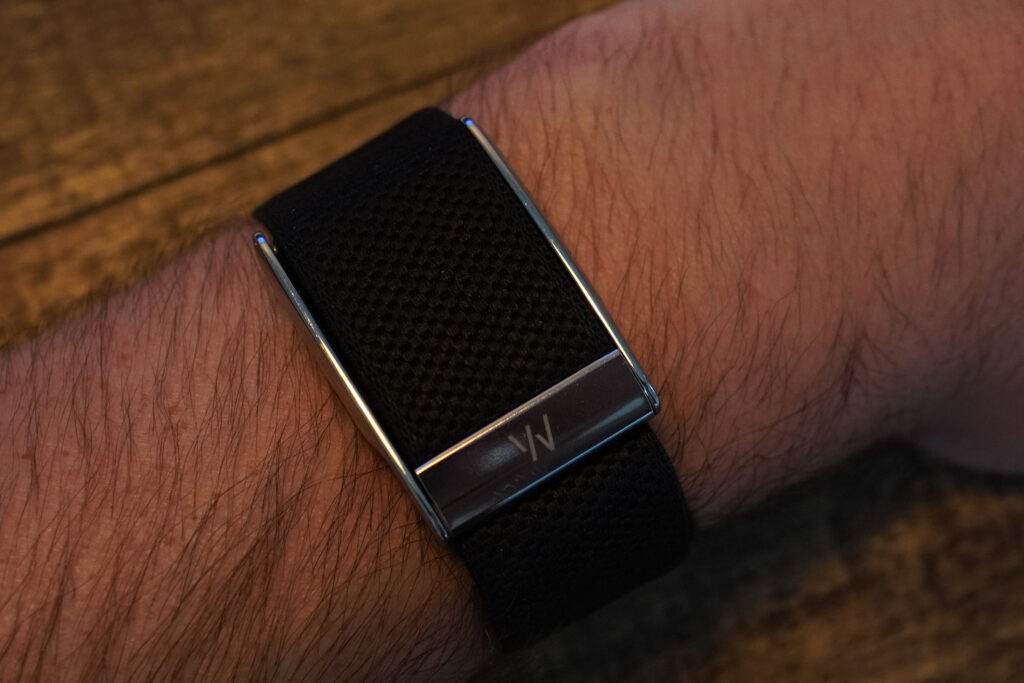

The Whoop 5.0 MG is a good health tracker with an excellent app. The amount of health data provided is impressive and Whoop has made this easy to interpret via well-considered insights.
A 14-day battery life is unrivalled in this wearable tech niche and the system has helped to improve my sleep over the review period.
However, the price is very high for this MG version and the most basic subscription plan lacks some new features. There is also growing competition, which, when you add in some poor customer care decisions from Whoop, makes it difficult to recommend, especially at the Life subscription tier.
Whoop’s app
When I first tested the Whoop system, I was immediately impressed with the app. It is easy to navigate and features all of the key data in an easily understandable format.
It still takes a number of days to start providing insights into your health and it’ll be weeks before the system is properly calibrated to your body.
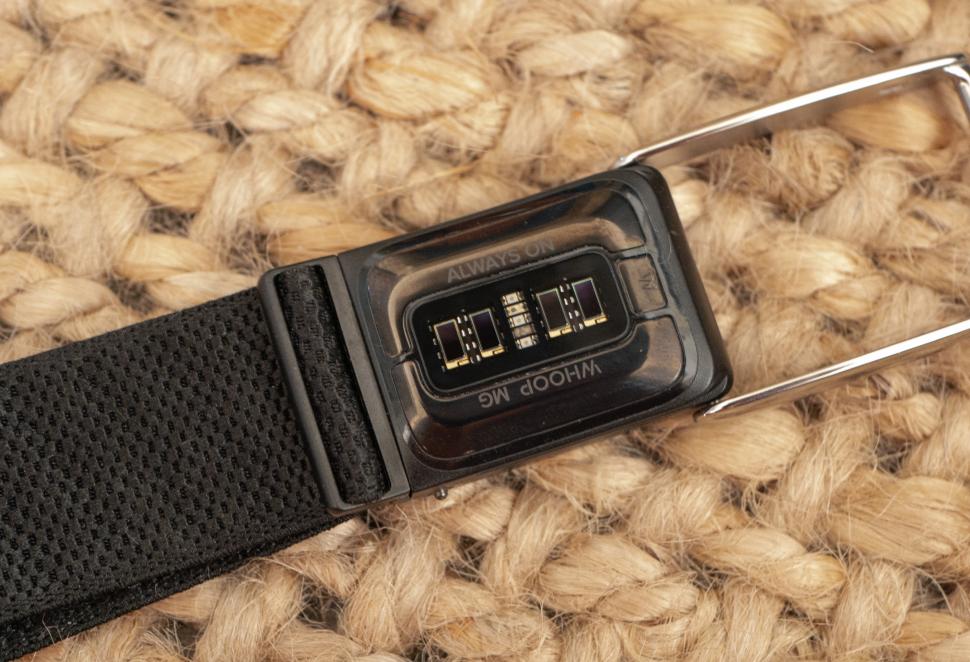
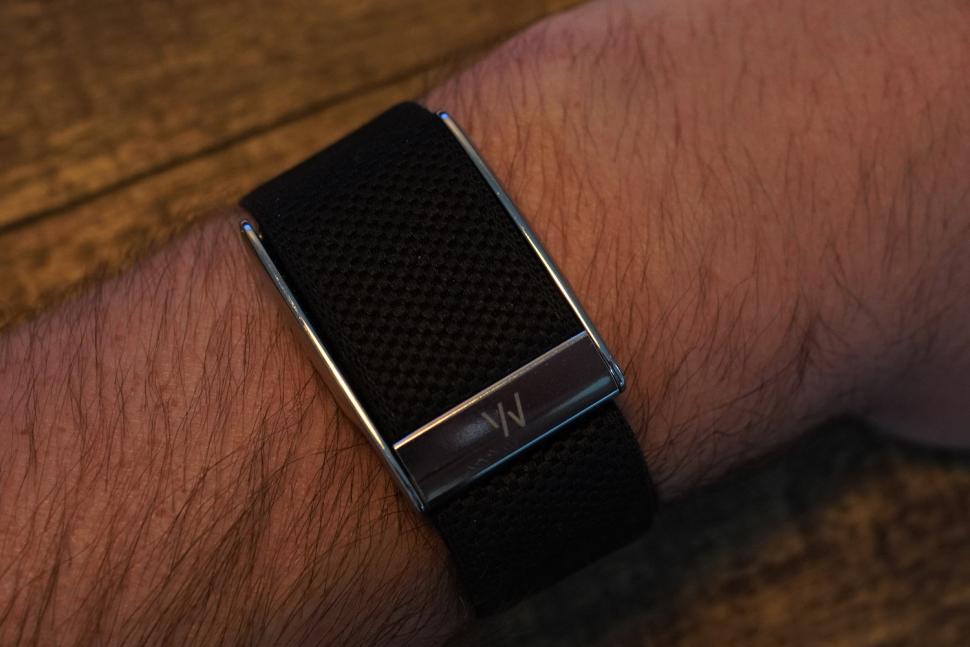
Whoop has been steadily building in features such as training plans and improving strength training support. It has also added health monitoring features, offering blood pressure insights for users who might benefit from constant tracking.
I particularly like the health monitor section which does an excellent job of telling you when you’re about to come down with a cold or other minor illness. For example, each time I had covid, the app flagged a change in my Heart Rate Variability (HRV) before any symptoms showed themselves.
I also like the ‘Whoop Age’ feature, which tells me I am 23.3 years old, rather than my actual 31.4 years. This is, however, not exactly critical information.
The app worked seamlessly with the 5.0 MG band throughout testing. I experienced no issues with data drops or errant readings during general use. That said, I did experience issues during strength training sessions, which I’ll cover later on.
As was the case when I reviewed the 4.0, a frustration for me is the lack of any ability to remove sections of data. Should you ever have an issue with errant data, it can’t be removed and so your stain and recovery scores will be heavily impacted for at least one day.
Tracking an activity through the app also doesn’t provide anything like the granular data that a specific device does. When Whoop picks up a bike ride, it gets the start and end times bang on, but it simply gives a breakdown of time spent in various heart rate zones.
You’ll also be able to see an overview of calories burned, average and maximum heart rates, and activity duration.
Starting a cycling activity through the app will also give you a basic map of where you went, distance, average speed and elevation gain. This is far less information than a cycling computer provides, so I wouldn’t recommend Whoop if your primary intention is to track cycling activities.
Recovery
This may be simply the way I use it, but Whoop seems geared towards recovery. Everything I said in my review of the 4.0 regarding recovery still stands, so here is what I’ve learned.
- Pretty much any amount of alcohol will negatively impact HRV and thus reduce your recovery score
- Being adequately hydrated boosted my recovery scores
- A consistent wake time is crucial for recovery
- Winding down well ahead of bedtime means I win the race to sleep
While seemingly endless ways to improve recovery are advertised online, I’ve found focusing on these four things to be the most helpful.
What I will repeat from my review of the 4.0 is that if you want to drink less, Whoop is sensationally good at guilt-tripping you into doing so.
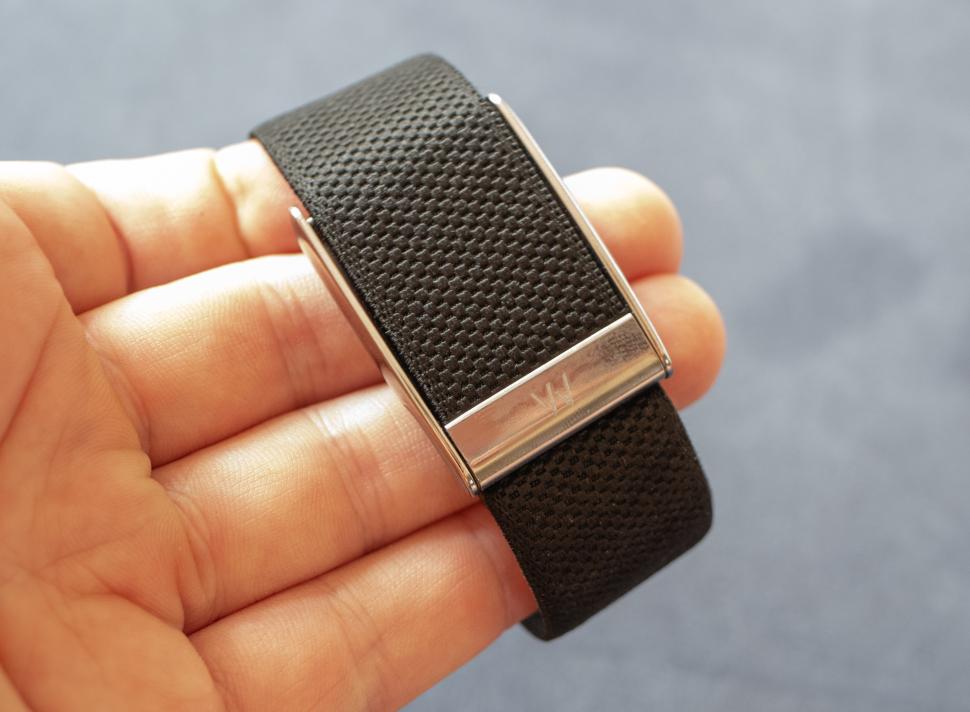
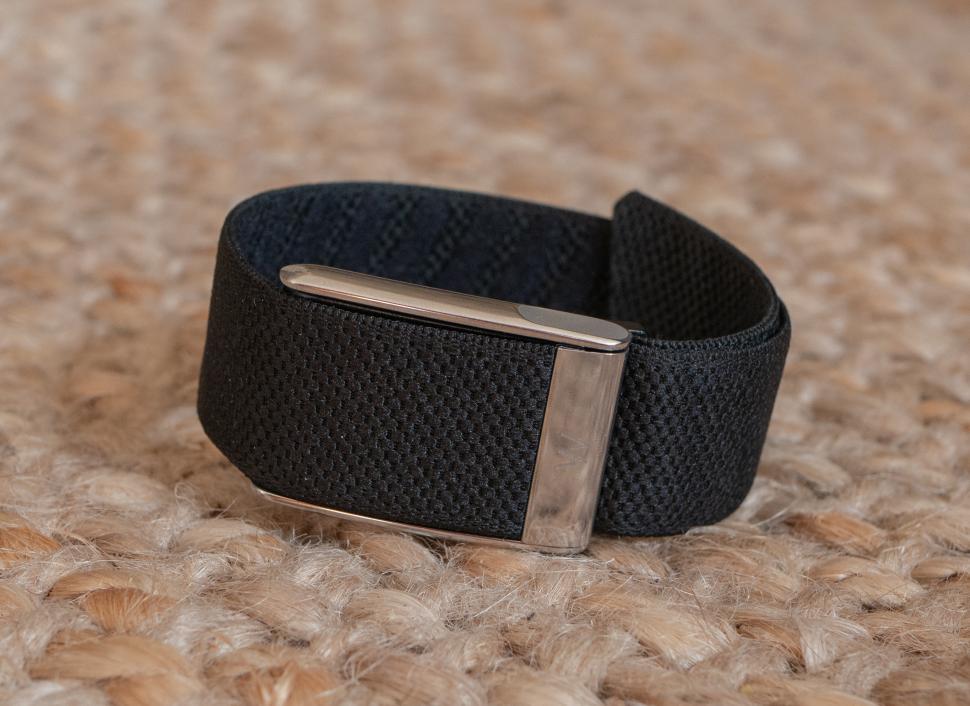
It is also much better than my Garmin watch to wear when sleeping. The small profile of the device is unobtrusive and Whoop keeps you well informed of your optimal bedtime, taking into account the toll of your day. I have also loved the haptic vibration alarm. If you and your partner wake up at different times, it’s an excellent feature.
Accuracy
My experience of the Whoop 5.0 band has been mixed when it comes to accuracy.
With the 3.0 and 4.0 bands, I struggled with a number of accuracy issues, including recording errors at higher heart rates and phantom sections of high and low heart rate figures. The bands would also read a consistent 130bpm if the band was off my wrist during the night.
Added to this, when compared to a heart rate strap, there was a lot to be desired during intense exercise.
I have, however, been very impressed with some aspects of the 5.0 MG band. Its ability to recognise the start time of certain activities is impressive, and it has very closely matched my Garmin Forerunner during running and cycling.
But for strength workouts, the Whoop 5.0 MG underreported my heart rate, reducing the strain score from what it should have been.
Using Whoop’s strength builder seems to help bump the strain score up, but this requires a bit of setting up. Once you have your workouts planned, however, the app is exceptionally helpful for tracking sets.
This MG device comes with additional blood pressure and ECG monitoring capabilities. This could be useful for those with heart conditions or high blood pressure, though testing the accuracy of these features was impossible without medical equipment.
Plans
Thankfully, a relatively healthy individual shouldn’t need either of those MG features, meaning they can step down a subscription level to the Peak package at £229/yr. This comes with a standard Whoop 5.0 band, giving you access to all the useful bits of the MG plan, at a better price.
Or you could step down to the basic One subscription. For £169/yr you get the 5.0 band, everything you need to monitor your health and insights into your recovery.
I was also pleased to see that women’s hormonal insights are included on this basic package.
The only downside of One is the wired charger. However, I don’t see this as a serious issue. The 5.0 band lasts 14 days as claimed and recharging only takes a few hours.
If I was buying into the Whoop system, it would therefore be at the most affordable level.
Strain issues
A minor critique of the Whoop system is how it attributes a slightly elevated heart rate to either stress or light exercise.
Riding into town causes a small elevation in my heart rate from its general resting state of around 50bpm to somewhere in the region of 80bpm. Riding home, back up the gentle incline sends it up towards the 100bpm mark, but none of these rides have ever been picked up as an activity, let alone as cycling.
I don’t mind this, per se, but I don’t love Whoop defining these elevated heart rate periods as ‘stress’. Doing so throws off my metrics and tells the app that I need more recovery than required.
A way to stop this issue would be to start an activity manually in the app. But my view of Whoop is that it is meant to be wearable tech that I don’t have to think about using. As soon as I have to pull my phone out to start an activity, I might as well start one on a smartwatch.
AI features
As you may have seen on Strava, an AI coach has been introduced on the Whoop app. Unlike Strava’s, Whoop’s is somewhat useful. Through the majority of your day, you’ll find a daily outlook with a quick summary of any activities from the day before. You’ll then get a short breakdown of your key insights, such as sleep performance, before activity recommendations towards the bottom.
Whoop will suggest one or two activity recommendations, with a brief summary of the benefits of each.
For me, a run and a bike training session were generally suggested each day, though I occasionally also got a weightlifting or hiking suggestion – mostly because I have done these activities in the past.
I will not for a second suggest that these are equivalent to the workouts set by apps like Runna or ones created for you by a coach.
While each comes with ‘three ways you can crush this workout’, the sessions are a little lacking in depth and detail.
They do, however, offer a suggestion of a daily workout, which I think those new to structured training and general fitness will find helpful.
That said, Garmin Connect’s daily suggested workout is, in my opinion, much better.
If you don’t pull historical data in, Whoop’s strain score will take over a month to settle. A 111 TSS post-work ride at the start of my test period brought about a higher strain score than a tough 174 TSS group ride just three weeks later.
The system needs time to learn your body, but I have found some rides registering significantly higher strain scores than expected.
So while Whoop promises a host of features, it will take a significant amount of time to truly calibrate to your body. Then when it does, the strain score still feels a little arbitrary to me.
Rivals
If you want to track your sleep, monitor heart rate variability and generally have some tech keep an eye on your health, then Whoop has some serious competition.
The Oura Ring (£349) is an example of unobtrusive wearable tech. Fitbit’s Charge 6 is just £99 and provides, subscription free, most of what Whoop is offering. But for those, like me, who lean more towards activity tracking, I believe a smartwatch like my Garmin Forerunner 955 is a better choice.
And then there are a host of watches which integrate seamlessly into your phone’s ecosystem. For those of you who favour your connected features, Apple, Google, and Samsung’s wearable tech is likely to be far more useful.
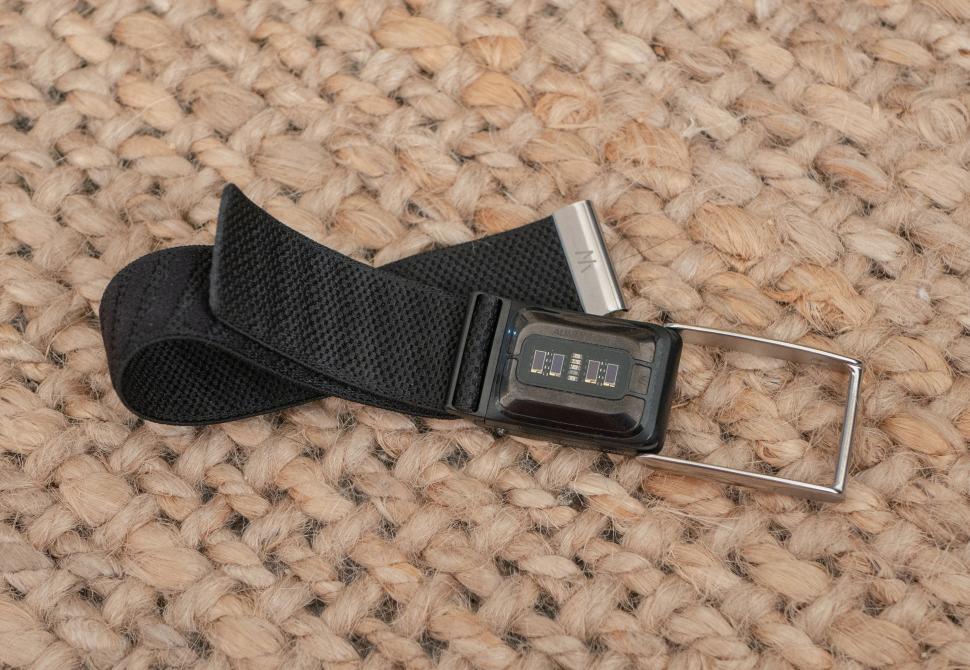
But there is one place where Whoop has them all beaten. The 14-day battery life on the Whoop is sensational. Sliding the small charging puck onto the band is simple and you get a little charging reminder when the band drops to 20%.
The device also remains on your body while charging, so there’s no need to miss any data. This can’t be said for a lot of other wearable tech.
Well, that was the case until Polar decided to sell its 360 band to consumers. This previously business-only device launches in September and the press release states it will be subscription free.
Polar’s heart rate sensors are also highly-regarded. If this continues to be the case and there is no subscription, I think Whoop will have a serious issue.
Value
Where we get into even trickier terrain for Whoop is when it comes to value. Whoop introduced a new tiered subscription model starting at £169/yr for ONE and rising to the £349/yr Life package, which I have been using.
At this upper price, you get into the territory of some excellent smartwatches from the likes of Apple and Garmin, et al. Some include ECG monitoring capabilities, the majority of Whoop’s features, and they will tell you a host of useful information, such as the time, run pace and step count without having to open an app.
This is especially true if you opt for Whoop’s £589 2-year Life subscription and it is worth pointing out that your Whoop tech only works while you pay the subscription, while a smartwatch is a one-off purchase.
But the biggest kick in the teeth for existing users came with what they didn’t get when Whoop 5.0 was released. A perk of Whoop membership was free hardware replacements if something broke and hardware upgrades when they came along.
Users were very angry when Whoop tried to quietly renege on the latter promise. There has been a partial reversal of this decision with users who have at least 12 months left on their contract being offered a free upgrade to the 5.0 hardware. But given contracts now start at 12 months (up from the 6-month minimum when I reviewed the 4.0), that’s no different from taking out a new contract.
Given that Whoop is asking users for a hefty annual subscription fee and this is how it treats those users, it gets very hard to find the value.
Summary
Whoop is still a very good lifestyle tracker with an excellent app. It will suit those who value granular data on general health and wellbeing, rather than those looking for sports data analysis.
However, combine the new pricing structure with how Whoop has treated existing customers, then add a host of very capable rivals and it becomes very hard to recommend the Whoop 5.0, especially above the One subscription level.
Verdict
Good hardware and an excellent app, but go for a cheaper subscription tier, if you go for it at all
All the deals displayed on our review pages are pulled from a constantly updating database feed of the best affiliate deals available. The criteria for deciding on what are the best deals is who is offering the lowest, delivered price. In most cases we will be showing the very best deal available online, but sometimes you may be able to find an item cheaper. If you can please feel free to post a link in the comments box below. To find out more about affiliate links on road.cc click here.
road.cc test report
Make and model: Whoop 5.0
Size tested: n/a
Tell us what the product is for and who it’s aimed at. What do the manufacturers say about it? How does that compare to your own feelings about it?
From Whoop: “All WHOOP memberships, including the 1 Month Free Trial, come with a lifetime warranty, 24/7 support, and access to the WHOOP App. However, the specific inclusions vary slightly by membership type:
“A WHOOP One membership includes a WHOOP 5.0 Device, basic charger, and Jet Black CoreKnit band.
“A WHOOP Peak membership includes a WHOOP 5.0 Device, wireless PowerPack, and Obsidian SuperKnit band.
“A WHOOP Life membership includes a WHOOP MG Device, wireless PowerPack, and Obsidian with Titanium SuperKnit Luxe band.
“A WHOOP 1 Month Free Trial includes a new or certified pre-owned WHOOP 4.0 device and wireless battery pack, a new Black Onyx SuperKnit Band.”
Tell us some more about the technical aspects of the product?
From Whoop:
“You’ll receive an Obsidian with Titanium SuperKnit Luxe band, wireless PowerPack, and WHOOP MG device. All WHOOP devices are covered under a lifetime warranty.”
Heart rate still under-reads during weight lifting activities. For cycling, you still get incredibly basic analysis.
Better value will be found in the lower subscription tiers, but the base package misses out on some features.
Tell us how the product performed overall when used for its designed purpose
Very well. This is a comfortable, unobtrusive device to wear and the app is fantastic.
Tell us what you particularly liked about the product
The 14-day battery life is exceptional.
Tell us what you particularly disliked about the product
There really isn’t much value to be had in buying the Life subscription.
How does the price compare to that of similar products in the market, including ones recently tested on road.cc?
The Life subscription plan is high, especially when you compare this to one-off purchases, such as a Garmin or Apple watch.
Did you enjoy using the product? Yes
Would you consider buying the product? No, I’d stick with my Garmin watch and simply deal with it being less optimised for sleep
Would you recommend the product to a friend? I’d suggest they look closely at other options while still considering the base Whoop subscription
Use this box to explain your overall score
Whoop 5.0 is a good health tracking option with solid hardware and an excellent app. I don’t see the value in anything above the basic subscription plan though.
About the tester
Age: 27 Height: 177cm Weight: 62kg
I usually ride: Specialized S-Works Tarmac SL7 My best bike is:
I’ve been riding for: Under 5 years I ride: Most days I would class myself as: Expert
I regularly do the following types of riding: road racing, time trialling, cyclo cross, commuting, club rides, general fitness riding, I specialise in the Cafe Ride!



7 thoughts on “Whoop 5.0”
What is it about American
What is it about American companies and pricing TNT are another, I’ve been told American life is very expensive, that pricing is transferred to other parts of the world, crazily.
Expensive, but needs a
Expensive, but needs a subscription for basic functionality? Instant 0/10
To be clear, you don’t “buy”
To be clear, you don’t “buy” a whoop device; you pay for a subscription and that includes the hardware “free” for so long as you remain subscribed.
It’s not a business model that appeals to me, but framed in that way it is at least a bit more palatable than paying for a device and needing to pay for a subscription.
It’s worth mentioning that in
It’s worth mentioning that in 2 days time Polar are due to announce a screenless HR/fitness tracker that is not a million miles away from the Whoop – but as a standalone purchase rather than the ridiculous annual subscription model Whoop have chosen.
https://www.polar.com/en/watch-this-space
Obviously I’d wait until DC Rainmaker has compared the two, but if it issimilar I would go for the Polar.
Do people really need a
Do people really need a digital accessory to tell them when to go to bed? Although I’m sure it does so much more than that it seems little more than a product designed to extract cash from the worried well.
jaymack wrote:
This describes the great majority of ‘tech’ and a small number of individuals have done very nicely indeed from exploiting percieved need.
I like the recovery/readiness
I like the recovery/readiness scores I’ve used in the past mainly due to a job that requires a lot of travel, changes in time zones and now with a baby on the way it actually helps with “sleep score”.
I’m an overtrainer so having something tracking everything in my life for me can actually be rather helpful in trying to cram what training I can around the rest of my life is quite helpful. Whoop isn’t for me (tried it for a month and couldn’t justify the subscription) but I am 90% sure about trying the Polar option pending the reviews